


Negotiations to end Donald Trump’s war in Iran were thrown into chaos again on Wednesday after the White House dismissed Iran’s latest terms and rejected reports of a draft peace deal as a “complete fabrication”.
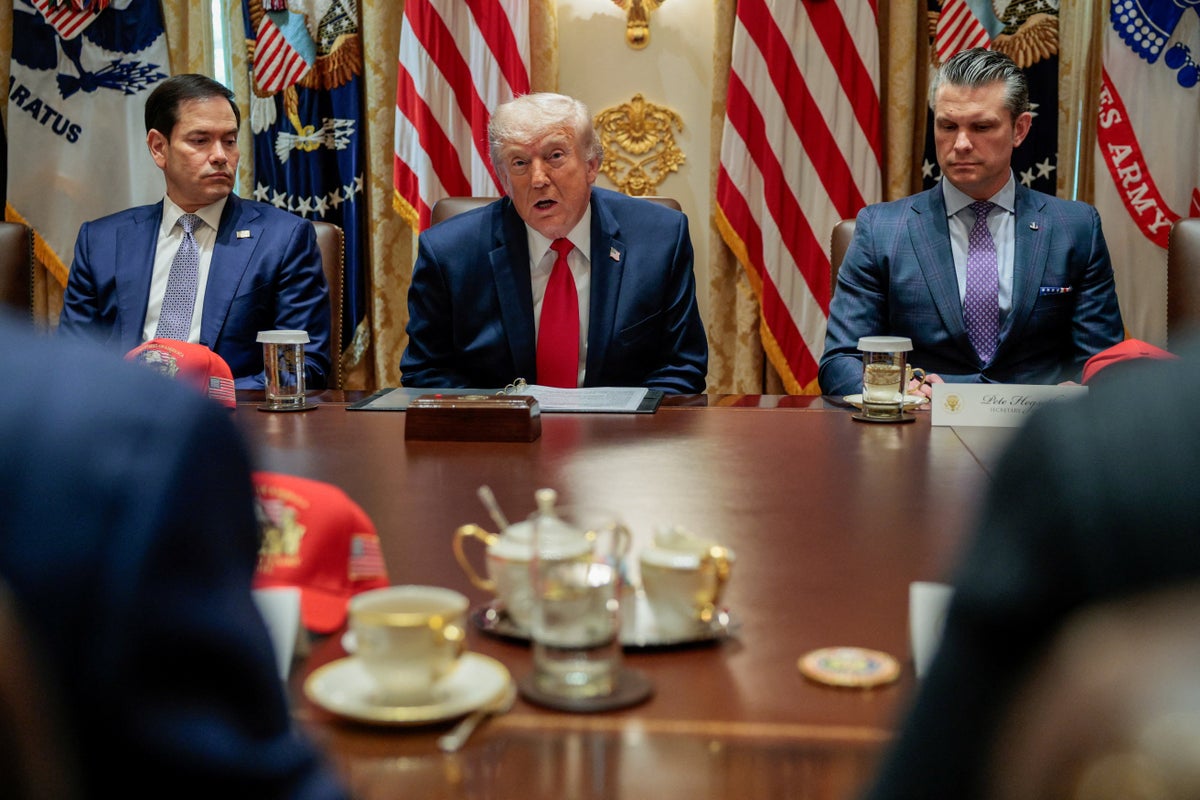
The US president told a cabinet meeting that Iran was very keen to make a deal, but that the US was not satisfied with the terms yet. He insisted Iran would not get sanctions relief for giving up highly-enriched uranium – a sticking point in negotiations.
“Iran want very much to make a deal. So far they haven’t gotten there… We’re not satisfied with it, but we will be. We will be either that or we’ll have to just finish the job,” Trump told reporters at the White House.
US secretary of state Marco Rubio was more diplomatic in tone, suggesting there had been progress towards an agreement, but cautioning that “we’ll see over the next hours and days whether progress could be made”.
The White House separately said that a report from Tehran’s state TV about a memorandum of understanding to pave the way for an end to the conflict was “not true”, suggesting both sides remain far from closing an agreement.
Iranian state TV had claimed that Tehran would restore shipping through the Strait of Hormuz to pre-war levels within a month as part of a new framework for a deal, which would also see the US withdraw forces from Iran’s vicinity.
The report also said the US would end a naval blockade of Iranian shipping, citing a memorandum of understanding being negotiated between the two sides to end the war which has choked global energy supplies through the strategic waterway.
The TV channel said it had obtained an unofficial draft of the agreement, but stressed it was not final and may not be agreed. Oil prices nonetheless fell five per cent on Wednesday afterwards.
There was notably no mention of Iran’s nuclear programme which the US wants disbanded – a stumbling block between the two sides as the war approaches its fourth month.
After the White House dismissed the report, spokesperson Olivia Wales later added that negotiations with Iran were nonetheless proceeding nicely, adding that Trump has made his red lines clear.
Pakistan’s prime minister Muhammad Sharif was more optimistic about the prospects of a peace deal, saying he hoped a peace deal could be finalised soon after receiving a call from Iranian president Masoud Pezeshkian, according to his office.
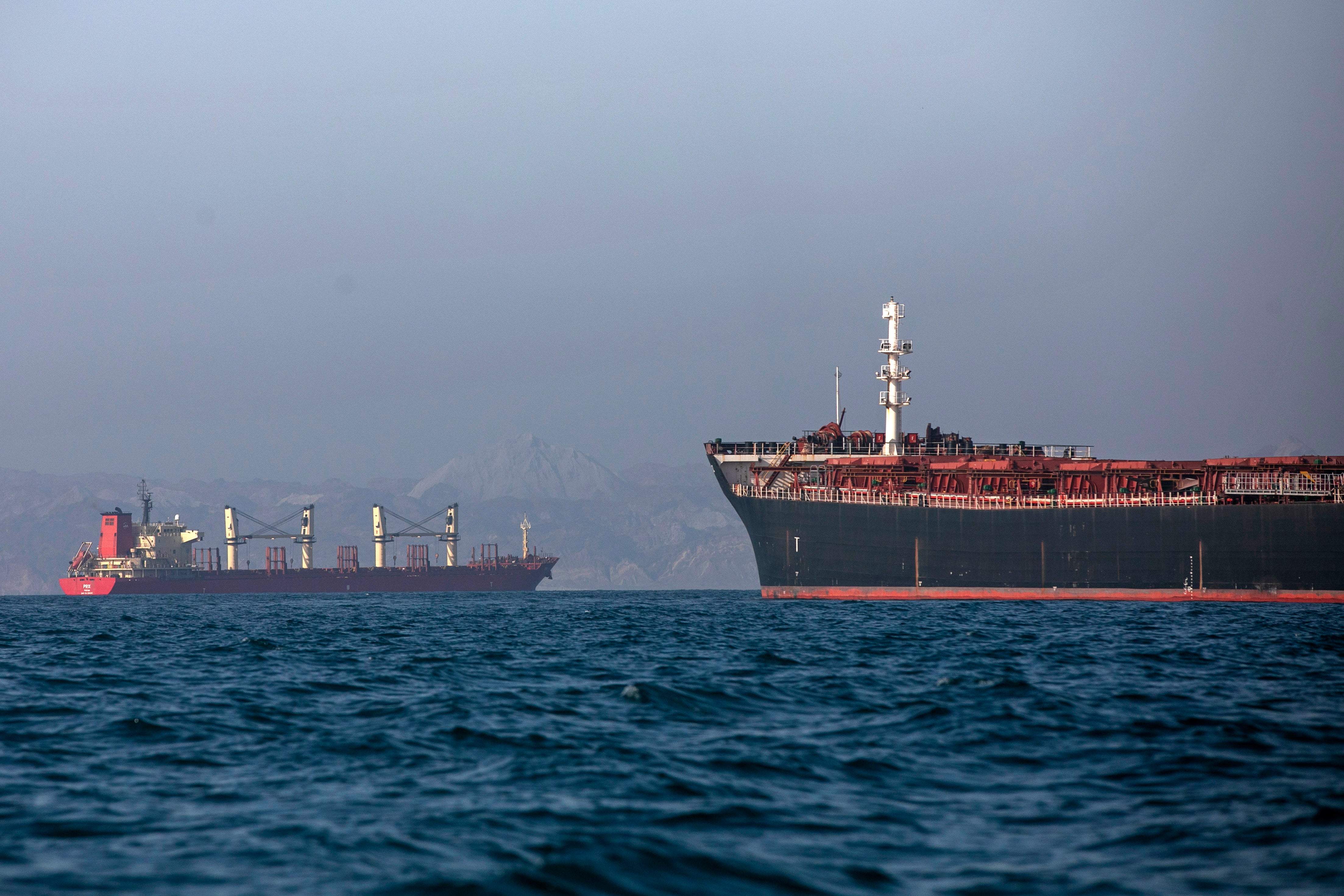
Key sticking points have included reopening and management of the waterway through which a fifth of the world’s oil and liquefied natural gas flowed before the conflict, and the dismantling of Iran’s nuclear capacity.
Separately, a source close to negotiations told Iran’s Fars news agency that Tehran was jostling for the release of some $24bn (£17.85bn) in Iranian funds frozen in banks around the world.
Iranian sources have said talks on the nuclear issue will come in a second round of negotiations – something that may not be acceptable to some of Trump’s closest supporters.
Trump, who met his top aides at the White House on Wednesday, has said dismantling Iran’s nuclear programme to prevent Tehran from developing a nuclear weapon was the key aim of the war. Iran claims the programme is for peaceful purposes only.
The president suggested that Iranian leaders think upcoming U.S. elections give them leverage over Trump because of his lagging approval ratings. If so, they’re flat wrong, Trump said.
“They thought they were gonna out-wait me. You know, ’We’ll out-wait him. He’s got the midterms,” Trump said. “I don’t care about the midterms.”