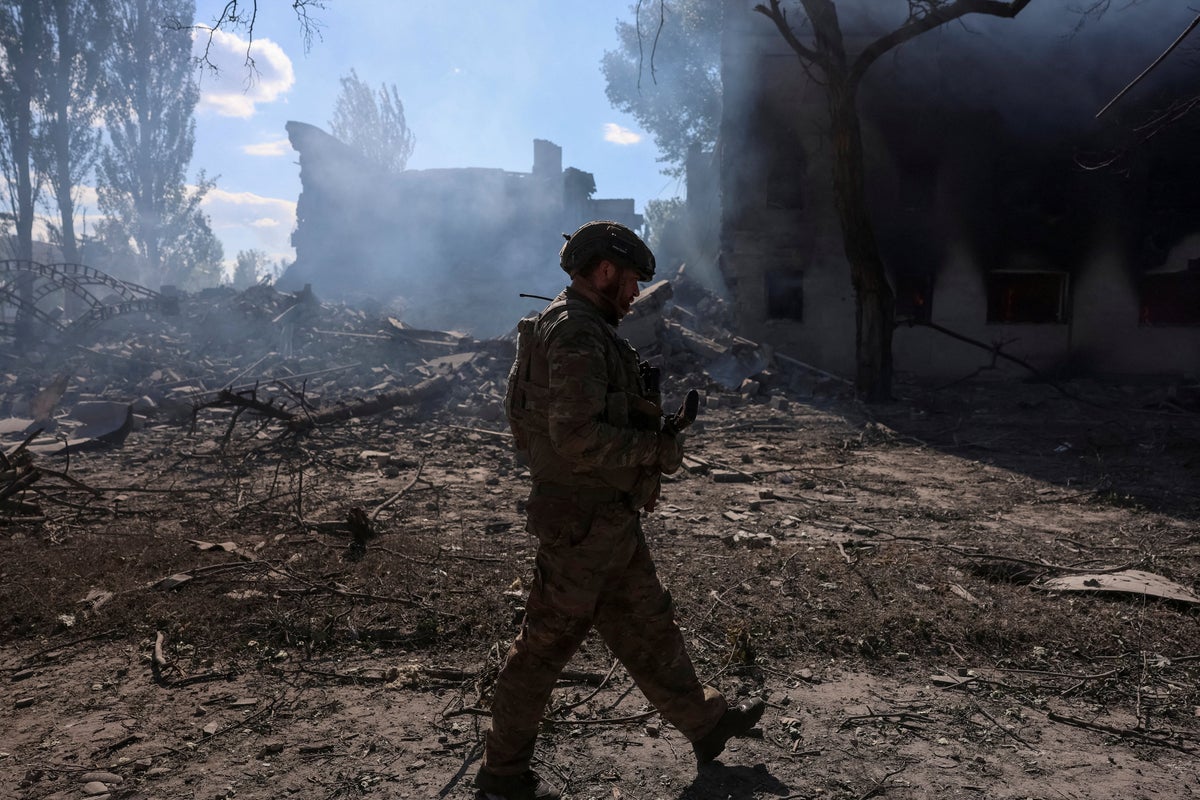
After a bleak winter which saw months of fierce Russian bombing of Ukrainian energy infrastructure, the future is beginning to look more positive for Kyiv.
Nearly four-and-a-half years since Vladimir Putin launched the full-scale invasion of Ukraine, Russia’s frontline advances have slowed almost to a halt, as Ukrainian counter-attacks and defensive tactics become more effective.
Successes in local counterattacks have become more frequent, as Ukrainian forces scale up their use of ground robots and short-range drone warfare.
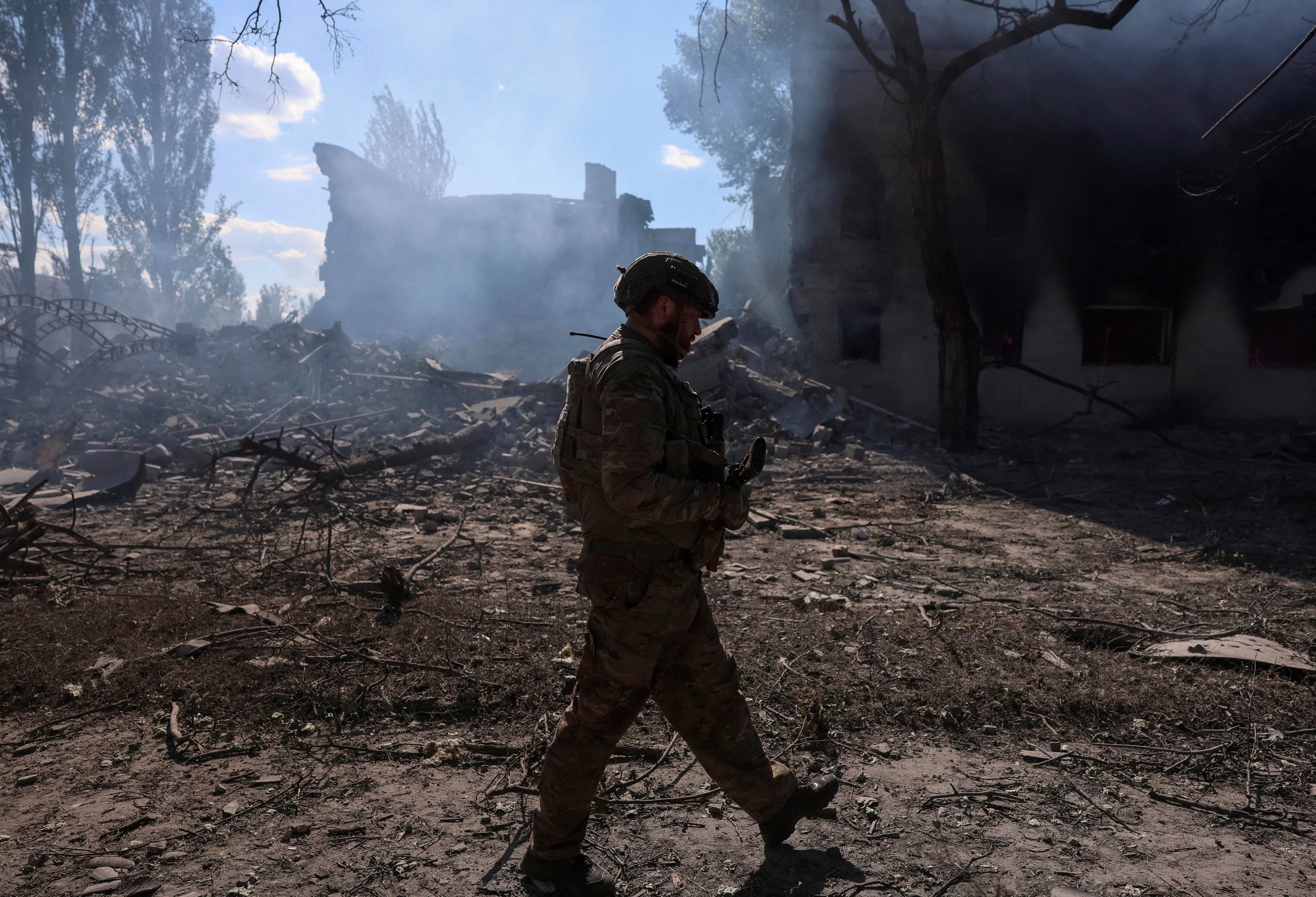
But most importantly, Kyiv has succeeded in bringing home the war to Russia, inflicting costly damage to its fuel infrastructure which has caused major shortages. This has fomented public discontent in Russia, increasing the pressure on Putin to end the conflict.
Read more: How Ukraine’s audacious drone campaign sparked a fuel crisis 3,500km behind enemy lines
The cost of his war is laid bare in data showing the scale of Russian losses, offset against such small gains in territory.
Russian territorial gains slow nearly to a halt
Moscow’s gains on Ukrainian territory have dropped significantly since last year, to just a fraction of the territory they seized in May 2025, according to data from the Institute for the Study of War (ISW).
Between December 2025 and May 2025, Russians gained control of or infiltrated 40.64 square km – compared to 515.84 square km in the same period from last year.
“Russian forces thus seized or infiltrated into only 7.87 percent as much territory in 2026 as they advanced into in 2025,” the ISW said in its analysis.
For the first time in years, Moscow’s footprint in Ukraine stopped growing in spring 2026.
A combination of Ukraine’s expanded medium-range drone strike campaign, improved defensive tactics including frequent local counterattacks, and a drone dominated battlefield, have all contributed to slowing Russian advances.
The Centre for Strategic and International Studies (CSIS) says that Russia has advanced at historically slow rates, a product of the defensive advantage that has shaped the war since 2023.
The dense minefields, multi-layered fortifications, heavy shelling and drone-saturated areas have created a danger zone more than 20 kilometres wide, slowing both Russian and Ukrainian advances.
In the most prominent Russian and Ukrainian offensives in the first half of 2026, troops advanced at an average of between 50 and 90 metres per day.
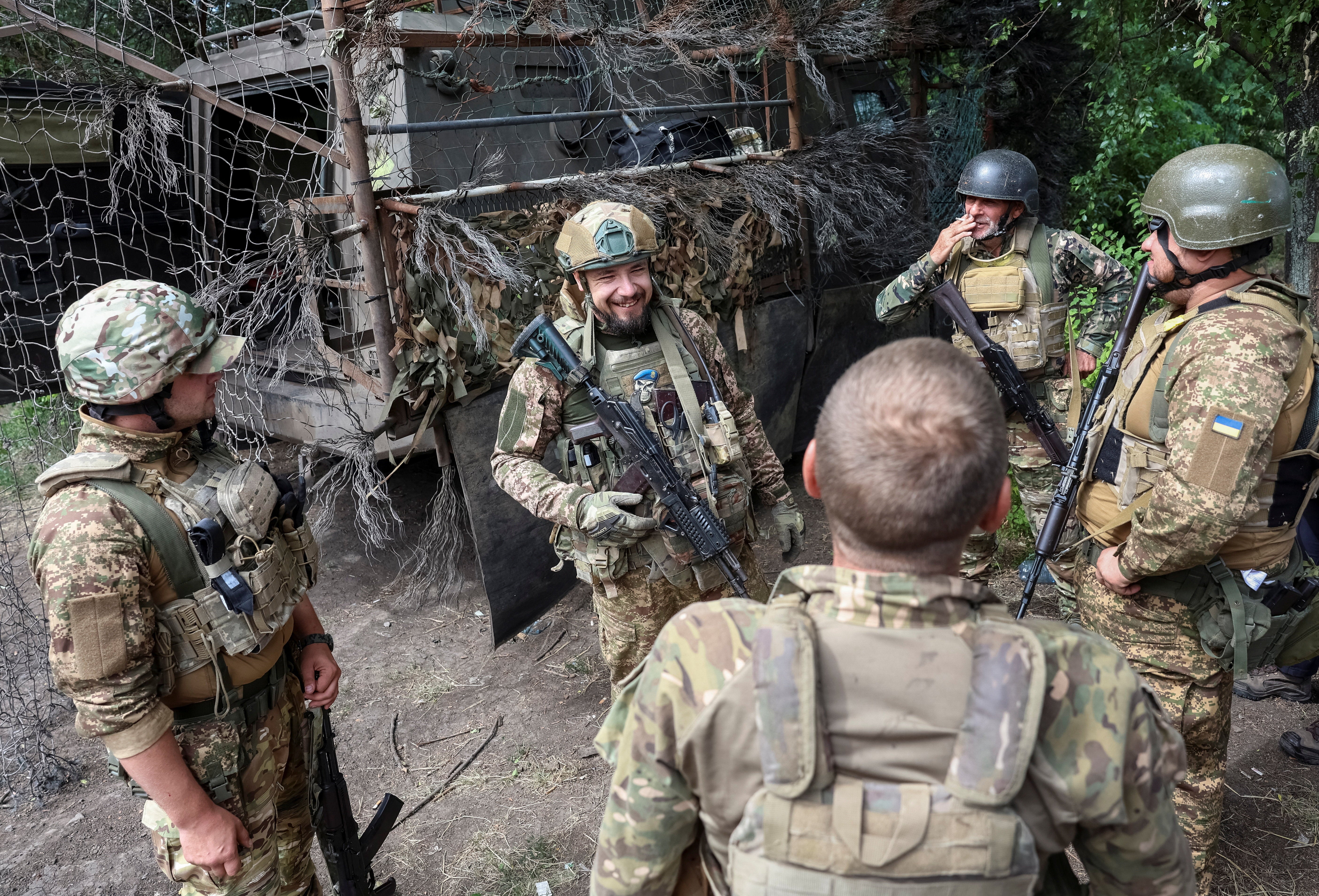
This is a world away from the opening phase of the war in 2022, where Russian forces gained from roughly 3,000 to more than 7,000 meters per day.
“Russian forces currently control about 118,000 square kilometers of Ukraine, including Crimea and the parts of Donbas held before 2022,” CSIS says. “Within that area, roughly 75,000 square km (about 12 percent of Ukraine) has been taken since the February 2022 invasion.”
Russian casualties mount in war of attrition
The Centre for Strategic and International Studies (CSIS) paints a bleak picture of Russian casualties.
Between February 2022 and June 2026, there have been as many as 450,000 Russian battlefield deaths and 1.4 million casualties, it says.
The UK’s biggest spy agency, GCHQ, has produced a similar figure. In May, GCHQ director Anne Keast-Butler said in her inaugural public speech that nearly 500,000 Russian soldiers had been killed.
The massive death toll is a product of several factors, including an attritional warfare strategy in which Moscow sends thousands of troops towards fortified Ukrainian defences, attempting to grind Kyiv’s forces down with sheer manpower.
Estimates by Russian military bloggers suggested that Russian troops in some areas of the Ukrainian frontline can expect to live for just 20 to 35 minutes due to rising drone attacks, as cited by Oxford historian Peter Frankopan in a report for Foreign Policy.
Meanwhile, Ukrainian president Volodymyr Zelensky said in February that Ukraine had lost 55,000 soldiers since 2022
But CSIS puts the figure higher than this, stating that between there have been 125,000 and 150,000 Ukrainian deaths out of between 525,000 and 625,000 total casualties.
Combined casualties in the war have now exceeded two million, CSIS said in its report.
Kyiv inflicts heavy damage on Russian economy
Ukraine has driven up its attacks on Russian territory with a series of short, medium and long-range strikes to destroy Moscow’s logistics and supplies.
The attacks have targeted energy infrastructure, industrial and military production bases, logistics targets including transport, and other military bases.
Although there is not an exact figure on how much damage has been inflicted on the Russian economy, there is no doubt it has been severe.
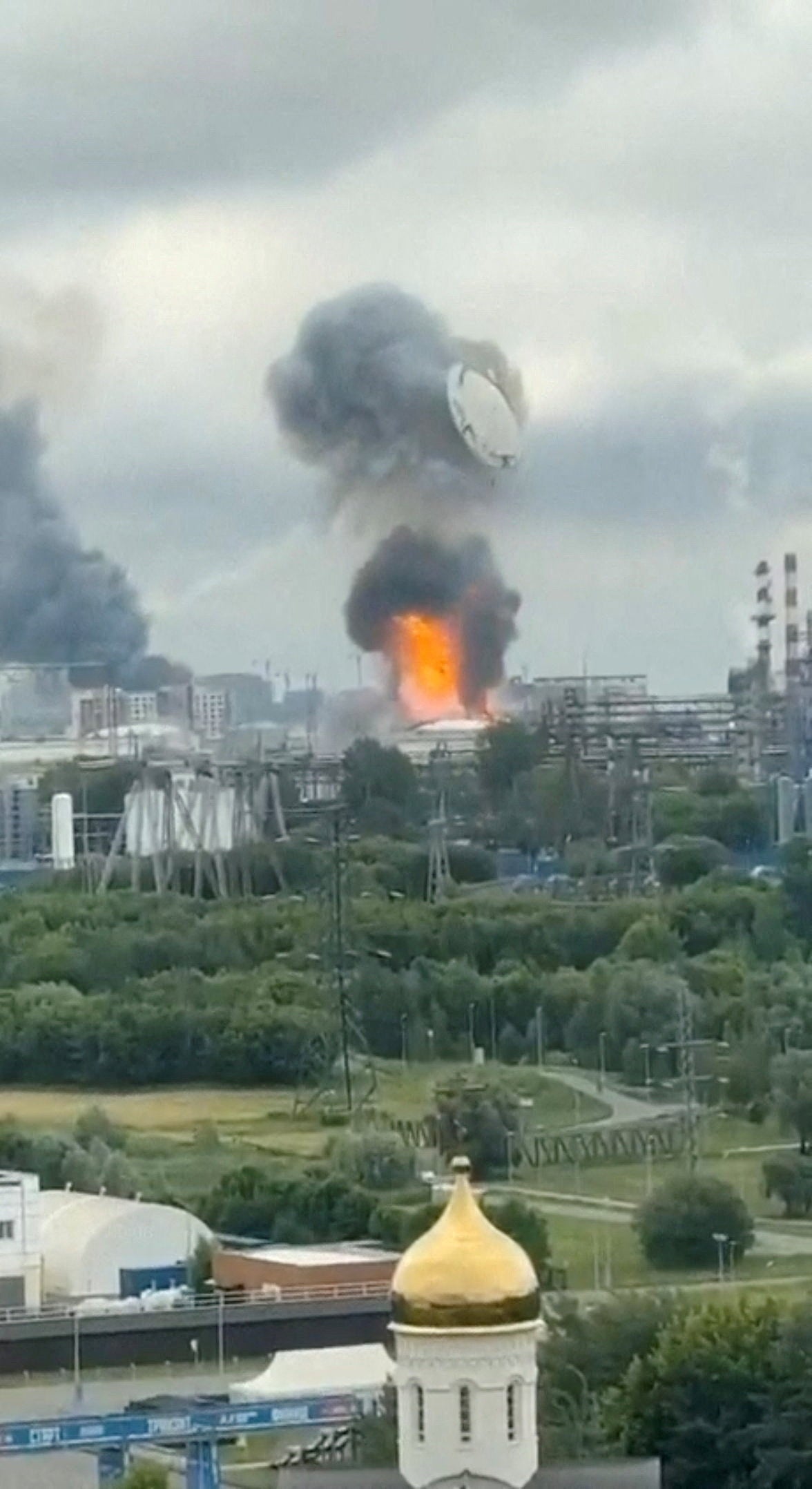
A senior executive at insurance broker Mains said that in 2025, Russia lost more than 1 trillion rubles ($12.9 billion; £9.7bn) as a result of Ukrainian strikes on oil refineries that year. In 2026, as Kyiv scales up its assault on the refineries, this number could significantly increase.
In Russian-occupied Crimea, Ukrainian strikes have caused a major fuel shortage.
Russians are becoming increasingly dissatisfied with the economy, with one-third having a negative view of Putin’s economic policies.
More than one-third of respondents believe the economy has deteriorated in the past three months, while one in five have a negative overall assessment of the state of the economy.
The most favourable view of the economy was among citizens aged 18 to 24 (82:18 positive-to-negative ratio), Moscow residents (67:33), high-income respondents (74:26), and consumers of traditional media including television, radio and newspapers.
Respondents with low living standards (34:66), those aged 45 to 65 (55:45), and those who consume non-traditional media, including YouTube channels (33:67), held the least favourable views on the economy.