



Slut. Slag. Bitch. Psycho.
I’d wager that every single woman has been called one of these names – or, indeed, all of them – at least once in her life. For many of us, it’s already happened by the time we get to our mid-teens.
Sometimes it’s people we know – classmates, boyfriends, “friends” who are just “having a laugh”. Sometimes it’s strangers – lobbed from car windows like verbal grenades as we walk home from the shops or, in more recent years, spat out online. Hidden behind an angry avatar, it turns out many men feel emboldened to spew bile and hurl slurs at women they don’t know from the safety of their keyboards.
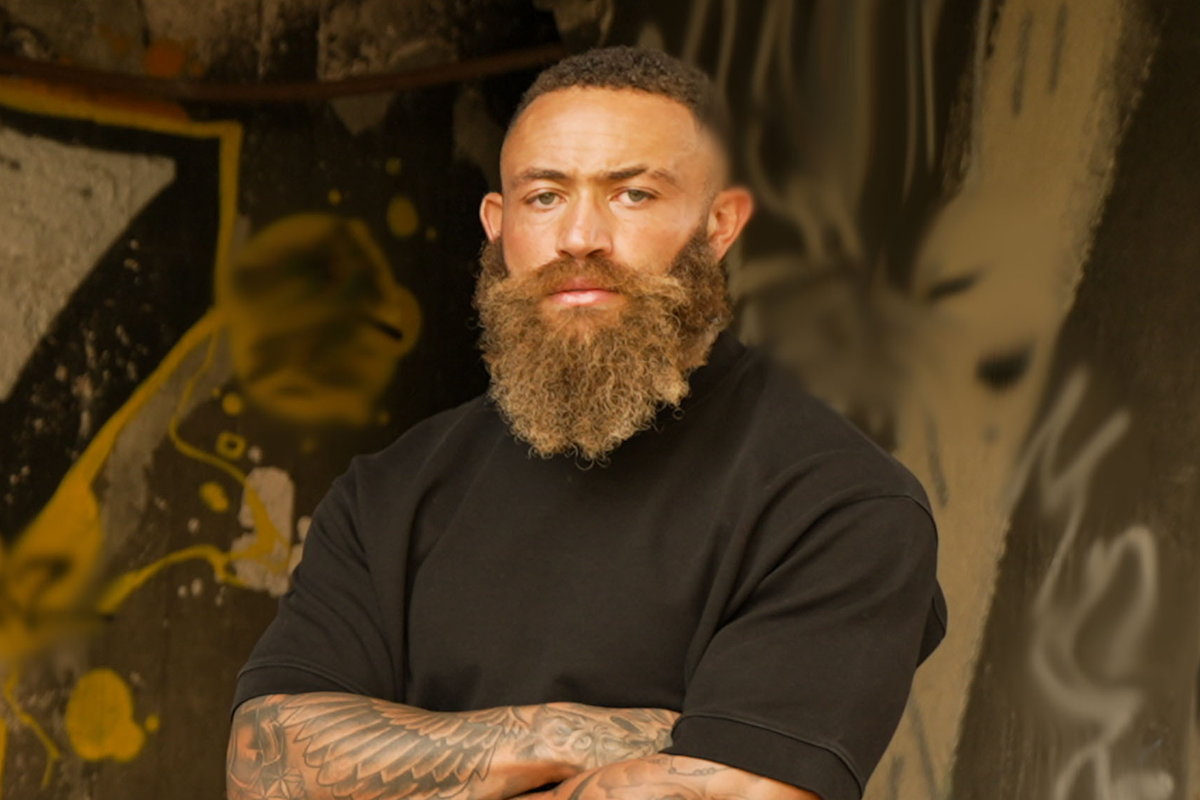
So it appears with Ashley Cain, the footballer-turned-reality star turned TV presenter, lauded by the BBC for his “exceptional” ability to connect with young, male audiences. His BBC Three documentary series, Ashley Cain: Into the Danger Zone, which sees him travel to the world’s most dangerous places to interview young men on the fringes of society, has already been commissioned for a second series.
But this touted “role model” for modern-day masculinity has a troubling history of making abusive and misogynistic remarks about women on social media, according to a report from The Guardian.
“The only thing that’s desperate around here is your pictures with your s*** tits. Now suck a d***, and f*** off,” he replied to one female X user in 2015 – one of a horrifying number of tweets to use derogatory and sexually degrading language. There are numerous jokes made about slapping and hitting women; the terms “slags”, “sluts”, “psychos” and “bitches” have all been used liberally by Cain on the platform formerly known as Twitter.

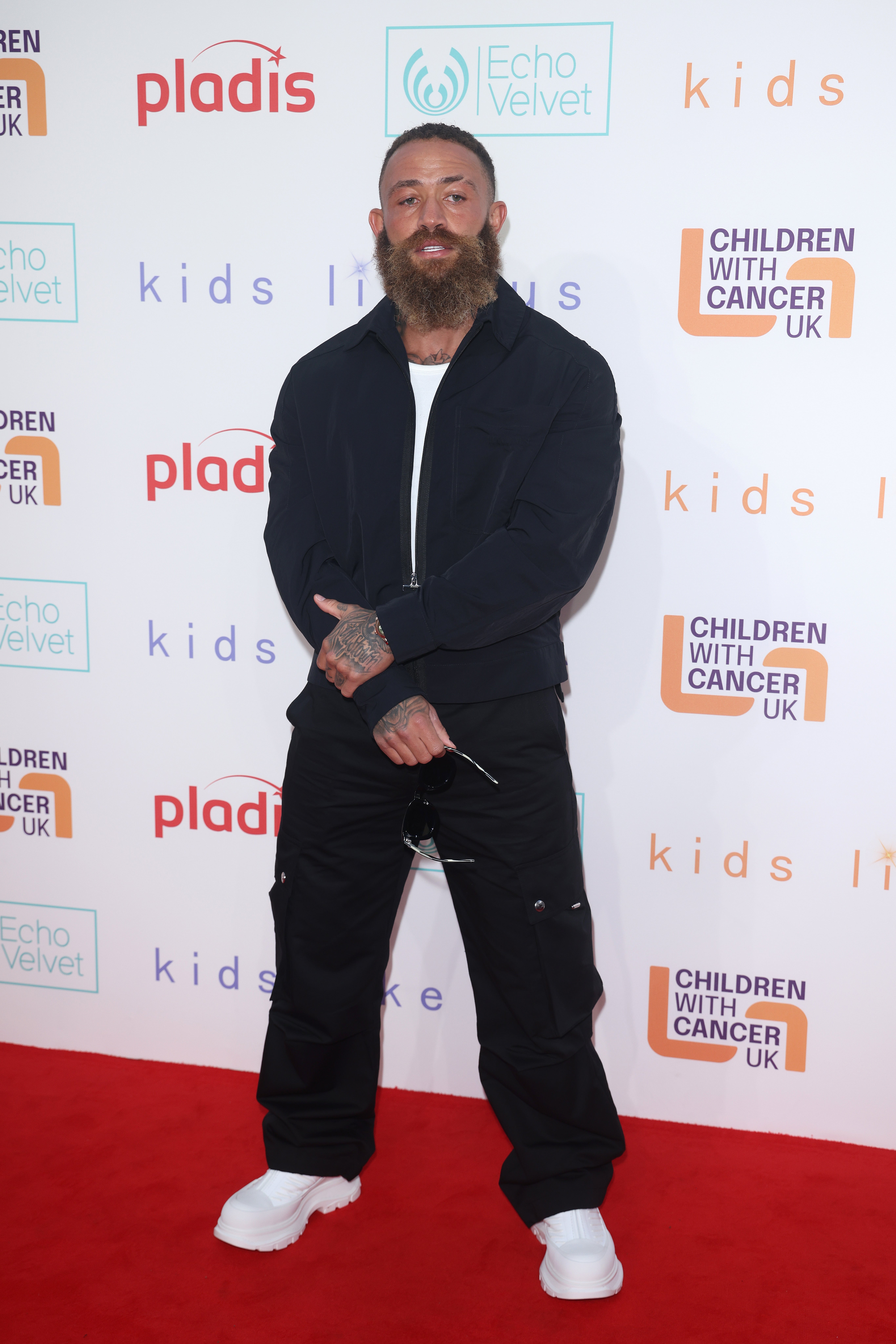
A BBC spokesperson gave The Guardian this cagey response: “We are very clear we expect the highest standards of behaviour from everyone who works with or for the BBC. When allegations are brought to our attention we take them seriously. We will consider this information carefully and do not intend to comment further at this stage.”
The Independent has reached out to those representing Ashley Cain for comment.
Whatever the truth of these allegations, Cain has hardly been hiding the problematic elements of his character in the last decade. He first made a name for himself on the MTV show Ex on the Beach; after getting kicked off early for twice attempting to attack male castmates, he took on the nickname “[the] bad boy of MTV”. Until Wednesday night, when it appeared that his page had been removed from X, the above-mentioned posts were reportedly all publicly available for anyone to view. A cursory online search also reveals a prominent accusation in 2015 that he uploaded footage of himself having sex with a woman to Snapchat without her consent (an allegation that Cain has always denied).
In fact, during a 2015 appearance on O’Brien, an ITV daytime talk show, Cain described himself as a “modern-day playboy” who slept with up to “15 girls a week, every week” and often filmed and uploaded footage of this onto Snapchat. But with the rank hypocrisy that so often typifies this type of toxic masculinity, Cain said: “I believe in respect and respect is mutual. If you are a lady, I respect you. But if you don’t respect yourself, how can you expect me to respect you?” His viewpoint on the matter was perhaps best summed up with this tweet: “A girl bangs 100 guys = Slag… A guy bangs 100 girls = Ledge.”


Watch Apple TV+ free for 7 day
New subscribers only. £9.99/mo. after free trial. Plan auto-renews until cancelled.
Try for free
ADVERTISEMENT. If you sign up to this service we will earn commission. This revenue helps to fund journalism across The Independent.
Watch Apple TV+ free for 7 day
New subscribers only. £9.99/mo. after free trial. Plan auto-renews until cancelled.
Try for free
ADVERTISEMENT. If you sign up to this service we will earn commission. This revenue helps to fund journalism across The Independent.
Sure, these tweets and comments aren’t recent – but Cain was 25 when he made them, more than old enough to know better. You’d have thought the BBC might have known better, too. Or these days, should we read “appeals to young, male audiences” as shorthand for “holds deeply misogynistic views about women and girls”?
Earlier this year, Louis Theroux’s Netflix show, Inside the Manosphere, gave a horrifying insight into the ever-expanding online world of toxic masculinity, where rage fuels clicks and clicks line pockets. Here, hate is a lucrative business, and plenty of savvy men have used this fact to their financial advantage. It’s not just the likes of Andrew Tate who have ridden this wave; hundreds more have followed in his wake, growing their followings on TikTok and Insta and YouTube and Twitch and becoming online “heroes” by pumping out grimly sexist content to shape the worldviews of impressionable young men and boys.
There are those on the more extreme end of all this, and then there are those who flirt with these damaging ideologies in a more subtle but arguably equally dangerous way. Take Steven Bartlett’s interview with Love Island contestant turned YouTuber and podcaster Chris Williamson last year; it zeroed in on the birthrate decline and appeared to blame it on modern women’s “anti-family” sentiment. (For “anti-family”, read: pro-having a career, independence and equality.)

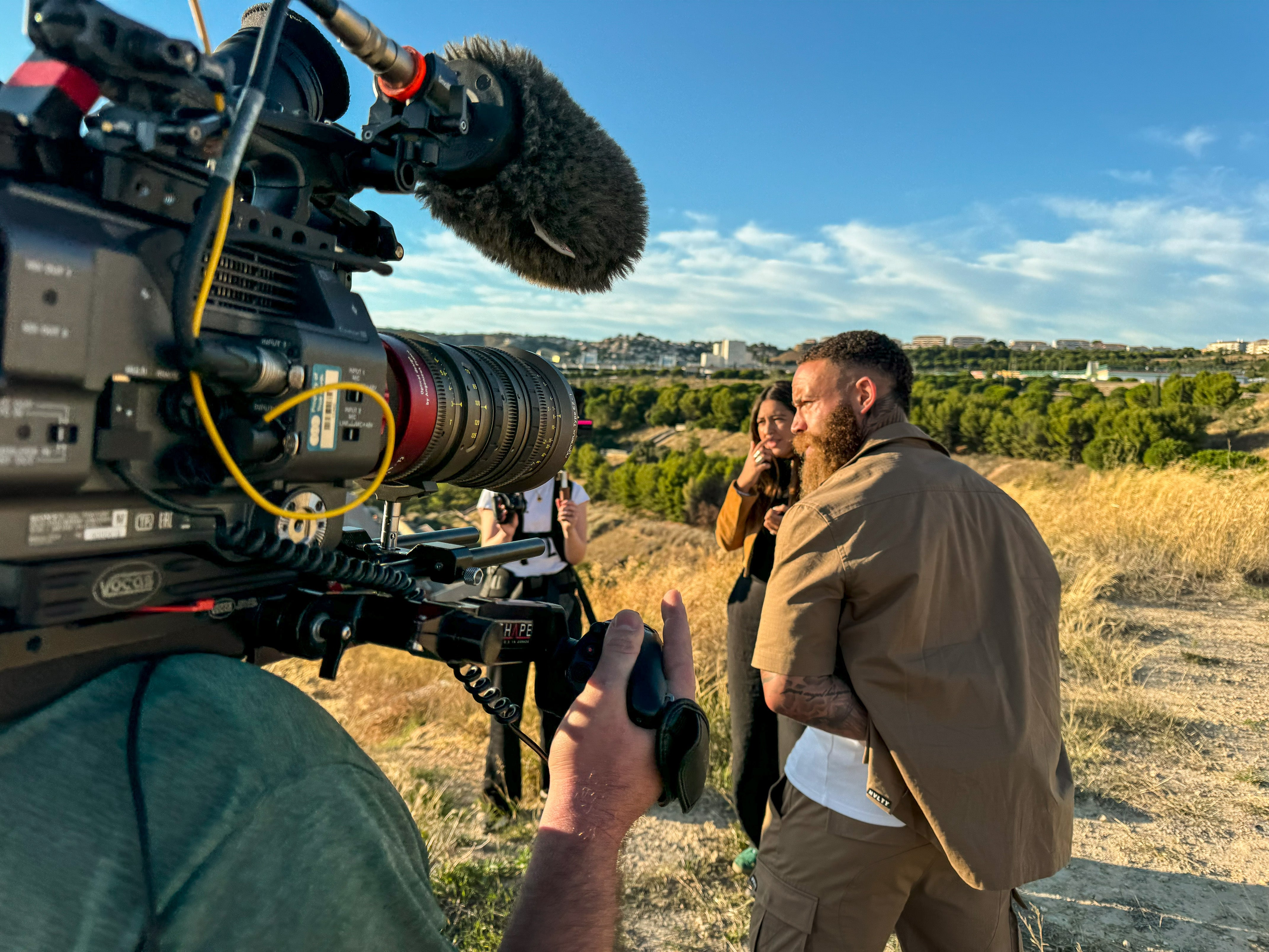
Perhaps all this is to be expected in the wild west of social media. But it’s a truly depressing state of affairs when even our most prestigious broadcaster is also platforming people with toxic, hateful views as champions for young people to look up to. In addition to fronting his documentary, Cain also appeared as a contestant on the BBC’s Celebrity MasterChef in 2025. How can this kind of mainstream endorsement not legitimise Cain’s historically problematic attitudes towards women?
Somewhere along the line, we created a vacuum of true role models for boys to follow. It begs the question: if these are the kind of men being held up as idols, what hope is there for the next generation? How are boys expected to learn to treat girls as fully-fledged, three-dimensional human beings worthy of respect when this is the example they’re being set?
It would be easy to dismiss Cain’s language as not such a big deal – an ill-judged, youthful mistake. We’ve all made those, right? But those attitudes don’t just melt away. And words hold power; they really do. I find it hard to believe that Cain’s, all slurs designed to shame women, never men, were an accident.
Ask any woman if she can remember being called a “slut”, and I bet the memory is seared onto her brain. Maybe she was 14, already feeling uncomfortable in her too-tight school uniform on the way home when someone shouted it from across the street. Maybe she was in her twenties, mid-argument with her boyfriend when he lashed out with the one word he knew would knock the wind out of her. Yes, the injury may diminish over time – a knife wound downgraded to a papercut – but it never goes away completely.
Cain may very well have an “exceptional” ability to connect with young men, but it’s for all the wrong reasons. If the BBC can’t see that, it’s bad news for everyone.

