






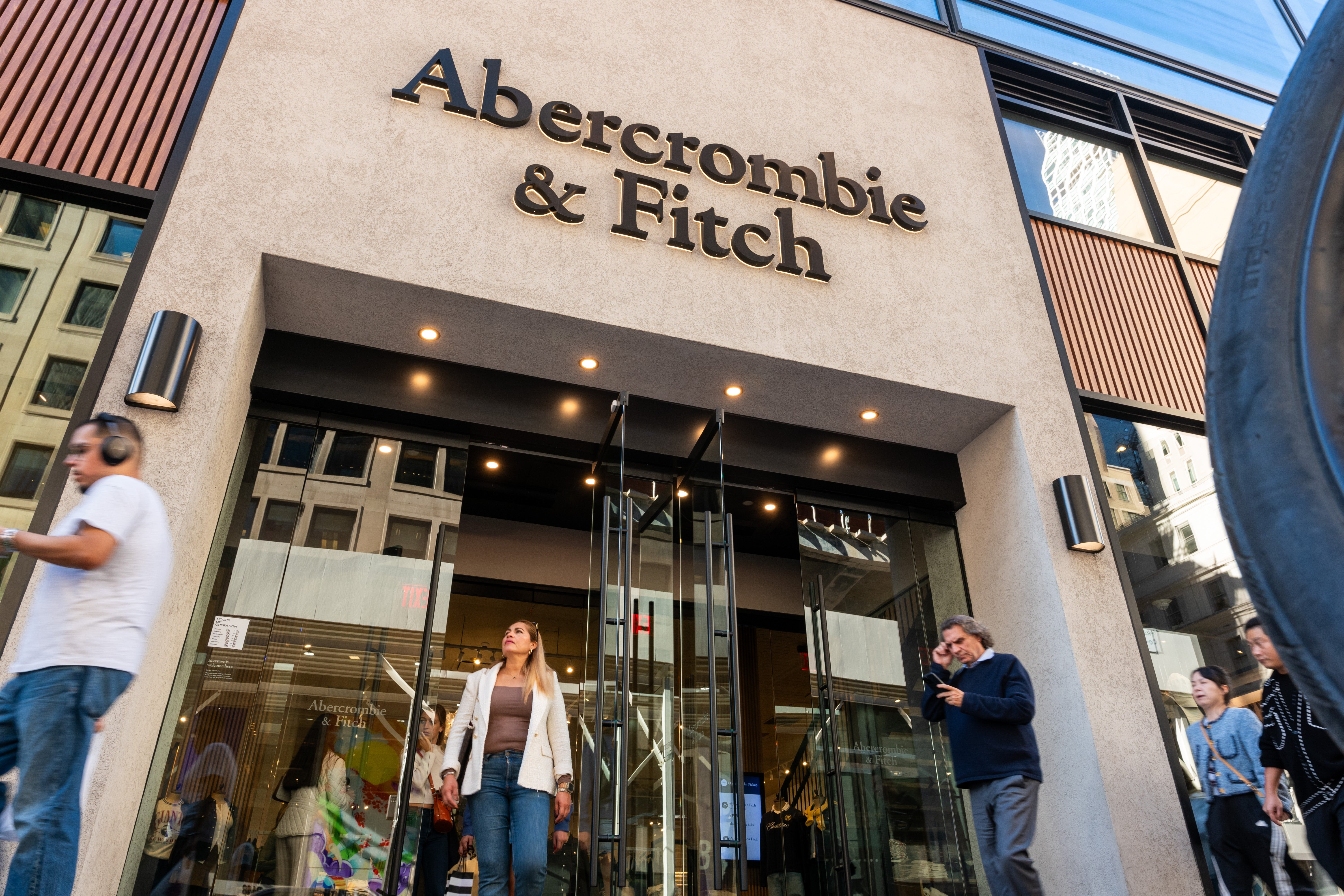
Abercrombie & Fitch is adding third-party brands for the first-time in the store’s history, the company said Wednesday, as it tries to jumpstart growth after a sales plateau.
The brand, which is popular with young millennials, will add footwear and, in some cases, clothing, from Puma, Frye and several others to its shelves, according to managing director Melissa Worth.
“So someone that could be looking for Puma or Frye, they come in … they’re excited to see these offerings, they purchase one of these, as well as an outfit from us, and that’s the goal in terms of how we’re looking to bring it all together,” Worth told CNBC Wednesday.
While Abercrombie & Fitch saw sales soar by 98 percent during the pandemic under CEO Fran Horowitz’s customer-focused leadership, they have dropped 7 percent in the past fiscal year, Retail Dive reported in March.
The U.S. brand faces tough competition from Canada’s Aritzia, which saw its comparable sales figures jump 28 percent in its most recent fiscal year, a May company statement said. Aritzia has locked down footwear partnerships with G.H. Bass, Nike and Sperry over the past two years.

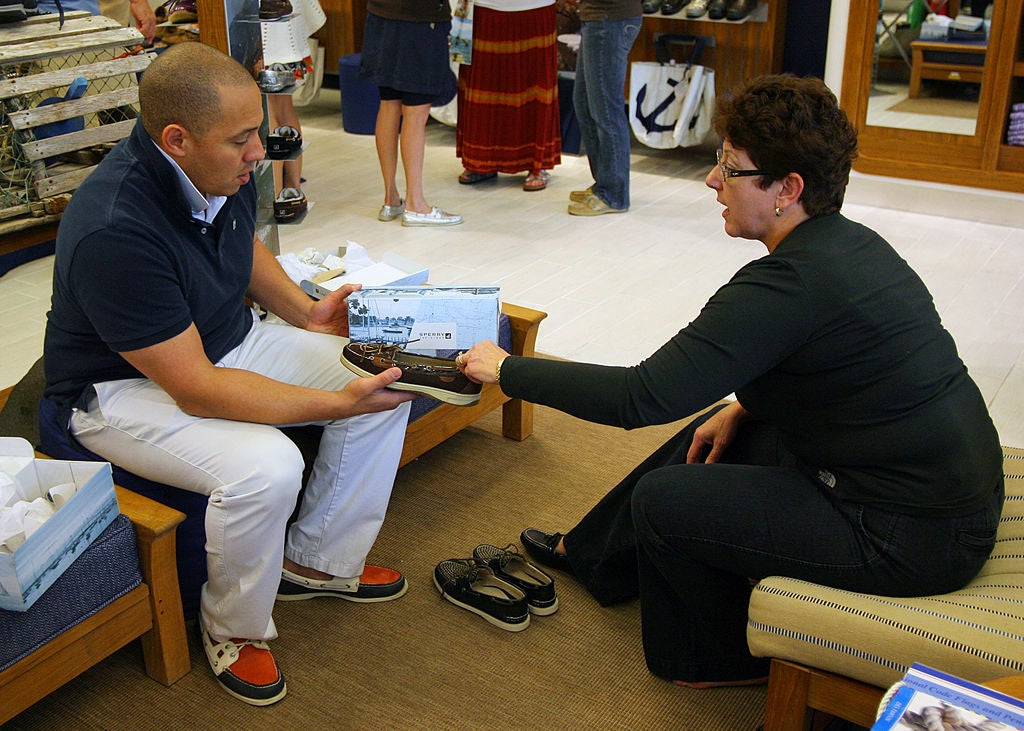
Abercrombie took its first step toward third-party collaboration in April when it brought five exclusive Sperry footwear styles and six clothing items to stores through a new partnership.
“Our customers are increasingly looking to us for a complete wardrobe, and footwear is an important part of that,” Abercrombie Chief Product Officer Corey Robinson said in a press release.
Footwear from Frye, Hunter, GH Bass and Puma is also available at Abercrombie’s brick-and-mortar and online stores.
The brand’s new three-story store in New York City’s SoHo neighborhood, which opened June 5, will sell items from its third-party partners and a “first-ever” accessories section. Both offerings are meant to meet the needs of the modern customer’s “multifaceted life,” Robinson said in a statement.
The fashion retailer’s attempts to keep existing customers and woo new ones through a more diverse product line might have come at the right time, not just because of the competition it faces but because consumers are becoming more discerning about where they spend their money.

The global secondhand market is thriving, growing at twice the rate of the wider apparel market, according to a 2026 industry report from secondhand marketplace ThredUp. Some 59 percent of consumers say they shopped secondhand items in 2025.
“Economic pressure is accelerating adoption, embedding resale into both consumer behavior and retailer strategy,” the report said.
High gas prices and inflation that’s risen to a three-year high are also pinching wallets. Consumers are cutting back in multiple areas such as subscription services and car maintenance to make ends meet.
Data analysis and consultancy firm McKinsey predicted in November that the global fashion industry would see low single-digit growth, and that the U.S. market would not keep pace with 2025 growth figures.


