


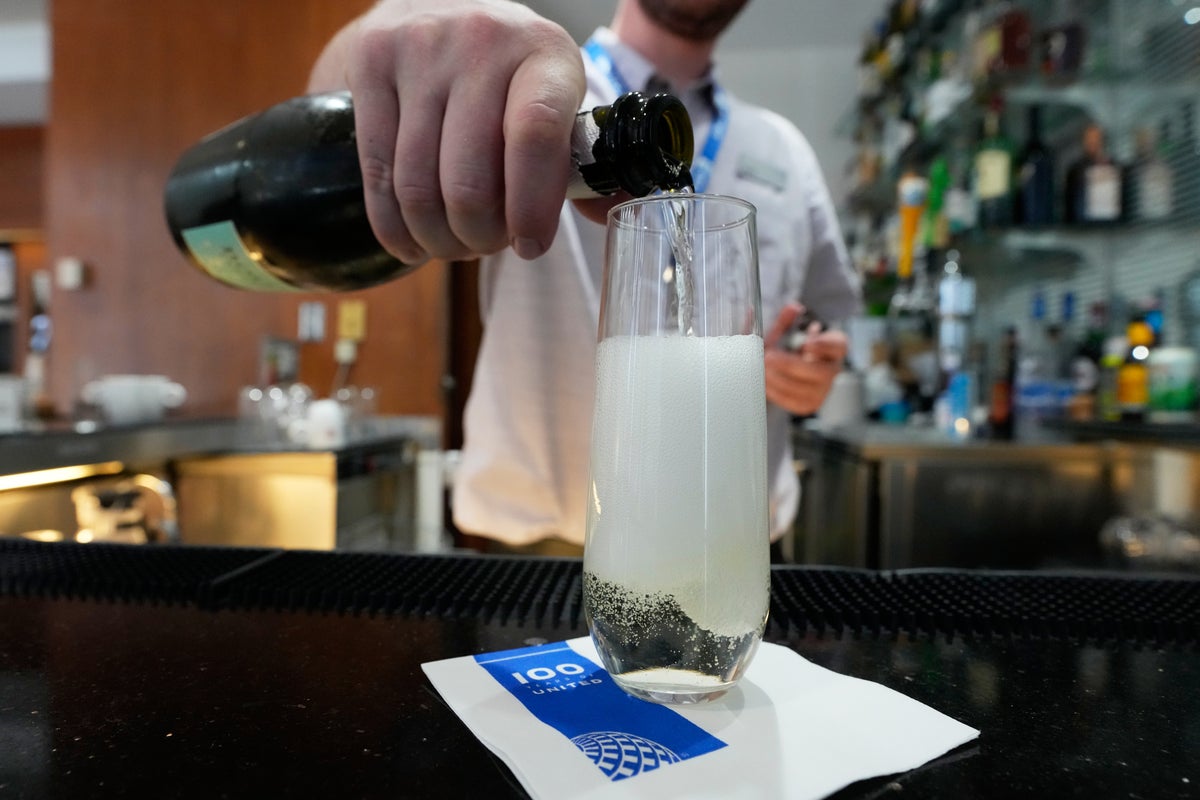
The experience of air travel has become a tale of two journeys, starkly divided between those who glide through priority lanes to exclusive lounges and those who navigate endless queues and cramped spaces.
While one passenger sips champagne in a spacious, lie-flat seat, another hopes for overhead bin space before folding into a middle seat, their comfort a distant luxury.
This growing disparity is no accident. Since the COVID-19 pandemic, major U.S. airlines have aggressively pursued premium passengers, those willing to pay significantly more for comfort, convenience, and exclusivity.
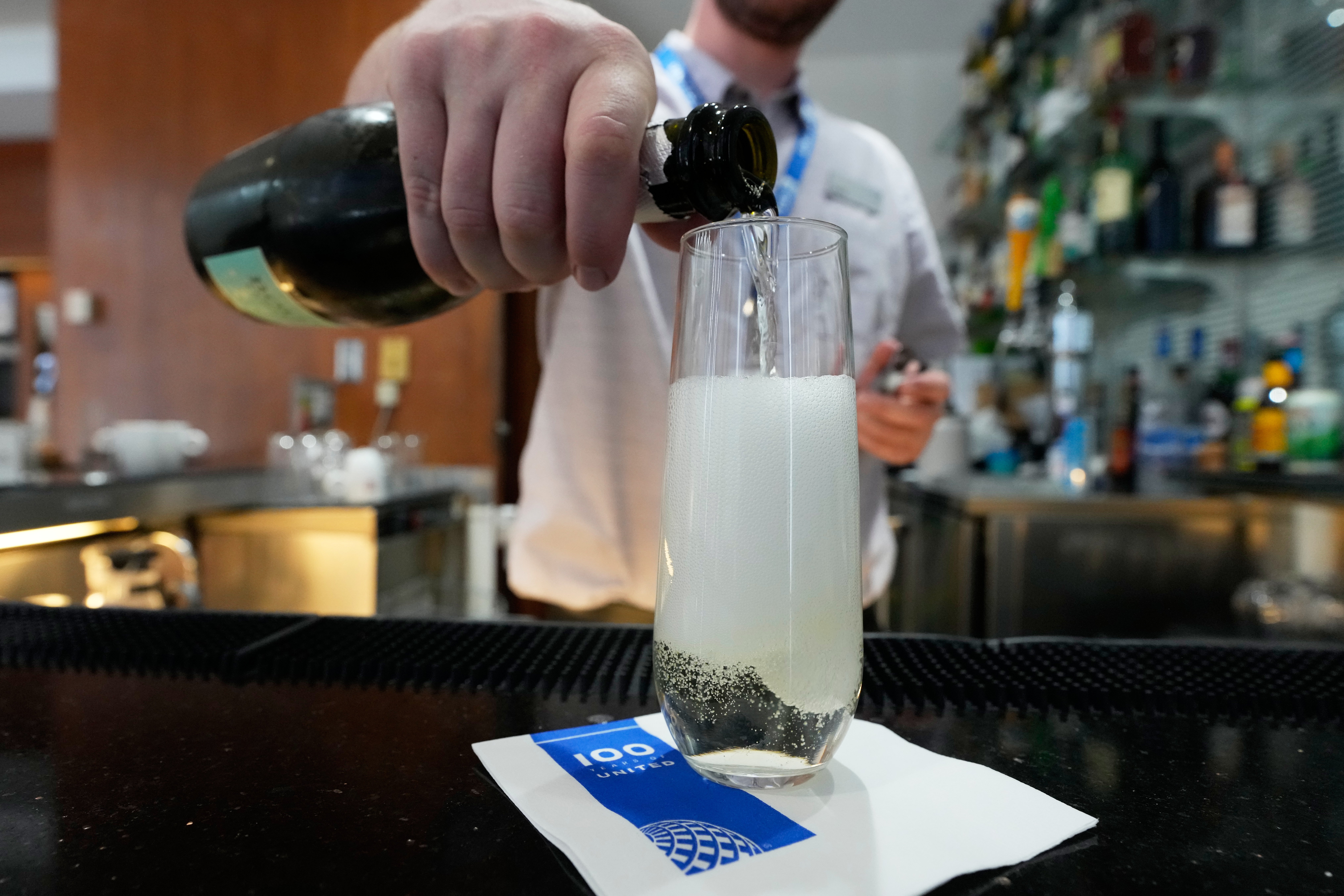
This strategic pivot means budget-conscious travelers are increasingly witnessing a widening chasm between the front and back of the aircraft, as carriers reorient their business models around first-class, business-class, and premium-economy offerings.
“We can’t win by trying to provide the cheapest. We have to be able to win by providing the best,” Delta Air Lines CEO Ed Bastian recently stated in a Fortune podcast.
This sentiment is echoed by rivals American Airlines and United Airlines, who are reconfiguring aircraft, designing new fleets with larger premium cabins, and investing billions in amenities that extend the top-tier treatment beyond the flight itself.
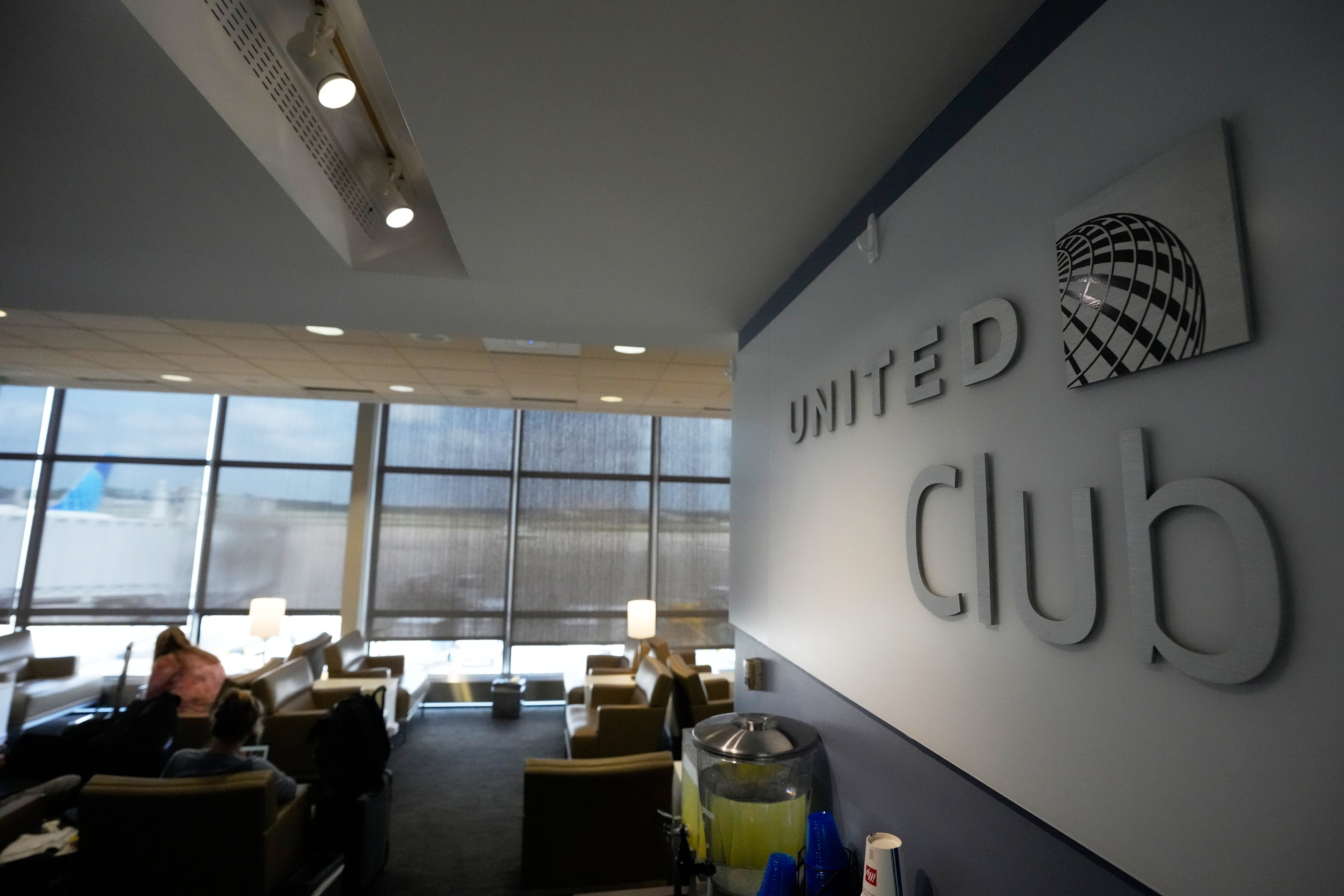
However, United CEO Scott Kirby has pushed back on the notion that the industry is solely chasing big spenders. He argues that United’s premium investments are part of a broader strategy to enhance the experience for all travelers, citing initiatives like seatback entertainment and improvements to the airline’s mobile app.
“We’re investing nose to tail for all customers,” Kirby said last month on Morgan Stanley’s Exceptional Leaders podcast.
The shift towards premium cabins as airlines’ most valuable real estate has evolved over time. Historically, airlines often offered free upgrades to loyal frequent flyers.
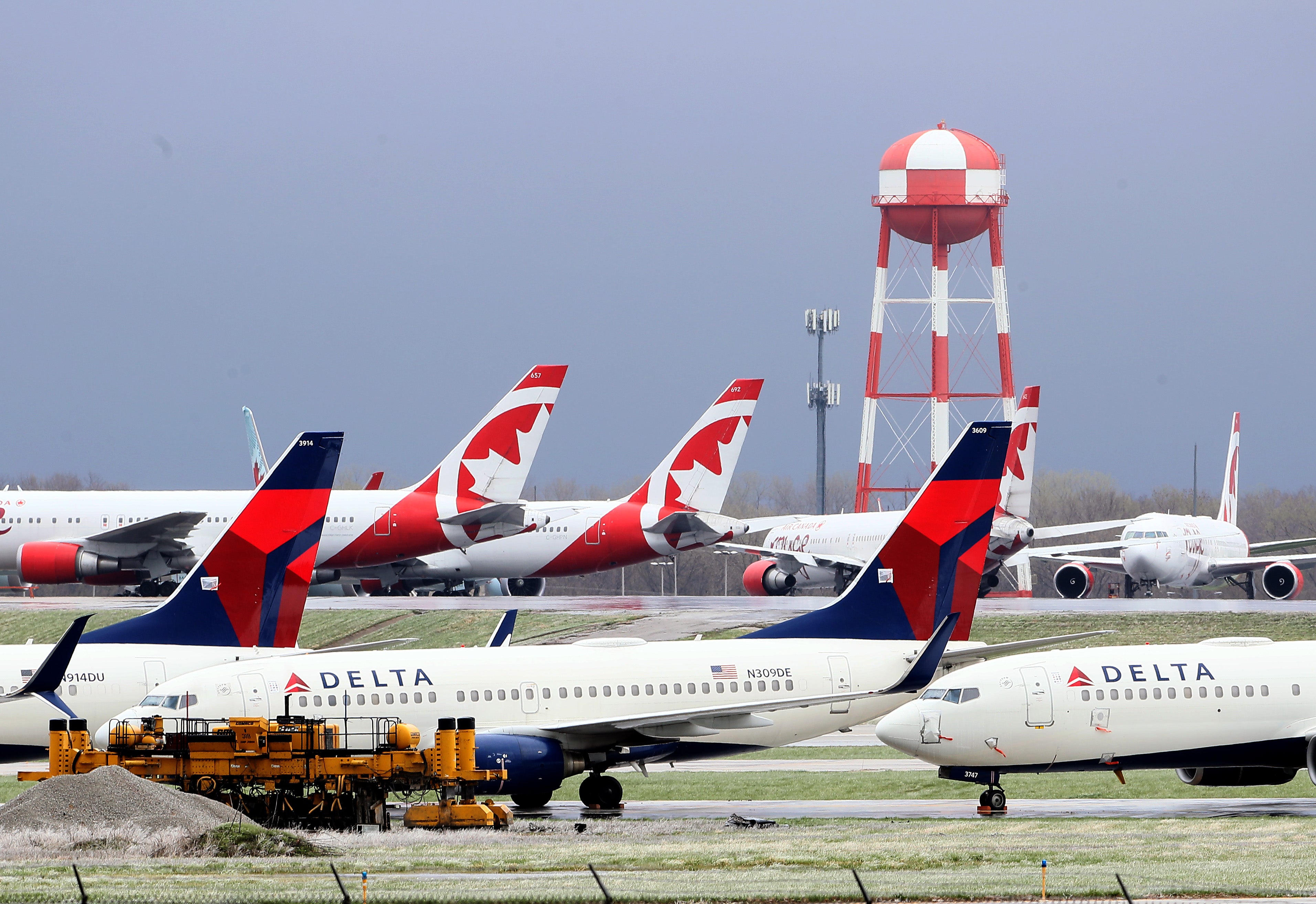
Delta, however, began to redefine this in the early 2010s by using sophisticated pricing tools to sell more of these premium seats to coach passengers willing to pay a little extra, according to Henry Harteveldt, president of travel advisory firm Atmosphere Research Group.
This strategy uncovered an untapped demand, encouraging more travelers to upgrade and setting the stage for today’s broader premium push.
“Travelers could and would pay for noticeably more comfort, noticeably better service, noticeably more amenities, if the price was right,” Harteveldt explained.
The pandemic further solidified this trend. When business travel plummeted, leisure travelers proved eager to splurge on premium seats and perks, convincing airlines that demand extended beyond traditional corporate road warriors.
This confidence has only intensified, with premium demand now a regular highlight in quarterly earnings calls. “When you think about what’s different and what’s changed over the last 10 or 15 years, the premium products used to be loss leaders, and now they’re the highest-margin products,” former Delta President Glen Hauenstein remarked last summer.
“That’s really the headline.” Analysts note that premium cabins, including the expanded premium economy with more legroom and amenities at a lower cost, now generate a disproportionate share of airline revenue compared to the space they occupy.

On busy transatlantic routes, business-class tickets can yield nearly as much revenue as all fares and fees from the much larger economy cabin, a McKinsey & Company analysis found.
The “premiumization” of air travel is now unmistakable, even for those who only glimpse it through an airport lounge door. Delta’s new first-class lounges resemble upscale restaurants, featuring open kitchens, craft cocktail bars, soundproof relaxation pods, and outdoor decks overlooking the tarmac.
American has refreshed its premium cabin menus with “globally inspired dishes,” partnering with the James Beard Foundation, and redesigned its newest Boeing 787-9 Dreamliners with individual business-class compartments, lie-flat seats, and amenity kits including celebrity facialist brands.
United’s latest business-class cubicles boast oversized 27-inch entertainment screens, caviar service, luxury skincare products, and multi-course dining on long-haul international flights.

“Marie Antoinette would feel very comfortable on any of the big three airlines these days,” commented William J. McGee, senior fellow for aviation at the American Economic Liberties Project. “But instead of saying, ‘Let them eat cake’ in the back of the plane, she would say, ‘Let them eat Biscoffs.’”
The airlines’ pursuit of higher-paying passengers shows no signs of slowing. Delta’s next-generation Airbus A350-1000 aircraft, arriving in 2027, will dedicate nearly half its cabin to premium seating. American plans to expand its premium cabins by 50% by the end of the decade.
Yet, this era of luxury in the skies unfolds against a challenging backdrop for other U.S. travelers. Broader inflationary pressures have strained household budgets, leading to “sticker shock” for many, as New York-based travel advisor Mary Auteri notes.
Rising jet fuel costs, exacerbated by global conflicts, have pushed up fares and add-on fees. A group of friends recently found what appeared to be cheaper flights to Punta Cana online, only to discover they were basic economy tickets that excluded seat assignments, checked bags, and flexibility.
Once these costs were factored in, the trip became unaffordable.
Checked-bag fees, seat-selection charges, and other add-on costs disproportionately affect economy travelers. For wealthier passengers, these might be minor inconveniences, but for budget-conscious individuals, they can determine whether a trip is even possible.
“The idea that we’re all created equal? Not in the airlines’ eyes,” McGee concluded. “Not by any means.”