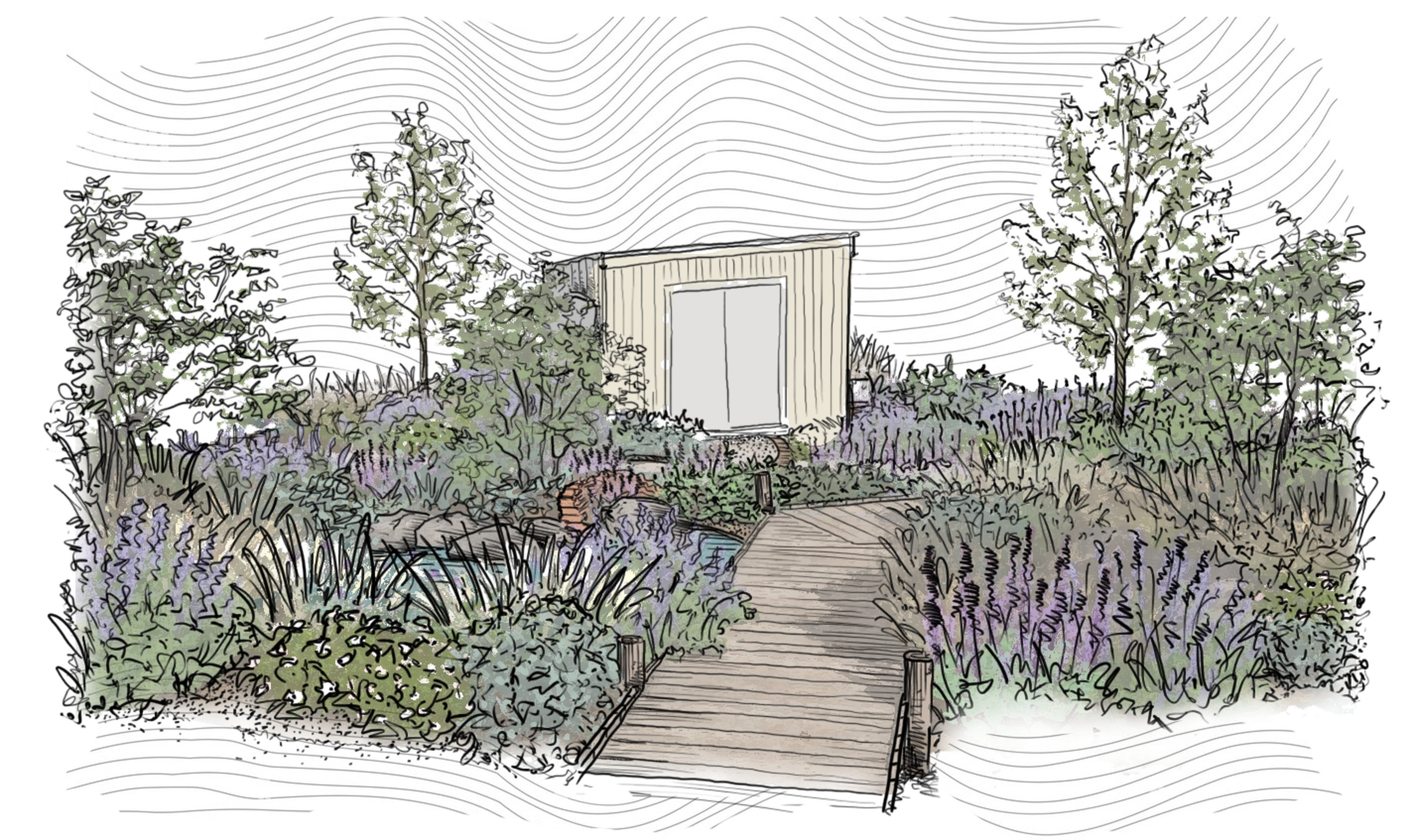
Norfolk is set to host its inaugural RHS flower show, featuring a unique garden dedicated to amphibian life, affectionately named ‘Pollywiggle’.
Designed by multi-award-winning Norfolk duo Joe and Laura Carey of Carey Garden Design Studio, The RHS Pollywiggle Garden offers innovative ideas for cultivating spaces where water-loving wildlife can thrive in hot weather.
Lush, naturalistic planting, with moisture-loving trees, grasses, and perennials, encircles a pond, creating vital habitat for tadpoles, frogs, and newts, while maintaining a curated aesthetic.
A boardwalk guides visitors through areas of wet ground, demonstrating how water can be embraced as an asset in gardens.
Post-show, the garden will relocate to Pensthorpe Nature Reserve, Norfolk, transforming into an interactive wildlife education garden.
So, why are frogs important in our gardens?
“One of the best attributes of a frog is that they eat slugs, so they are really good at keeping a healthy balance of insects and slippery friends in the garden,” says Joe. “They help maintain that balance of biodiversity.”
Using wildlife to manage wildlife, without introducing chemicals such as slug pellets, will help to disrupt chemical damage inflicted on our food chain further up, he notes.
They’re a water indicator
“Frogs are a good indicator of whether you have water in your garden. Having enough water in your garden is a bit like the canary in the mine. If you find that you have a standing-water feature that has dried out, that’s going to be your first indicator that there are other things in your garden which will be suffering.
“Introducing water in your garden is a really good way of having that first signal that maybe you’ve seen really lovely weather and you haven’t noticed that the rest of your garden is really struggling, because you’ve lost your water source.
“It’s a really good way to get a sense of whether your garden is struggling with drought.”
How to attract frogs into your garden
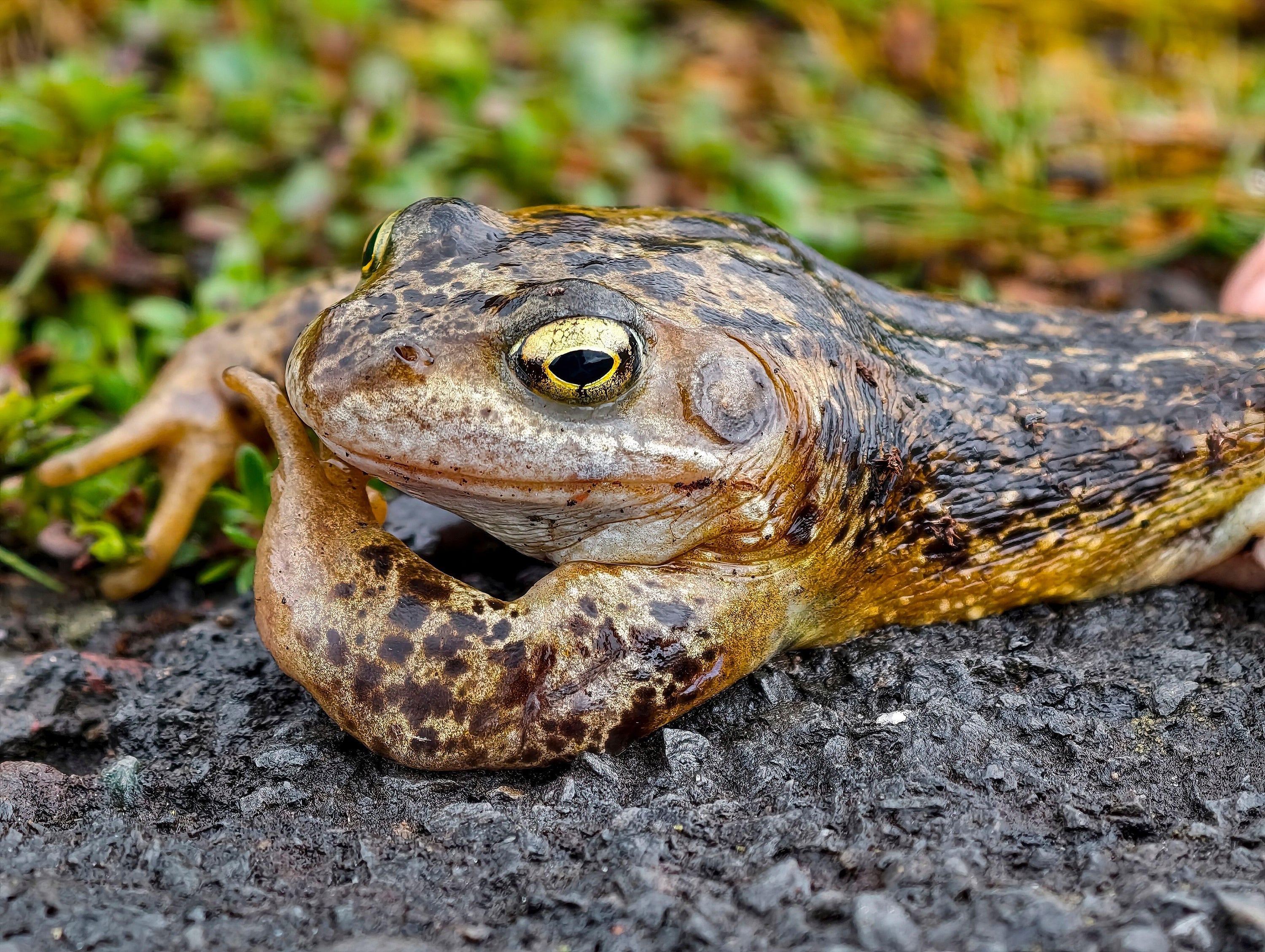
There are ways to attract frogs into your garden, even in smaller urban spaces, he says.
If you’re not adding water to your garden…
“Leaving areas that can stay damp and shady is the number one option, especially if you’re limited on space. It doesn’t need to be fast swathes of uncut grass or meadows.
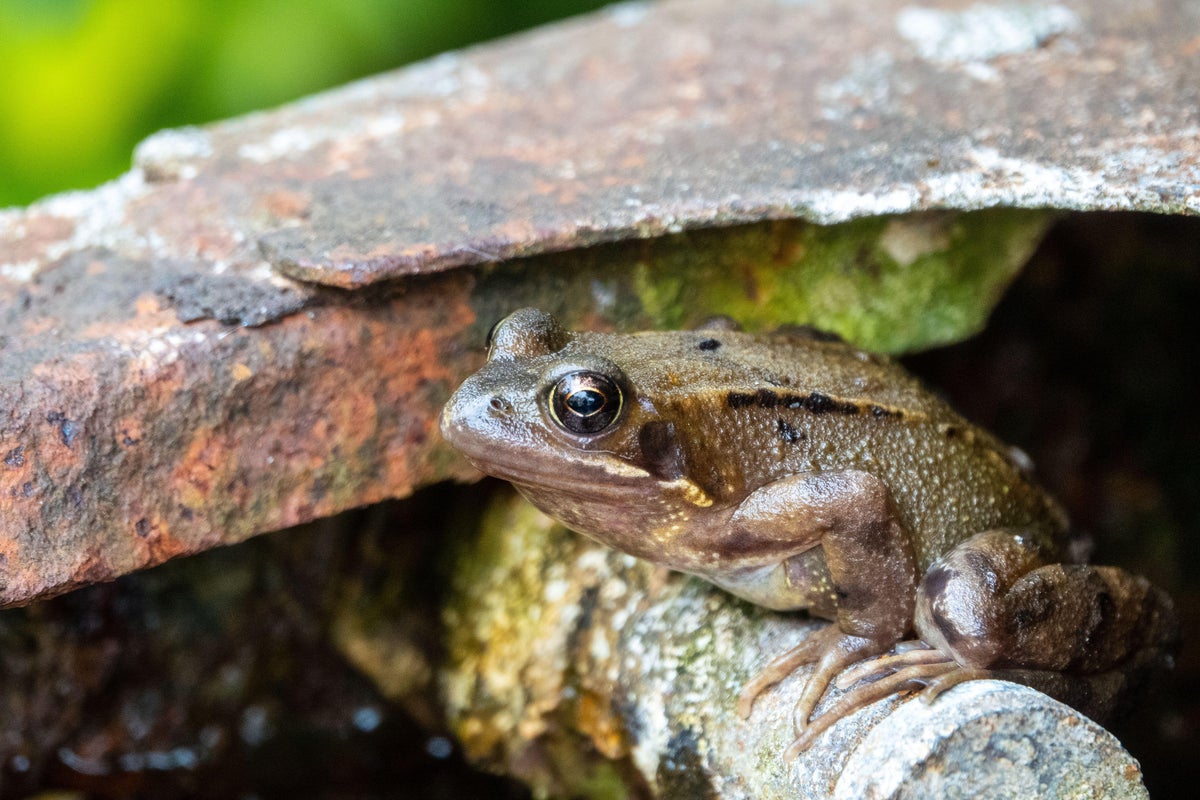
“It can be as simple as a pile of things like roof tiles, which create really nice thin crevices for frogs, which can fit into surprisingly small spaces.”
“One of the big killers of frogs is a sudden heatwave,” he warns, but you can take measures to help them without introducing more water to your garden.
“Use broad-leaved plants which provide shelter and low-growing plants,” he advises. Hostas, lilies, sedges, water irises, marsh marigolds and ferns will all be of benefit.
“Frogs also like to be under rocks and things like that. So a simple stack of bricks or roof tile or logs can be done in a very decorative way. It doesn’t need to look unkempt or untidy.
“Leaving areas of the garden for wildlife to use as their home, particularly in the warmer months heading into the summer, if you have those spaces available, that’s going to help frogs survive the kind of up and down nature of our British weather.”

If you have room to add water…
“Frogs like varying depths of water, so if you’re just going to have a shallow tray of water, that’s fine, but they need some stones in there so they’re able to get out. That can be just standing water that you top up as the tray dries out.
“It could be rain collection, in a simple bowl, or it could be something that you collect off the gutters. There are lots of options.”
You could also create a simple soakaway, reusing grey water from, say, washing your gardening tools, and diverting it away from the drain into a soakaway area which will then be a magnet for frogs and will soak away maybe into a border.
It might be something as simple as burying a bucket with holes punched in the bottom, filled with aggregate or pebbles right to the top. Drain your grey water into that which will soak away into the land but in the meantime will capture water which will be enjoyed by frogs, he suggests.
Install a pond
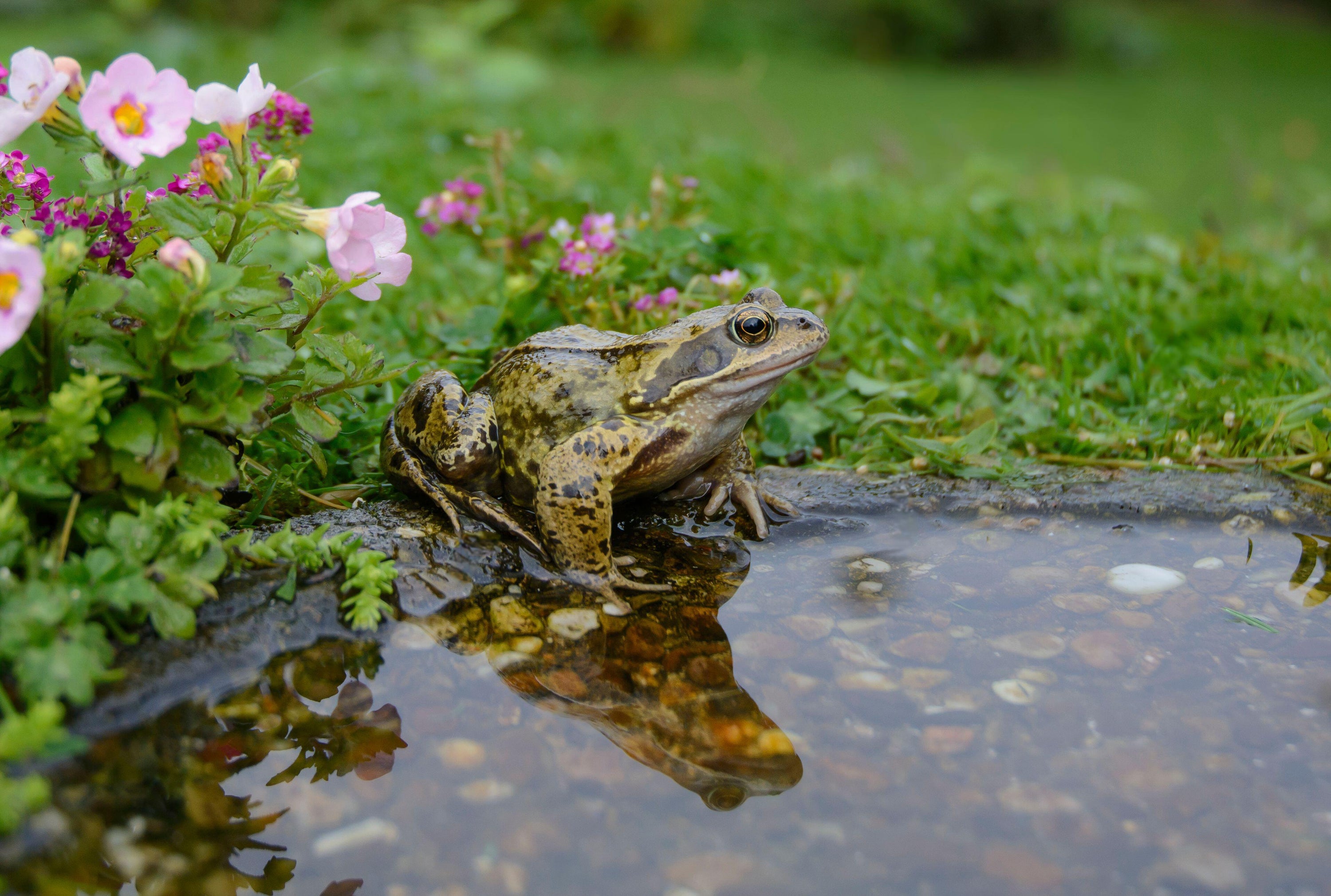
“Installing a pond doesn’t have to be as grand as it sounds,” he insists.
“It could be a ground level stepped hole with either some liner, or if you’ve got a particular area in the garden that isn’t particularly free draining, you might find that it holds water naturally, although you may have to top it up in high summer.
“The presence of a pond will almost definitely guarantee you frogs. It won’t guarantee you frog spawn, but it will almost certainly bring amphibians into your garden, because that’s what they’re looking for.”
RHS Sandringham Flower Show runs from July 22-26.