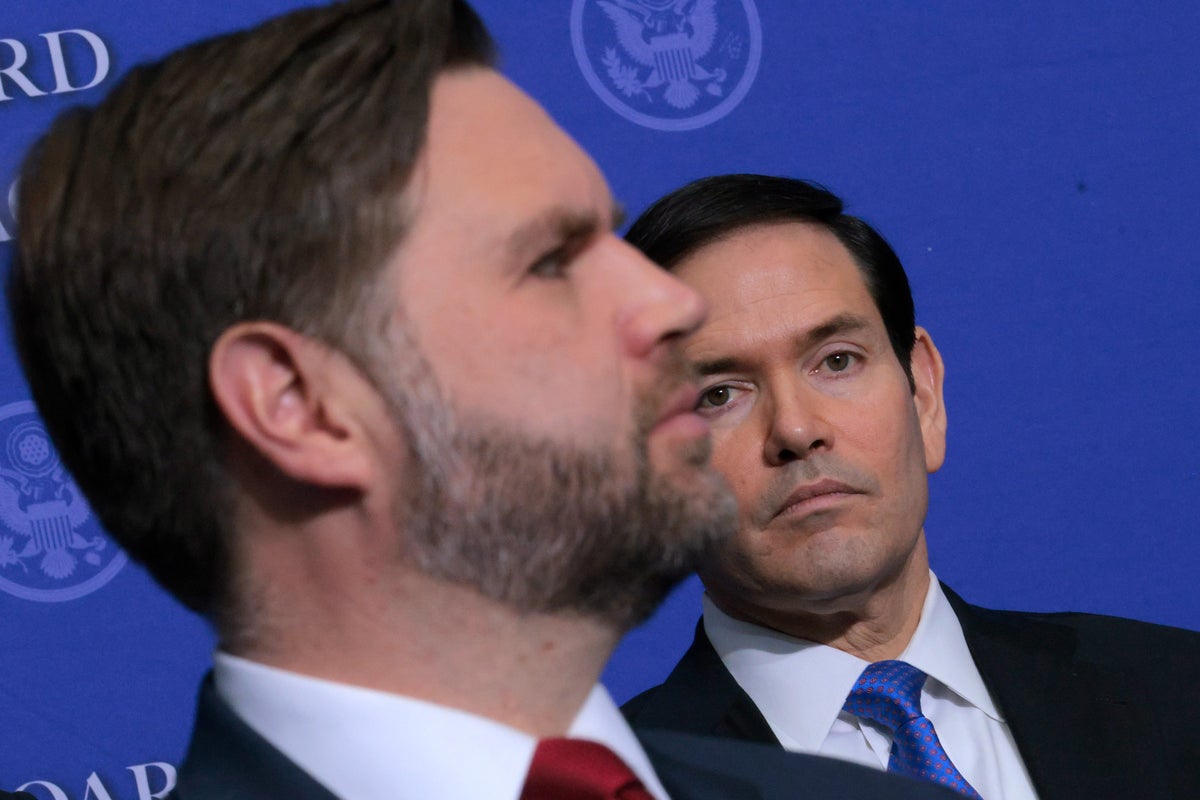
Secretary of State Marco Rubio has opened a commanding lead over Vice President JD Vance as Republicans’ preferred candidate for 2028, according to a new poll, which is bound to intensify speculation around President Donald Trump’s preferred successors.
An AtlasIntel survey conducted in early May found that 45.4 percent of GOP respondents would back Rubio in a primary contest, highlighting his rise to prominence during the second Trump administration. Vance, who had outpaced Rubio in earlier polling, placed second with 29.6 percent.
Other potential contenders lagged much further behind, including Florida Governor Ron DeSantis at 11.2 percent, Ohio gubernatorial candidate Vivek Ramaswamy at 1.4 percent, and Texas Governor Greg Abbott at 0.7 percent.
The former Florida senator also outperformed the vice president in terms of overall public perception.
Among all respondents, 51 percent viewed Rubio unfavorably, while 46 percent held a positive opinion. In contrast, Vance’s ratings were more negative, with 58 percent expressing an unfavorable view and 37 percent favorable.
The poll, fielded May 4-7, sampled 2,069 American adults, and it has a margin of error of plus or minus 2 percentage points.
During the 2016 election, Trump derided Rubio as “Little Marco,” but since the president returned to office last year, Rubio has emerged as a central figure in the administration. He now holds the dual roles of secretary of state and national security adviser — positions last combined under Henry Kissinger.
Last week, Rubio drew praise from GOP officials and conservative media after a White House press conference in which he outlined the administration’s foreign policy agenda, while striking a less combative tone with reporters than other administration officials.
Meanwhile, Vance has faced a series of setbacks. In April, he took part in peace negotiations aimed at ending the Iran conflict, which collapsed within a day. That same month, then-Hungarian Prime Minister Viktor Orbán — one of the administration’s key European allies — was ousted shortly after Vance had visited Budapest to bolster his support.
In early May, Vance was mocked online after stumbling through a campaign speech in Iowa, at one point admitting, “I’m on the wrong page here.”
At times, the vice president has also appeared at odds with the administration’s agenda. The New York Times reported last month that, in the lead-up to the Iran conflict, Vance was “the figure inside the White House most opposed to a full-scale war.” Rubio, in contrast, apparently made no attempt to dissuade Trump from launching the war.
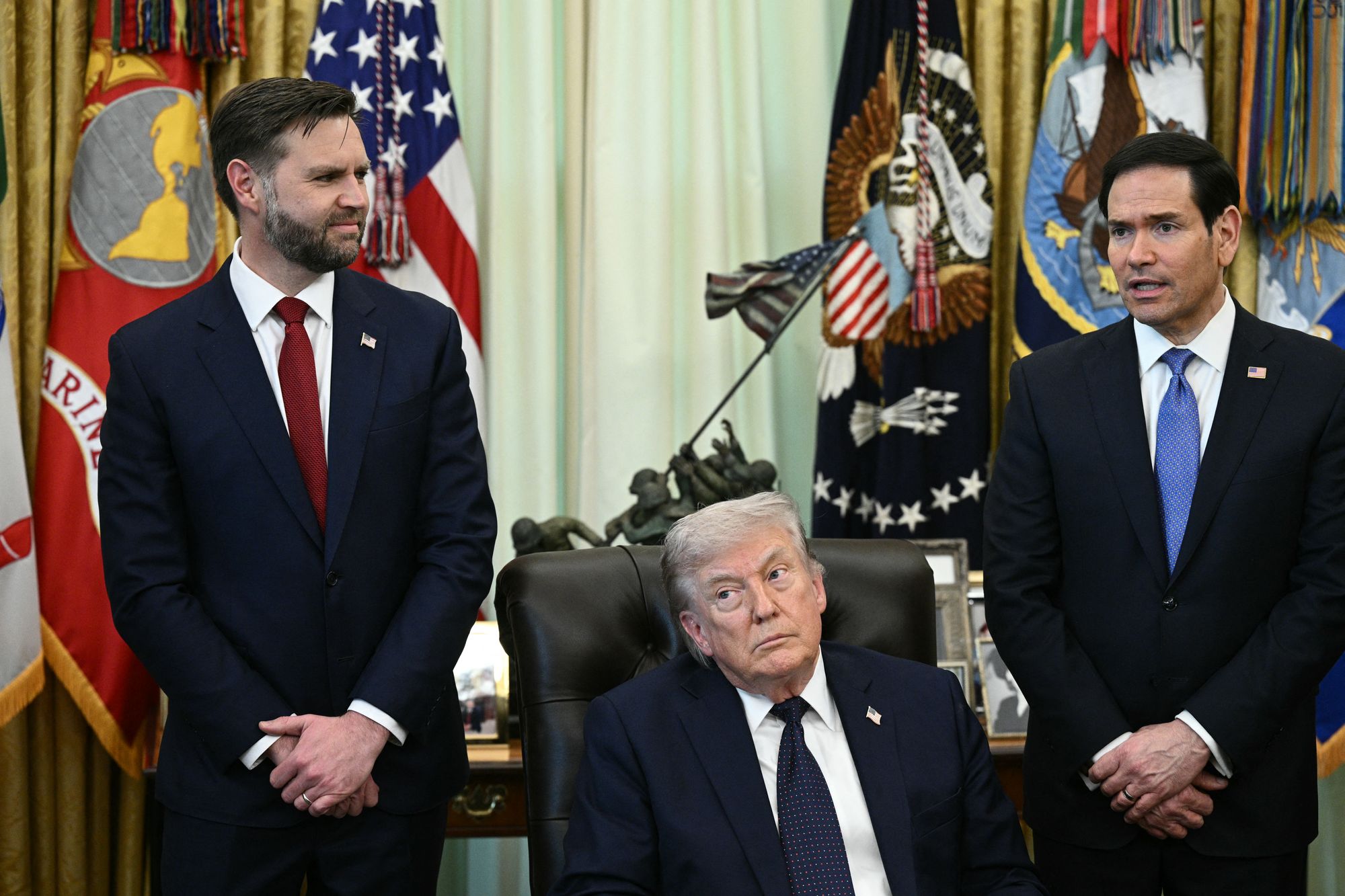
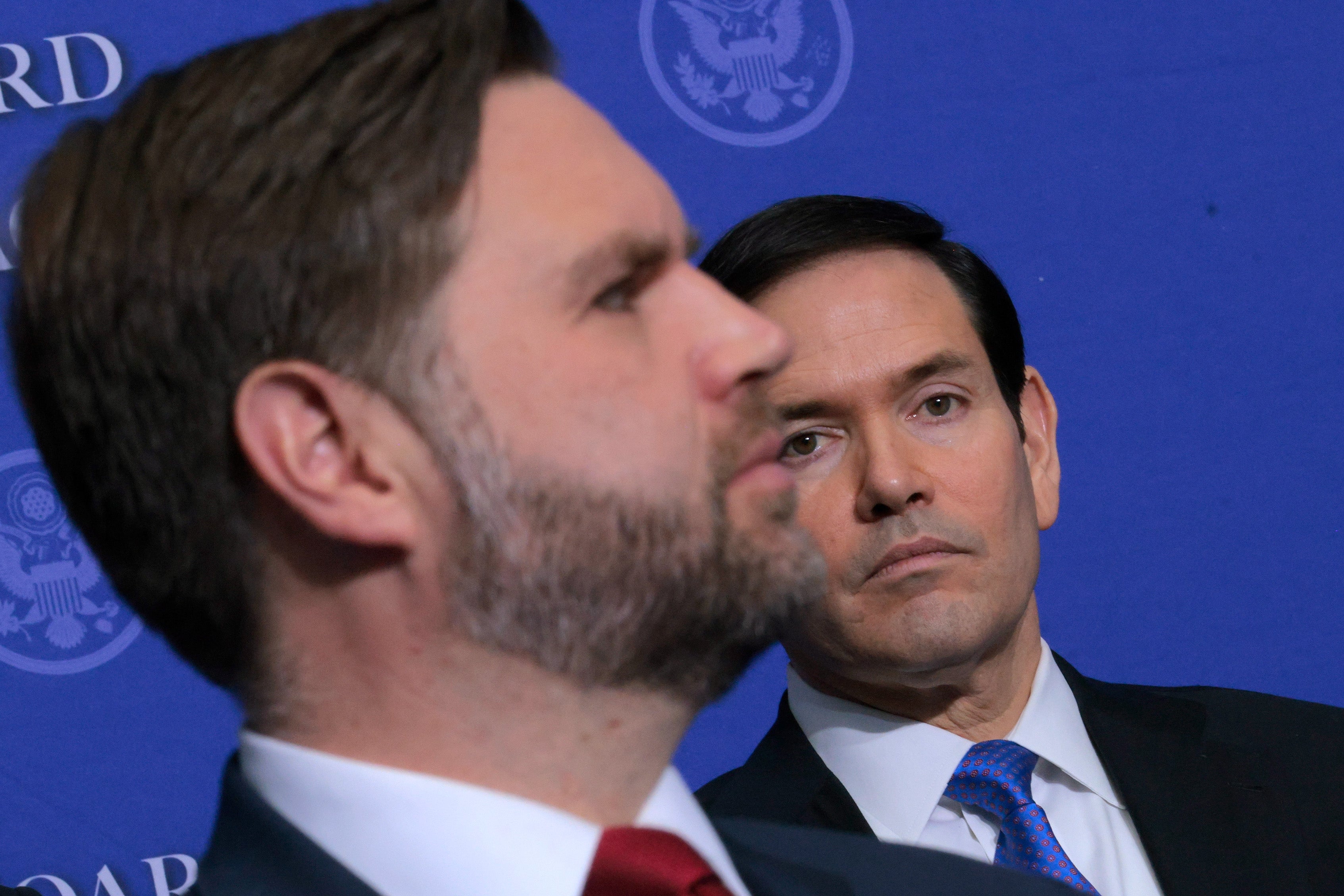
Both men, who are close friends, have remained tight-lipped about their 2028 ambitions, though the Secretary of State said last year that Vance would make a “great nominee,” adding, “I hope he intends to do it.”
Trump has repeatedly suggested the pair are his most likely successors.
At a dinner in the White House Rose Garden on Monday, he invited attendees to speculate. “Are you ready? Who likes JD Vance? Who likes Marco Rubio?” the 79-year-old president, who has repeatedly floated the idea of seeking an unconstitutional third term, mused aloud.
Trump added that a Rubio-Vance pairing would be a “dream ticket,” though he did not indicate who he would prefer at the top of the ballot.
If either or both men pursue a run, they will face a pivotal choice: whether to align themselves with Trump’s record — including the unpopular Iran war and tariff regime — or attempt to distance themselves from it.
Fully embracing Trump’s legacy could carry risks, as seen in the case of former Vice President Kamala Harris, whose electoral loss many attributed to her failure to break from President Joe Biden’s disliked policies, including his administration’s stance on Israel’s war in Gaza.