


The Houthis, a Yemeni rebel group known for its attacks on shipping, have joined the Iran war just as it enters its fifth week.
Their involvement escalates a rapidly worsening conflict that has already placed global oil supplies in a chokehold amid the blockade of the Strait of Hormuz and reports of an impending ground invasion by US troops.
Backed by Iran, the Houthis had stayed out of the conflict until they launched attacks on Israel on Saturday.
They carried out a second attack within 24 hours of the first on Sunday and vowed to continue fighting until US-Israeli “aggression” is ended on all fronts.
However, with a history of bombing maritime trade routes and disrupting shipping lanes, experts told The Independent that their entry into the fray will add further pressure on an already-stretched region with global effects.
We look at who the Houthis are below and what their impact could be on the Strait of Hormuz in particular.


Who are the Houthis?
The Yemeni rebel group was formed in the 1990s as a political-religious Shia movement orchestrating a series of guerrilla wars against Yemen’s national army.
They currently control significant parts of northwestern Yemen, including its capital Sana’a, after seizing it following the country’s 2014 civil war when they forced the government to step down.
A Saudi-led, western-backed coalition took over, which the Houthis have spent years fighting with the assistance of Iran, before a UN-brokered deal in 2022. A Saudi and UAE bombing campaign against Houthi targets was launched in 2015 and drew criticism over civilian deaths, leading to calls for the UK to cease arms exports to Saudi Arabia.

.png)
The war is estimated to have killed around 400,000 people, many who died through famine after Saudi Arabia’s restriction of ports through which Yemen imported 90 per cent of its food, which humanitarian groups considered a major driving factor of the crisis.
Often mistakenly considered a proxy group, the Houthis have their own political aims and agendas outside of those affiliated with Iran, which provides it with weapons, training and technical support.
The Houthis, along with Gaza’s Hamas and Lebanon’s Hezbollah, form part of Iran’s “axis of resistance” – a military alliance built over four decades to oppose Israeli and American power in the Middle East.
What impact could they have on the Strait of Hormuz?

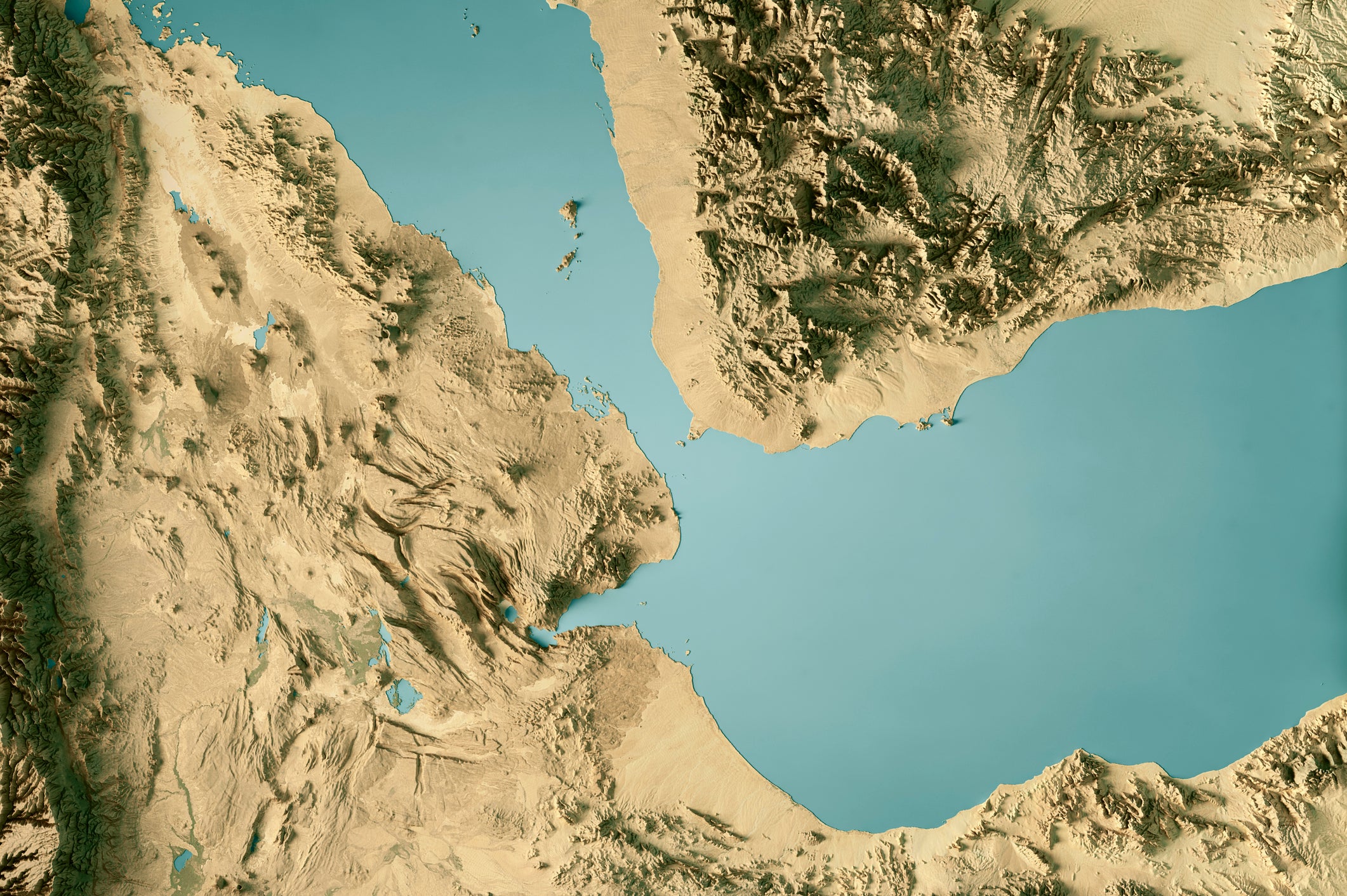
The Houthis are skilled at maritime warfare having disrupted shipping routes before, most recently during Israel’s war on Gaza in 2024.
They launched systematic attacks on commercial ships associated with Israel transiting through Bab el-Mandeb, a key gateway to the Suez Canal, in the Red Sea, forcing the vessels to be rerouted.
At the time, traffic through the Suez Canal dropped sharply, insurance costs surged and global supply chains slowed down.
The International Monetary Fund said that trade through the Suez Canal fell by 50 per cent from the year before in the first two months of 2024, while trade through the Panama Canal fell by 32 per cent. Major shipping firms rerouted vessels to go past the Cape of Good Hope in South Africa instead, adding an additional 10-14 days on to journeys.
The Houthis involvement in the conflict will impact the blockade over the Strait of Hormuz in two distinct ways, according to Neil Quilliam, a Chatham House expert specialising in energy policy, geopolitics and foreign affairs.

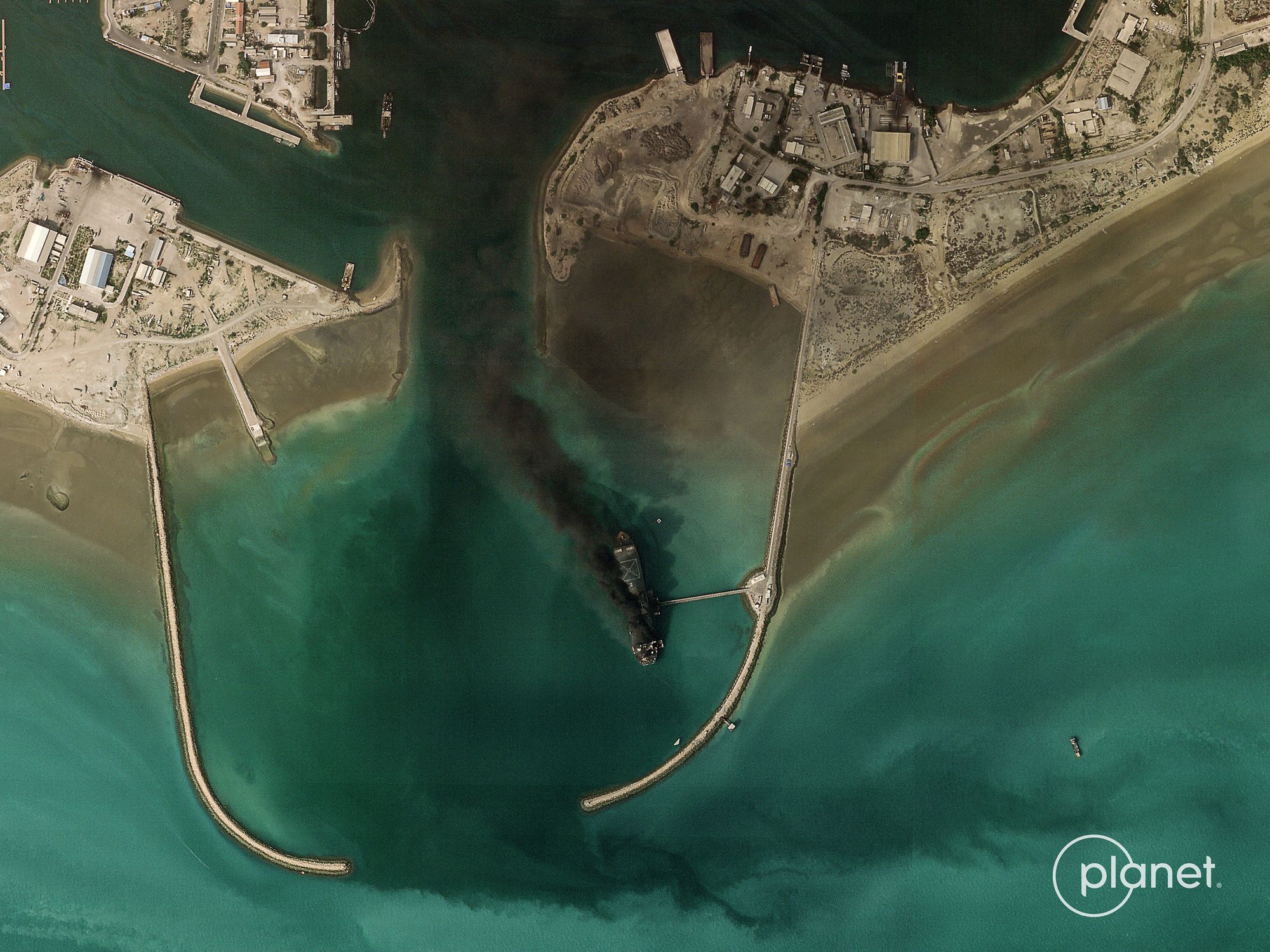
“First, it will add further pressure on shipping in the region, as it will effectively close off passage through Bab al-Mandab and incur even higher transport costs and compromise Saudi Arabia’s ability to export crude to Asia.
“Second, the additional pressure on Bab al-Mandab will likely allow Iran to ease the passage of vessels Tehran deems friendly through the Strait of Hormuz and extract much needed revenue.”
Closure or disruption of two of the world’s main strategic waterways could be catastrophic for world trade with energy supplies potentially cut off.
On Saturday, a report by the European Union’s maritime security body warned ships to avoid entering Yemeni territorial waters as the Houthis could resume “attacks on merchant ships” in the Red Sea and Gulf of Aden,
The European Union Naval Force Aspides advised ships to avoid Yemeni territorial waters amid an increased risk of attack.
The report assessed the threat level as “high” for Israeli-linked vessels and as “medium” for vessels not linked to Israel or the United States.