


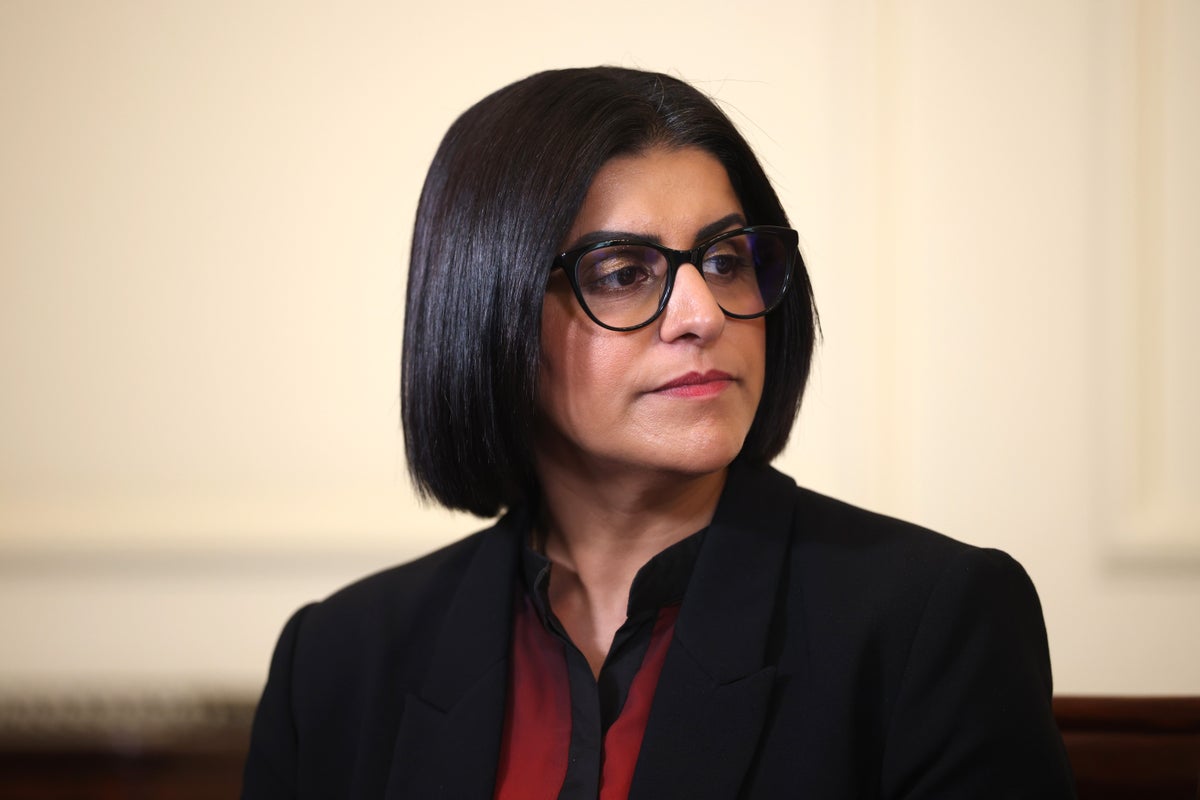
Andy Burnham’s cabinet is starting to become a little clearer, with one key position – chancellor – now widely expected to be filled by Shabana Mahmood.
While the current home secretary has previously held the role of shadow chief secretary to the Treasury, she does not have an economics background, and there is a lack of certainty over her economic leanings and preferences.
It remains to be seen how her economic policies align with Mr Burnham’s own, but so far, the UK bond markets appear to have been reassured by the prospect of her taking on the role, in favour of the other rumoured option, Ed Miliband.
“The market trusts Mahmood to take a sensible approach to economic policy, and to tackle the hard questions of welfare spending,” said Kathleen Brooks, research director at online investment firm XTB.
Previous positions on tax changes and economic policy don’t necessarily dictate what Ms Mahmood will attempt to pursue once formally in the position, but it could give an indication as to potential future changes from No 11 Downing Street.
Here’s what we know about her fiscal ideas so far – and how they might affect Britons if implemented.
Income tax top rate
Mr Burnham has suggested he “may have to ask for a little more” when it comes to taxes, despite a plethora of increases for workers and businesses already brought about by current chancellor Rachel Reeves.
The Labour manifesto pledged not to raise basic, higher, or additional rates of income tax, but Ms Mahmood has previously stated that the additional rate should be returned to 50p, from its current 45p level.

Get a free fractional share worth up to £100.
Capital at risk.
Terms and conditions apply.
Go to website
ADVERTISEMENT
Get a free fractional share worth up to £100.
Capital at risk.
Terms and conditions apply.
Go to website
ADVERTISEMENT
As a reminder, someone earning £150,000 pays income tax of 20 per cent on the first £50,270, 40 per cent from that level to £125,140 and 45 per cent on the remainder. The personal allowance of no tax up to £12,570 begins to taper away by £1 for every £2 earned over £100,000, so is wiped out entirely for additional rate taxpayers.
In the event the additional rate is raised from 45 per cent back to 50 per cent, where it was from 2010 to 2013, the tax, not including National Insurance, paid on that £150,000 income would move from £51,189 to £52,432 – an increase of just over £1,240.
Ms Mahmood has argued that “it cannot be right to cut the top rate of tax” when public debt is high and said in 2014 that “the next Labour government will put that rate back to 50p while we get the deficit down”.
Capital gains tax and windfall taxes
Another area which has been suggested as a potential target for Ms Mahmood is capital gains tax (CGT) – the tax applied when assets are sold for profit, such as shares not held in ISAs, additional properties beyond a main residence, some personal high-value possessions and so on.
Ms Mahmood criticised the decision made by George Osborne in 2016 to cut CGT from 28 to 20 per cent, while Mr Burnham has reportedly considered exploring raising it to the same level as income tax. Ms Reeves has brought CGT back up to 24 per cent.
Some political factions believe it should be increased considerably more as it typically targets wealthier earners who own more assets. But most economic experts agree that raising CGT simply makes people change behaviour – either selling the assets before the tax raise comes into play, or else not selling at all, letting the assets appreciate further over time until another downward move in tax levels.
Official models forecast that raising CGT will cost the Treasury money, not earn it more.
While not specifically targeting individuals, raising windfall taxes on big firms bringing in profits, such as banking sector companies or energy giants, has also been suggested as a route Ms Mahmood could take.
“Finding the right mix of spending, borrowing and taxation is a kind of alchemy that often feels elusive, and decisions made by Rachel Reeves and Keir Starmer have been blamed for undermining business confidence and impacting hiring, especially of younger workers,” said Danni Hewson, AJ Bell’s head of financial analysis.
“Making the right choices is particularly important as technology advances to ensure people aren’t left behind in the race for productivity gains, but cost savings must be factored into government decisions.”
Changing tax bands and fiscal drag
While raising the additional tax rate is one option, another is to alter the levels at which people move into different tax bands, or increase the threshold freeze.
The latter has seen the number of higher and additional rate taxpayers in the UK increase by more than a third (35 per cent) over just the past three years.
This is because, as salaries rise but tax bands stay frozen, people naturally climb the earnings and tax ladder – but do not necessarily get any benefit from it as inflation rising at the same time as salaries means you can buy less with the same amount of money.
Altering tax bands themselves could be a very unpopular move, but letting time do the hard work while stating no tax rises have been put in place is a half-lie that plenty of politicians have opted to lean on.
“A closer look at [Burnham’s] long-standing views on property taxation, wealth, inheritance and the role of the state suggest that affluent households could face significant financial headwinds under [his] government,” said Alex Pugh, a chartered financial planner at wealth management firm Saltus.
“The real test will come when the government starts making difficult decisions on tax, spending and borrowing,” added Angeline Ong, senior investments analyst at IG. “Until then, ‘Shabanomics’ is more a story of confidence than conviction – markets are trading on expectations, not economics.”