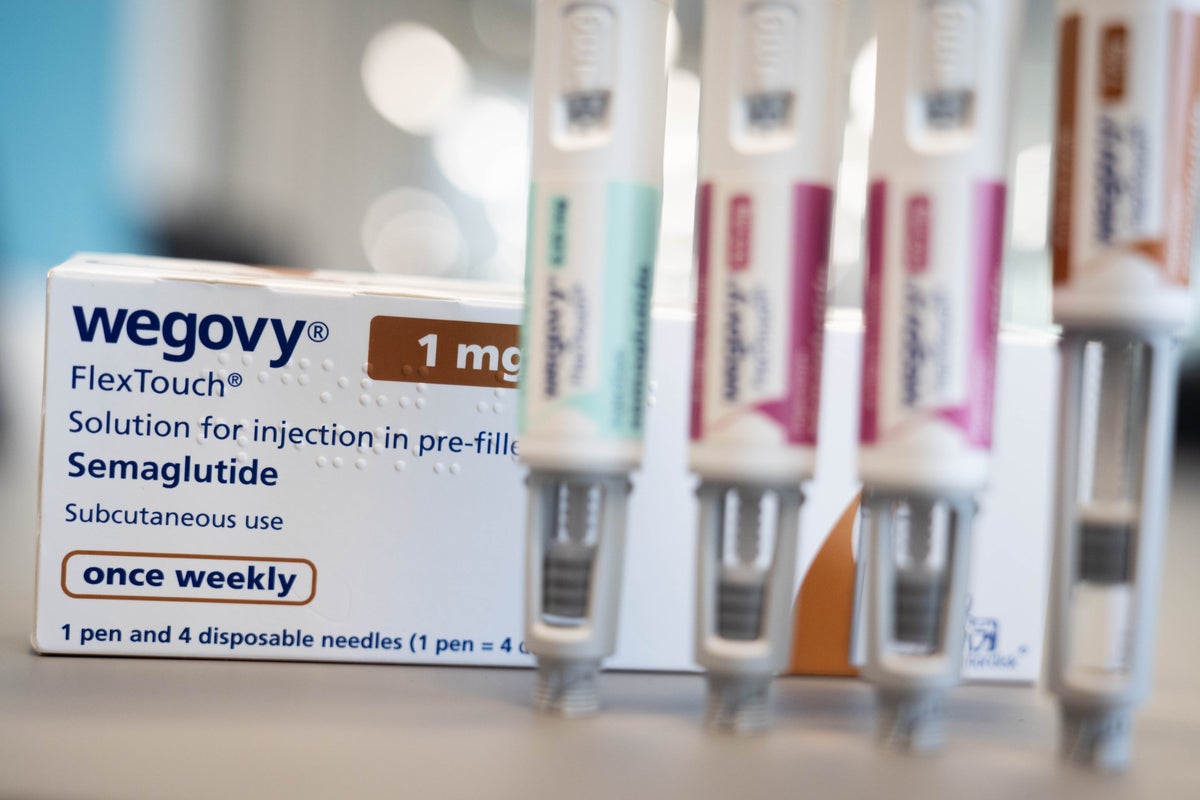
Weight loss medications could offer a “promising treatment” for individuals grappling with binge eating disorder, according to the most comprehensive review conducted to date.
Researchers found these drugs also assist with “related behaviours,” including fostering greater control over eating and reducing emotional eating.
However, experts cautioned that the current evidence remains limited, urging for further trials to definitively confirm these findings.
Binge eating disorder affects approximately 17 million people worldwide, characterised by regularly consuming large quantities of food in a short period until feeling uncomfortably full. NHS.uk describes it as a “serious mental health condition where people eat without feeling like they’re in control of what they’re doing.”
The research, spearheaded by experts at University College London’s Division of Psychiatry, meticulously analysed data from 25 randomised controlled trials involving 8,069 participants.
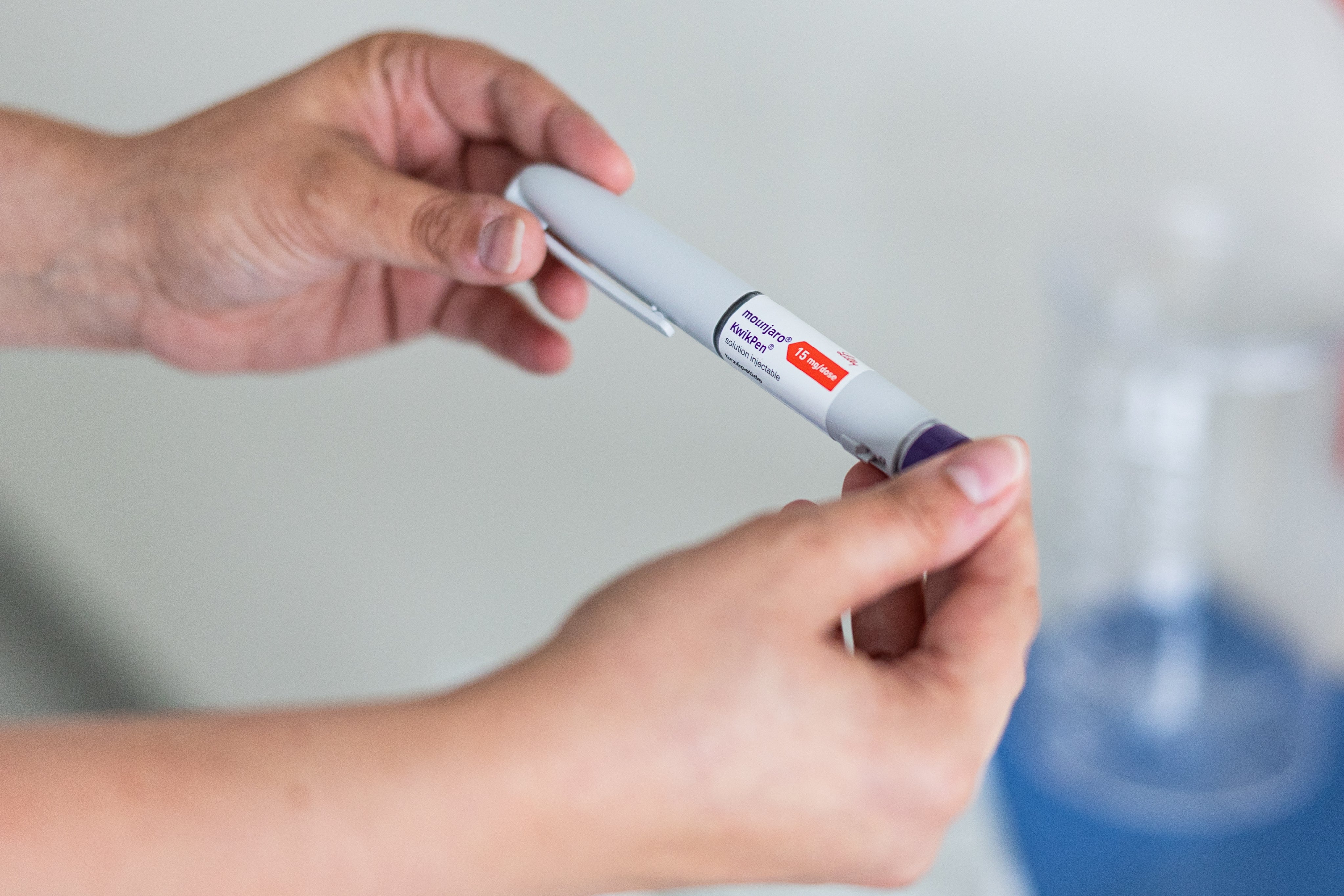
The study revealed that people with binge eating disorder who were administered GLP-1 drugs, such as Wegovy and Mounjaro, reported “moderate reductions in binge eating.”


They also reported a reduction in “loss of control eating” and eating “disinhibition”.
And they reported lower levels of emotional eating.
But the authors stressed that all of the studies examined as part of the review have a “high risk or some concerns of bias”.
“GLP-1RAs reduced binge eating-related behaviours and emotional eating and increased cognitive or dietary restraint,” the authors wrote in the eClinicalMedicine journal.
Corresponding author Dr Ilaria Costantini, research fellow in psychiatric epidemiology at UCL, told the Press Association: “Overall, we found that people receiving GLP-1 receptor agonists reported fewer binge eating symptoms than those in the comparison groups.
“We also found improvements in related behaviours, including greater control over eating, lower levels of eating disinhibition, and reduced emotional eating.
“Our findings suggest that GLP-1 receptor agonists may represent a promising treatment option for binge eating disorder.
“However, our review cannot conclude that these medications are effective treatments for binge eating disorder or that they should be prescribed routinely for this indication.
“This is because only a small number of relatively small studies specifically recruited people with a diagnosis of binge eating disorder, and these studies were generally at higher risk of bias.
“As a result, it remains unclear whether the benefits we observed will translate to people living with both obesity and binge eating disorder in routine clinical practice.”

She added: “Before these medications could be considered for routine clinical use in binge eating disorder, we need large, high-quality clinical trials specifically involving people with a diagnosis of the disorder.
“Ultimately, these medications may prove to be most effective as part of a broader treatment approach that combines pharmacological and psychological care, rather than as a standalone treatment.”
Commenting on the study, Umairah Malik, research manager at the charity Beat, said: “The relationship between eating disorder symptoms and GLP-1s is extremely complex – we still can’t be certain how or if they can affect eating disorder outcomes.
“Whilst further research is needed, it is promising that there is some indication that GLP-1s may form part of binge eating disorder treatment in years to come.
“GLP-1s have been touted as a quick fix and miracle solution, but we know that they also have potential to cause serious harm in the wrong hands.
“Anyone looking to start taking them should be given thorough mental and physical health checks, ideally in-person, with a healthcare professional trained to spot the signs of eating disorders.”