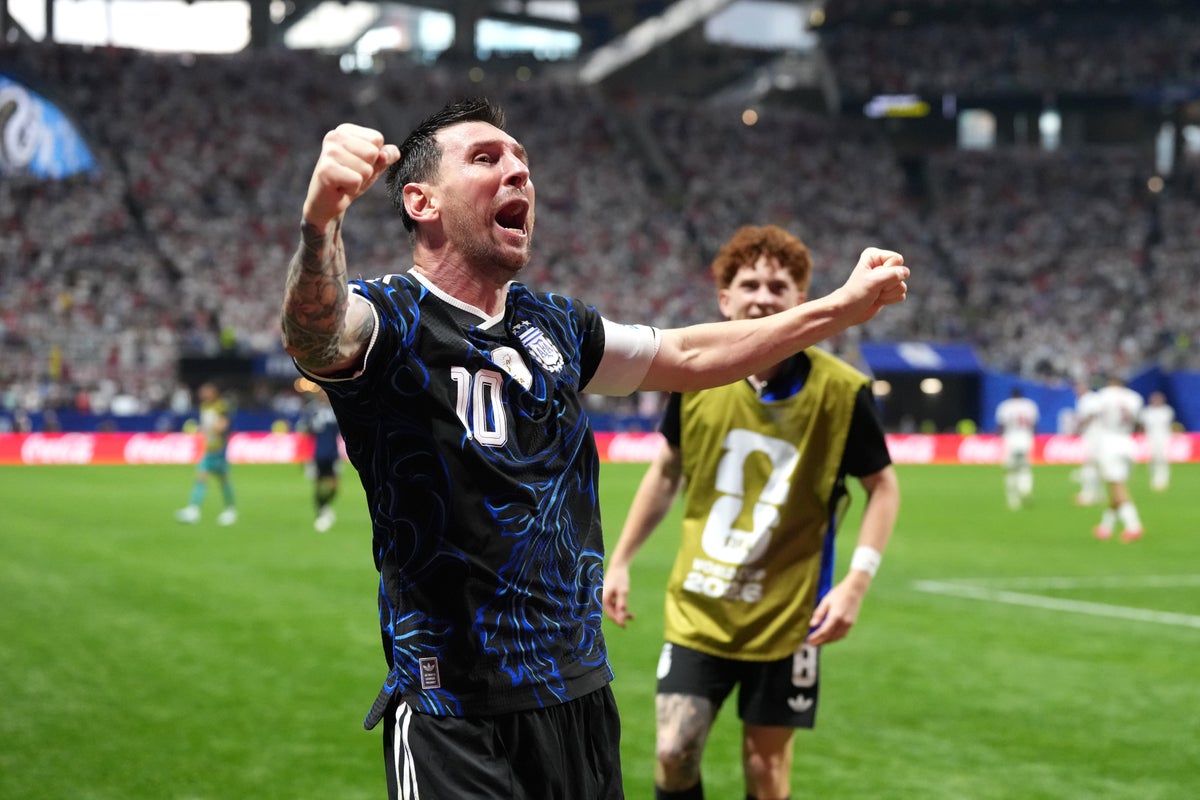
England did what Algeria, Austria, Jordan, Cape Verde and Egypt all failed to do. Lionel Messi didn’t score. The greatest goalscorer in World Cup history took only one shot and it didn’t trouble Jordan Pickford. England harried him, frustrated him and badgered him out to the right wing. But there they discovered a truth: that goals are just one strand of his multifarious brilliance. Messi created one, then another, and sent England back across the Atlantic.
Messi’s assist for Argentina’s equaliser may have been a routine pass to Enzo Fernandez, but his sheer presence had already dragged England defenders across, out of shape, leaving holes to puncture. His assist for Argentina’s winner was sheer brilliance, driving down the right wing and floating a cross perfectly over John Stones’ desperate leap before dropping precisely onto the forehead of Lautaro Martinez.
Messi barely had a kick for an hour, and left Atlanta with the man of the match award. Now he marches – or perhaps walks – on to another World Cup final. Only one man, Cafu, has played in three finals and Messi will match that feat on Sunday.

Messi’s first, Rio de Janeiro in 2014, caused him nightmares for years afterwards. Messi missed a crucial one-on-one with Manuel Neuer, before Mario Gotze scored Germany’s winner in extra time. It would be 12 years until he returned to the final, scoring twice in Doha and rolling home the most audacious penalty in the shootout to finally lay hands on the trophy he most prized, laying to rest the ghosts that haunted him.
Having spent so many frustrating years chasing international success, facing scrutiny and criticism at home in Argentina, he might now bow out with a second World Cup to go with those two late-career Copa America glories. Messi’s career can essentially be broken into two halves: a spell for Barcelona that altered how football is played, how it is understood; and a spell for Argentina to alter how history is written, how his story will be told.
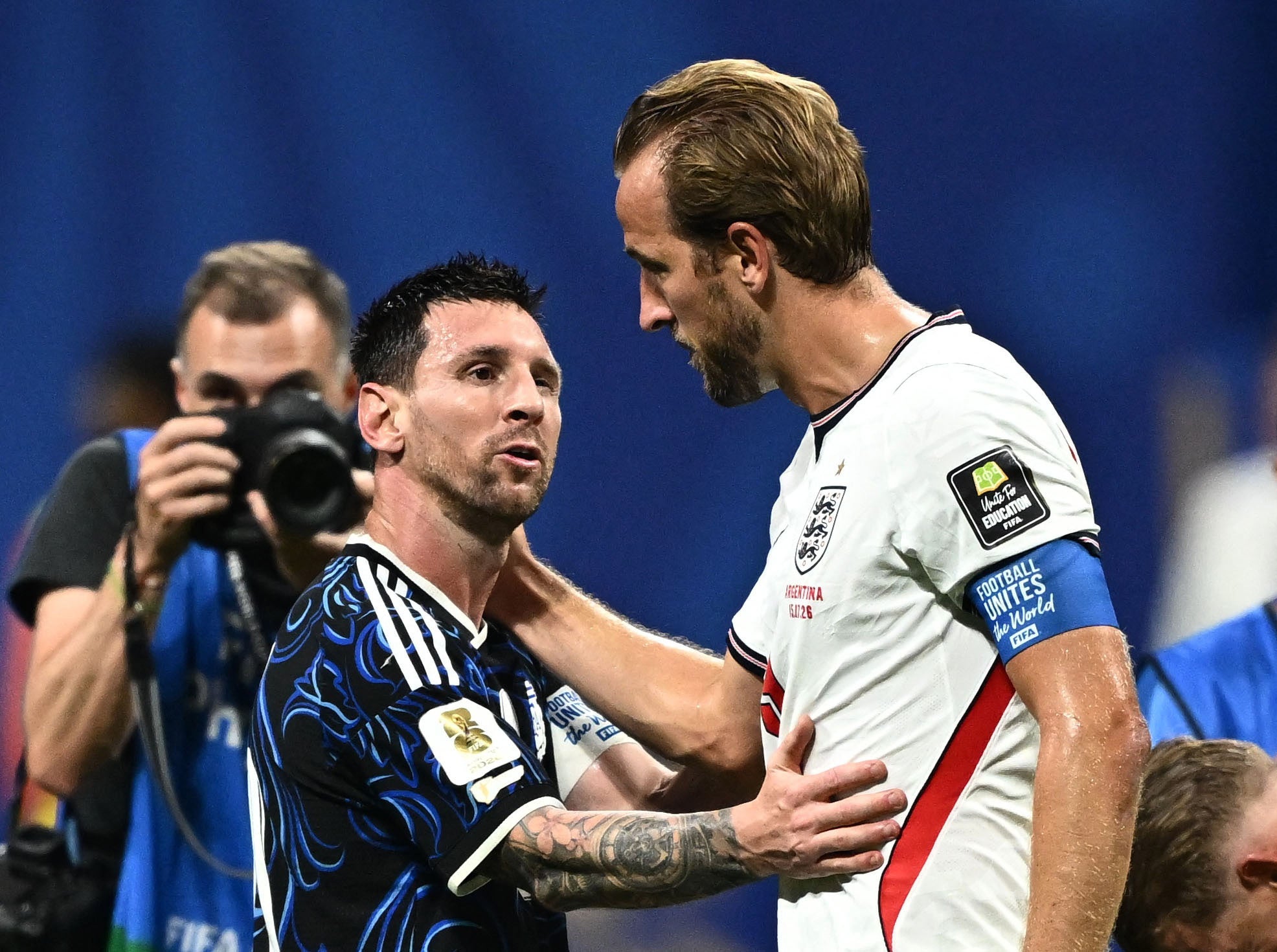
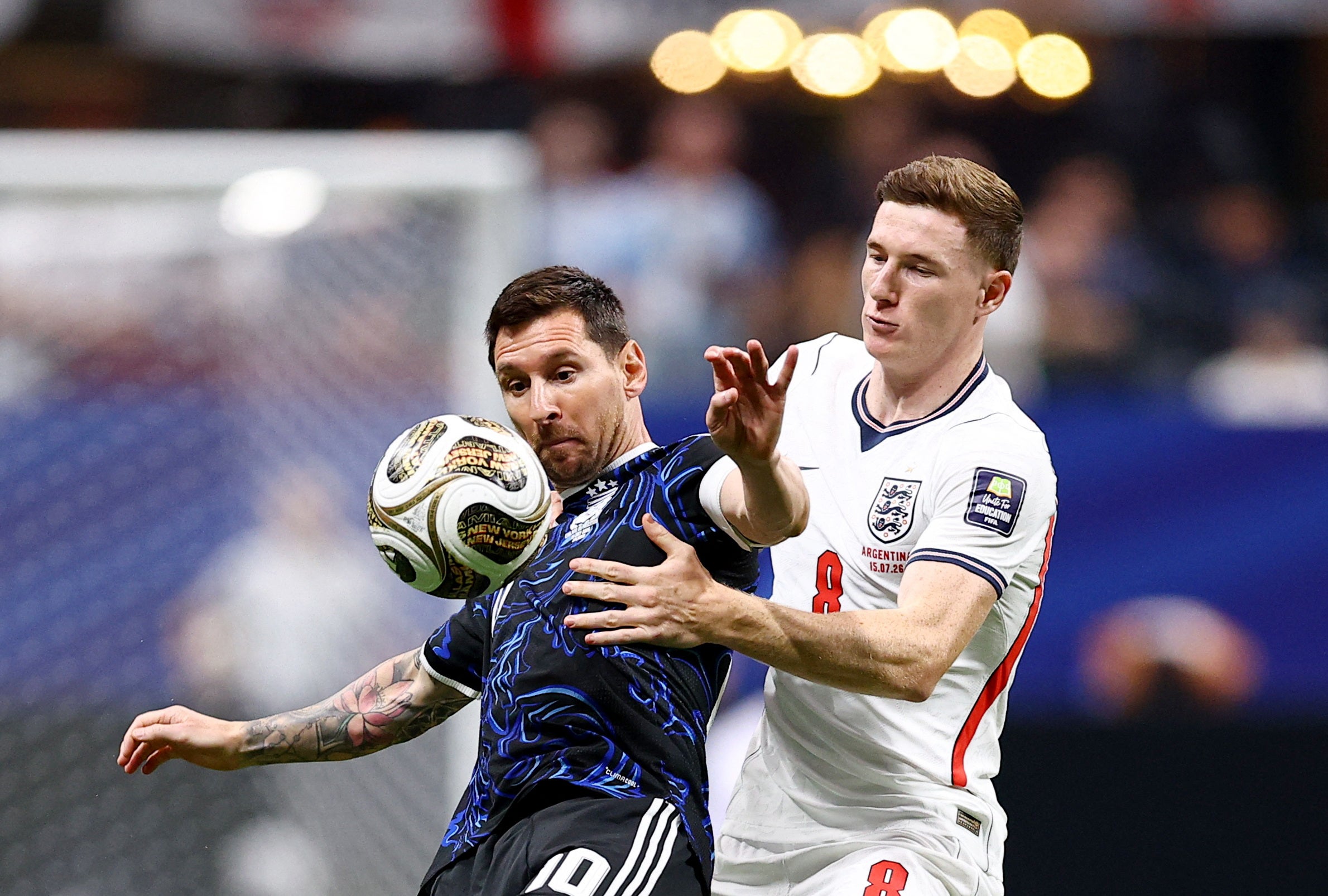
He was kicked to the fringes for much of this semi-final in Atlanta, squeezed out of the middle of the pitch. Within five minutes, Elliot Anderson and Harry Kane crunched him between their bodies. Then Djed Spence snapped in and won the ball and when Messi didn’t get the free-kick, he gave referee Ismail Elfath a scowl. Anderson took a yellow card knocking him down in full flight, the briefest glimpse of Messi’s quick feet in a quiet first half.

But in hindsight, perhaps England’s greatest mistake was to score a goal. They retreated back onto the edge of their own box – a tournament trait as English as eating fish and chips – and they stopped pressing, counter-attacking or playing much football at all. It was a tactic Tuchel had succeeded with in Mexico City a couple of weeks earlier, but there England were down to 10 men. Here there was no such pressure, and the strategy only emboldened Argentina.
England dropped dangerously deep and Messi emerged from the shadows. His greatest trait is often said to be finding space, understanding the geometries of a game, the moving pieces. Messi doesn’t watch the ball, he watches defenders, mapping his opponents in his mind and searching for soft spots. For a brief moment he became cartographer, taking mental notes, drawing in the enormous contours of Dan Burn’s head.
A study of Messi’s interpretation of space, conducted while he was at Barcelona by a professor of applied mathematics, David Sumpter, discovered that Messi was finding space several seconds before it appeared, anticipating gaps that didn’t yet exist. Messi, Sumpter concluded, is “one of those rare people who has something beautiful and unique in his head which allows him to do what he does … It’s the knowledge that you can’t explain … He finds solutions where mortal people aren’t able to do so.”

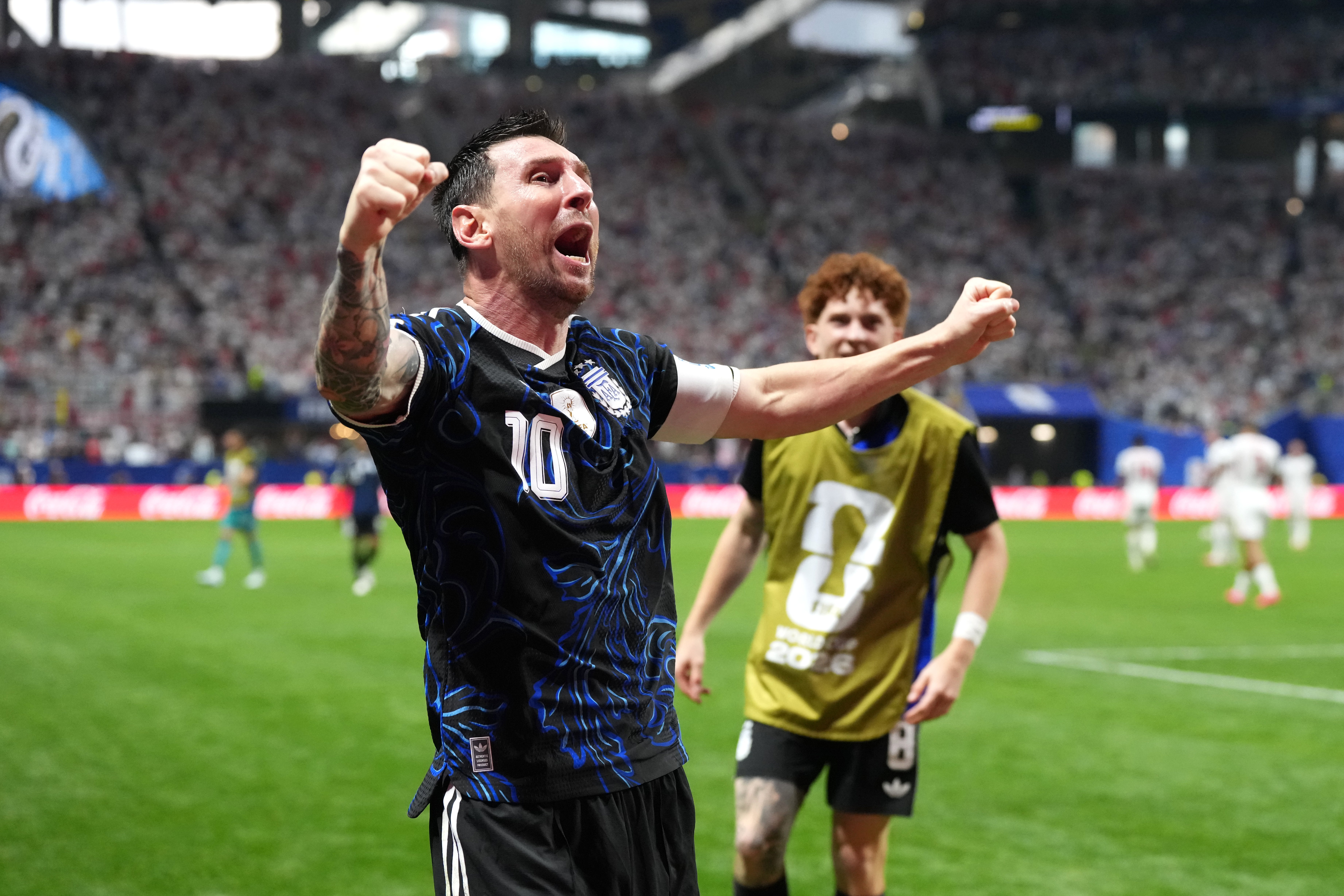

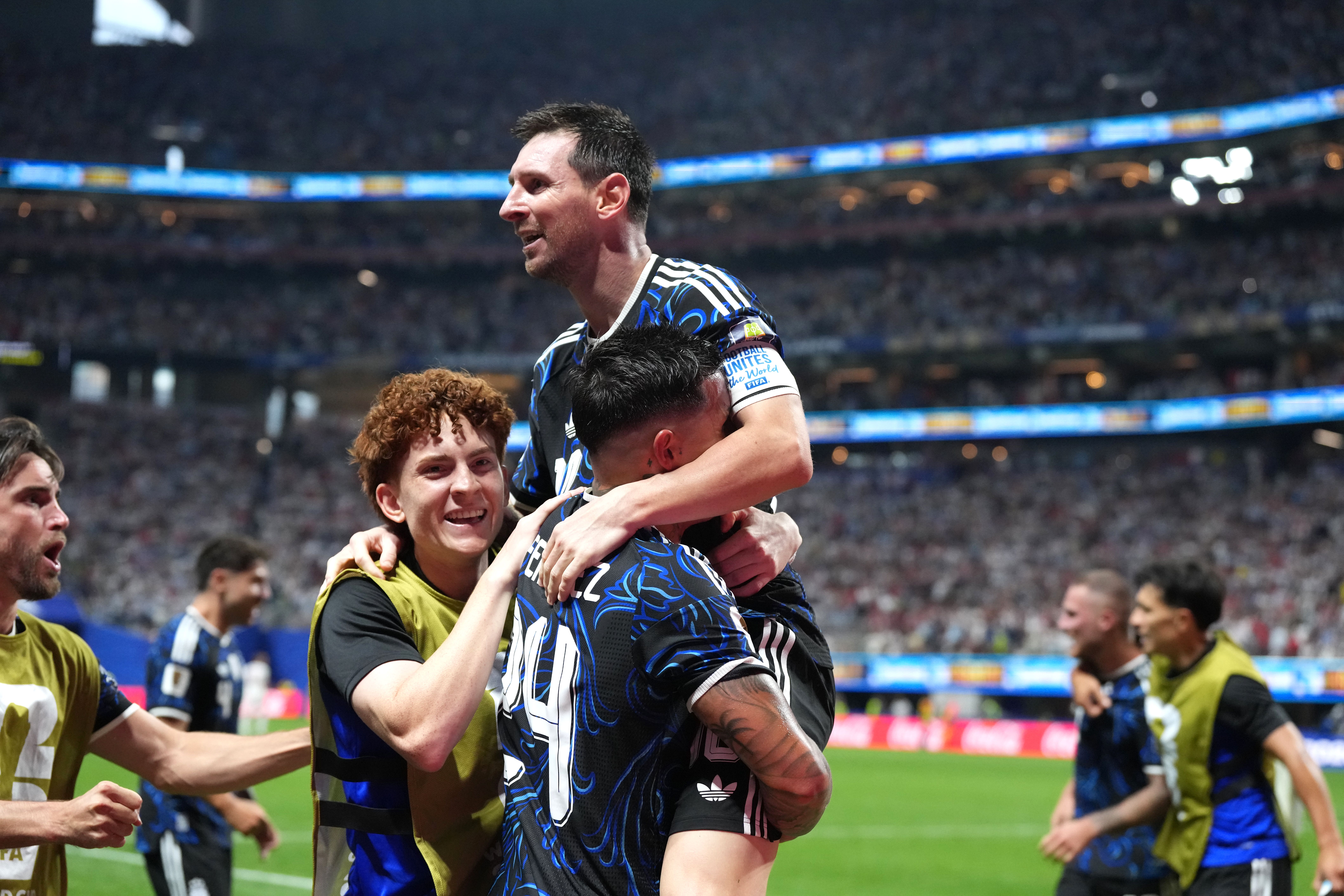
And so Messi drifted into a space on the right side, on the ragged fringe of England’s midfield, and got to work. He began jinking away from tired legs, curling in pinpoint crosses onto the heads of arriving teammates. John Stones intervened, Jordan Pickford made a vital save. The woodwork spat out a couple more.
But England couldn’t get out, drowning in their own penalty area, and Messi seized the moment. He took a short corner and when he received it back to his feet, Kane, Spence and Anderson all became attracted to him. Messi slipped the pass to Fernandez for a free strike at goal, and Argentina were level.
Minutes later he was dancing towards the box and then driving towards the byline, Spence and Nico O’Reilly a couple of strides too slow, and the cross was exquisite, a low arcing trajectory, fast in flight, dropping out of the sky at just the right moment. Messi hadn’t scored, but he had made it almost impossible for Martinez not to.
At the final whistle Messi sank to his knees, just as he did when Argentina won the World Cup four years earlier. He was physically spent, emotionally empty. There is still one almighty opponent ahead, a greater hurdle to overcome. But for Messi, the last dance is not over yet.