

Drug overdose deaths in the United States saw a significant decline last year, with approximately 70,000 Americans succumbing to overdoses – a 14% reduction from the previous year.
This marks the third consecutive annual drop, representing the longest such decline in decades, according to preliminary federal data released on Wednesday.
The 2025 total is comparable to the figures recorded in 2019, prior to the onset of the COVID-19 pandemic.
The Centers for Disease Control and Prevention reported that decreases were observed across various drug types, including fentanyl, cocaine, and methamphetamine. While the vast majority of states experienced a fall in overdose fatalities, Arizona, Colorado, and New Mexico notably saw increases.
Brandon Marshall, a Brown University researcher specializing in overdose trends, expressed cautious optimism, stating, “I’m cautiously optimistic that this represents really a fundamental change in the arc of the overdose crisis.”
However, experts warn that the number of Americans dying from overdoses remains alarmingly high, and several factors could trigger a resurgence in deaths. These include potential shifts in government policy or changes in the illicit drug supply. Marshall emphasized this precarious balance, noting, “If deaths are going down rapidly, that means they can increase just as rapidly if we take our foot off the gas.”
Overdose deaths had been on a general upward trajectory for decades, but they surged dramatically during the pandemic, peaking at nearly 110,000 in 2022. This pandemic-era spike was largely attributed to social isolation and difficulties in accessing addiction treatment.

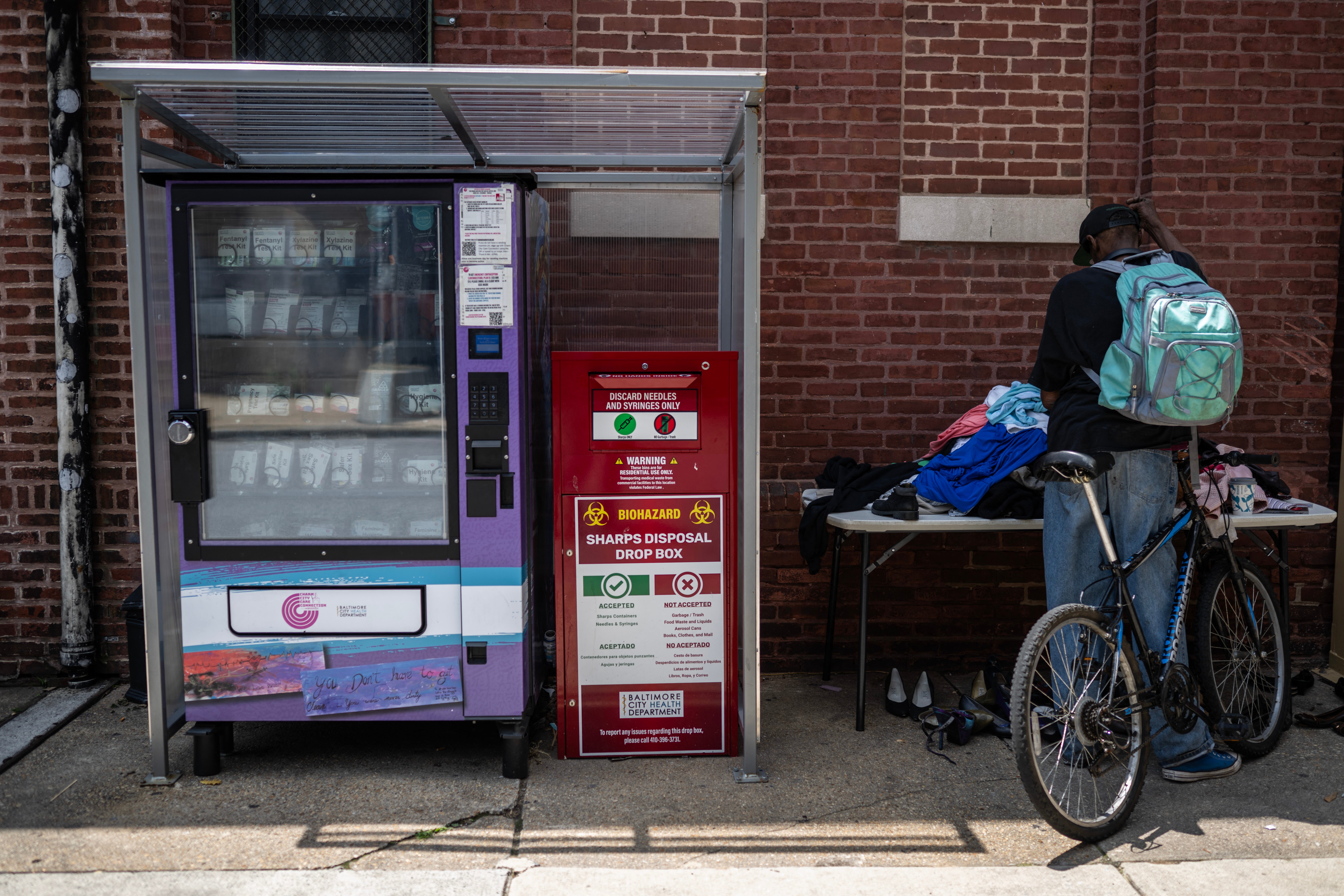
As the pandemic waned, deaths began to decline. Researchers point to several contributing factors, including increased availability of the overdose-reversing drug naloxone, expanded addiction treatment services, evolving patterns of drug use, and the growing impact of billions of dollars from opioid lawsuit settlements.
Some research also suggests a shrinking pool of individuals likely to overdose, as fewer teenagers initiate drug use and many long-term illicit drug users have died. Another theory posits that regulatory changes in China several years ago may have reduced the availability of precursor chemicals essential for fentanyl production.
Despite these positive trends, health and law enforcement officials have recently raised alarms about new and increasingly potent substances entering the US drug supply. Alex Krotulski, director of the Center for Forensic Science Research and Education – a federally funded toxicology lab crucial to a national illicit drug early warning system – highlighted this concern.
Last year, his lab identified 27 new drugs, and less than five months into 2026, they have already identified 23. Among these is cychlorphine, a powerful synthetic opioid estimated to be up to 10 times stronger than fentanyl, which experts say is being used as an undisclosed cutting agent in other illicit drugs. Krotulski underscored the dynamic nature of the problem, stating, “The drug supply continues to change and evolve.”
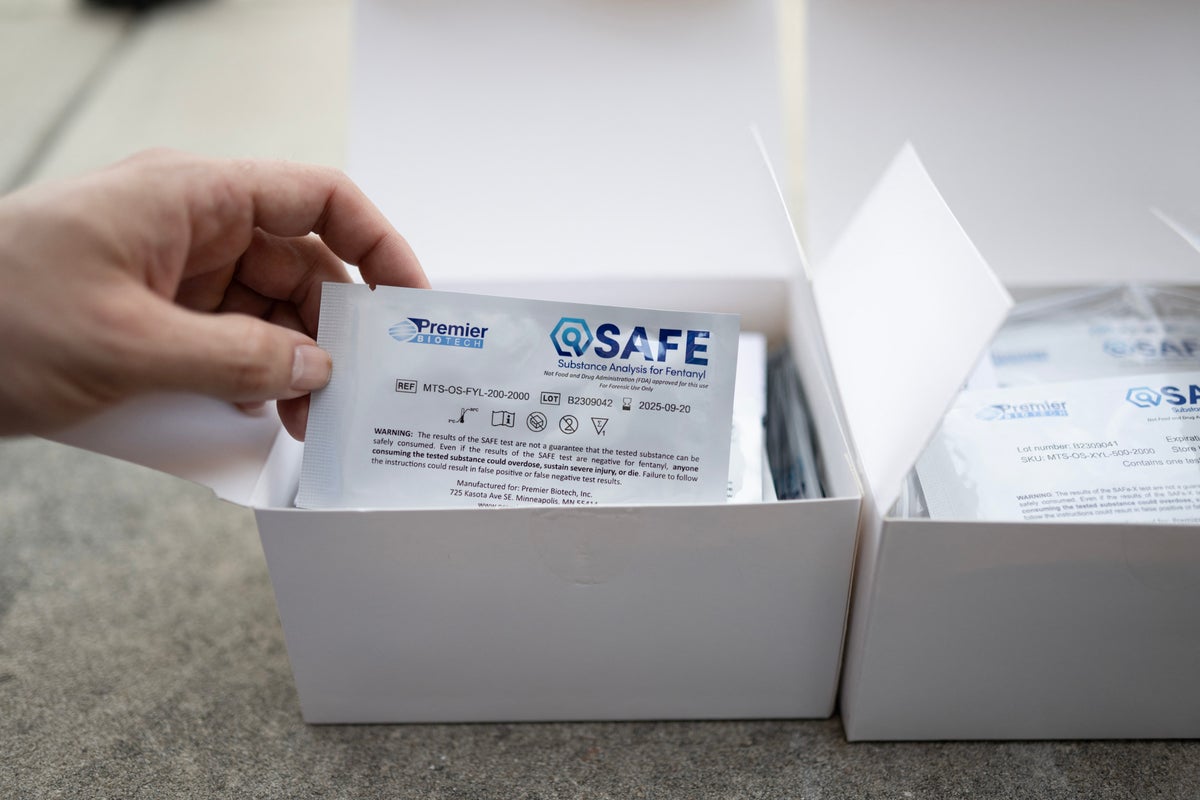
Concurrently, the Trump administration has been implementing cuts to programs designed to reduce overdose deaths and infections linked to drug use. In a recent letter, the federal Substance Abuse and Mental Health Services Administration informed grant recipients that the government would no longer fund test strips and kits that help drug users detect highly-lethal additives. Officials justify these changes by stating a shift away from services that they believe “facilitate illicit drug use,” such as clean syringes and hotlines for individuals using drugs.
This policy shift has drawn criticism. Last week, a group of women who have lost children to overdoses spoke out against government policies that prioritize punishment and incarceration. Kimberly Douglas, who founded Black Moms Against Overdose after her 17-year-old son died, argued that harm reduction services are vital. “We are starting to see overdoses go down in some places and that’s because of harm reduction” services like those being targeted by the Trump administration, she said.