
The government is at odds with the British public over its work to tackle the rising cost of living, new polling has revealed, as campaigners warn the issue is tanking Labour’s popularity.
The vast majority (82 per cent) of Labour MPs feel the government is doing well to address the cost of living, a survey of 110 members by YouGov and commissioned by the Cost of Living Action (COLA) group found.
This stands in stark contrast to the view of the British public, with 80 per cent responding that they think the government is doing badly on combating rising costs.
Sir Keir Starmer has said that tackling the cost of living is one of the government’s key priorities in 2026, pledging to retain a focus on it amid the global economic fallout from the US-Iran war.
The conflict has threatened to virtually undo most of the policies Labour put in place to tackle affordability, with spikes in oil prices having a knock-on effect on the cost of essentials like energy, fuel and even food.

The economy has been recorded as the British public’s most important issue since the end of last year, with 55 per cent putting it in their top three in May, YouGov data shows. This is compared to 49 per cent picking immigration and asylum.
Labour saw record low support at last week’s local elections, which experts say shows a severe dissatisfaction with the government’s approach.
The party lost the most seats at a single election in recorded history across England, as well as losing control of the Welsh Senedd for the first time since its creation in 1999.
Conor O’Shea, coordinator of the Cost of Living Action coalition, said this shows the “stark political reality” and that “the public expects more on the cost of living”.
“MPs clearly know that this is a critical issue, but their perception of how effectively the government is tackling it is massively out of step with public opinion,” he added.
“Failure on the cost of living is the real issue underlying this week’s renewed bout of Westminster psychodrama. Yet the prime minister had nothing of substance to offer on the cost of living in his speech on Monday, and the King’s speech fell short on providing hope or detail.”
The campaign group’s research also found that over four-in-five (80 per cent) of Labour MPs support a windfall tax on energy companies, and two-thirds (66 per cent) back measures to subsidise energy bills for everyone with targeted support for those with higher needs.

This is broadly in line – and slightly stronger – than public opinion, researchers find, with 69 and 60 per cent supporting these respective policies.
In February, Ofgem set the cap for April to June at £1,641, a reduction of £117 on average and broadly in line with Labour’s pledge to cut energy bills by £150.
This means that bills are effectively protected until July. A forecast from Cornwall Insight last week found this could rise by as much as £202 for the average household.
Mr O’Shea commented: “A serious response to the energy crisis is an essential first step in tackling the cost of living, and would unite the Labour benches and wide swathes of the public in support.”
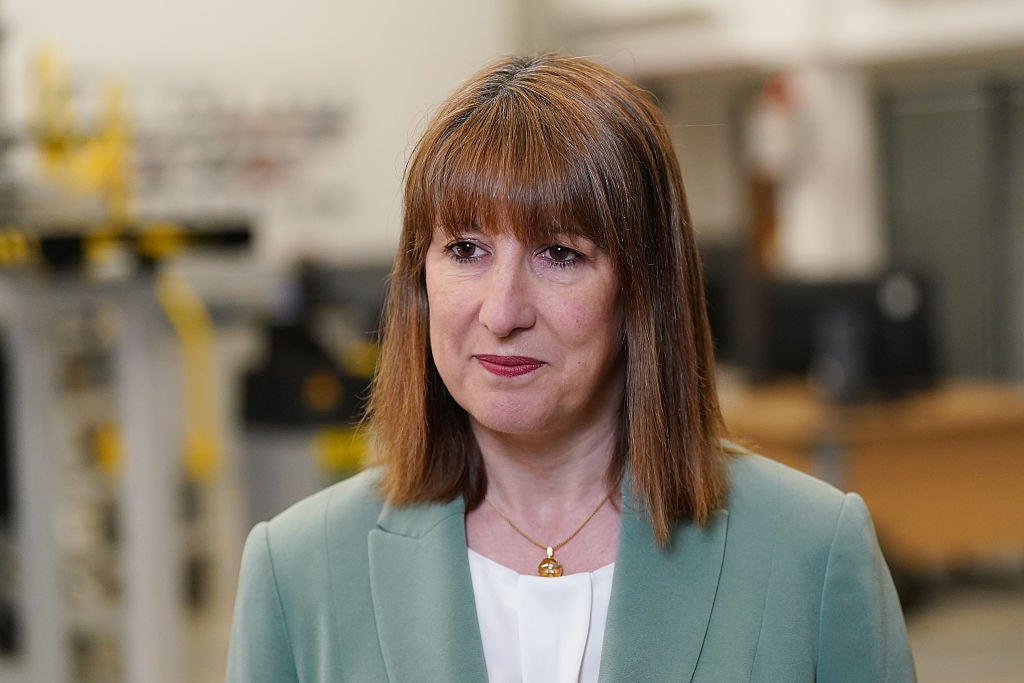
Chancellor Rachel Reeves has pledged targeted energy bill support for households based on household income in the future, but stopped short of universal measures.
In April, the government also announced a “five-point plan” to tackle the cost of living amid pressures from the Iran crisis. These included a £117 reduction to Ofgem’s energy price cap from April and investing in energy security to make Britain less susceptible to market volatility.
A Treasury spokesperson said: “We have the right economic plan to deal with price rises caused by the war in the Middle East. It’s not our war, we’re not joining it, but we’re not immune to its effects, which is why we’re supporting families with the cost of living in a responsible way.
“That includes taking £117 off household energy bills, increasing the national living wage to give a £900 boost to millions of workers, and freezing rail fares for the first time in three decades.”