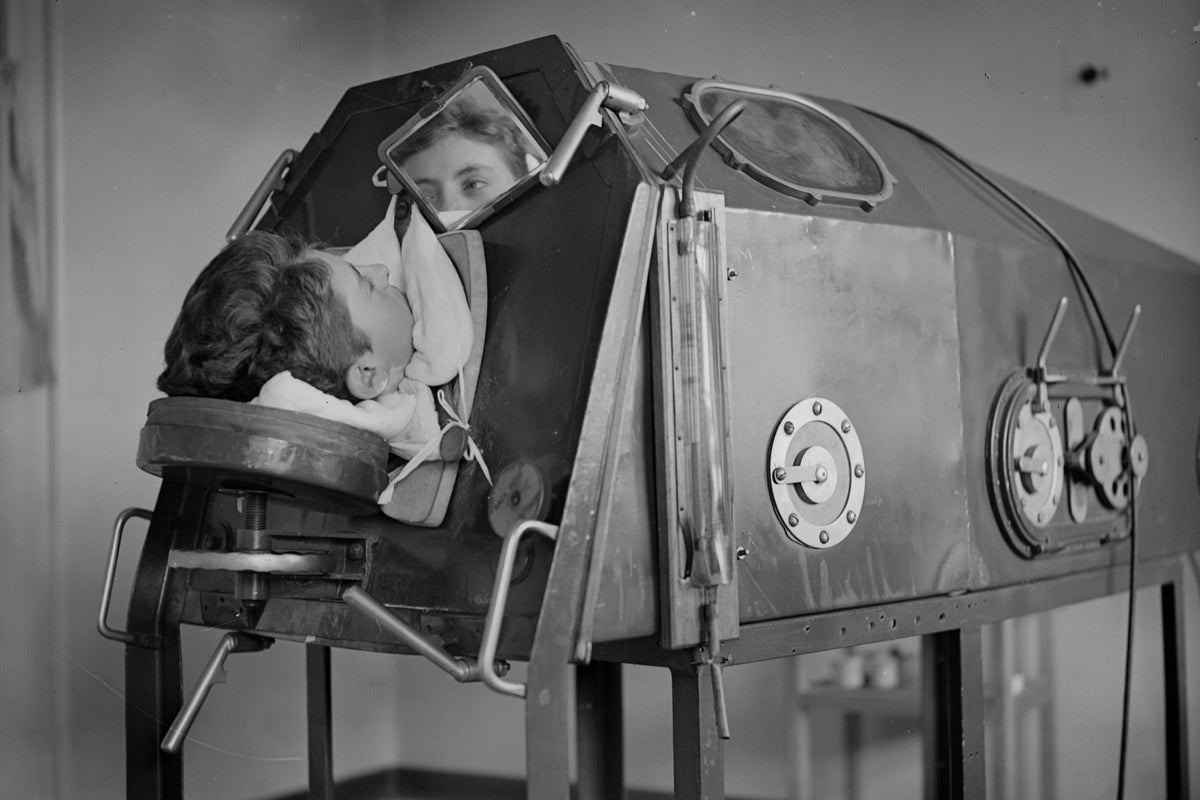




A U.S. citizen working with a humanitarian organization in Congo has tested positive for the Ebola virus, the U.S. Centers for Disease Control and Prevention announced on Friday, as the Central African nation grapples with a rapidly expanding outbreak.
The CDC confirmed it is collaborating with the individual’s employer, various U.S. agencies, public health authorities, and Congolese partners to prevent further transmission and identify close contacts. No additional details were immediately provided.
This development comes as the Africa Centres for Disease Control and Prevention recently described the current outbreak as the fastest-growing Ebola epidemic ever recorded on the continent, with 1,830 confirmed cases in Congo, resulting in 648 deaths.
Cases have also been identified in neighboring Uganda.
Earlier in the outbreak, an American doctor working in Congo also tested positive for the virus and was subsequently transferred to Germany for treatment.
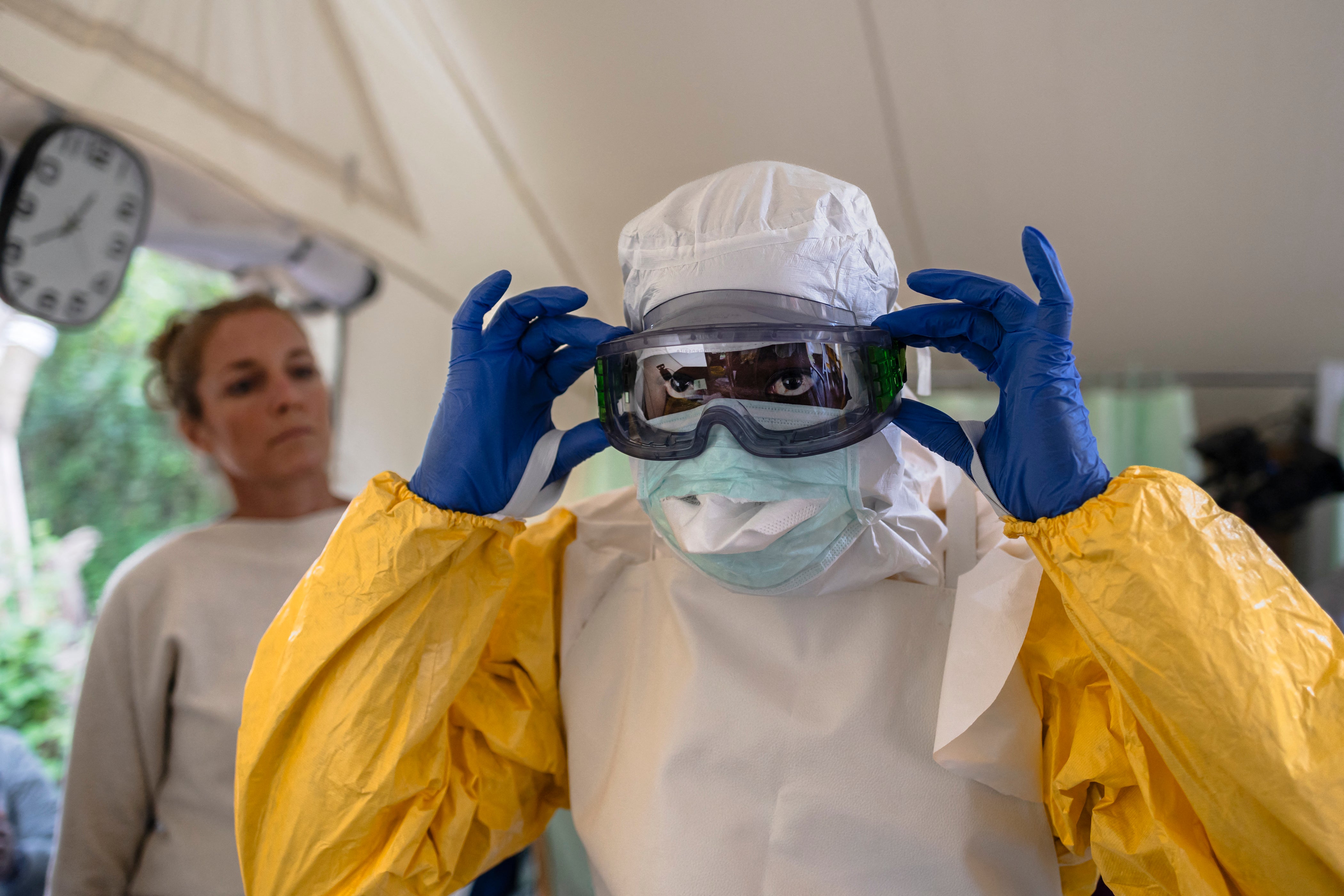
Officials in the previous U.S. administration had initially proposed sending Americans exposed to Ebola abroad to a new facility in Kenya rather than repatriating them, but this project was suspended following an order from a Kenyan court.
Congolese authorities declared the fresh Ebola outbreak on May 15, though the World Health Organization noted the disease had been transmitting for weeks without official detection.
The outbreak is caused by the rare Bundibugyo virus, for which there is currently no approved vaccine or treatment.
Containment efforts have been severely hindered by a funding shortfall, attacks on health centers, and ongoing conflict in eastern Congo, the epicenter of the crisis.
Last week, clinical trials for potential treatments commenced, offering a glimmer of hope in the fight against the deadly virus.
Ebola, a deadly infection that spreads person-to-person through bodily fluids, damages blood vessels, which can lead to life-threatening symptoms such as excessive bleeding, vomiting, organ failure and more.
Health officials are working quickly to keep the disease from spreading, though some experts have expressed concern that the lack of American intervention may make it more difficult to contain. Typically, the U.S. serves as a leader in controlling epidemics and pandemics.