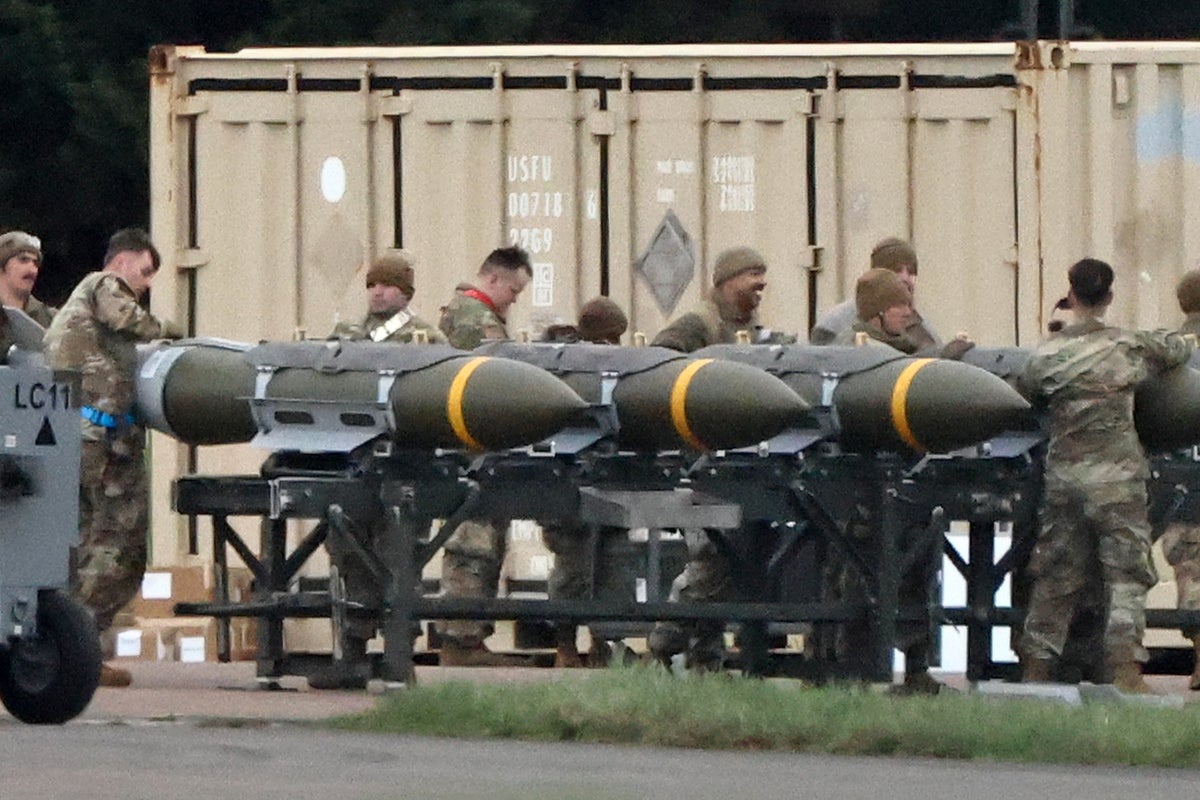
The UK has no way to stop ballistic missiles fired from Iran, military experts have warned – although they have also voiced doubts over Iran’s capability and its desire to carry out such a strike.
British defences lack the ability to shoot down ballistic missiles, they have claimed, and the systems that they do have are out at sea, and in numbers too small to be fully effective.
It follows a warning from Israel’s military that Iranian missiles were a threat to European cities – including London, Paris, and Berlin – after the failed attack on the British military base of Diego Garcia.
The base on the Chagos Islands is 3,800km (2,360 miles) away from Iran, further than previous estimates on the range of Iran’s missiles.
On Sunday morning, senior government minister Steve Reed stressed that Britain was safe, as he called Israel’s threat exaggerated and an attempt to garner support for the war. Hours later, a Ministry of Defence (MoD) spokesperson doubled down on Mr Reed’s comments, stating that the country had the resources to “keep the United Kingdom safe from any kind of attacks”.
However, some military experts have suggested that Britain could be left vulnerable if Iran did have the capacity to strike.
Professor Michael Clarke, who was director general of the Royal United Services Institute think tank, told The Independent: “Could Britain defend itself against ballistic missiles coming from anywhere, whether it’s Russia or Iran? The answer is absolutely no. We have nothing.”

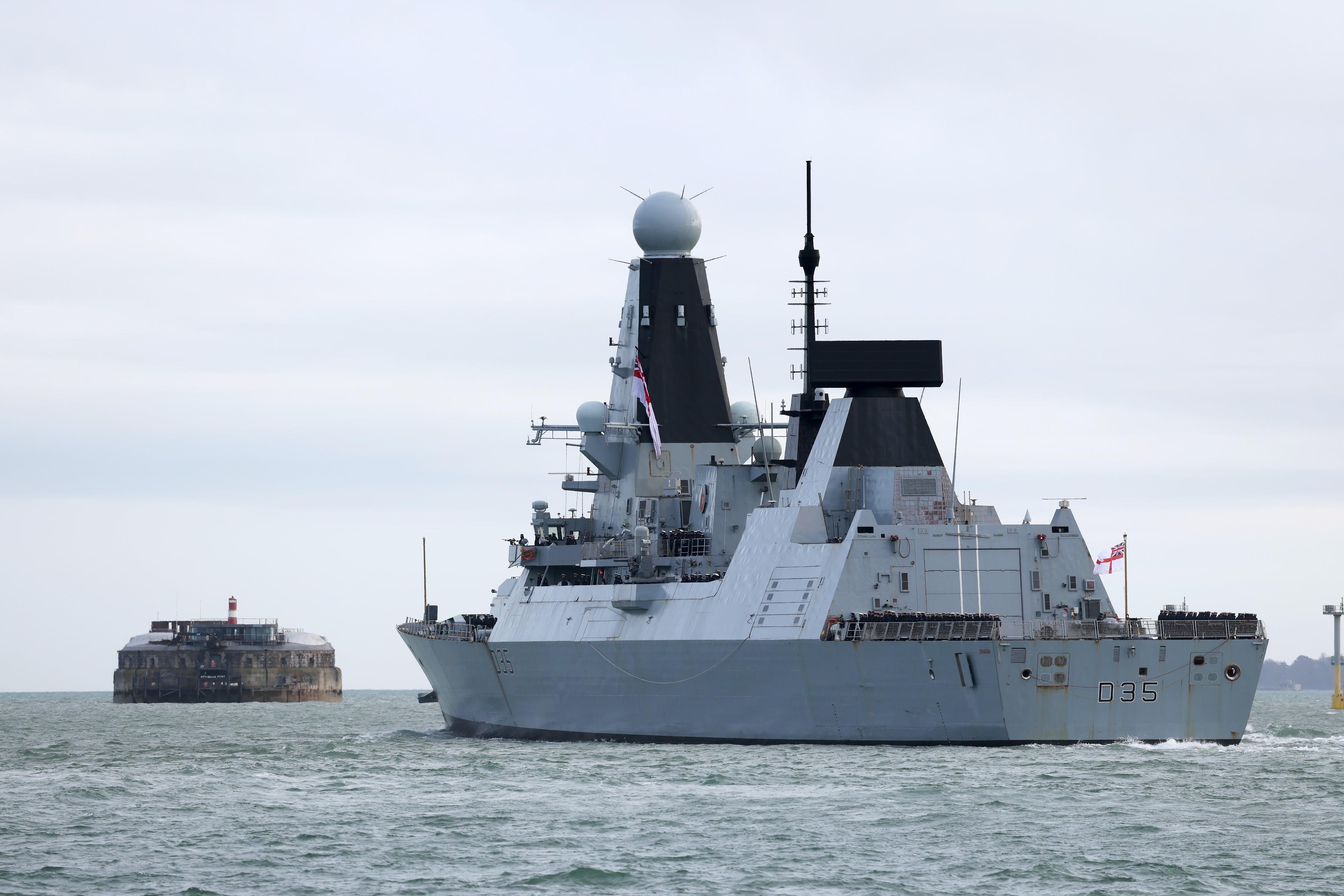
The only line of defence the UK had was its Sea Viper systems, he said, which are carried on the Royal Navy’s Type 45 destroyers and can counter ballistic missiles. One of the six destroyers, the HMS Dragon, has been ordered to Cyprus, while three others are in port and are effectively non-operational, Mr Clarke added.
But speaking on Sky News’s Sunday Morning With Trevor Phillips programme, Mr Reed said: “We have systems and defences in place that keep the United Kingdom safe, and that will continue to happen.”
The housing minister refused to say how close Iranian missiles had come to Diego Garcia, but said the fact that one was intercepted and the other failed shows “that our defensive capabilities are correct”.

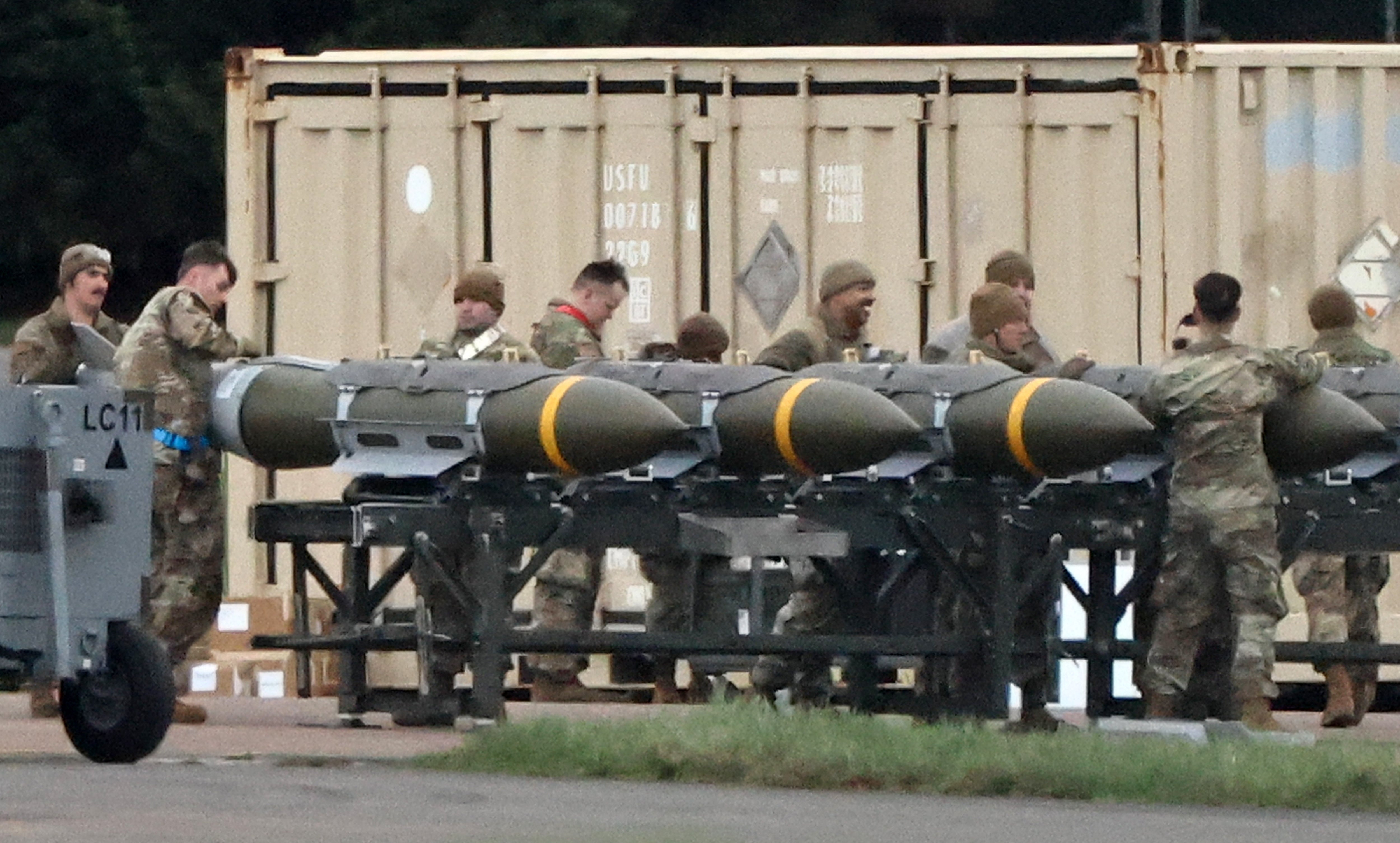
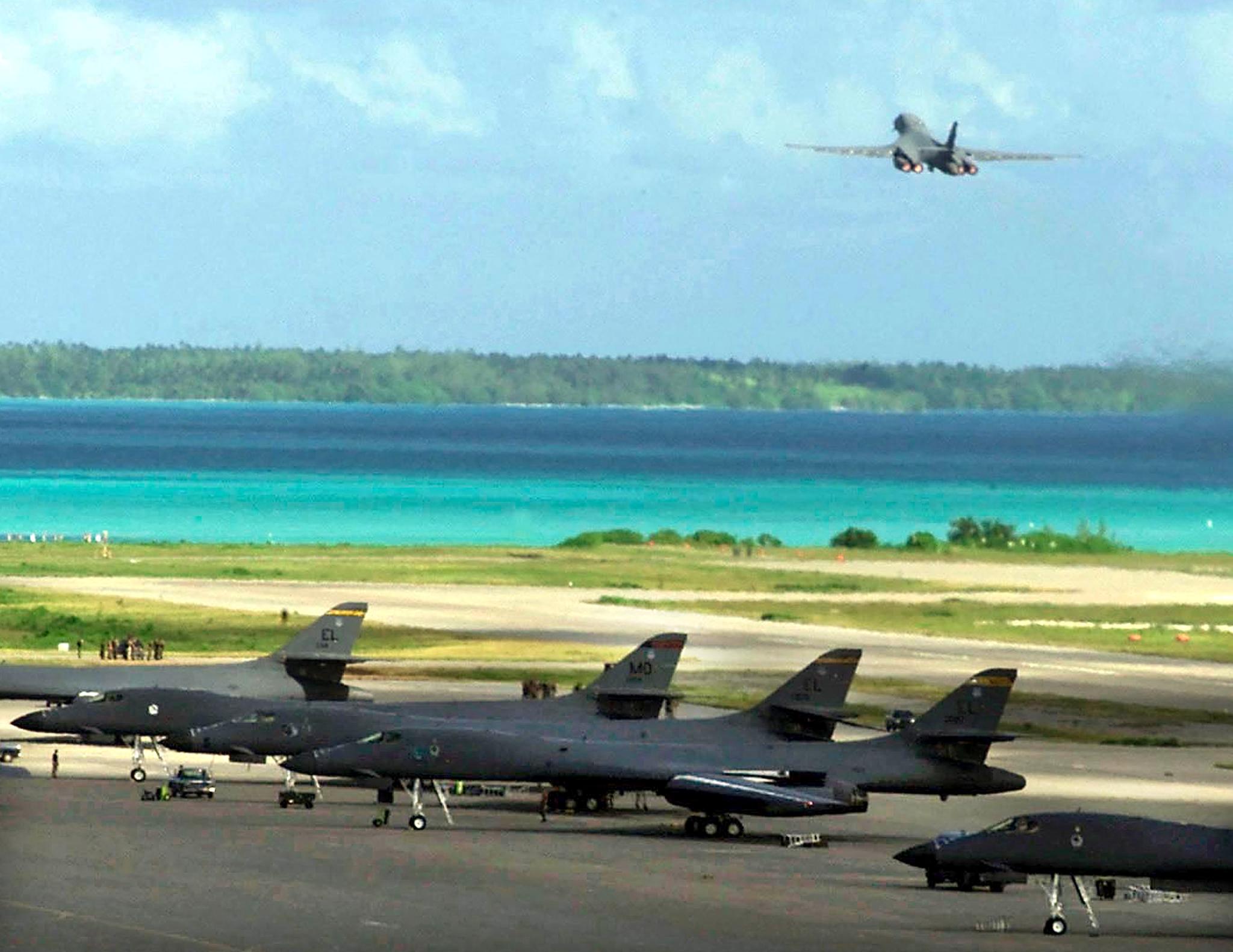
Mr Clarke said he was doubtful Iran had the missile range to reach the UK. “I’m not sure they could have reached Diego Garcia. We don’t know. The fact that they tried, it may have been just a political gesture,” he said.
Retired Brigadier Ben Barry, who was formerly a Nato commander and director of the British Army Staff, described the UK’s defence system as “not adequate” against the threat of weapons such as ballistic missiles.
He told The Independent: “UK’s ability to counter ballistic missiles, cruise missiles and drones, is not adequate to protect the UK homeland, and it’s not clear that it’s adequate to protect UK troops deployed overseas where there’s a considerable threat.

“If an enemy had ballistic missiles that were capable of reaching the UK, just having three ships would mean protection was pretty minimal. One could sit in the Thames covering London, but there’d be hard choices about what to do with the other two.”
Mr Barry, now a member of the International Institute for Strategic Studies, said that if Iran were to attack the UK, the defence force would have “the option of attempting to attack missile launchers. But to do that, it would effectively have to join the war along with the US and Israel. So far, the UK has said it supports only defensive action in the conflict.
“You could argue that it would be preemptive self defence, but in practice, to coordinate RAF aircraft looking for missile launches with Israeli and US aircraft, it would be very risky to do that unilaterally,” he said.

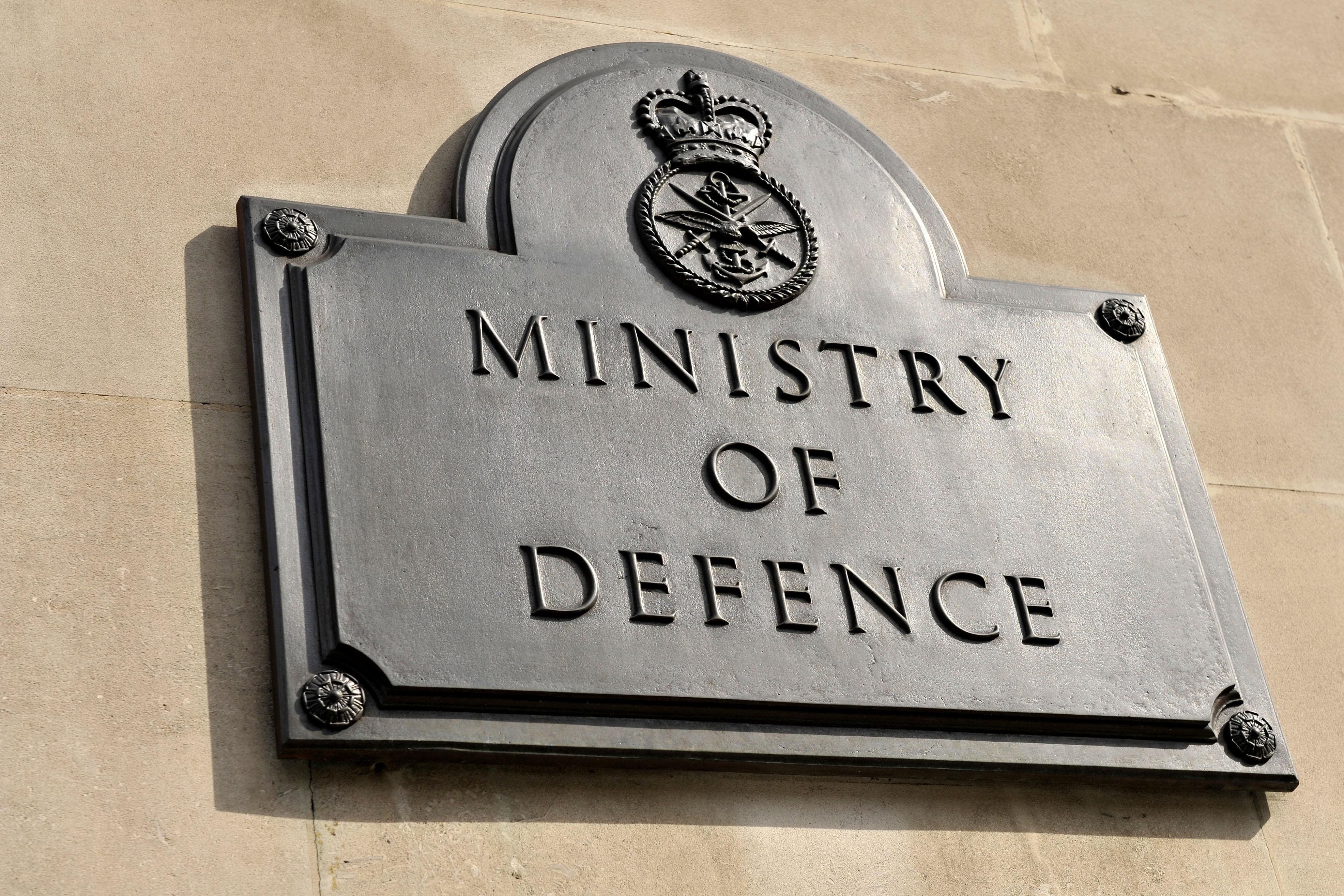
An MoD spokesperson said: “We have the resources we need to keep the United Kingdom safe from any kind of attacks, whether it’s on our soil or from abroad. The UK stands ready 24/7 to defend itself.
“The UK operates a layered approach to air and missile defence, provided by Royal Navy, British Army and Royal Air Force assets equipped with a range of advanced capabilities, working in tandem with our NATO allies.
“This government has prioritised the need for air and missile defence for UK national security after years of underfunding, and that is why last June, following recommendations in the Strategic Defence Review, we announced up to £1 billion in new funding to improve air and missile defence and keep the UK secure.
“This includes a new £118m contract announced last year to deliver six state-of-the-art Land Ceptor missile systems, which as part of the Sky Sabre system can hit a tennis ball-sized object travelling at twice the speed of sound.”