

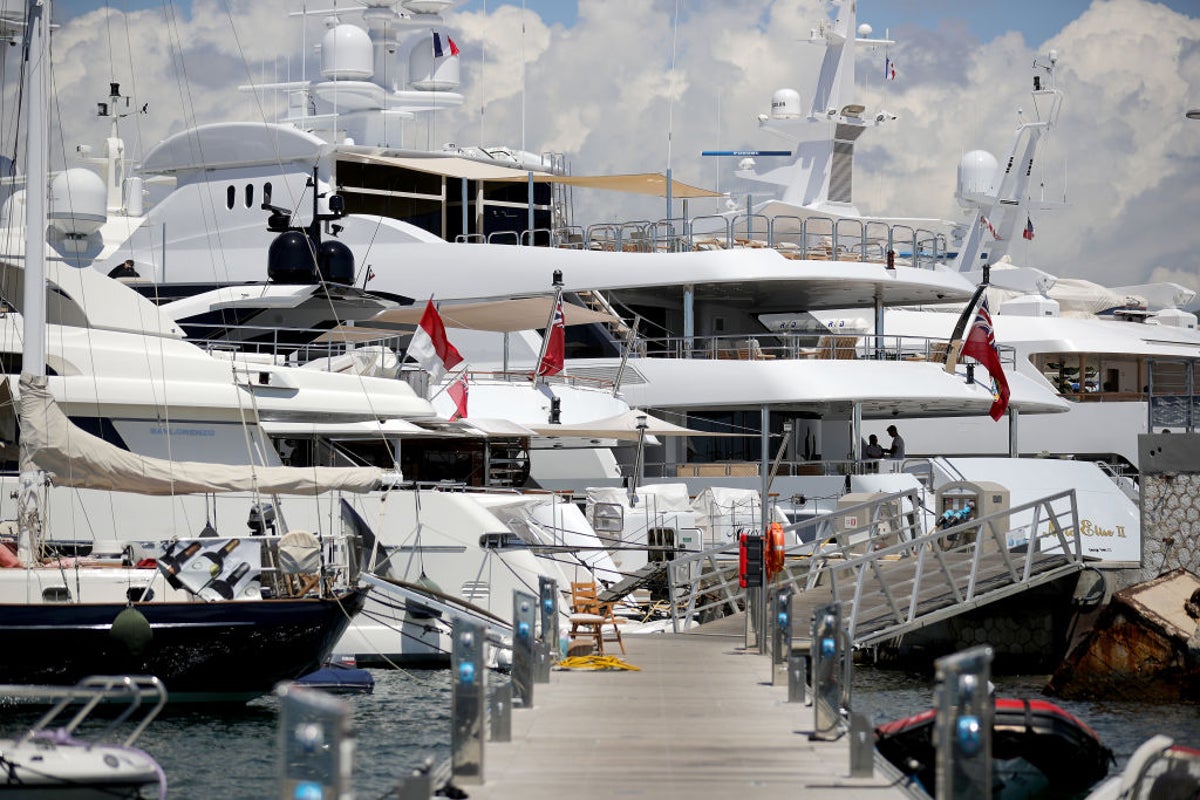
Among the statistics that define the United States, one is particularly eye-popping – the country has 989 billionaires, the most of any nation in the world by a long shot.
While many of the super-rich splurge vast sums on private islands, owning sports teams and space travel, more than half of American households don’t have the means to pay bills or save a little towards retirement, according to the nonprofit Urban Institute.
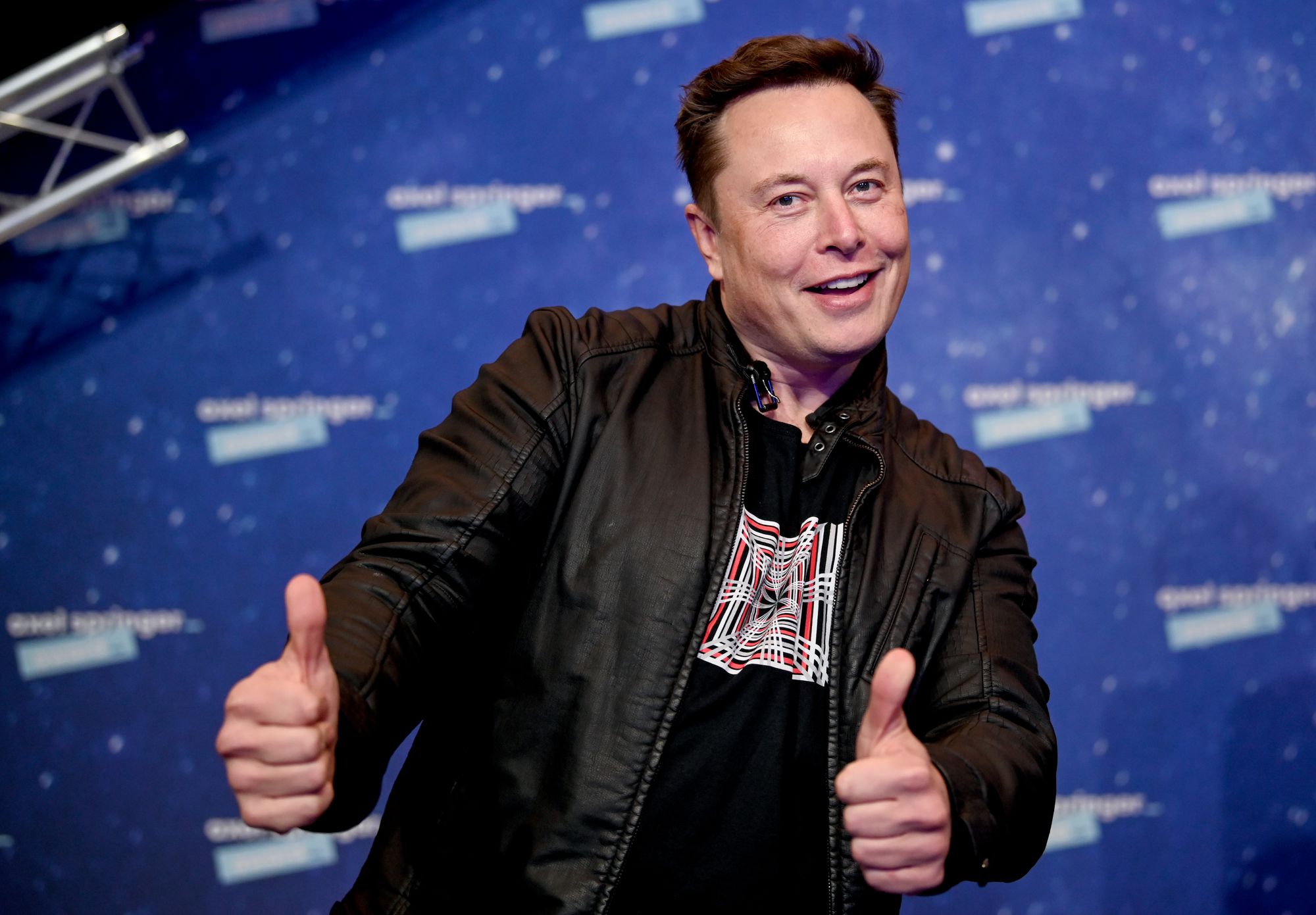
That chasm between the ultra-rich and workers is widening. Nearly a third of America’s wealth is held by 1 percent of the population, according to Inequality.org. The world’s richest person, Elon Musk, grew his fortune by $935 million per day in 2025, and appears set to become the world’s first trillionaire when his company, SpaceX, goes public later this month.
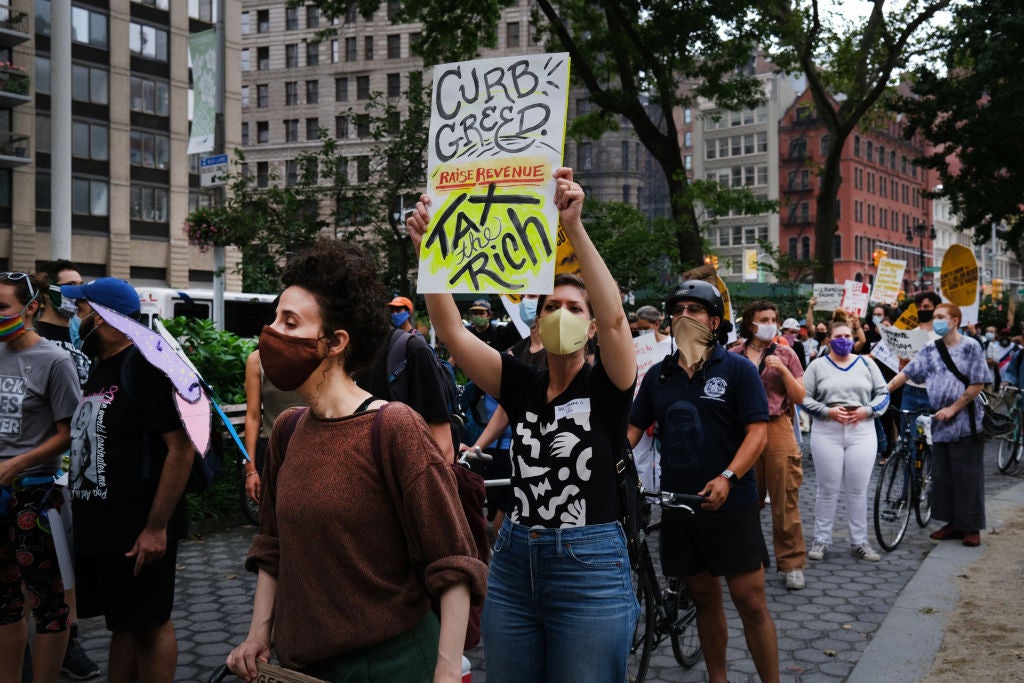
Discontent is also growing. Thousands of people across the U.S. took part in May Day protests last month to condemn billionaires for not paying their fair share of taxes while companies underpay workers.
Societal fraying aside, there’s a broader question of how extreme wealth impacts happiness. Money can pull people out of misery up to around a salary of $100,000 but after that, earning more money doesn’t have much of an impact on sadness, according to a study published in the March 2023 edition of the Proceedings of the National Academy of Sciences journal.



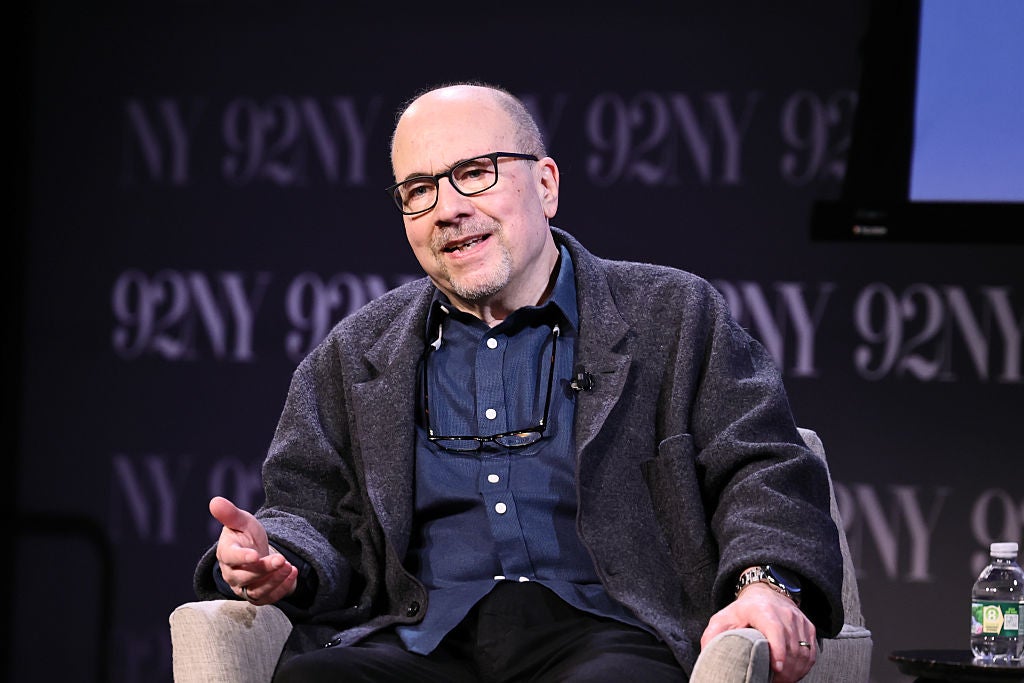
That’s something Craig Newmark, founder of classifieds site Craigslist who says he has given away $526 million over his lifetime, has seen play out.
“I looked around me to people who had a lot of money,” he told The Independent. “Most are miserable. And I don’t know about you, but between miserable and possibly happy, I choose possibly happy.”
‘The money I inherited … isn’t mine to keep’
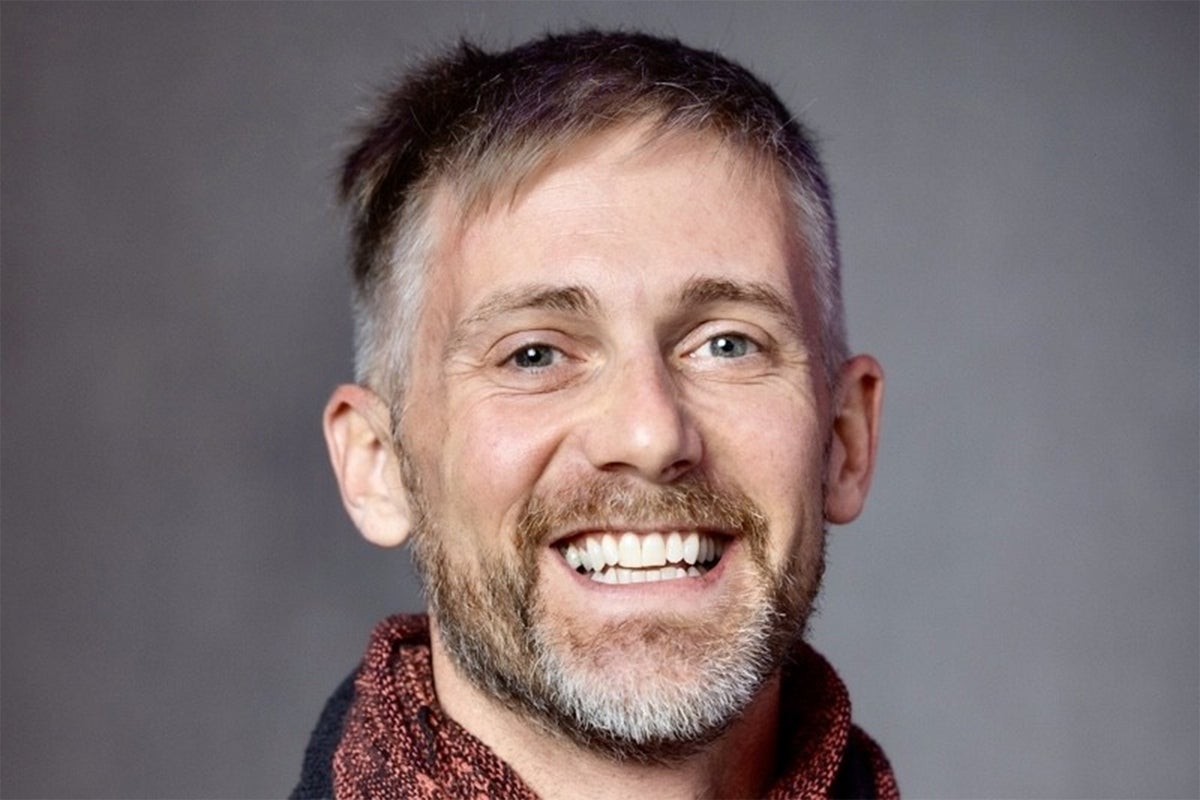
Katherine Hayes, a fifth-generation heiress of the multi-billion dollar Andersen Windows fortune, is crystal-clear on whether she thinks someone can have too much money.
“Yes,” Hayes told The Independent in an email. “When you have far more than you need to support a comfortable, secure life, it’s likely you will be schooled by the wealth management industry in a perceived scarcity mindset that encourages hoarding money.”
History is replete with stories of miserly millionaires and billionaires. J. Paul Getty Sr, the late oil baron who was worth as much as $1 billion in the late 1950s, was known for his frugality, haggling with his grandson’s kidnappers over ransom money, and installing a payphone at his New York mansion – all in an attempt to protect his wealth.
Hayes can understand where such impulses to hoard wealth come from.
“For much of my adult life … I was taught that sharing wealth directly with people I love was imprudent, disrespectful or dangerous,” she said.
But Hayes learned a different approach from her mother, Mary, who cashed out her stock from the family business and funneled “most” of her wealth into nonprofits around Bayfield, Wisconsin.

“She endured harsh criticism – our wealth protectors said she was too generous and created too much risk to returns,” Hayes said. “But she chose redistribution anyway because it enhanced her quality of life.”
By observing her mother, Hayes learned that one’s own life can be improved by giving to others.
“I realized that my mom was on the right path,” she said. “It has become clear to me that the money I inherited … isn’t mine to keep. I have been given the privilege to redistribute all that I don’t need.”
Hayes followed her mother’s example and cashed out her share of stock in the family company so she could donate to causes she believes in. She runs a financial consultancy, In Her Interest, which supports women with inheritances who wish to use that money for philanthropy.
No ‘universal threshold’
For Andrew Izyumov, a chartered financial analyst and CEO of AI investment platform 8FIGURES, there’s no “universal threshold for having ‘too much’ money.”
His company works with clients that have more than $100 million in liquid assets, and through that work, he has formed the view that wealth building comes in two stages – financial freedom and impact.

Financial freedom is the point where someone has enough money to cover all of their expenses for the rest of their life, he says, but underlines that that’s relative for each person. Once someone has reached financial freedom, then its about growing their net worth, he added, and turning that growth into giving.
“The most grounded individuals view their wealth as a responsibility and a source of impact rather than a means of personal luxury,” he told The Independent in an email.
If someone becomes too focused on growing their net worth without realizing that their needs are met, that’s when things can go wrong. “If investors do not recognize when their personal needs are met, they risk becoming trapped in a cycle of accumulation, losing sight of their original goals,” he said.
Half a billion dollars, given away – and happier for it
Craig Newmark, whose company Craigslist is valued at $3 billion, has become well-known for his generosity,
He estimates he’s given away more than $526 million since he founded the company when he was 41. In 2025, he joined The Giving Pledge, an initiative founded by Bill Gates, Melinda French Gates and Warren Buffett, where the ultra-rich commit to distributing at least half their wealth in their lifetime to good causes.
Home Depot co-founder Arthur M. Blank and OpenAI founder Sam Altman are also signees to the pledge, which has seen $206 billion given to causes including the National Gallery of Art, Meals on Wheels and the University of Chicago, according to nonpartisan research firm Institute for Policy Studies.
Newmark never intended to be rich, he said, and has held on to lessons he learned in Sunday School aged six: treat people like you want to be treated and know when enough is enough.
Military charities and cybersecurity initiatives are among the causes that Newmark enjoys donating money to, he said. And what makes him most happy is rescuing pigeons, coffee with friends and watching TV in the evening with his wife, Eileen.
The question of what to do with great wealth is something each person has to decide on their own, Newark believes.
“That’s an individual value judgment. For me, there is a thing as making too much money,” he said.
“Like [the Bible] says…sell all your possessions and feed the poor. I’m solidly in the Judeo-Christian tradition – and too much money means an opportunity to give it away.”