

A university professor who restrained a man attempting to steal his family’s car acted lawfully, a coroner has concluded.
The attempted thief lost consciousness and later died.
Daniel Smith, 35, was trying to evade police officers pursuing him in connection with an earlier burglary when the incident occurred in July 2022.
Devon Coroner’s Court heard that Smith, who was bleeding from cuts sustained on brambles and barbed wire, entered the Axminster, Devon, home of Geoff Thame.
He seized car keys and got into a vehicle belonging to Dr Charlie Thame, Mr Thame’s son, who also lived at the property.
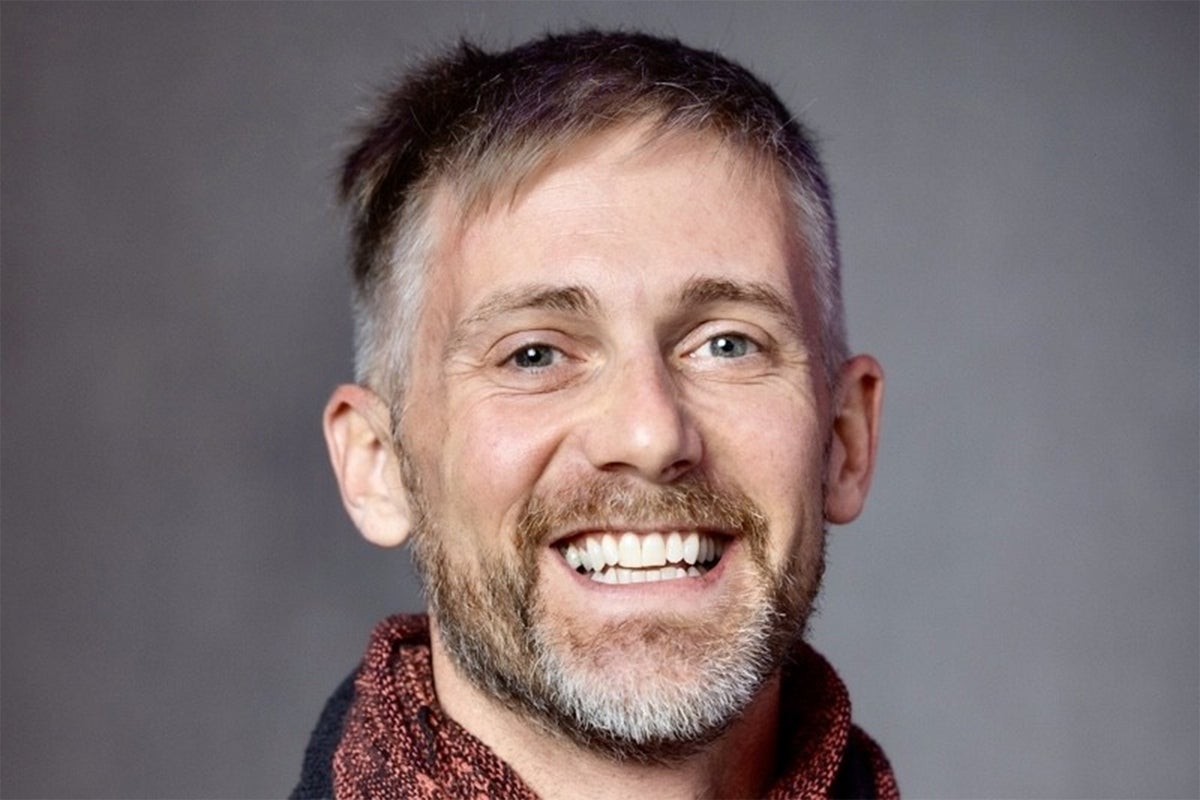
Dr Thame, who teaches philosophy at a university in Thailand, confronted Smith, restraining him in a headlock.
Smith, who had consumed cocaine and other drugs, subsequently suffered a cardiac arrest and lost consciousness.
He died later in hospital, the inquest was told.

-copy.jpeg)
Home Office forensic pathologist Dr Amanda Jeffery gave Smith’s cause of death as out-of-hospital cardiac arrest, caused by acute behavioural disturbance and cocaine use.
She also said that a “period of significant physical exertion and restraint” was a “significant contributory factor” in his death.
Philip Spinney, senior coroner for Devon, Plymouth and Torbay, said he had concluded that Dr Thame was acting in self-defence at the time he restrained Smith.
The coroner said Dr Thame was aware a man was on the run from police, and due to being covered in blood, he may have been involved in a violent incident with his partner inside the family home.
“There was little prospect of escaping in the vehicle without causing damage to property and or injury to those in the area,” Mr Spinney said in a ruling in Exeter on Wednesday.
“He feared for the sake of his father and others in the area. He used the force he believed was necessary to prevent Mr Smith harming others.
“Charlie Thame believed that police assistance would arrive quickly as police were in the area looking for Mr Smith.”
The coroner said Smith, from Yeovil, was restrained for no longer than one minute and 45 seconds, and Dr Thame released him as soon as he realised he was unconscious.
“In the circumstances, I judged that this was not unreasonable,” he said.
“The injuries identified at the post-mortem [examination] do not indicate the use of excessive force by Charlie Thame.
“In the circumstances, I judged that the use of force, the level of force, was reasonable.
“Taking the evidence as a whole, I judged that Charlie Thame acted in self-defence and the defence of others.
“I judged that the use of force was necessary in the circumstances.
“When considering the reasonableness of the force, the evidence supports the conclusion that Dr Thame acted at a time of great fear and anguish.
“His evidence was that he feared for his father’s life and others in the area.
“I judged that the force used was necessary and reasonable to prevent the possibility of his father and others being injured.
“I conclude that Dr Thame acted in self-defence and I will not be returning the conclusion of unlawful killing.
“There can be no criticism of Dr Thame, who acted courageously to protect those around him.”
The coroner returned a conclusion of accidental death.