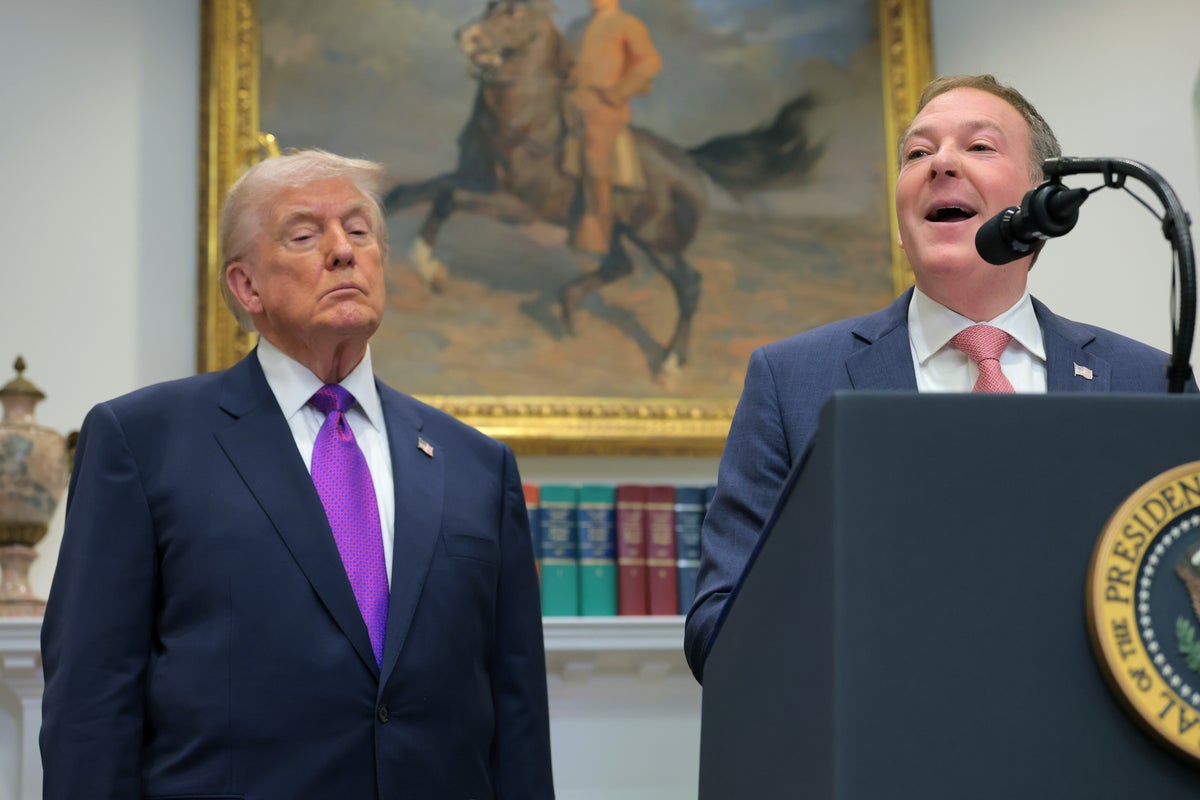
The Trump administration is poised to relax a federal regulation requiring grocery stores and air-conditioning companies to curb greenhouse gas emissions from cooling equipment, a move officials claim will reduce grocery costs for American families.
Lee Zeldin, head of the Environmental Protection Agency (EPA), stated that the current rule, established during the Biden administration, imposes costly restrictions on the types of refrigerants U.S. businesses and households can utilize.
The new policy, Zeldin asserted in a statement, will “allow businesses to choose the refrigeration systems that work best for them, saving them billions of dollars. This will be felt directly by American families in lower grocery prices.”

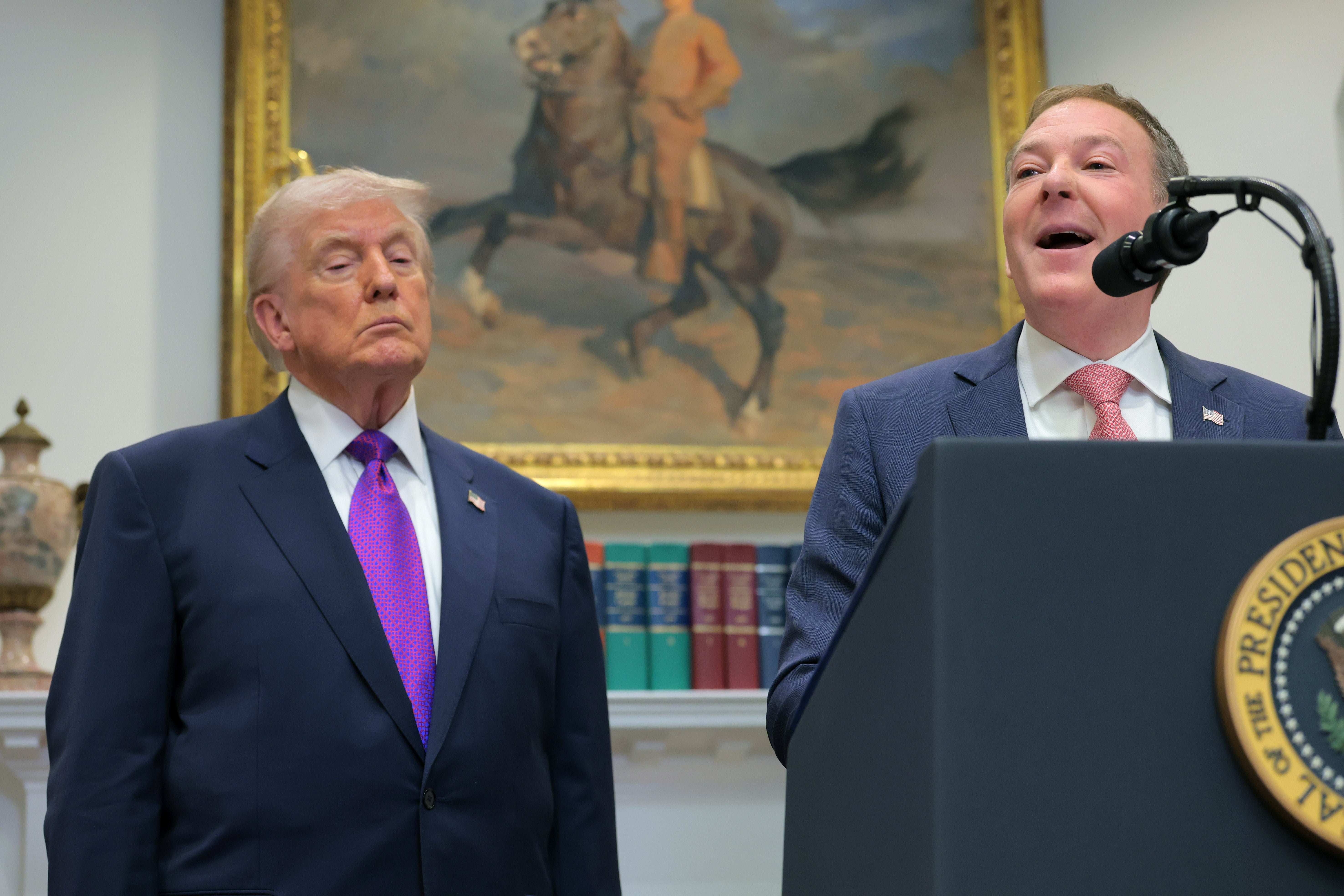
This announcement precedes a White House event on Thursday, where President Donald Trump is expected to unveil the changes, joined by executives from major grocery chains such as Kroger and Piggly Wiggly.
Amid escalating voter concerns over the cost of living ahead of crucial November elections, the Republican administration is actively seeking to address affordability issues, though the precise impact or speed with which this refrigerant rule change might ease grocery prices remains uncertain.
This initiative comes as inflation in the United States climbed to 3.8% annually in April, driven by price surges linked to the war in Iran and Trump’s extensive tariffs. Wage gains are currently being outpaced by inflation, as the ongoing conflict has kept oil and gasoline prices high.

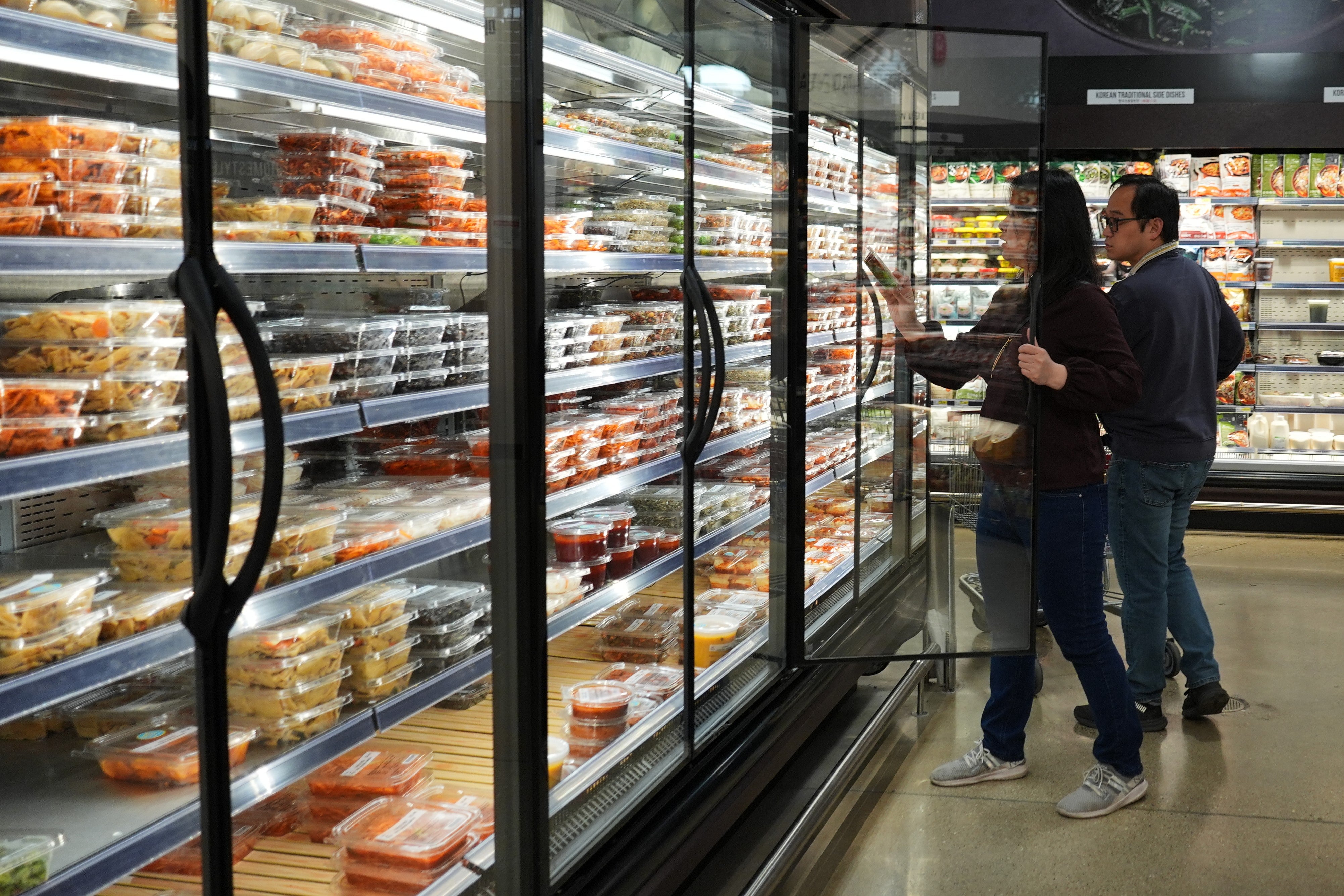
The administration’s decision on refrigerants marks a significant reversal, given that President Trump signed a law during his first term to reduce harmful, planet-warming pollutants from refrigerators and air conditioners.
That bipartisan measure garnered rare consensus between environmentalists and major business groups on the contentious issue of climate change, earning widespread praise across the political spectrum.
The 2020 legislation reflected a broad, bipartisan agreement on the urgent need to phase out domestic use of hydrofluorocarbons (HFCs), which are thousands of times more potent than carbon dioxide and are recognized as a primary contributor to global warming.
This latest EPA action underscores the second Trump administration’s broader agenda to dismantle regulations perceived as climate-friendly. The plan is part of a series of sweeping environmental overhauls that Zeldin has declared will put a “dagger through the heart of climate change religion.”
Environmental groups have sharply criticized the administration’s proposals, warning that a rule announced last year would exacerbate climate pollution and disrupt a years-long industry transition towards new, alternative coolants to HFCs.