



A three year-old boy has died after becoming trapped in a car in Paris as France recorded the hottest day in its history.
The toddler slipped into the family car while his father thought he was sleeping but was unable to get out due to the child lock, public prosecutor Guirec Le Bras said.
The child’s mother was having a nap with the couple’s 18-month-old other child while the father worked in the garden shed, the prosecutor told French media.

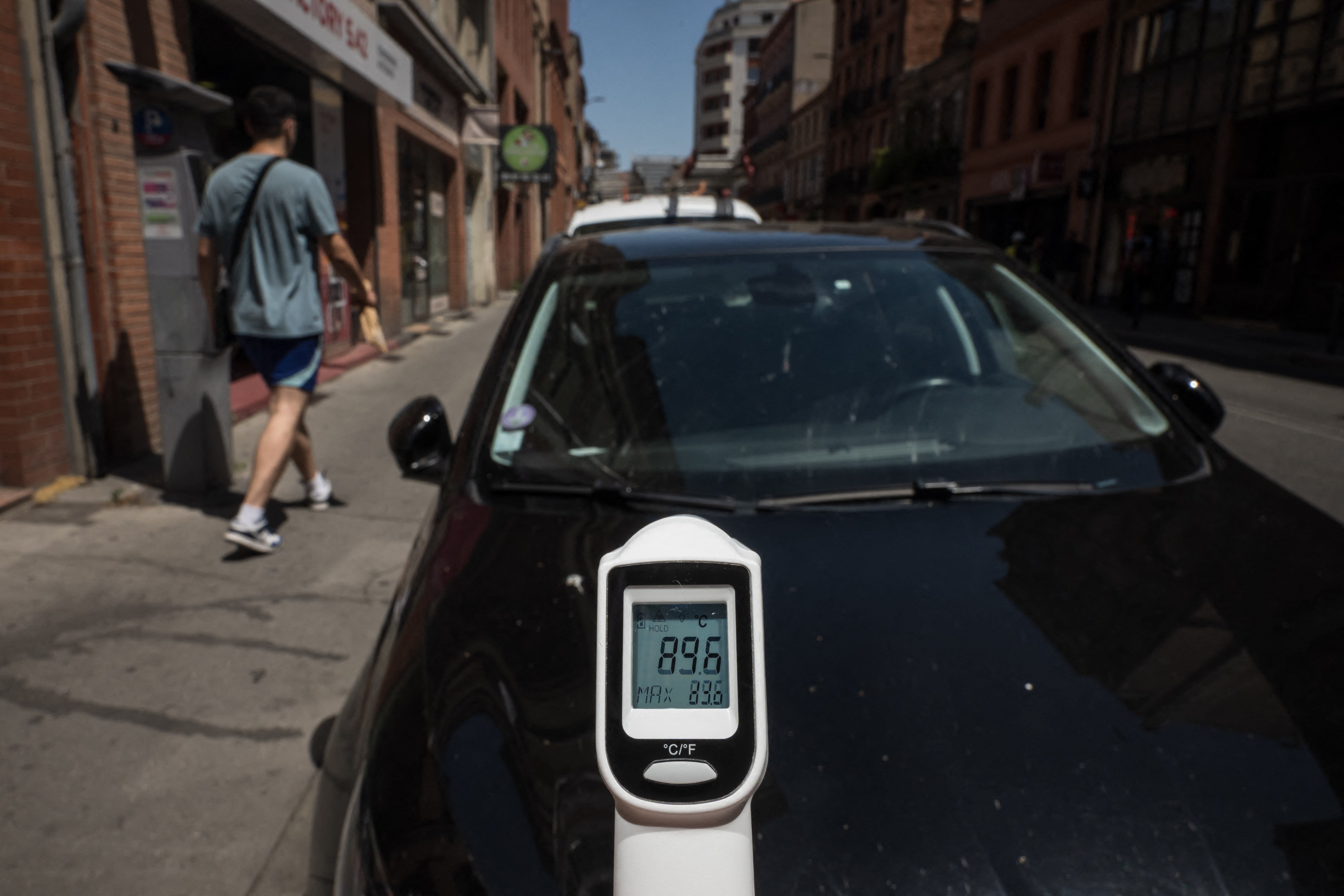
“He apparently shut himself in and became trapped in the vehicle before being found unconscious by his parents,” the prosecutor said, adding that the mother is in hospital in a state of shock.
The death is the latest in a series of heat-related tragedies as the European heatwave claims dozens of lives.
On Monday, two young children aged two and four, died after being found in cardiac arrest inside their mother’s car in a residential car park.
Paris faced another sweltering day after temperatures in the French capital hit a June record of 40.9 degrees Celsius on Wednesday – the first time in 150 years temperatures in the capital surpassed 40C.
Parts of southern England and Wales were facing another day of record-breaking temperatures, with a peak of around 37 C in some areas, after a new June high of 36.1 C was set in Hampshire on Wednesday.

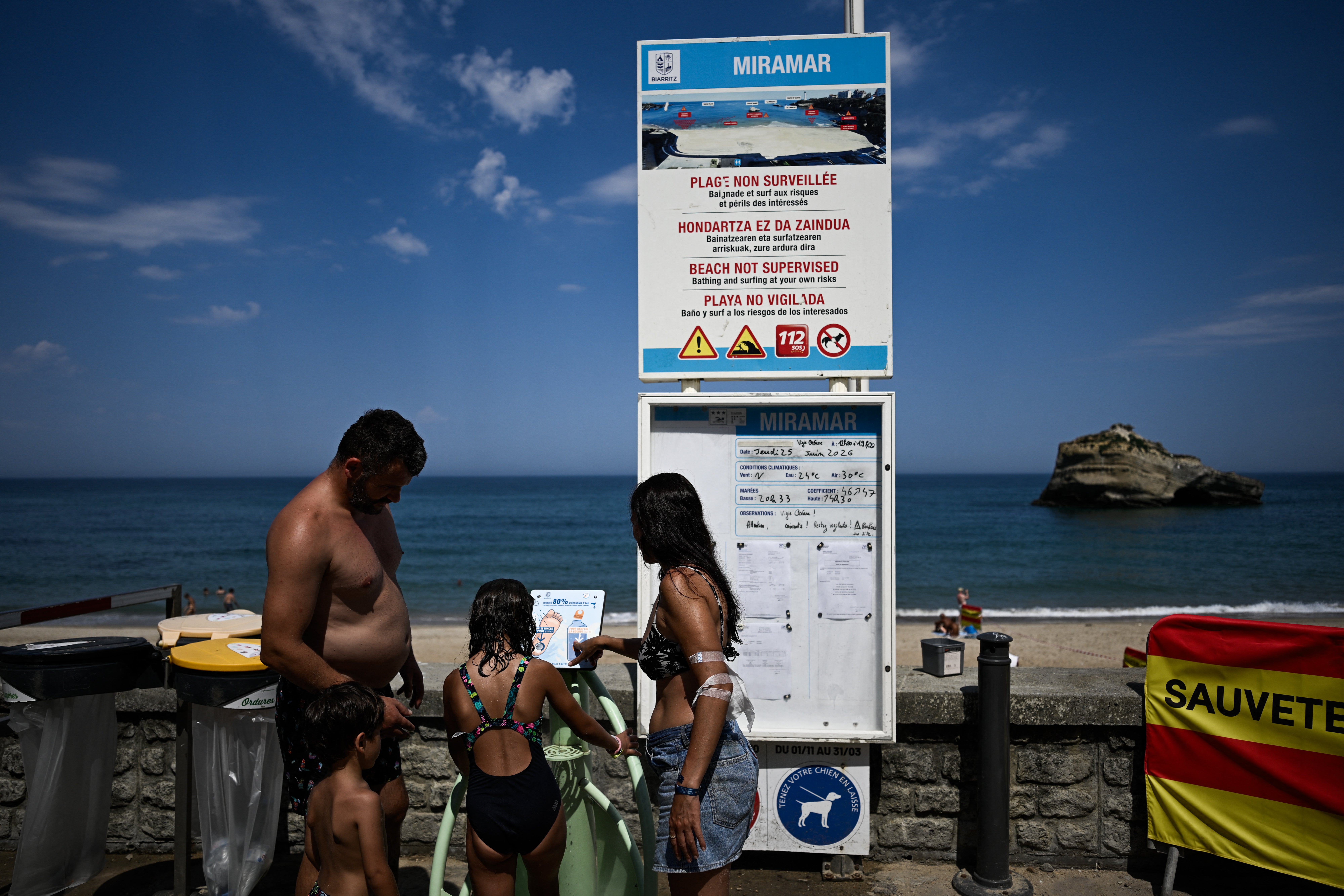
The French capital’s mayor, Emmanuel Gregoire, told Parisians to slow down on Thursday as the deadly heatwave disrupted power supplies, and shut schools and cultural landmarks in large parts of western Europe.
French prime minister Sebastien Lecornu has activated the highest level of health services mobilisation in the face of a heatwave – which means non-urgent operations could be cancelled to focus on hot weather-related emergencies.
It is unclear exactly how many people died, but earlier this week authorities said 40 had passed away just from drowning.
Although the heatwave is set to die down by next week, French authorities are now warning that the country could return to extreme heat in early July.
Minister for ecological transition Monique Barbut told FranceInter: “There is a strong probability that, starting the week after [some point after July 6], we will return to extreme heat… until July 14.”
France first implemented a number of measures against heatwaves after one in 2003 caused nearly 15,000 excess deaths, with the elderly the hardest hit.
This time around, ministers have said, younger people were a particular concern.
“The profile of people currently facing health risks is not necessarily what one might expect — that is, the most vulnerable, because they are closely monitored and well informed,” Mr Gregoire said on broadcaster TF1.
“Rather, it’s people aged between 50 and 70 who are generally in good health, but who think this is just a normal period and continue going about their usual activities as if nothing has changed. Really, protect yourselves,” he said.