



Jude Bellingham looked like he can fulfil all that talent, but Thomas Tuchel has already fulfilled one promise. The England manager had promised that an occasion like this World Cup 2026 match would “bring out the best in us”, but it may have done even more than that.
It may well have been the country’s best spell of tournament football in decades, and perhaps the most convincing victory in some time. The game ended up 4-2, but it could genuinely have been 7-2 from the 10-minute spell after half-time alone. Croatia barely knew where to turn, let alone where to look.
By that point, Harry Kane had equalled Gary Lineker’s World Cup finals record of 10 goals thanks to his double, but that seemed no more than a footnote, as if it had come in a different and more disparate match.
Another match of four quarters – the hydration break booed by England fans – really was a game of two halves.
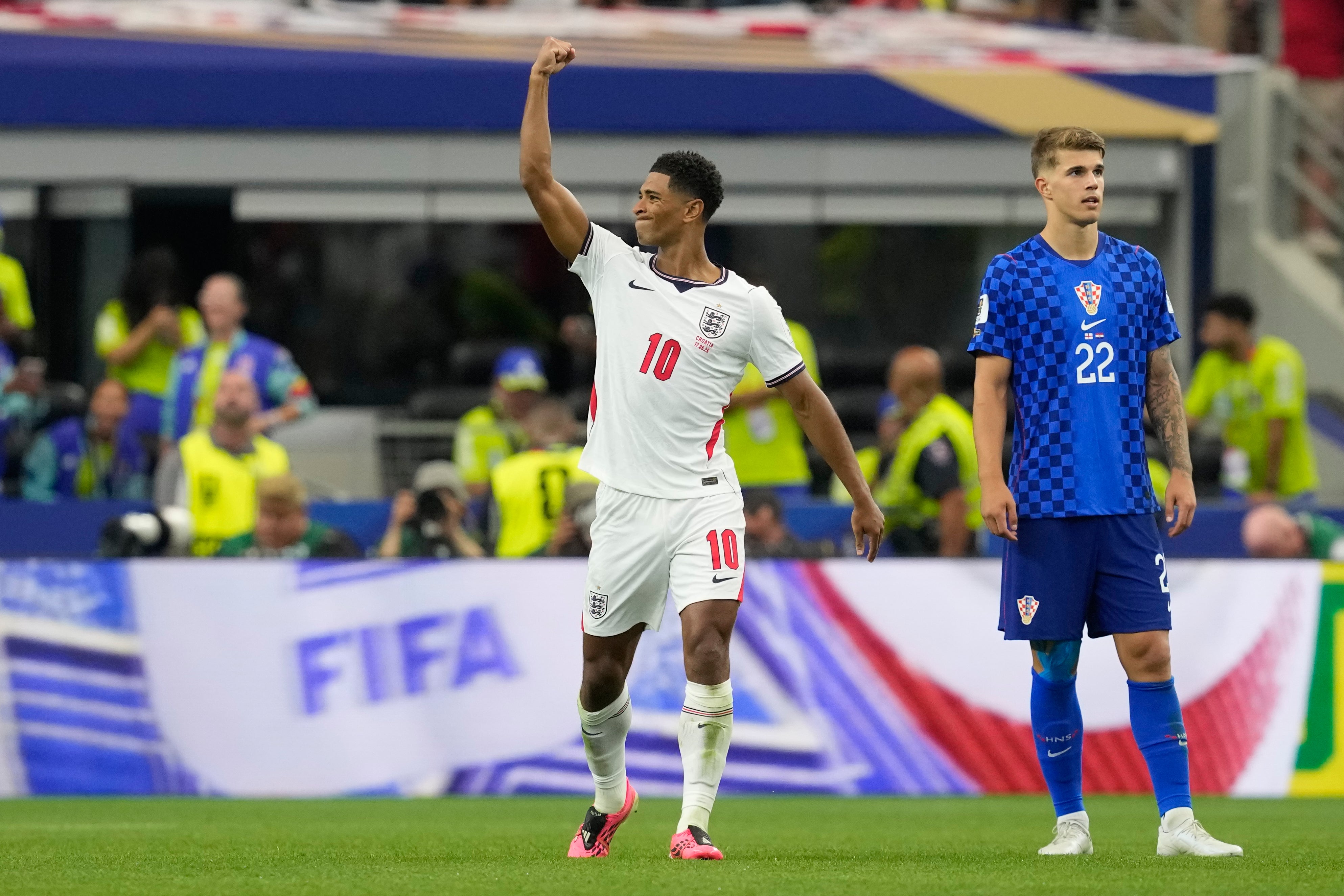
That second-half onslaught was sparked by a crucial and clinical individual goal from Bellingham, that might also have marked some important changes for this team.
One was the transformation from the first half. If Anthony Barry’s remarkably frank half-time interview was anything to go, Tuchel and his staff were typically candid.
Where England had previously been playing with “a lot of nervous energy” that produced a “complicated and confusing first half”, they were suddenly performing with a focused aggression and real clarity.
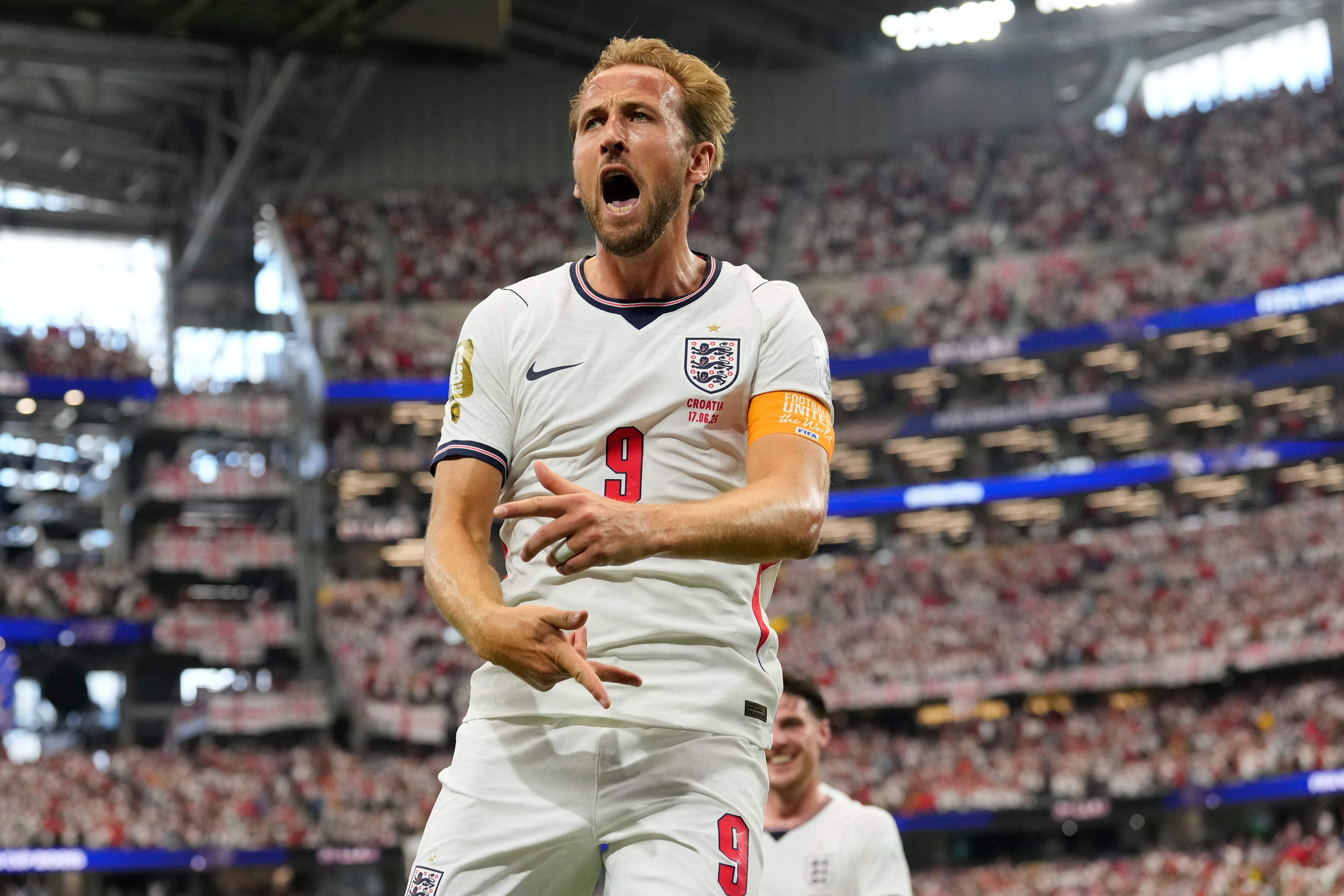
It was the “clarity of purpose” Tuchel always has constantly been trying to drill into them.
That was perfectly distilled in that driving Bellingham run, where he had absolutely no doubt or hesitation about what he was doing. He was going straight for goal.
There was an extra defiance to that, too, given how it had been Bellingham and Elliot Anderson largely culpable for Croatia’s brilliant first.
And, through that, there was also the biggest transformation of all.
For so much of the first half, this had seemed like the same old story for England.
They’d gone two years without a proper test and here they were again, struggling to keep control and ceding midfield in a match against the first quality side they’d played.
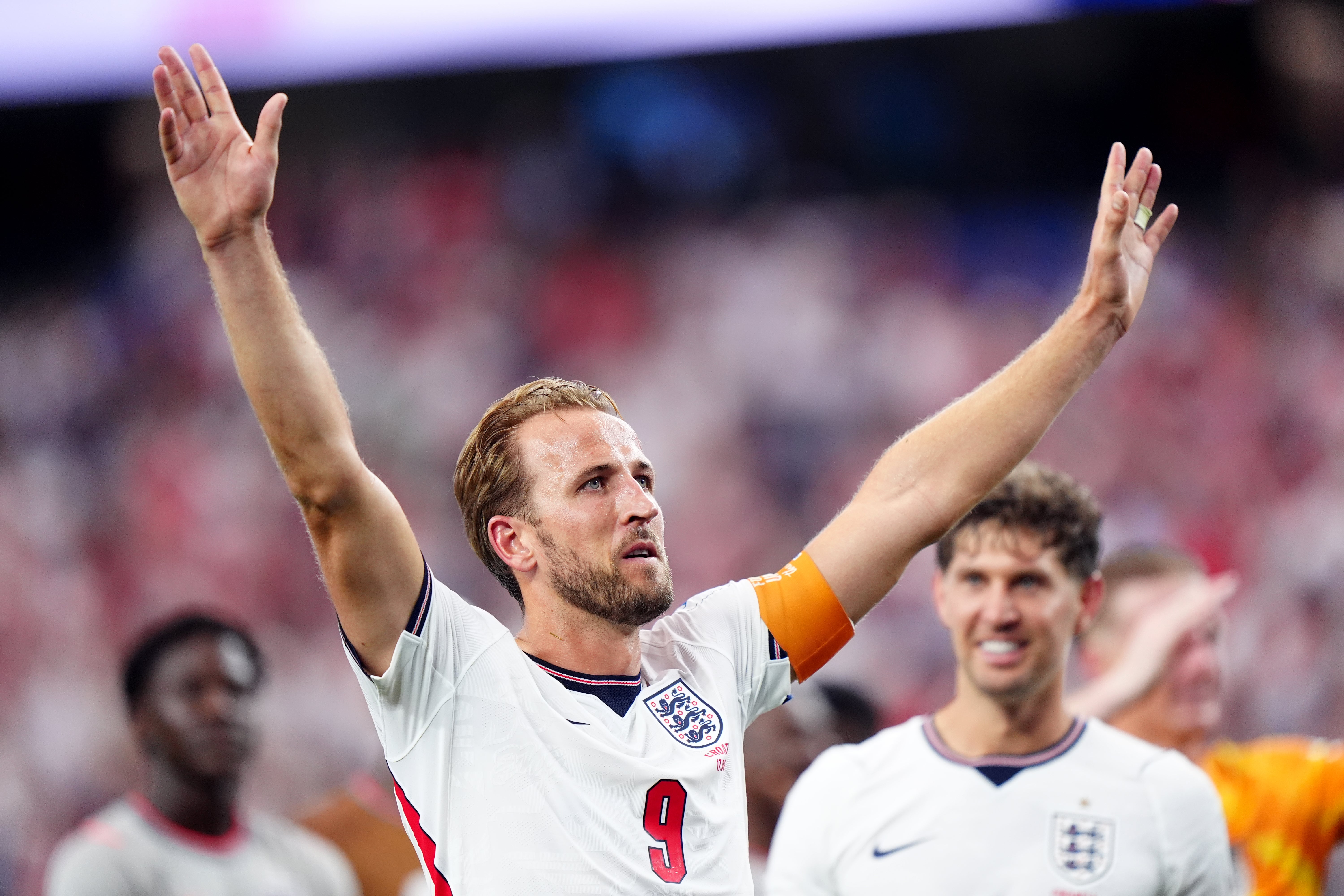
That can be banished, for now, even if this is not exactly the Croatia of 2018 or 2022.
England, through sheer intensity and unique qualities, just wrestled the game back. Where Croatia previously had control of possession, England just took command of everything else.
The set-pieces had helped England stay in it prior to that, and may be a crucial weapon if England do find themselves in more testing ties than this.
Mikel Arteta must have been smiling wryly. Declan Rice’s deliveries produced the Luka Modric foul on Noni Madueke for Kane’s initial penalty – eventually retaken – and then a plundering header from Kane.
Another huge advantage, especially in the conditions of this World Cup, is that bench.
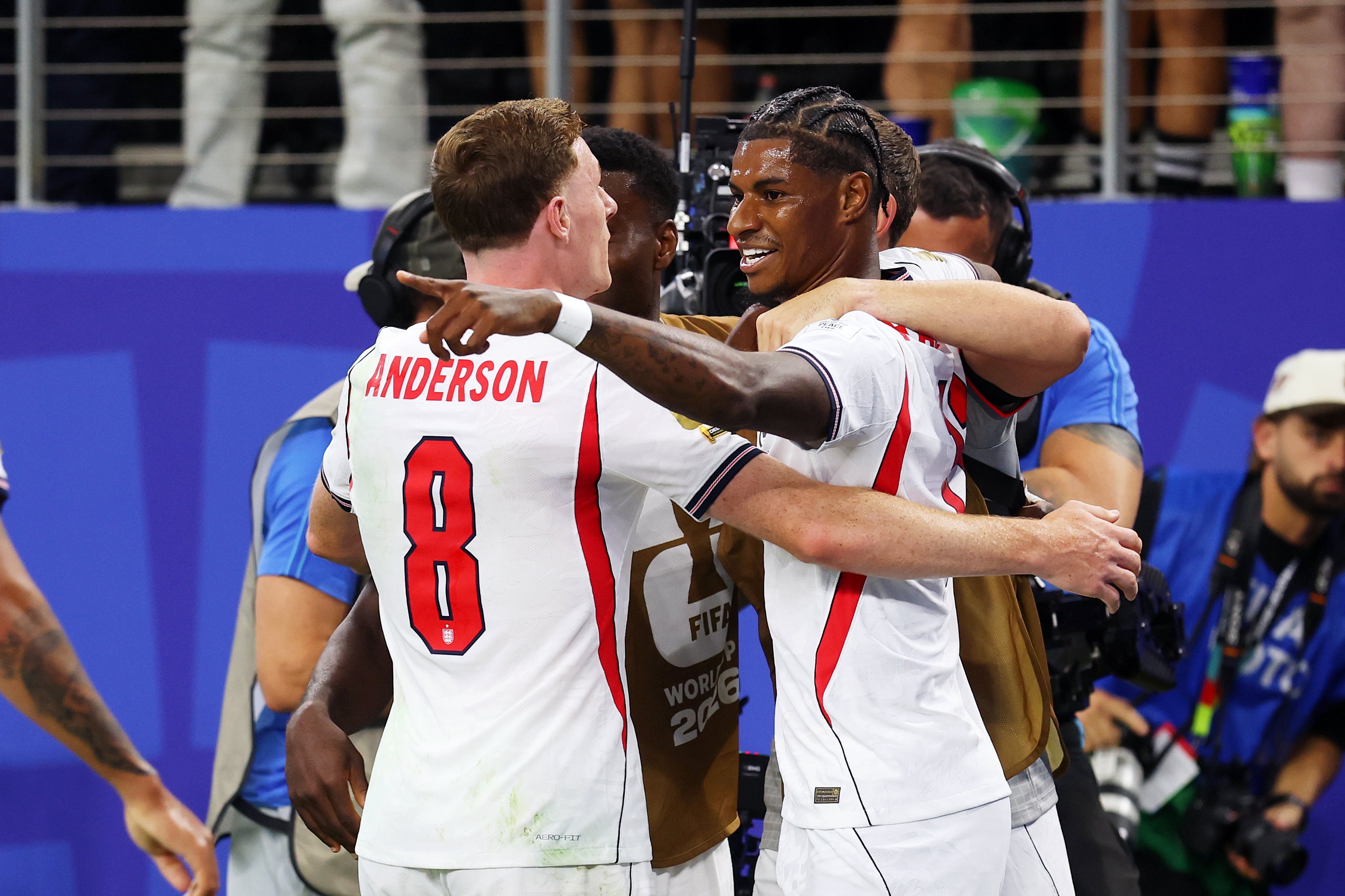
Marcus Rashford came on to score after Bukayo Saka had also opened so much space.
There were still a few warnings within the 90, that might need to be heeded against higher-class opposition that don’t have a series of stars in their late 30s and beyond.
The manner in which Croatia constructed their two first-half goals posed quite a contrast to England’s four, and especially their midfield play.
It wasn’t just that Anderson, Rice and Bellingham couldn’t control the game but how easily they were losing possession and space. For the first, Bellingham was notably weak in midfield, with Anderson then out of position from his own bad pass as Croatia surged forward. John Stones could do little but slide in vein as the ball was clipped back to Martin Baturina. He let fly spectacularly, but Jordan Pickford might have been stronger.
You could say the same about the whole defence for the second. How do you have seven men on the edge of your own box and still have the ball clipped over you like that?
Peter Musa’s finish from Ivan Perisic’s deft little head-tennis knock-down was still tidy, but they shouldn’t have been allowed the space.
It could also be acknowledged that England’s best spell did coincide with Modric looking so fatigued he had to go off well before the hour.
Barry might well say – and everyone has now seen how very frank he is – the difference was more down to the team not following instruction, and repeatedly taking the wrong options.
They more than got it together.
Whether they can get it together in the same way is another question. England’s second-half transformation was driven by a shift in application, but also a very aggressive press. That was possible in an indoor stadium like this, but will they be able to do the same in humidity and heat?
This isn’t all about the physical though.
It’s also about the psychological.
For all of the evolution over the last decade, England have still had a complex about contests like this; about big games. This looked like it could be a similar story.
Tuchel and his players have instead wrought their first major change.
One promise has been fulfilled.

