

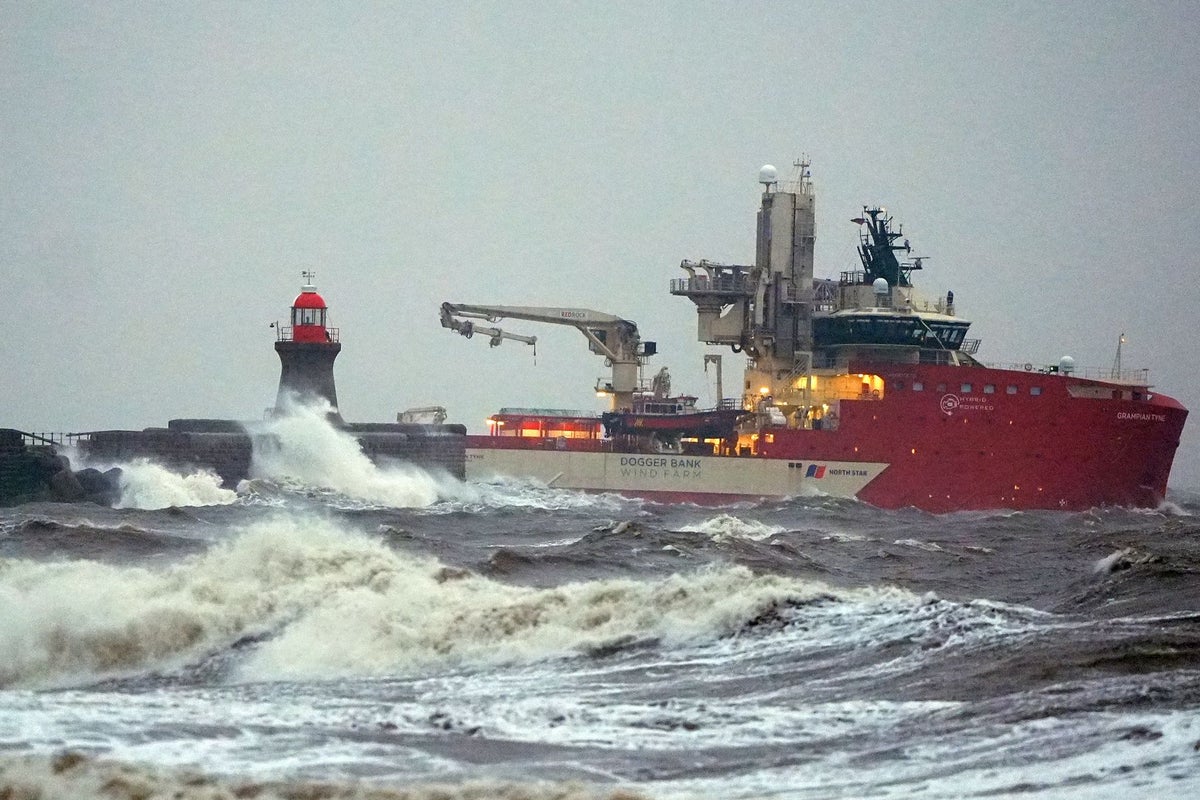
Britain generated more wind power in January than in any month on record, as a succession of severe storms pushed turbines to produce 10.6TWh of electricity, analysis shows.
The surge, driven by Storms Goretti, Ingrid and Chandra, surpassed the previous monthly high of 10.4TWh set in December 2023 and helped cut gas costs by an estimated £164m, according to energy think‑tank Ember.
“Windy January weather may not be everyone’s cup of tea, yet it helped British wind power set a new clean‑power record and keep expensive gas generation low,” said Josie Murdoch, an energy analyst at Ember.
Wind output was 3 per cent higher than the previous record, boosted by the trio of storms which have brought hurricane‑force gusts, along with heavy rain and widespread disruption to the UK in recent weeks.
The turbulent conditions meant wind and solar together also hit a new monthly combined record of 11.1TWh. Meanwhile overall electricity demand rose to 29TWh – up by 2 per cent since January 2025.

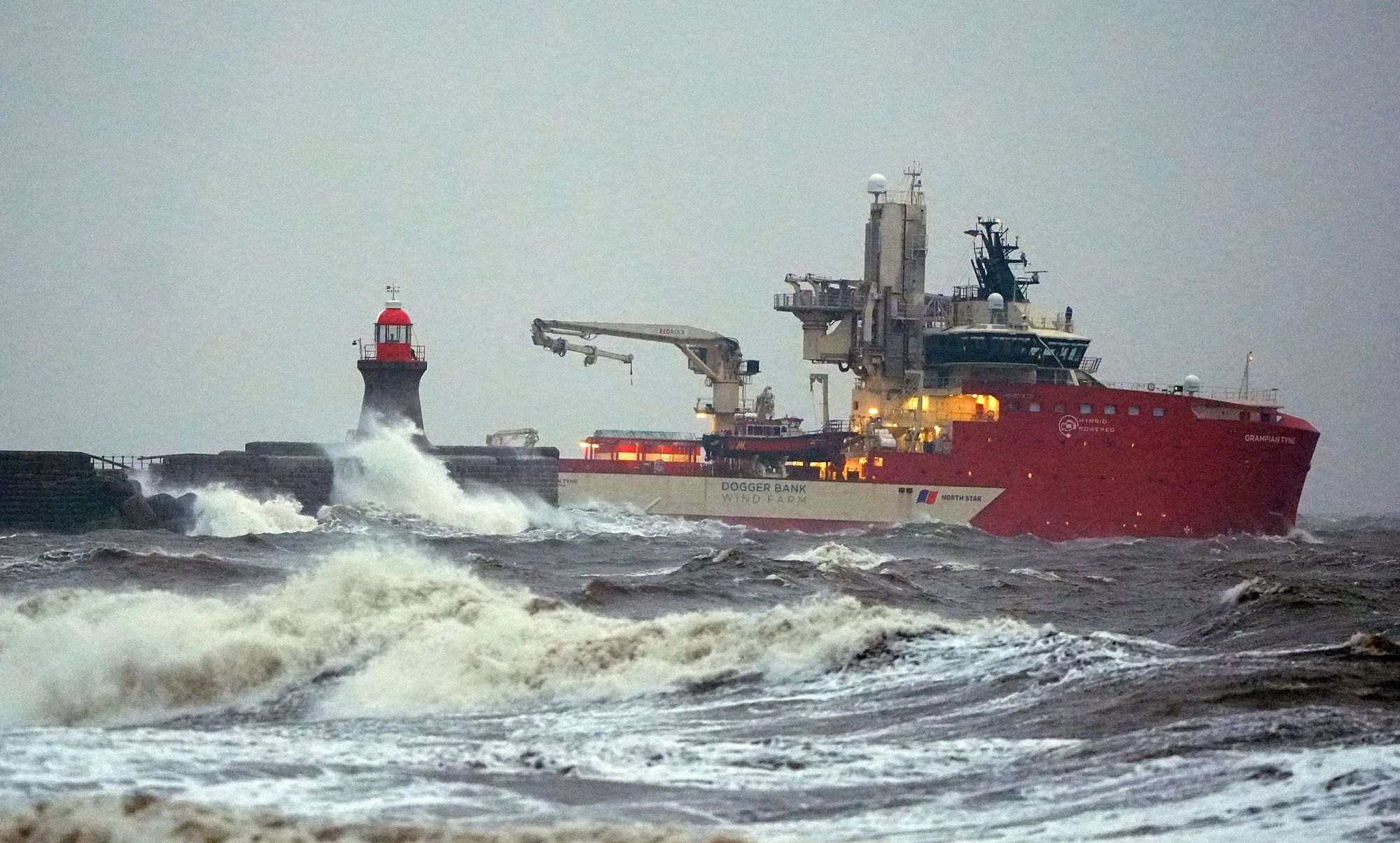
The record comes on the heels of the UK’s landmark 2026 offshore wind auction, which secured 8.4GW of new capacity across England and Scotland. Britain currently has 33GW of wind capacity, with a further 4.7GW expected to come online this year.
Gas generation fell sharply as a result, dropping to 9.1TWh – 17 per cent lower than in January 2025 – even as households and businesses used more energy during the cold spell.
Ember estimated that without the surge in wind, the UK would have needed to buy an “additional” £164m of gas in January alone.
However, the storms that helped drive the record also caused significant damage. Storm Goretti brought 100mph winds, heavy snow and a rare red “danger to life” warning, with gusts of 123mph recorded in Cornwall — the strongest since 1991.

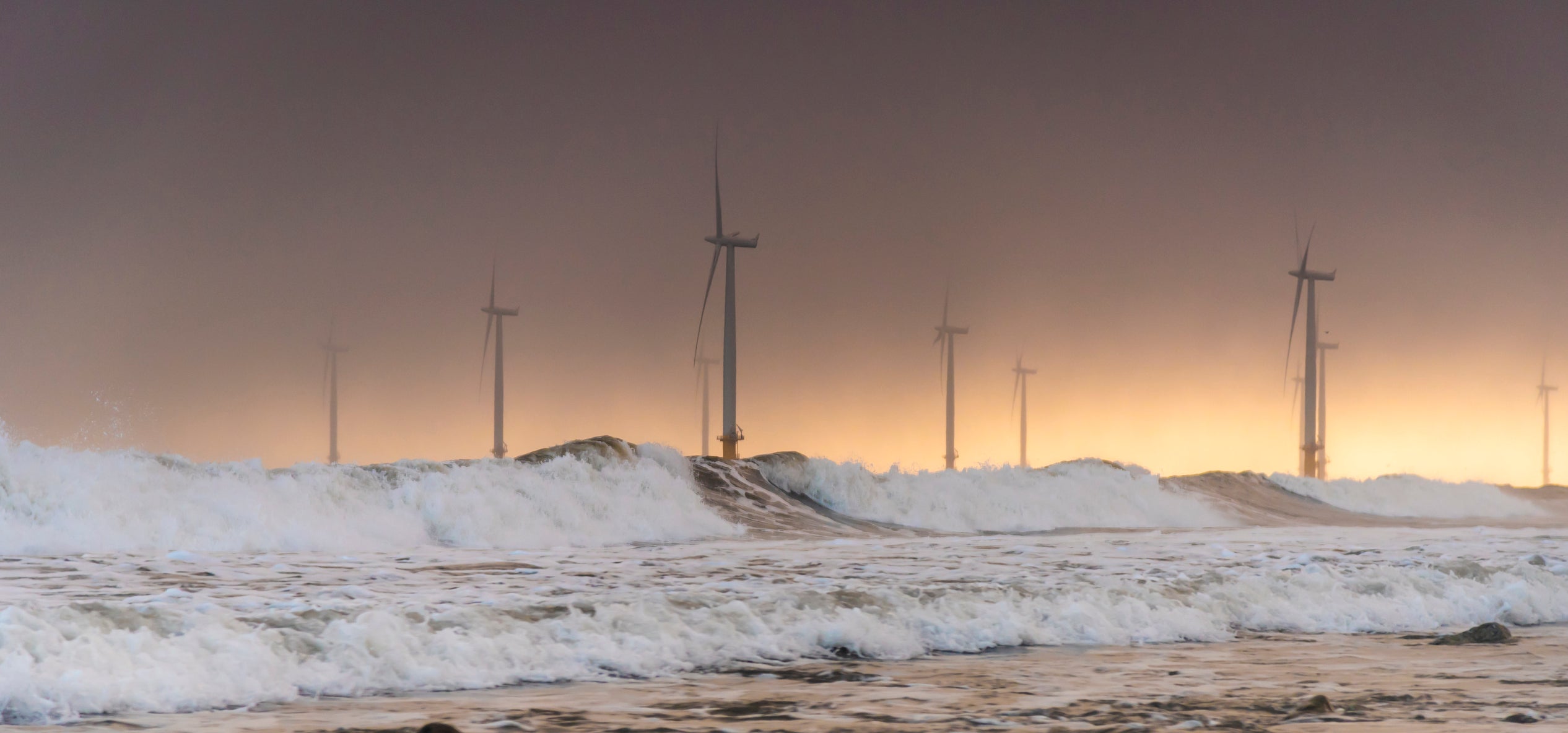
Storm Ingrid damaged sections from Teignmouth’s historic pier and collapsed part of a sea wall, prompting local coastwatch teams to warn they had “never seen it this rough before”.
Northern Ireland endured its second‑wettest January since records began, with rainfall 70 per cent above average.
Storm Chandra then swept in with further gales, rain and snow, triggering additional Met Office warnings and dozens of flood alerts. A major incident was declared in Somerset as rivers rose and roads were cut off.
Despite the chaos, the storms benefitted bill payers by pushing Britain’s wind turbine fleet to its highest monthly output in history and helping shield consumers from soaring gas costs.
Wholesale natural gas prices rose by more than 40 per cent earlier in January amid a raft of pressures, including cold weather, low gas storage levels and slow deliveries of liquified natural gas, mainly from the US, with analysts describing the situation as a “perfect storm”, which threatens to raise energy bills.
High gas prices are now responsible for two-thirds of the rise in household electricity bills since 2021 according to the UK Energy Research Centre.