




Concerns about the wellbeing of Aung San Suu Kyi continue to persist more than a fortnight after she was put under house arrest, with her son calling on Myanmar’s new government to “show proof of life”.
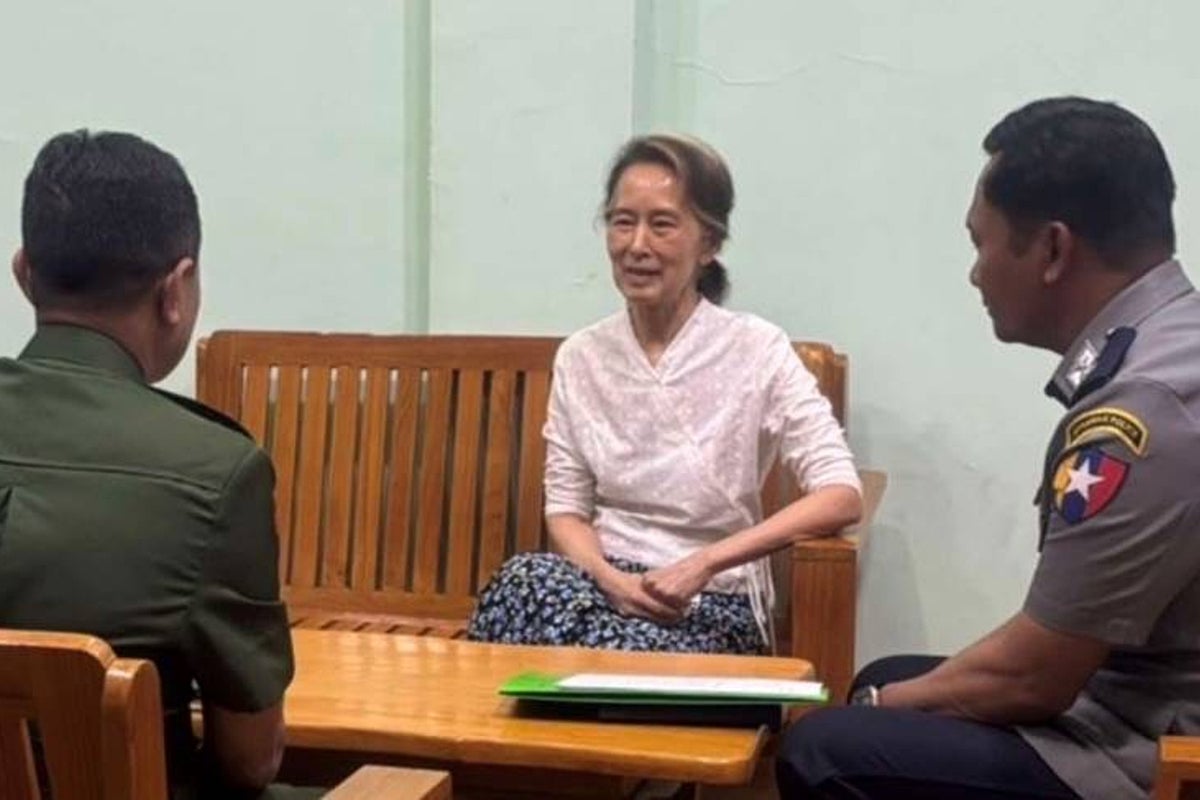
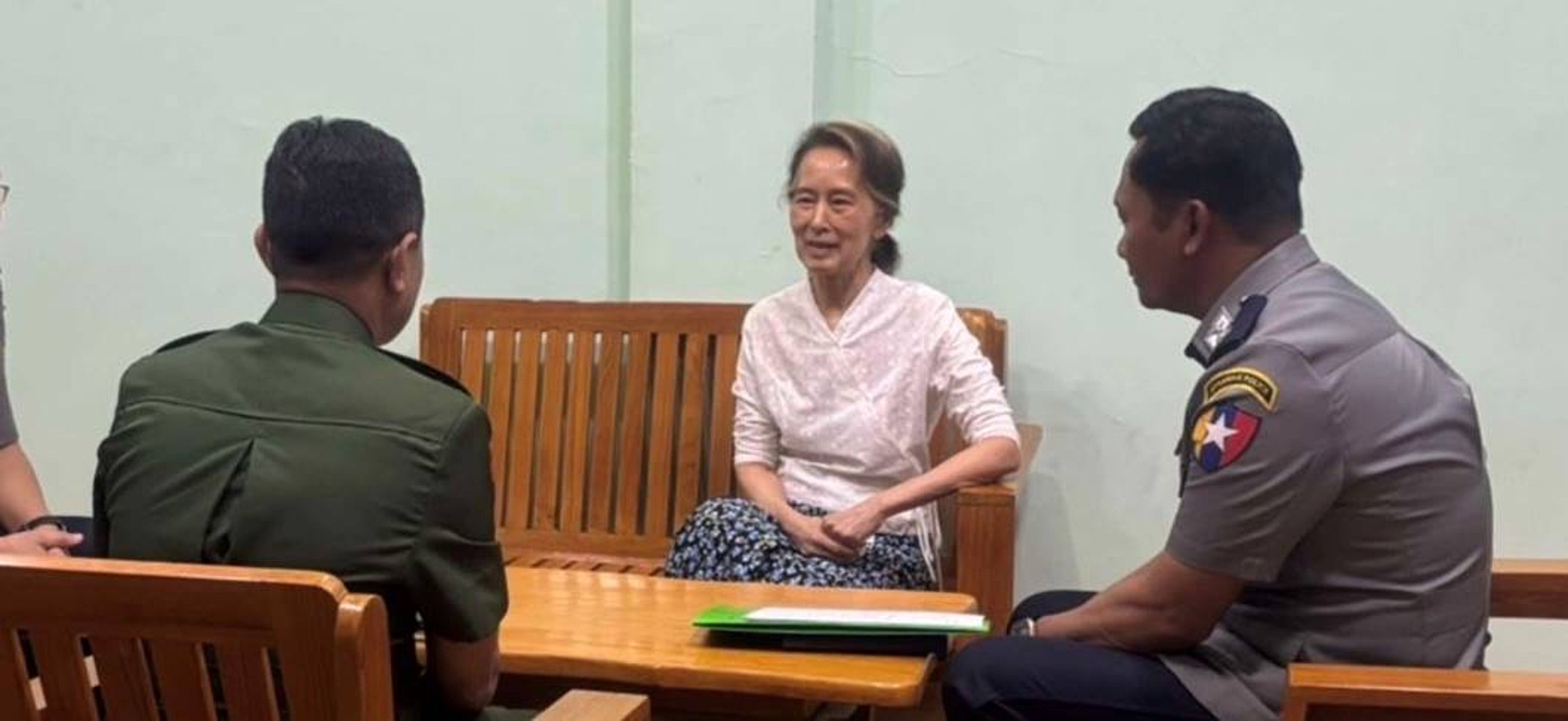
On 30 April, state media released a picture of Ms Suu Kyi, seated on a wooden bench, speaking with two unidentified uniformed officials. But the veracity of that image has come into question since. On Monday, the former leader’s son, Kim Aris, reiterated his demand for authorities to show she was still alive.
Ms Suu Kyi was arrested in February 2021 when the army seized power from her elected government in a coup. She has not been seen publicly since, and her last official photo was from a court appearance in May that year.
“Today, I joined supporters in front of the UK parliament to speak for my mother, Daw Aung San Suu Kyi, and all political prisoners in Burma,” Mr Aris, 48, wrote on Facebook. “More than five years after the coup, there is still no credible, independently verified proof that my mother is alive.”
“Moving my mother, an 81-year-old Nobel Peace Prize laureate, from one secret place to another is not freedom. She remains a hostage,” he added. “Show proof of life.”

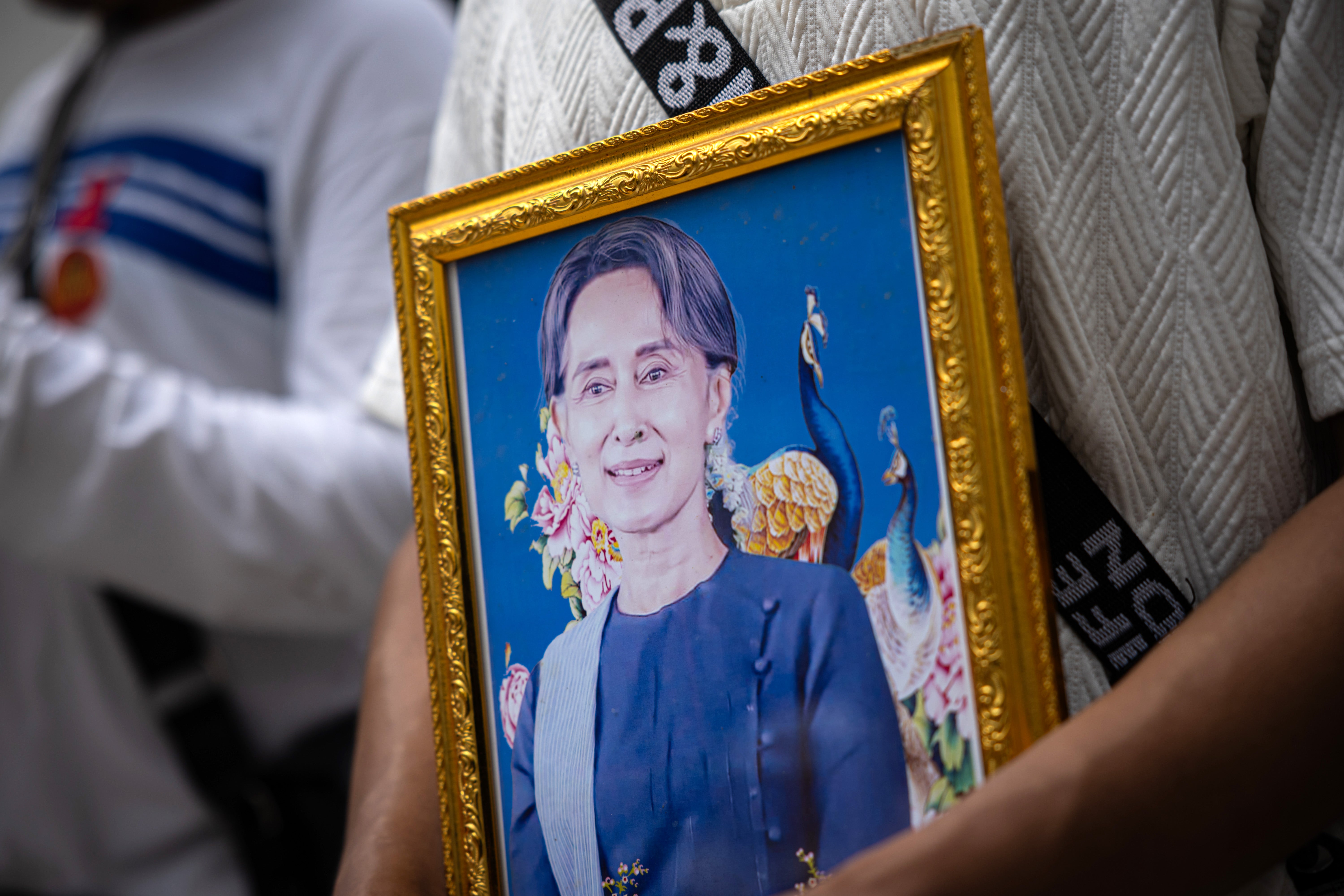
Mr Aris also shared a video showing him standing with supporters and demanding to know his mother’s whereabouts.
“We have gathered here for a simple, urgent and deeply human reason,” he could be heard saying. “We demand to know if my mother Daw Aung San Suu Kyi is still alive.”
When authorities announced Ms Suu Kyi had been moved from her secret prison to house arrest, he said, “they expected the world to look away”.

“Since then, we have repeatedly asked, where she is, how she is and whether she is OK,” Mr Aris said.
Ms Suu Kyi was moved from prison to house arrest after her sentence was reduced as part of a broad prisoner amnesty for a Buddhist holiday.
“She will now serve the remainder of her sentence at a specific home instead of in prison,” authorities said, without disclosing the exact location.
The amnesty freed over 1,500 prisoners, including 11 foreigners, and reduced the prison terms of many more by up to a sixth.
Prisoner amnesties are fairly common in Myanmar for religious holidays and other important days. A separate amnesty announced earlier last month freed former president Win Myint, a longtime loyalist of Ms Suu Kyi who had been arrested the same day as her.
The amnesties came after Min Aung Hlaing, the military general who led the 2021 coup, was sworn in as president on 10 April following an election which put a new civilian government in office, but which critics said was orchestrated to maintain the military’s tight grip on power.
In his inauguration speech, the president said his government would grant amnesty to prisoners, in an effort to promote social reconciliation, justice and peace.
Ms Suu Kyi was initially sentenced to 33 years in jail in 2022 on a range of charges that her supporters and rights groups described as attempts to legitimise the army’s takeover and to prevent her return to politics.
Talking about the reduction in Ms Suu Kyi’s prison sentence, her son had said it would not bring justice for the ousted leader or her people.
“This is not justice. It is not progress nor a human rights improvement,” Mr Aris told The Independent earlier.
“My mother remains unlawfully detained, with nearly two decades of imprisonment still hanging over her.”

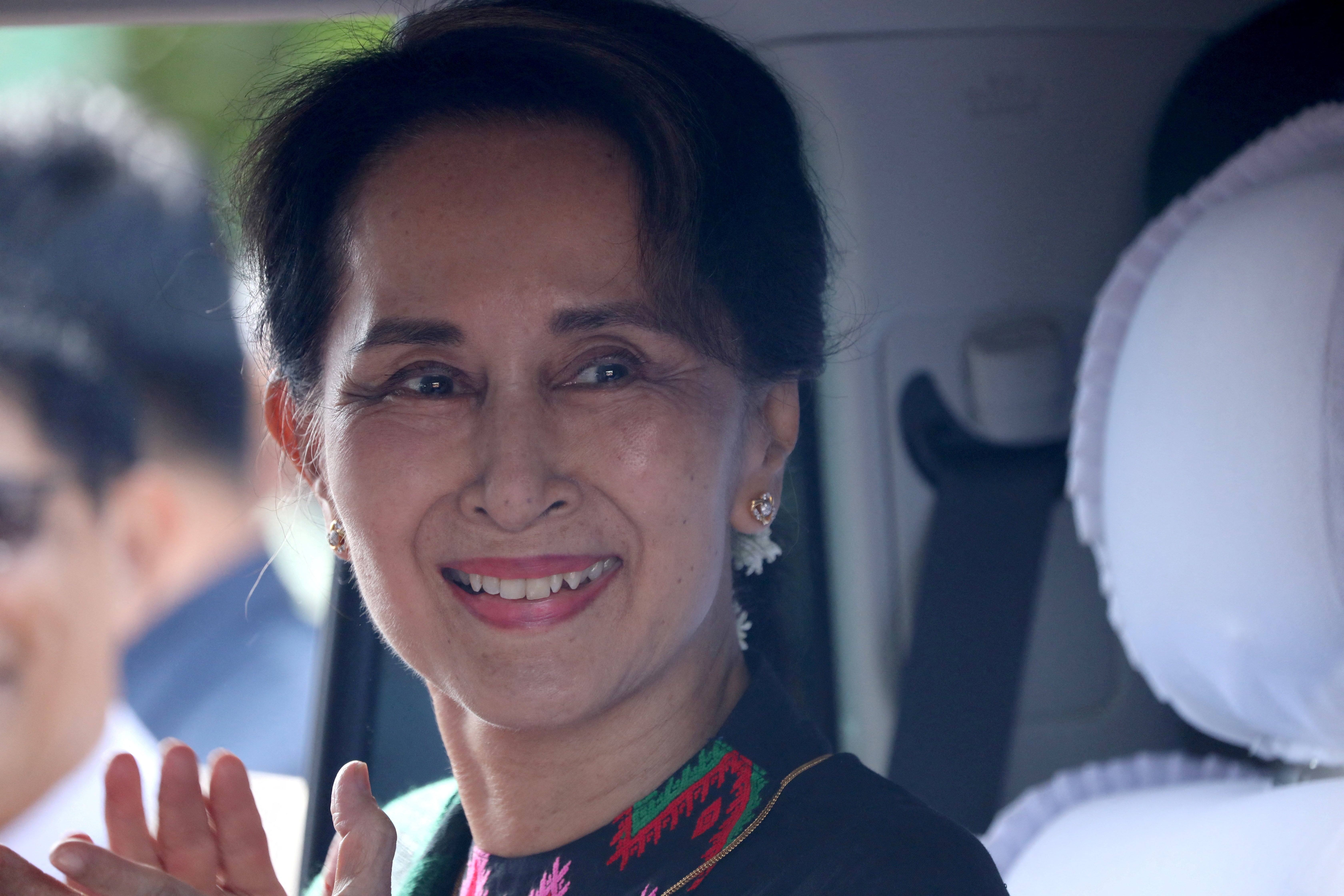
Benedict Rogers, senior director at the non-profit Fortify Rights, said the reduction of Ms Suu Kyi’s sentence showed the military had no intention of releasing her, and it only wanted to give the false impression of positive change in the country.
“It appears to be part of an effort to create a new – and fictional – narrative about the regime relaxing and to keep drip-feeding this false narrative, without actually taking any steps that would be meaningful, out of fear of encouraging the democracy movement,” he told The Independent.
“This is a clear attempt by the regime to try to create a veneer of reform, with the purpose of gaining legitimacy, credibility and recognition from the international community.”
United Nations secretary general António Guterres, though, considered Ms Suu Kyi’s transfer to house arrest “a meaningful step towards conditions conducive to a credible political process”, according to his spokesperson Stéphane Dujarric.

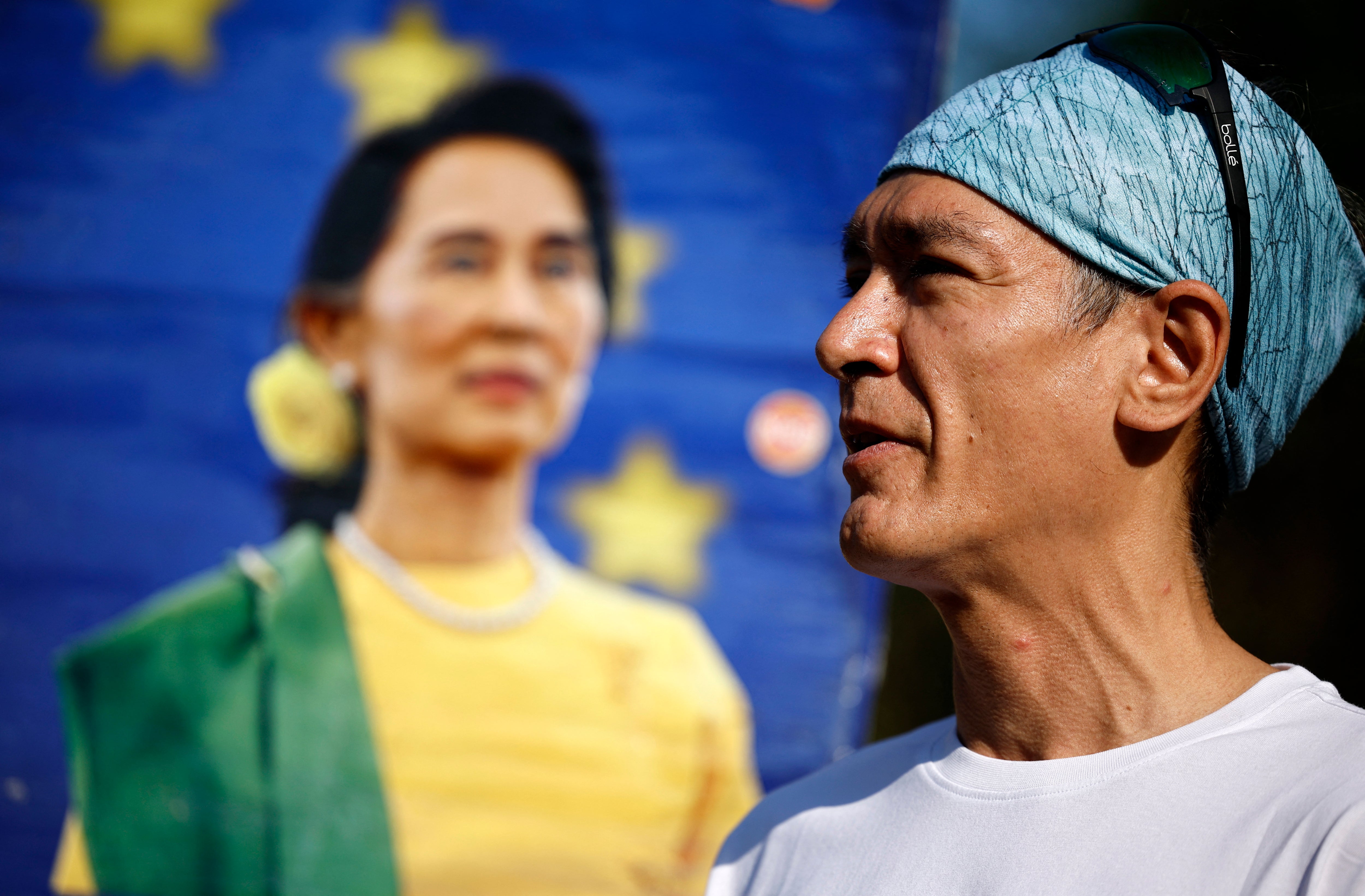
Last year, UK foreign secretary David Lammy issued an impassioned appeal for the release of Ms Suu Kyi.
He had asked the military junta to release the former leader and give the country “the peace and democracy they deserve”.
The call followed The Independent’s documentary titled Cancelled: The Rise and Fall of Aung San Suu Kyi.
Ms Suu Kyi spent many years in prison and under house arrest while advocating for democracy in the country, winning the Nobel Peace Prize in 1991.
After her party won the national election in 2016, she led Myanmar as the state counsellor, sparking brief hope for democratic reform in the country. She is now one of thousands of political prisoners in the country.
In her time in power, Ms Suu Kyi became a divisive figure after going to the International Court of Justice to defend Myanmar’s military from accusations of committing genocide against the Rohingya Muslim minority.


