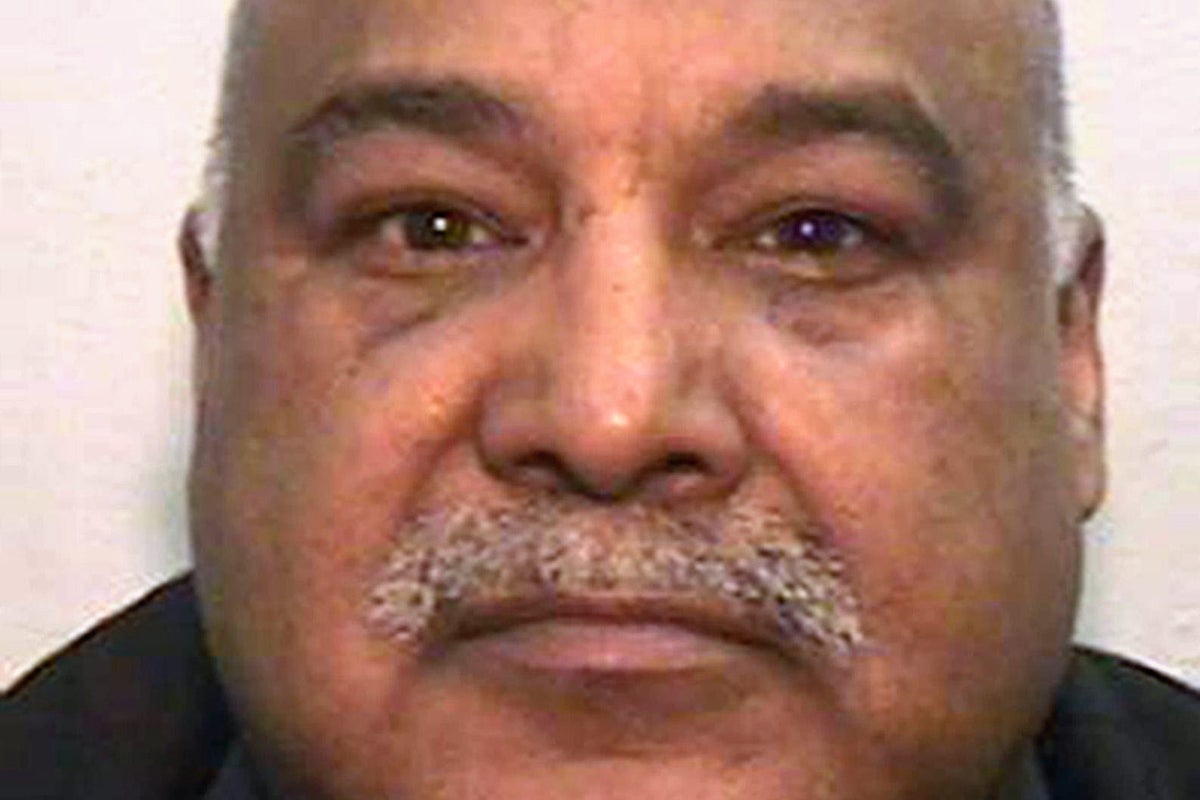
Shabir Ahmed is not only a dangerous convicted rapist and sex offender, he is also a depressing symbol of everything that went wrong during one of the worst such episodes in British history – the grooming gangs scandal.
The fact that this man is no longer in jail and needs the specific intervention of parliament to deport him suggests lessons, however grim, have not been learned from the horrific state failures that let down so many young girls.
As in the case of many other such men, had the social services and the police done their jobs properly at the time, then these crimes might well not have happened – certainly not on the scale and for the duration that they did. We know now that working-class girls in their teens were ignored and indeed victimised by the authorities for far too long.
We also know that when Ahmed was brought to justice he was dealt with too leniently. The failures of the criminal justice system only add further painful lessons to this sickening saga.
Ahmed, then 59, was one of nine men convicted of sex offences against children at Liverpool Crown Court in May 2012, and jailed for 19 years. He was handed a further 22-year sentence passed in August of the same year for 30 child rape charges. But instead of serving those sentences one after the other, which would have kept him behind bars likely for the rest of his life, he was allowed to serve them concurrently and was subject to the usual early release protocols. Even though parole boards had previously judged him unsafe and at a high risk of reoffending, he was set free after 14 years, albeit with a GPS tag and in monitored accommodation. Everything about this case appals the nation.
Hence the public clamour for his deportation, and the home secretary’s decision to change the law in order for him to be sent to Pakistan. This, however, is also problematic. Shabana Mahmood is set to ask parliament to change the law retrospectively, which sets a bad precedent. Whilst Ahmed’s trial and sentencing was grossly unsatisfactory in its outcome, he was subjected to the law as it stood at the time, when his deportation was not an option under a law passed in 1971 to protect the rights of Commonwealth citizens (Ahmed arrived from Pakistan aged 14).
Now, the force of that legislation is to be altered retrospectively, and uniquely, to deal with his case, simply because the British state failed to incarcerate him properly for long enough in the first place.
Given the new climate of public opinion, including a loud call from Andy Burnham for his removal, and the wide cross-party consensus, Ms Mahmood will get her way. It is equally inevitable that her actions will be tested in court, and it is right that such a radical action, even if overwhelmingly popular, should be tested so that it is within the law and constitutionally sound.
A more formidable obstacle is that the deportation of Ahmed doesn’t really constitute “sending him home”. The Pakistani authorities, understandably, view Ahmed and his cruel crimes as a matter for the British. What are they supposed to do with him? And why should they have to take responsibility for him when he left that country in 1967?
Ahmed has been stripped of his British citizenship and, according to some reports, renounced his joint Pakistani citizenship, and is now stateless, meaning he can technically qualify for protection from deportation under human rights laws.
It is an absurd situation, and serves only to highlight once again that successive governments, councils and the police across the country have failed the victims of these gangs over many decades – and are still doing so. Some of his victims said they were “frightened” and felt “unsafe” at his release. They do not believe that the authorities are taking their traumas seriously.
There are constant calls for more public inquiries into the grooming gang scandals, and these may well serve some purpose in identifying the causes of systematic mistakes. Yet the Ahmed case underlines what is really needed: for the crimes themselves to be properly investigated, the perpetrators prosecuted, and for those individual social workers, police officers, councillors and others who ignored victims – or, worse, colluded with the gangs – to also face criminal charges rather than vague collective rebukes in some official report. At least Ahmed was caught and was punished to some degree. What of the rest?