
)
For many years, Barbie looked the same. She was slim, smiling, and had long flowing hair. For some children, she was a toy. For others, she was a reminder of what they were not.
Today, that image is seems to be changing.
Mattel’s Barbie Fashionistas line now includes dolls that are autistic, bald, diabetic etc. These dolls are part of a wider effort to show children a world that looks more like their own.
Firstpost spoke to Autism specialist Dr Sonali Mukherjee, Assistant Professor at CHRIST (Deemed to be University) on why seeing everyday coping tools represented in play is important.
Dr Mukherjee notes, “Seeing everyday coping tools in autistic Barbie normalizes neurodiversity, helping children view sensory aids and support needs as natural and acceptable parts of life.”
Autism spectrum disorder (ASD) is a complex developmental condition involving persistent challenges with social communication, restricted interests and repetitive behavior. While autism is considered a lifelong condition, the need for services and supports because of these challenges varies among individuals with autism.
According to the Centers for Disease Control and Prevention,
an estimated one in 36 children has been identified with autism spectrum disorder.
For families of autistic children and children living with medical conditions, this change goes beyond toys. It touches on identity, belonging, and mental health.
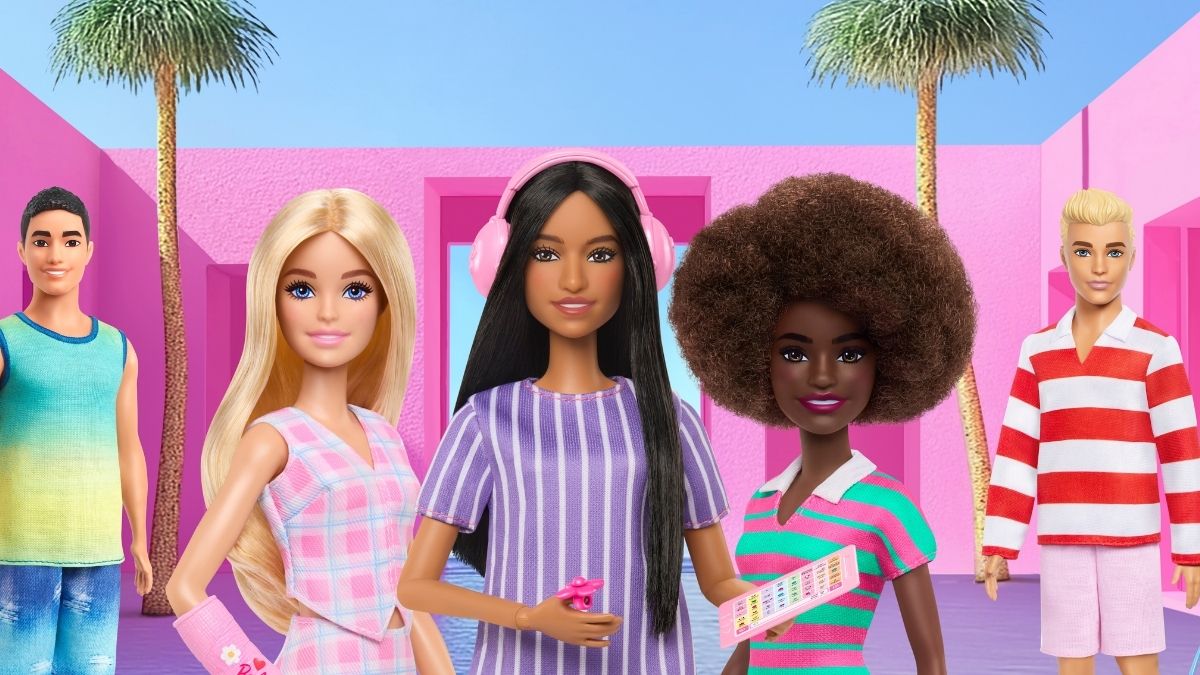
The autistic Barbie was created with input from the Autistic Self Advocacy Network. Her design focuses on comfort and daily experience. She wears a loose dress, flat shoes, and noise-cancelling headphones.
She also comes with a working fidget spinner and a communication tablet used by people who do not always speak with words.
Her arms and wrists are flexible, allowing children to move her hands in ways that reflect stimming. These details may seem small, but for many autistic children, they reflect real life.
Bald Barbie dolls also tell a different story. They represent children who have lost hair due to illness or medical treatment, as well as those with conditions like alopecia. In a culture where hair is closely tied to beauty, a bald doll can challenge narrow ideas of what it means to look “normal.”
Children who experience hair loss often feel isolated, especially when they do not see themselves represented in books, films, or toys. A doll that looks like them can help open conversations at home and in classrooms.
“It helps children feel seen and valued, reducing shame around differences and promoting positive self-image and self-worth,” notes Dr Mukherjee.
Mental health experts say childhood play plays an important role in emotional development. Toys help children express feelings, practice social interaction, and understand the world around them. When toys reflect only one type of body or ability, some children may feel left out.
Inclusive dolls can help change that. They can teach children that difference is a normal part of life, not something to be hidden or fixed.
In September last year, Mattel in partnership with more than a dozen nonprofit research and care partners, distributed dolls to children fighting cancer or autoimmune diseases worldwide.
Dr Mukherjee further says, “Such initiatives offer positive representation by fostering empathy, acceptance, and healthy emotional development through inclusive play.”
Barbie Fashionistas are marketed as dolls that reflect the world children see today. Over the years, the line has expanded to include different skin tones, body shapes, and disabilities.
The addition of autistic and bald dolls suggests that representation is moving beyond appearance to lived experience.
However, there is a different angle to it as well. Critics point out that a doll alone cannot remove stigma or fix gaps in healthcare and education. Still, many agree that representation at an early age matters. It shapes how children see themselves and how they treat others.
For a child who has never seen a toy that looks like them, finding one on a shelf can be powerful. It says you exist. You belong. You are not alone. Sometimes, that message begins with play.
Mumford argues that once difference becomes profitable, it also becomes simplified, standardised, and sold back to us. That’s a stereotype being reinforced.
The SOS Autisme association, a Moldavian non-governmental organization considers the launch of this doll an inappropriate commercial operation given the reality of autism spectrum disorder.
An autistic artist who goes by the name ‘Autie-biographical Comics’ on Facebook notes, “The autistic spectrum is so vast that they’d have to make a different Barbie for every single one of us.”
It’s not possible to represent everyone, but it’s a great step,” said Eileen Lamb, founder of The Autism Café blog in a conversation with CNN.
While representation is an ongoing debate around the world, when it comes to using marketing techniques to enter a niche market. The pertinent question remains: Is it tokenistic or impactful?
Barbie’s parent company Mattel continues to introduce inclusive toys, but as experts around the world note, it has barely scratched the surface.
End of Article