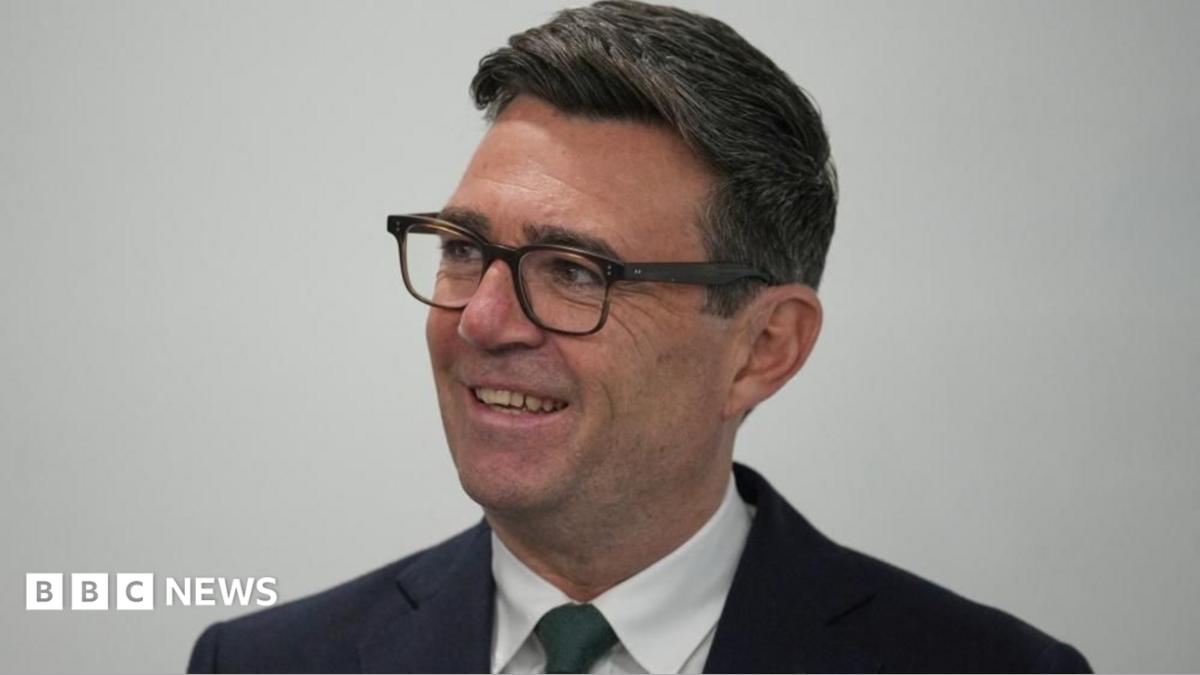

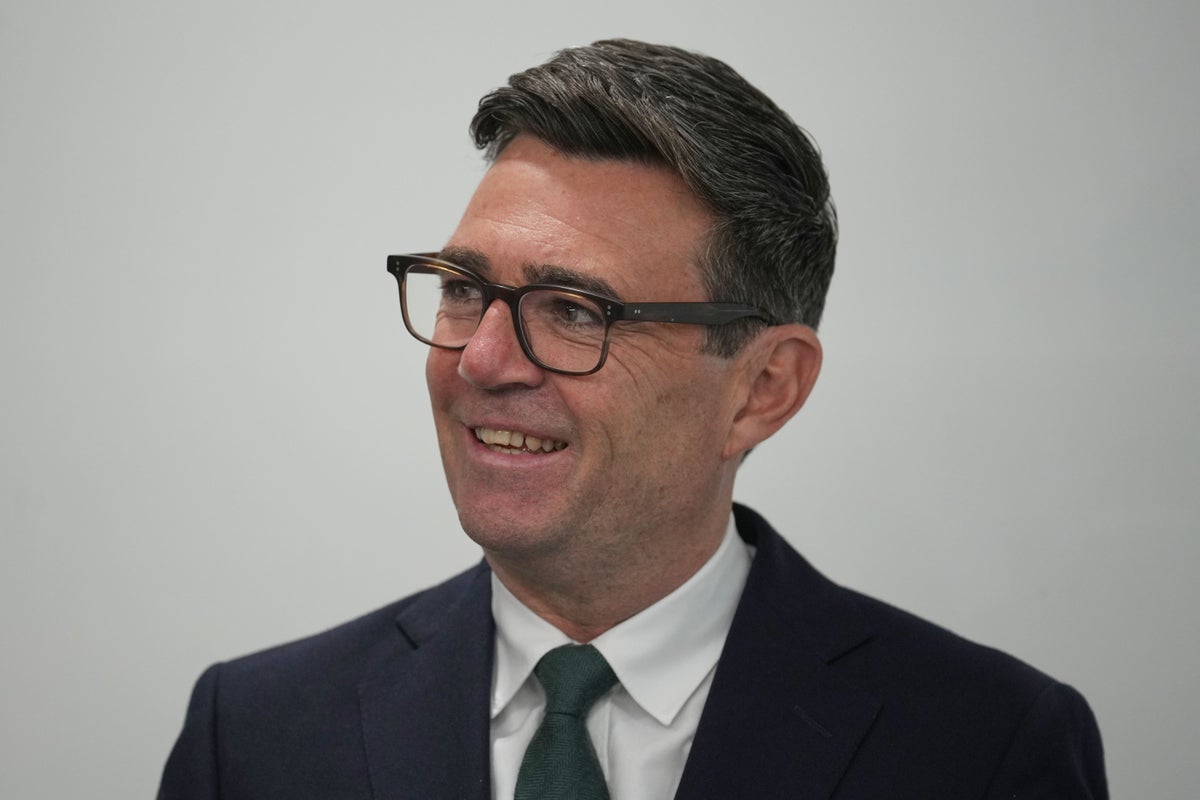
Regional mayors will play a key role in UK policymaking, prime minister Andy Burnham has said as he declared the era of Whitehall resisting devolution “over for good”.
Mr Burnham said the opening of the new No 10 North office in Manchester was “the biggest rebalancing of power our country has seen” as he prepared to work from the outpost for the first time on Friday.
He will work at No10 North, located in Heron House near Albert Square, once a week during his premiership. The building also houses GCHQ’s Manchester and North West hub.
His initial engagement will be to chair a meeting of the National Economic Council, a Cabinet committee established in 2008 to address economic challenges. In an article for The Guardian, Mr Burnham said this would include regional mayors alongside senior ministers.
The government confirmed that attendees for these meetings would vary based on the agenda, potentially including prominent business leaders and trade union representatives.
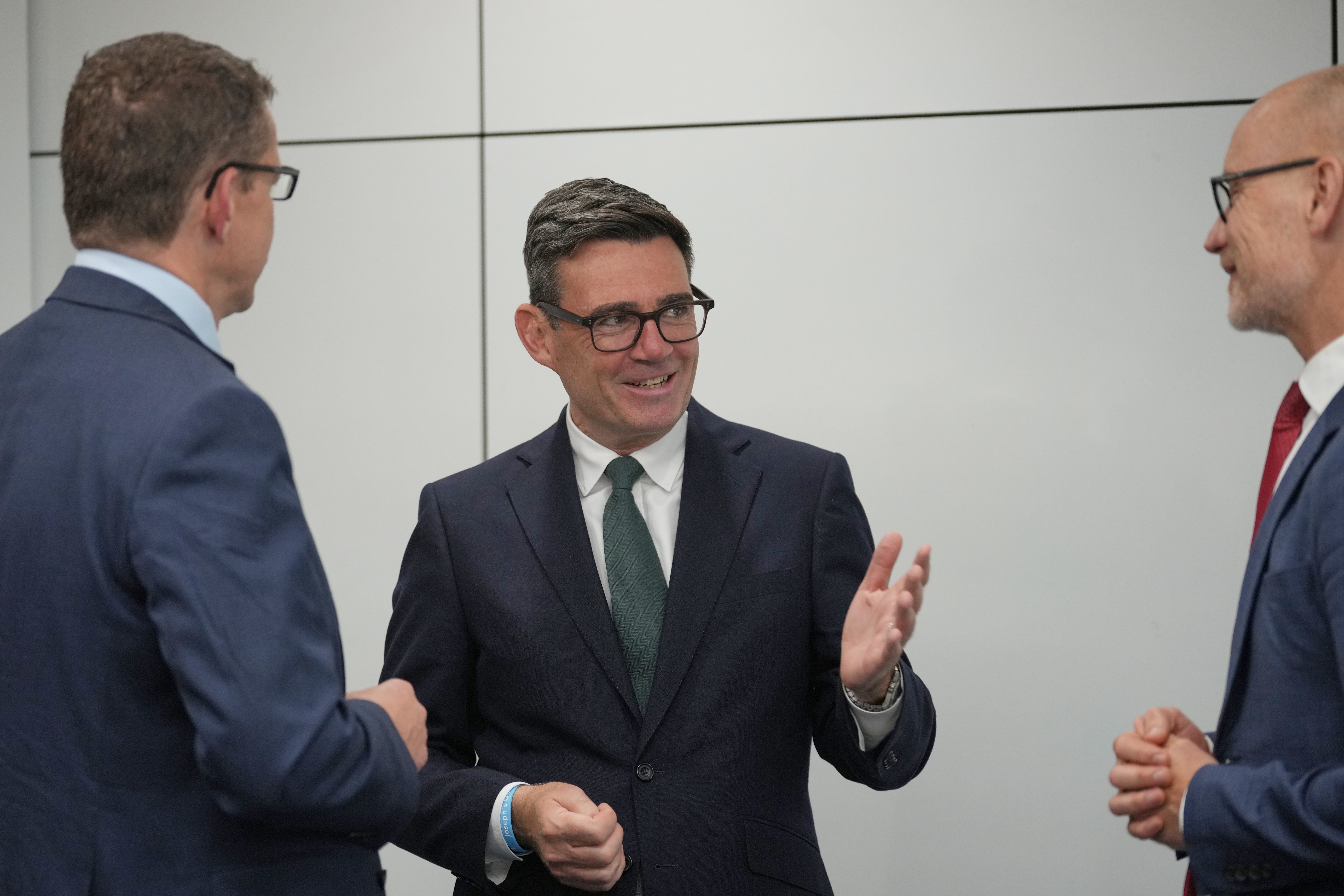
Writing in the newspaper, Mr Burnham said that he believed that No10 North would be his government’s “most defining” act.
“No 10 North will be responsible for accelerating devolution. It will drive reindustrialisation and growth across every postcode of the UK. It will remove barriers to regeneration, from council housebuilding to public transport infrastructure,” he said.
Earlier on Thursday, the PM said that power and resources had been “sucked into the centre” for 40 years, leaving communities feeling “forgotten, without the attention and investment they deserve”.
He added: “No 10 North will change that by putting more power into every postcode across the entire country. It will be the situation room for making Britain better – the place we use to get power out of Westminster, into the hands of people at a local level, so that they can turn things around. The days of Whitehall resisting devolution are over, for good.”
Ahead of his inaugural meeting, Mr Burnham is scheduled to meet with leaders from business representative organisations, including the Federation of Small Business and the Confederation of British Industry.
The Prime Minister has faced scrutiny regarding whether his focus on the North might divert attention from other regions, such as the East of England.
Addressing these concerns in Harlow, Essex, he clarified: “The whole purpose of No 10 North is to put more power into every postcode in the land, including the postcodes of Harlow.
How do we get power out of Whitehall and Westminster, into the hands of people at a local level, so that they can make a difference and turn things around?” He further told ITV Anglia: “I see the same challenges up and down the country. There’s a lot of communities that feel a little bit forgotten, that don’t get the attention and the investment they deserve. And those communities can be found as much in the East of England and the South West as they can be found in the North of England.”
While this new northern base signifies a significant shift in governmental operations, No 10 Downing Street in central London, a short walk from the Houses of Parliament, will continue to operate as usual.