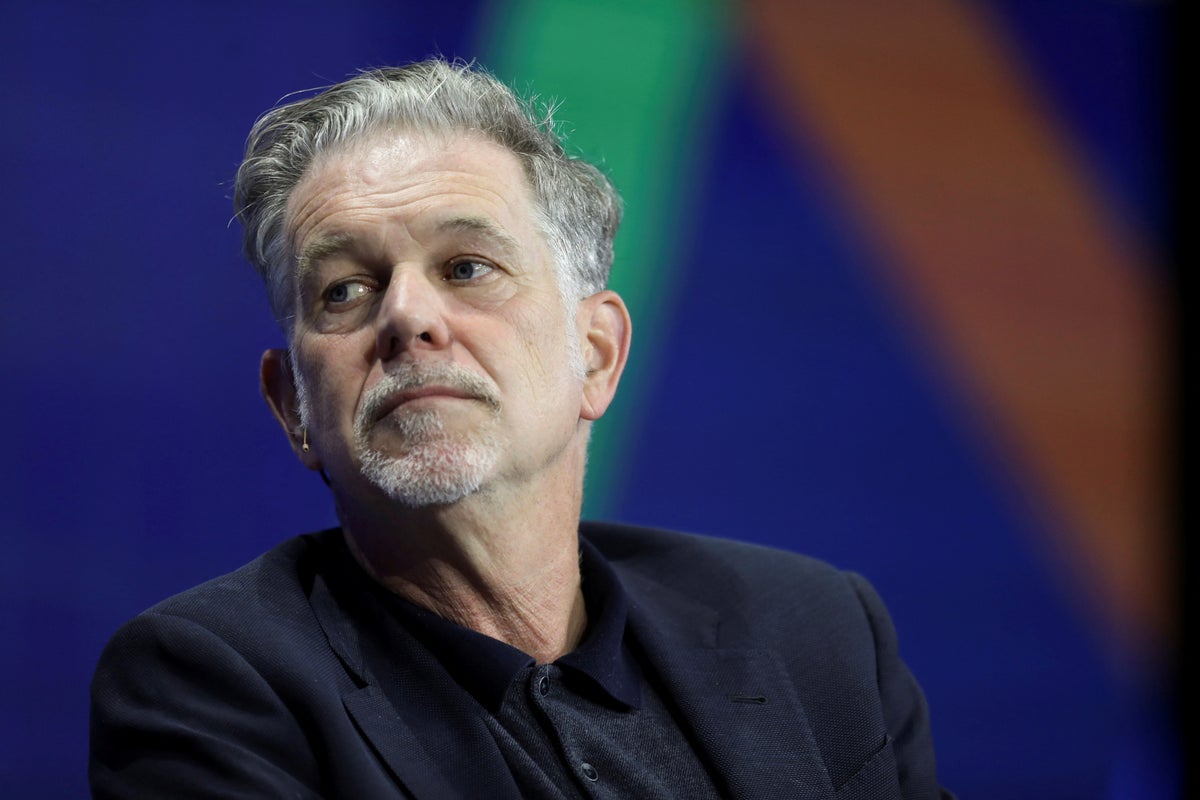
Reed Hastings, the co-founder of Netflix, is stepping down as chairman of the streaming giant he helped establish 29 years ago. The announcement of Mr Hastings’ departure, at 65, comes at a challenging period for the company, which is actively seeking new avenues for expansion amidst slowing sales and heightened competition.
This follows the collapse of a potentially transformative merger with Warner Bros Discovery in February.
The news sent shockwaves through the market, with Netflix’s stock plummeting by approximately 9 per cent. The company had earlier forecast earnings per share for the current quarter below analysts’ expectations, alongside its slowest quarterly revenue growth in a year, according to LSEG data.
Despite these headwinds, Netflix affirmed its commitment to its core strategy of entertaining a global audience, providing diverse movies and series across various tastes, cultures, and languages. In a 14-page shareholder letter released on Thursday, the company maintained its full-year outlook.
Greg Peters, Netflix’s co-chief executive, highlighted the company’s reach, stating that it ended last year with over 325 million paid members and entertains an audience nearing a billion people. He added, “But even given that number, we still have plenty of room to grow into our addressable market.”
The letter to investors confirmed that Mr Hastings will not seek re-election at the annual meeting in June, intending to dedicate his time to philanthropy and other ventures. Mr Hastings is credited with transforming Netflix from a DVD-by-mail service into a global streaming powerhouse that revolutionised the distribution of film and television.

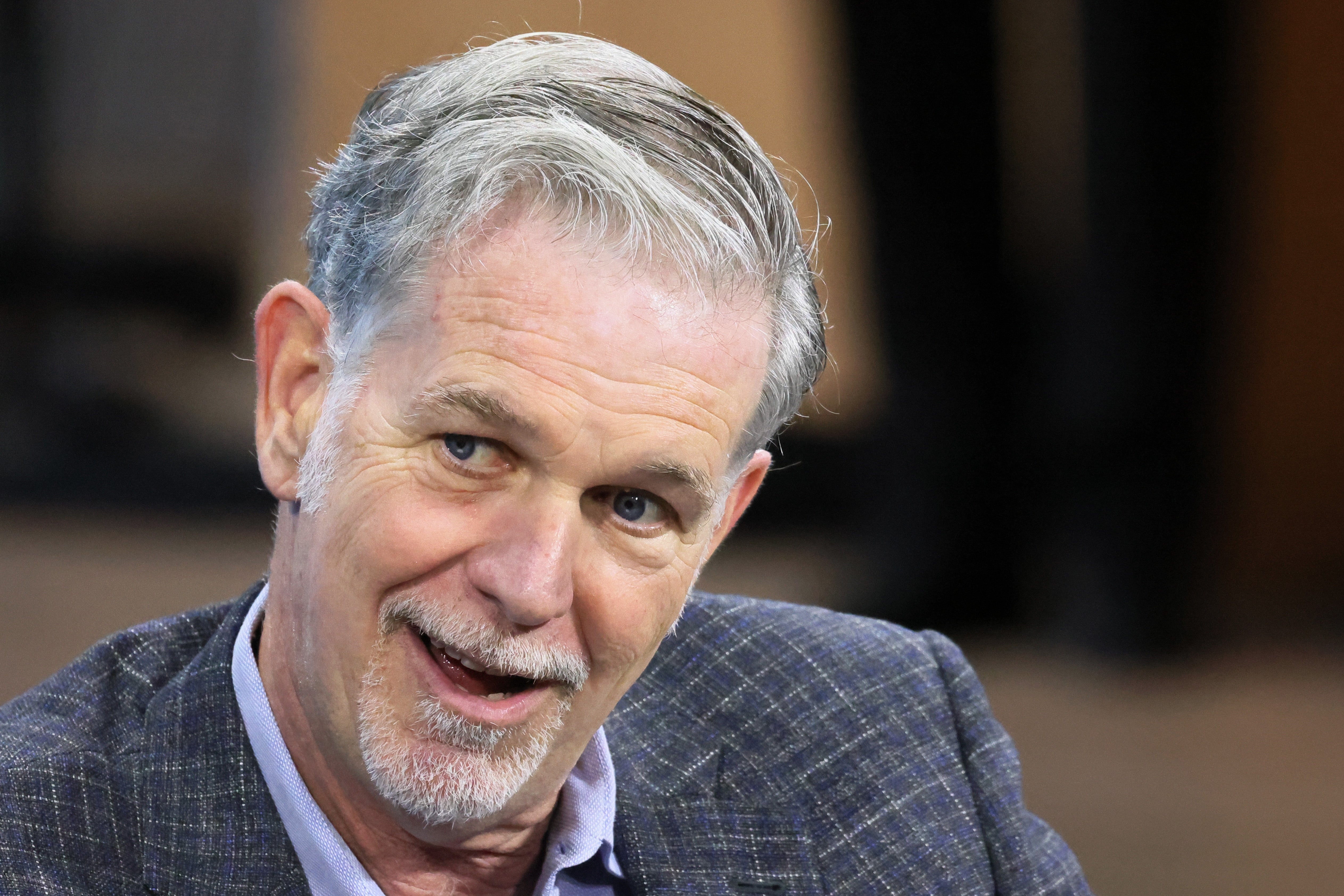
His tenure saw the company navigate significant challenges, including the short-lived Qwikster spin-off in 2011 and a surge in growth during the pandemic, even as other entertainment firms struggled.
Mr Hastings famously cultivated Netflix’s unique performance culture during a crisis when internet startup funding dried up, forcing him to lay off a third of his workforce. This culling, retaining only the “keepers,” led to a productivity surge that formed the basis of the “Netflix Way,” as detailed in his book, “No Rules Rules.”


Watch Apple TV+ free for 7 day
New subscribers only. £9.99/mo. after free trial. Plan auto-renews until cancelled.
Try for free
ADVERTISEMENT. If you sign up to this service we will earn commission. This revenue helps to fund journalism across The Independent.
Watch Apple TV+ free for 7 day
New subscribers only. £9.99/mo. after free trial. Plan auto-renews until cancelled.
Try for free
ADVERTISEMENT. If you sign up to this service we will earn commission. This revenue helps to fund journalism across The Independent.
Reflecting on his legacy, Mr Hastings wrote on Thursday: “My real contribution at Netflix wasn’t a single decision, but rather, building a company that others could inherit and improve.”
Ted Sarandos, Netflix’s co-CEO, praised Mr Hastings’ leadership and his foresight in building a resilient company. “He built a company of risk-takers and a culture where character matters, and nobody rests in the pursuit of excellence,” Mr Sarandos said. “I have loved working with and for Reed through amazing twists and turns in our business, and he has modelled what it is to be a leader and a friend.” However, LightShed Partners media analyst Richard Greenfield noted that “the departure of Reed Hastings has spooked investors.”
Financially, the company did not disclose how it plans to utilise the termination fee received after the failed Warner Bros deal. This fee contributed to an increase in earnings per share to 1.23 in the first quarter, up from 66 cents in the same period last year. Revenue rose to $12.25 billion, an increase of 16 per cent from the year-ago period, modestly exceeding analyst forecasts of $12.18 billion.
Netflix, which previously described a Warner Bros acquisition as “nice to have, not need to have,” outlined future growth areas. These include investments in video podcasts and live entertainment, such as the World Baseball Classic in Japan, to boost engagement. The company plans to leverage technology to enhance user experience and improve monetisation, with advertising revenue projected to reach $3bn by 2026, a twofold increase from a year ago.