

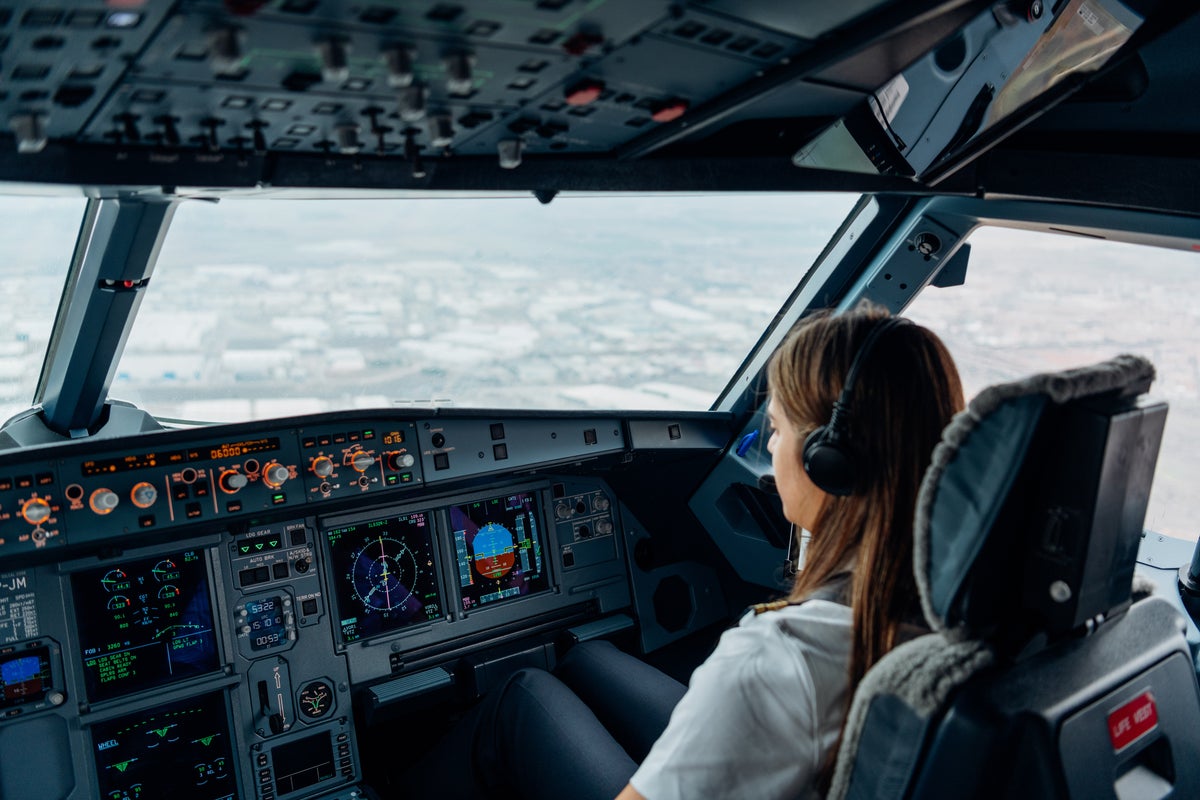
In 1972, trailblazing British pilot Yvonne Pope Sintes took off for Glasgow with Dan Air as the UK’s first female commercial airline captain.
Over 54 years later, carriers are campaigning for women to fill their seats in the cockpit and narrow the pilot gender gap.
Last month, airlines from Loganair to Air New Zealand took off with all-female crews to mark International Women’s Day (IWD) and promote female pilot visibility.
While seeing a woman at the controls is nothing new, why are there still so few?
As of 10 March 2026, just 5.8 per cent of “medically fit” UK pilots are female, revealed an Freedom of Information request to the Civil Aviation Authority (CAA).
Although 94.2 per cent of pilots are male, there has been a visible rise in women gaining their pilot’s licenses over the last few years.
According to the CAA, 372 commercial licences were issued to women in 2025, an increase of 23.5 per cent from the 301 issued in 2023.
Among female easyJet captains defying the statistics, Kate West and Hannah Wells’ careers in the clouds both began in the air cadets.

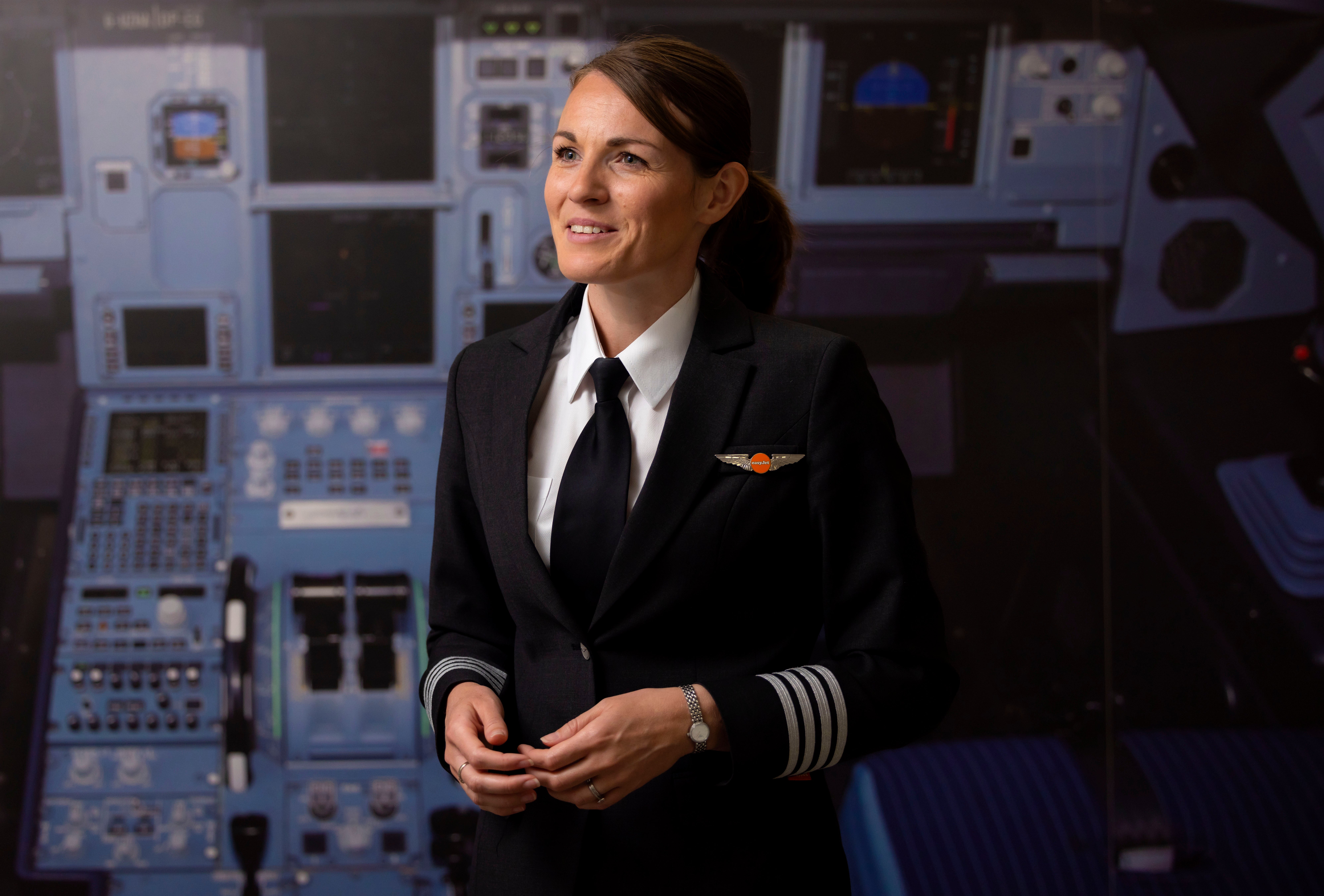
Around 7.5 per cent of the airline’s pilots are currently women, with 13 per cent of trainees in the easyJet pilot training pipeline female.
Kate, an easyJet captain of 10 years, had “a bit of fire” in her belly after her head teacher told her that she couldn’t be a pilot.
“It was very much a case of, I’ll prove you wrong, which I did,” she said after a 15-year career following flying school in New Zealand.
According to the captain, young girls often don’t consider aviation careers because “they haven’t seen other women doing it”.
“It’s hard to be a role model when there’s a flight deck door closed,” said Kate.
“You can’t be what you can’t see, right?” added senior first officer, Hannah.
Hannah has been flying with easyJet out of Gatwick for almost seven years after changing industries for an aviation career when she was 26.
An easyJet study in schools found that gender stereotypes are formed as young as five years old.

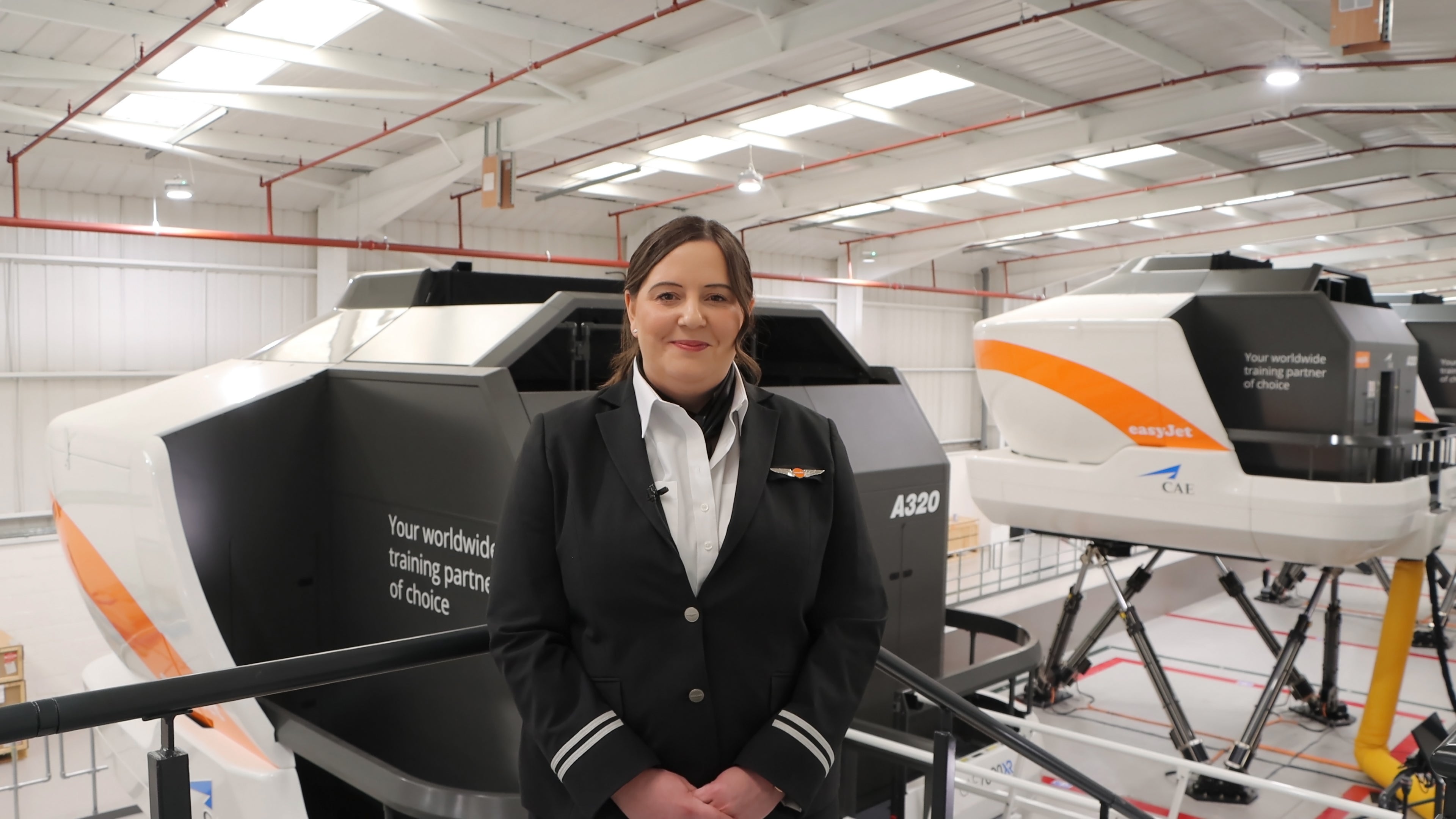
“It’s really important that we’re going in. In those early years, to break down those stereotypes before they’ve even started to form,” said Hannah.
“I still think there are a lot of misconceptions, not just with people who want to be pilots, but also school teachers, careers advisors and even parents.”
Kate said she has seen a “recognisable difference” in the number of female pilots at the training centre as the perception of pilots gradually changes.
She added: “I don’t know them all, which is a good sign because it used to be such a small community that you knew everybody.”
Thyra Blaom, a line captain with Air New Zealand, started flight school as the only girl in her class.
She signed up following a long-haul flight at 17, which she felt “would be a lot more fun if I were at the front”.
According to Thyra, “aviation is not always presented to young women as an obvious career path, so awareness and early exposure still matter”.
Training costs and the need for flexibility with location and hours during the early stages of a pilot’s career can also pose problems for women, said the captain.
In the UK, pilots are required to have four or five GCSEs at a pass grade or above, including English and maths, before training.
She also stressed the importance of aspiring pilots to hear female voices from the flight deck.
“Visibility really does matter. Seeing someone who looks like you in a role you aspire to shows that it is possible,” said Thyra.
At Air New Zealand, women make up 8.97 per cent of the pilot workforce overall. The WINGs Network (Women Inspiring the Next Generation) connects pilots to aspiring aviators as mentors.
Even flying for an airline with a more visible female crew, sexism from passengers remains.
Thyra said: “Unfortunately, some adults need to let their opinions be known publicly. Fortunately, there’s zero tolerance and lots of support if it does happen.”
For young girls aspiring to be pilots, Hannah says it’s important to reach out to people and not be put off by stereotypes.
She said: “The next time you’re on a flight, ask the crew if you can go up to the flight deck at the end because we love to share what we do with people.”
So, while it still feels “extra special” to operate with an all-female crew like those on IWD, Kate said it is becoming more common.
“I think it’s still rare enough that we celebrate it … we usually end up getting a photo sent around like ‘look all girls today’”, added the easyJet captain.
Read more: The female captains making waves at sea