


Japan on Tuesday endorsed scrapping a ban on lethal weapons exports, in a major change of its postwar pacifist policy as the country seeks to build up its arms industry and deepen cooperation with defence partners.
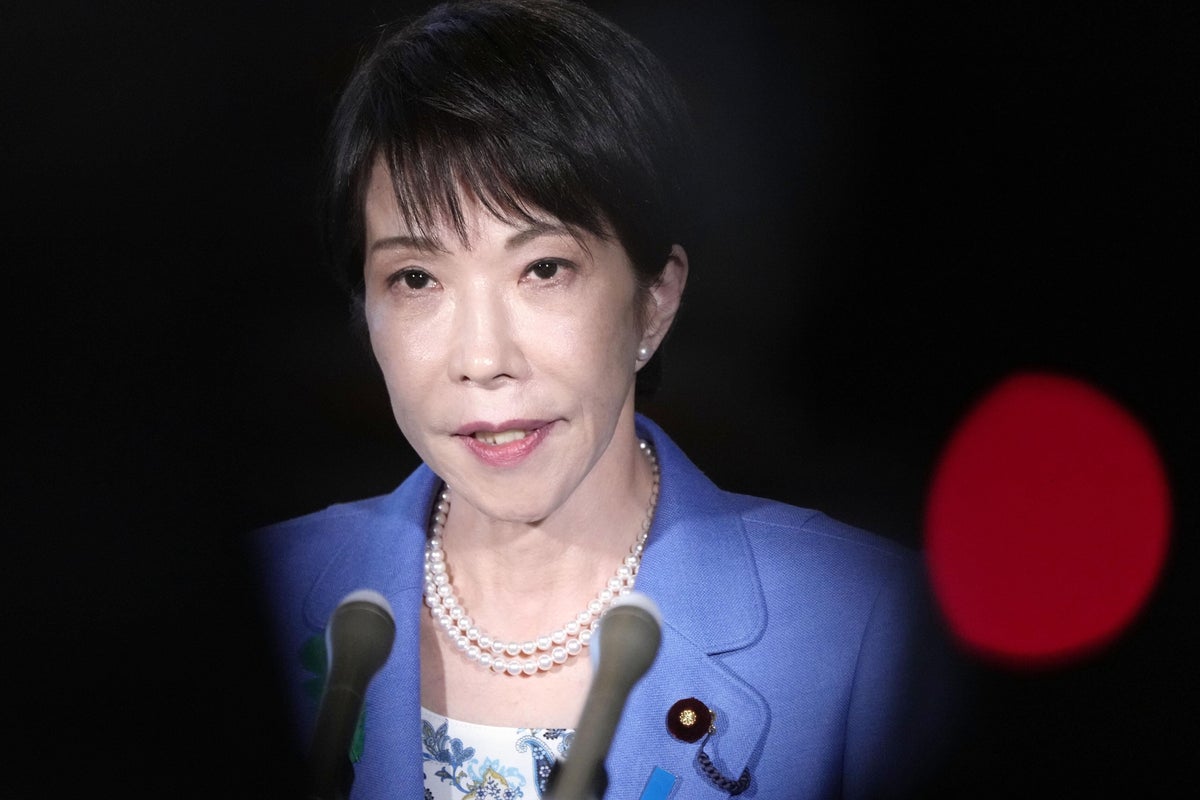
The approval by prime minister Sanae Takaichi’s cabinet of the new guideline clears a final set of hurdles for Japan’s postwar arms sales.
The move comes as the country accelerates its military buildup in the face of growing security challenges in the region. While the change of policy met with China’s criticism, it has been largely welcomed by Japan’s defence partners like Australia and attracted interests from Southeast Asia and Europe.

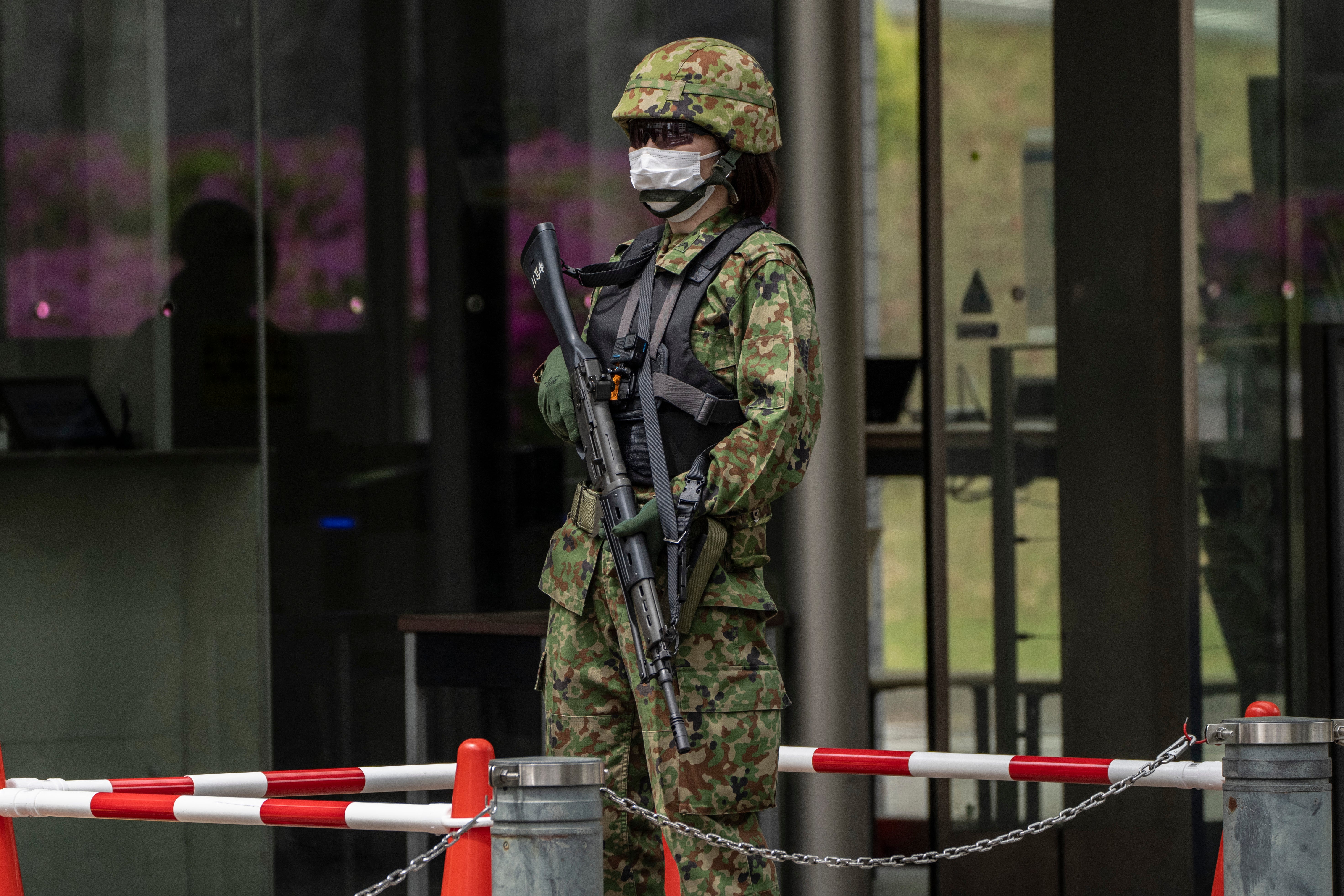
Opponents say the change violates Japan’s pacifist constitution and will increase global tensions and threaten the safety of the Japanese people.
Japan’s transformation into one of the world’s major defence spenders has developed over decades and raises the question of whether the ongoing buildup is a violation of its pacifist constitution.
After World War II, Japan was not supposed to have a military.
During the 1945-1952 US occupation, American officials wanted to stamp out the militarism that led to Japanese aggression across Asia before and during the war.
Under Article 9 of the US-drafted 1947 constitution, Japan renounced the use of force to settle international disputes, and the right to maintain land, sea and air forces for that purpose.

The US changed its mind about Japanese militarism when the Korean War started in 1950. Japan became an ally, not a threat, leading to the creation of the Japanese Self-Defense Forces in 1954. Article 9 is now widely seen as the legal basis for Japan to have a sufficient military to defend itself.
Japan has since repeatedly stretched the definition of self-defence, allowing overseas dispatches of its troops as part of international peacekeeping operations, though mostly avoiding combat missions.
A big change came in 2014, under former prime minister Shinzo Abe, who wanted Japan to have a normal military. Abe newly interpreted Article 9 as legalising collective defense. The following year, a security law allowed Japan to use force if the United States or other friendly nations come under enemy attack, even if Japan is not being attacked.
This was Abe’s attempt to have a normal military without formally changing the constitution.