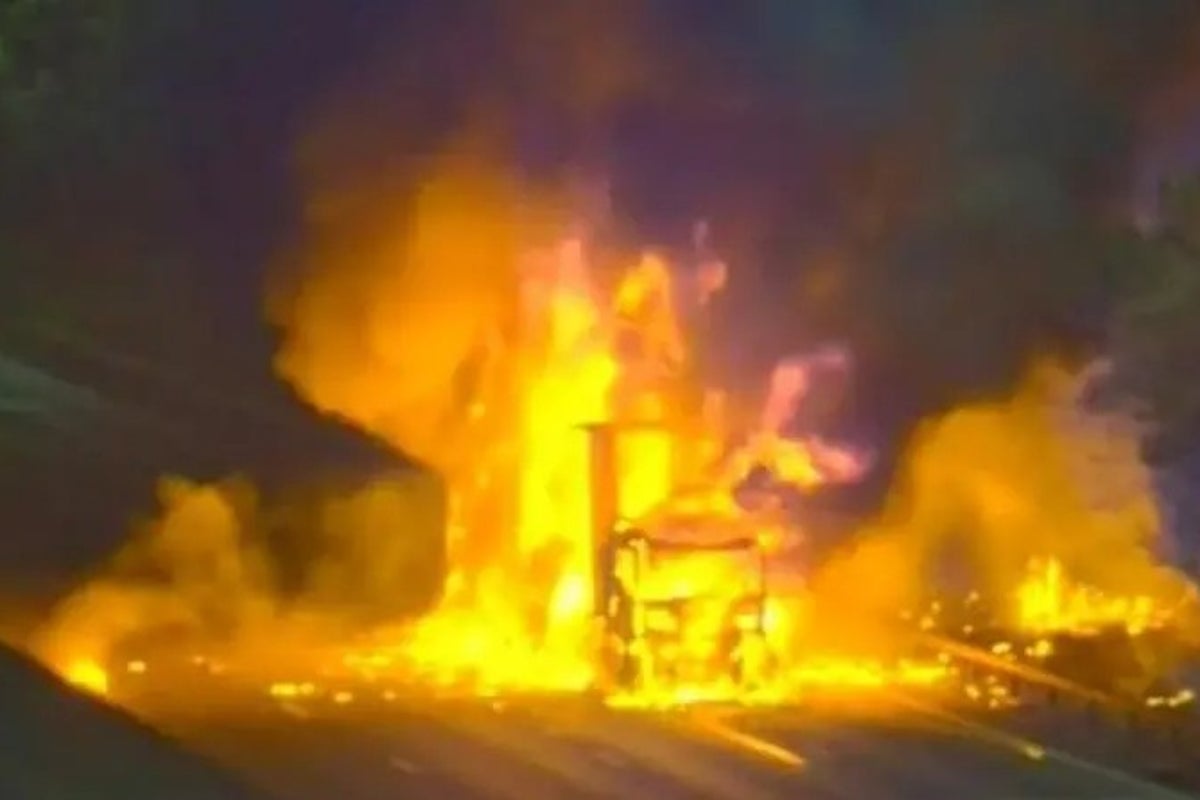


JD Vance is expected to travel to Pakistan Tuesday to lead the American delegation in the second round of peace talks to end the war in the Middle East, less than 24 hours before a fragile ceasefire between Iran and the U.S. is set to expire.
The new round of talks in Pakistan’s capital Islamabad has been thrown into doubt as Iran has not publicly committed to taking part.
It comes amid an impasse between the U.S. and Iran over marine traffic in the Strait of Hormuz as Donald Trump has insisted on keeping the blockade of Iranian ports while Tehran has reasserted military control over the crucial waterway.

Vice President Vance was expected to leave Washington for Islamabad Tuesday, according to reports, along with Trump’s special envoy, Steve Witkoff, and the President’s son-in-law Jared Khushner. All three were present in the previous round of talks.
However, it remains unclear if anyone is flying to Islamabad from the Iranian side.
On Monday night, an Iranian Foreign Ministry spokesperson said, “so far” Tehran had “no plans” to attend the talks.
Iran’s President Masoud Pezeshkian said Tehran was concerned about “unconstructive and contradictory signals from American officials” amid a “deep historical mistrust” of the U.S.
He said the talks so far have amounted to an effort to seek the country’s surrender. “Iranians do not submit to force,” he said.

But there were still hopes of Iranians attending the talks as one senior official told Reuters that Tehran was “positively reviewing” its participation. Two Iranian officials also told the New York Times that the delegation could be headed by Mohammad Bagher Ghalibaf, the speaker of Iranian parliament, who led the last round of negotiations. He will leave if Vance does.
There were signs of preparations for the talks in Islamabad, which held the first round of negotiations on 12 April, which failed to win the concessions the U.S. sought from Iran over its nuclear program.
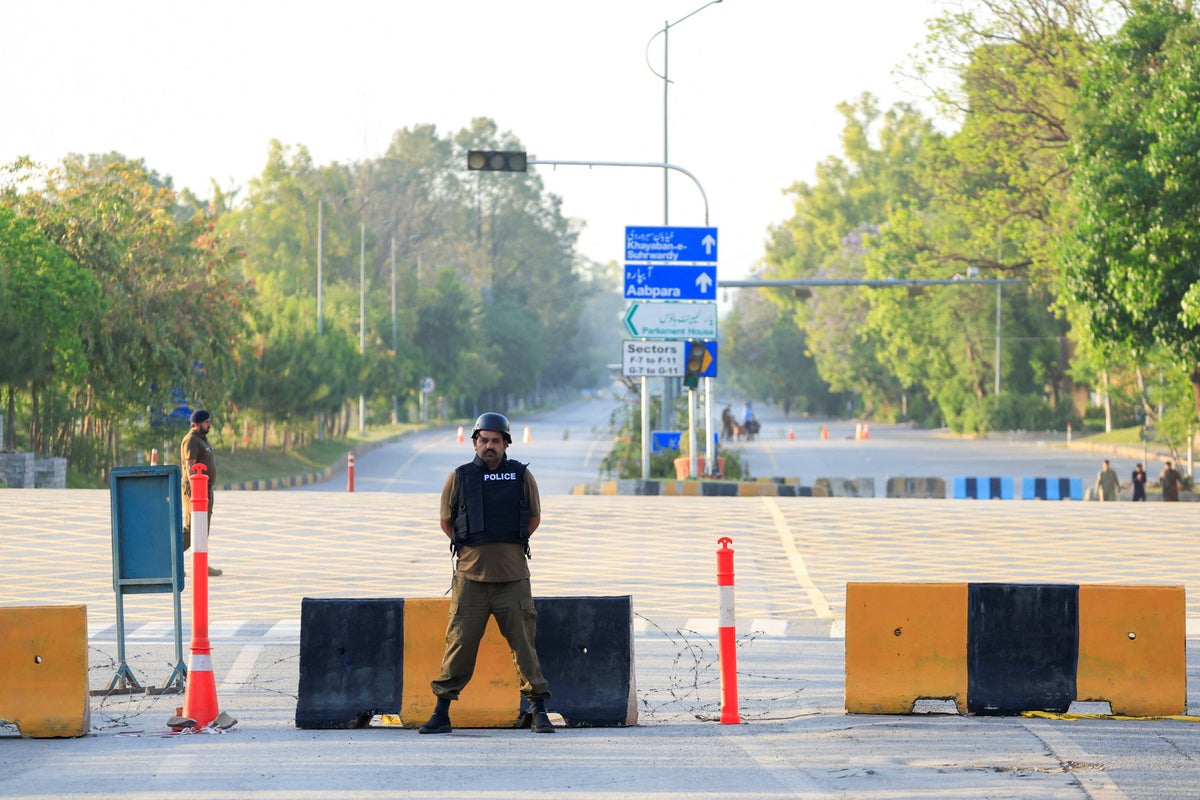
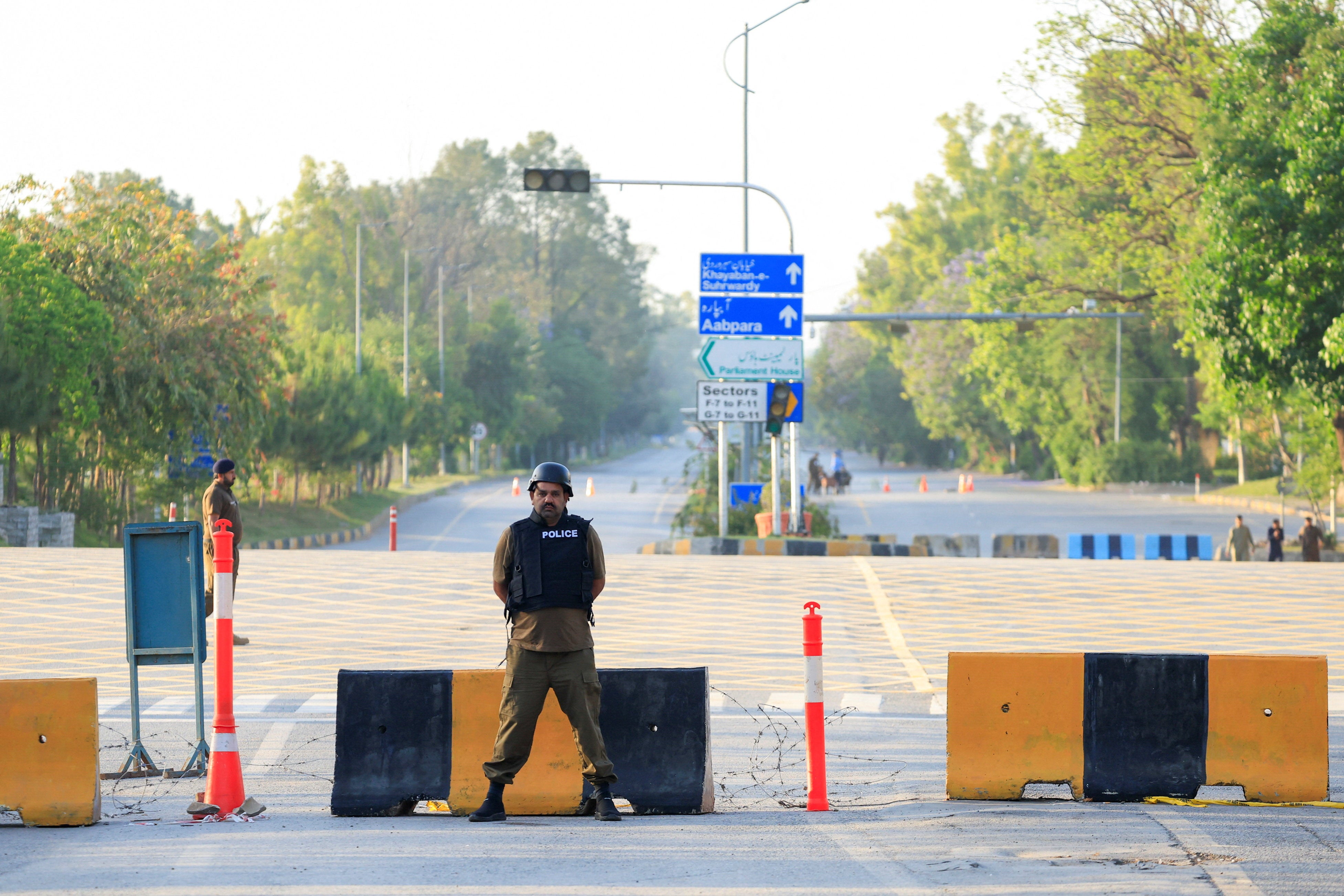
The city’s Serena hotel, where the previous talks were held, has been shut down for guests who were asked to leave for preparations for high-level meetings, and high security was back in the streets ahead of the arrival of foreign delegations.
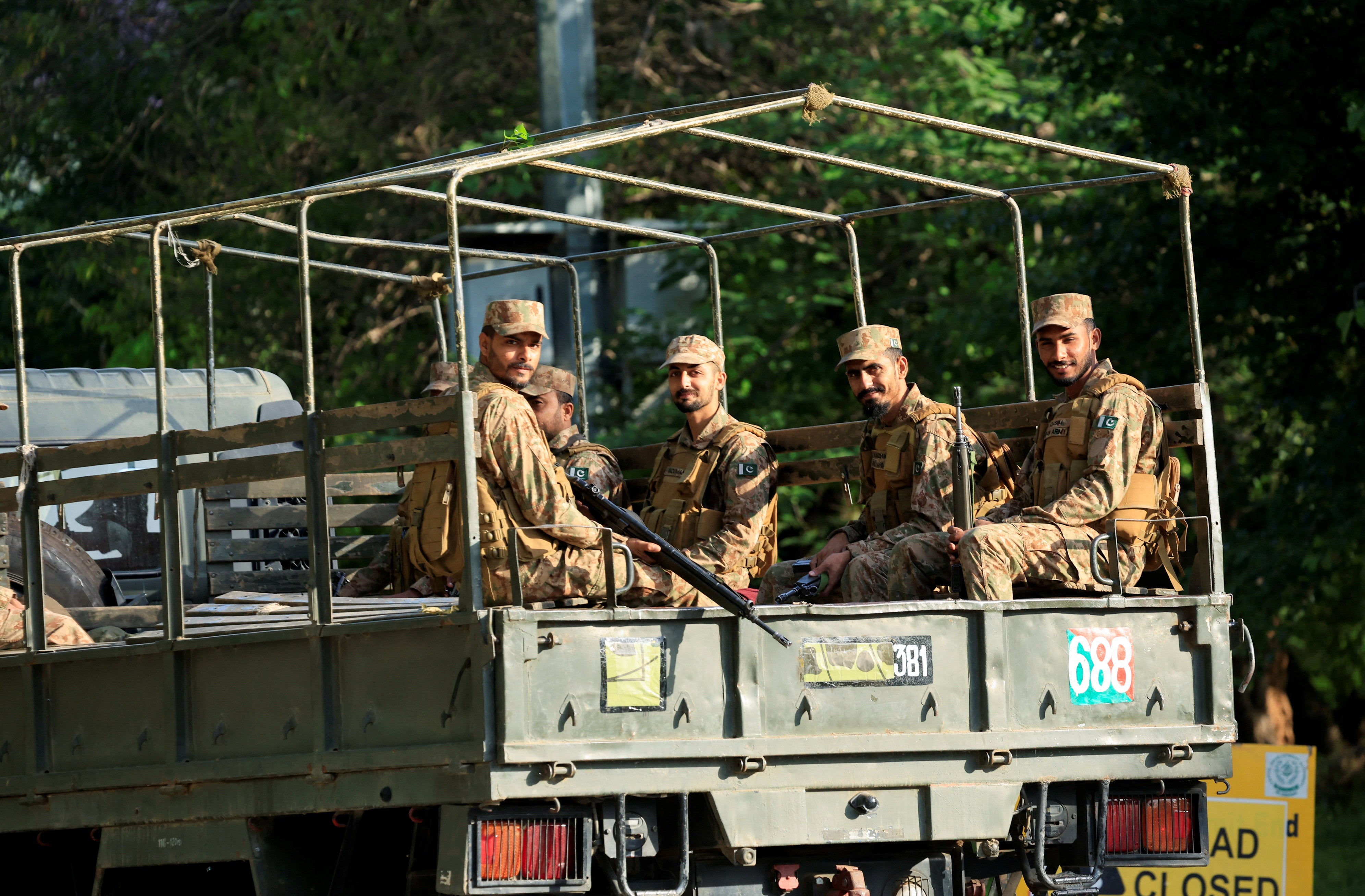
Some of the roads were closed by the police with some 20,000 personnel as well as hundreds of elite commandos, including snipers, taking positions across Islamabad and neighbouring Rawalpindi city.
Pakistan’s Interior Minister Mohsin Naqvi told Iran’s Ambassador to Pakistan, Reza Amiri Moghadam, Monday that preparations for talks have been completed. He added “foolproof security arrangements have been made for foreign delegations”.

A senior Pakistani government official told Reuters that they were confident it could get Iran to attend the talks.
In a post on X on Tuesday, Ghalibaf said Iran has “prepared to reveal new cards on the battlefield” as Tehran would not accept negotiations under the shadow of threats.
“Trump, by imposing a siege and violating the ceasefire, seeks to turn this negotiating table – in his own imagination – into a table of surrender or to justify renewed warmongering,” he wrote.
The talks – if they take place – will happen as Trump has refused to lift its blockage of Iranian ports till a deal is reached with Tehran.
Trump said the U.S. was winning the conflict “by a lot” and the blockade of the key waterway was “absolutely destroying Iran”.
A Pakistani security source said Pakistani mediator, Field Marshal Asim Munir, had told Trump the blockade which began a week ago was an obstacle to talks.
U.S. forces have directed 27 vessels from the strait since the blockade began, forcing them to turn around or return to Iranian ports.
The U.S. also intercepted an Iranian-flagged commercial tanker and seized it for the first time since the conflict began, in what Tehran has called an “act of piracy” and a violation of the temporary ceasefire between the two countries.
Trump is eager for a deal that would help avoid another surge in oil prices and plunge in stock markets while Iran hopes to leverage its control of the Strait of Hormuz, a crucial shipping channel for global energy supplies, to get an agreement that prevents a resumption of the war, and allows financial relief fromlong-running sanctions and some breathing room for its nuclear program.