
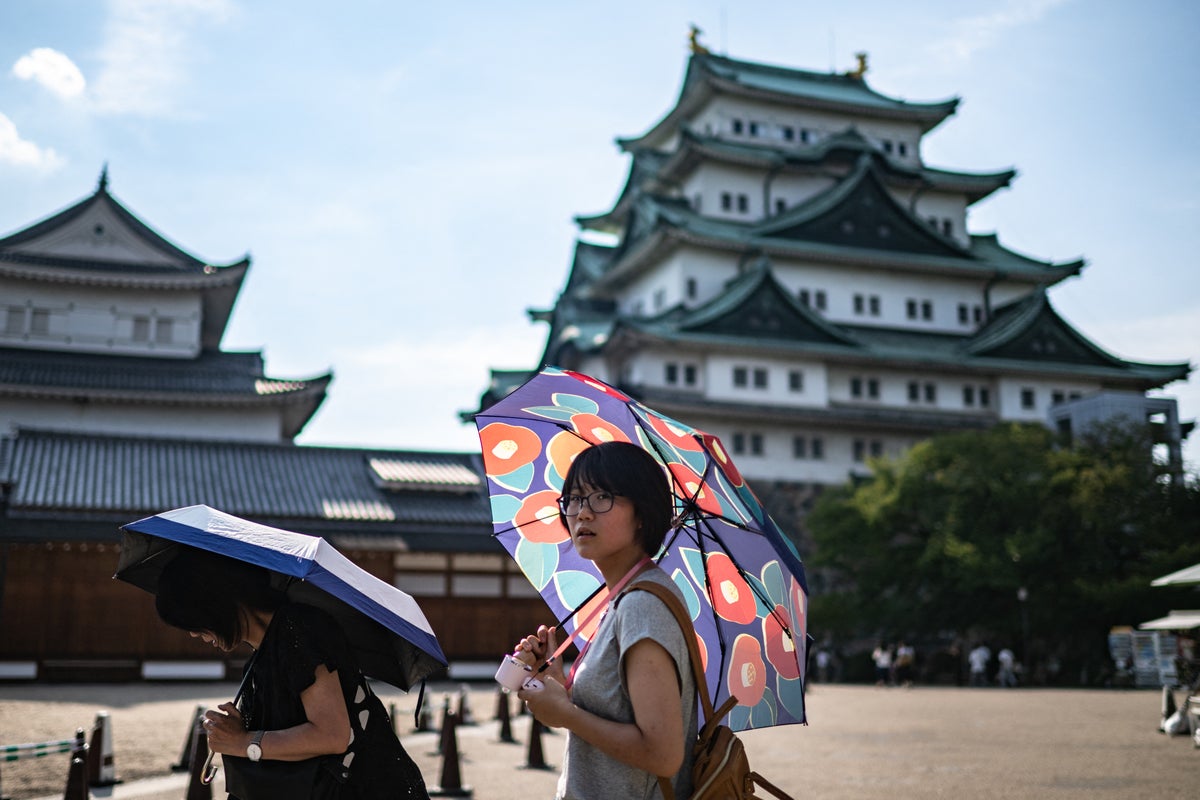
The Japan Meteorological Agency is adding a new word to its weather-forecast lexicon for days when temperatures exceed 40C, highlighting the growing incidence of extreme weather.
Kokushobi, which roughly translates as “severely hot day”, expands a system of heat classification that includes natsubi (summer day) for temperatures above 25C, manatsubi (midsummer day) for 30C and moshobi (extremely hot day) for 35C.
The agency picked the word after an online survey in February and March that offered 13 candidates, combined with expert opinion.
The decision follows dramatic changes in Japan’s summers in recent years. Of the 108 days on record above 40C since records began in 1872, as many as 41 occurred between 2023 and 2025. This means that more than a third of all such days in 150 years of recordkeeping are from just the last three years.
The summer of 2025 was the hottest on record, with average temperatures between June and August running 2.36C above the 30-year average. Of the 153 meteorological stations across the country, 132 recorded new highs that year.
The highest temperature ever recorded in Japan, 41.8C, was set in Isesaki, Gunma prefecture, in August 2025, with 30 locations across 13 prefectures reporting above 40C that same day.
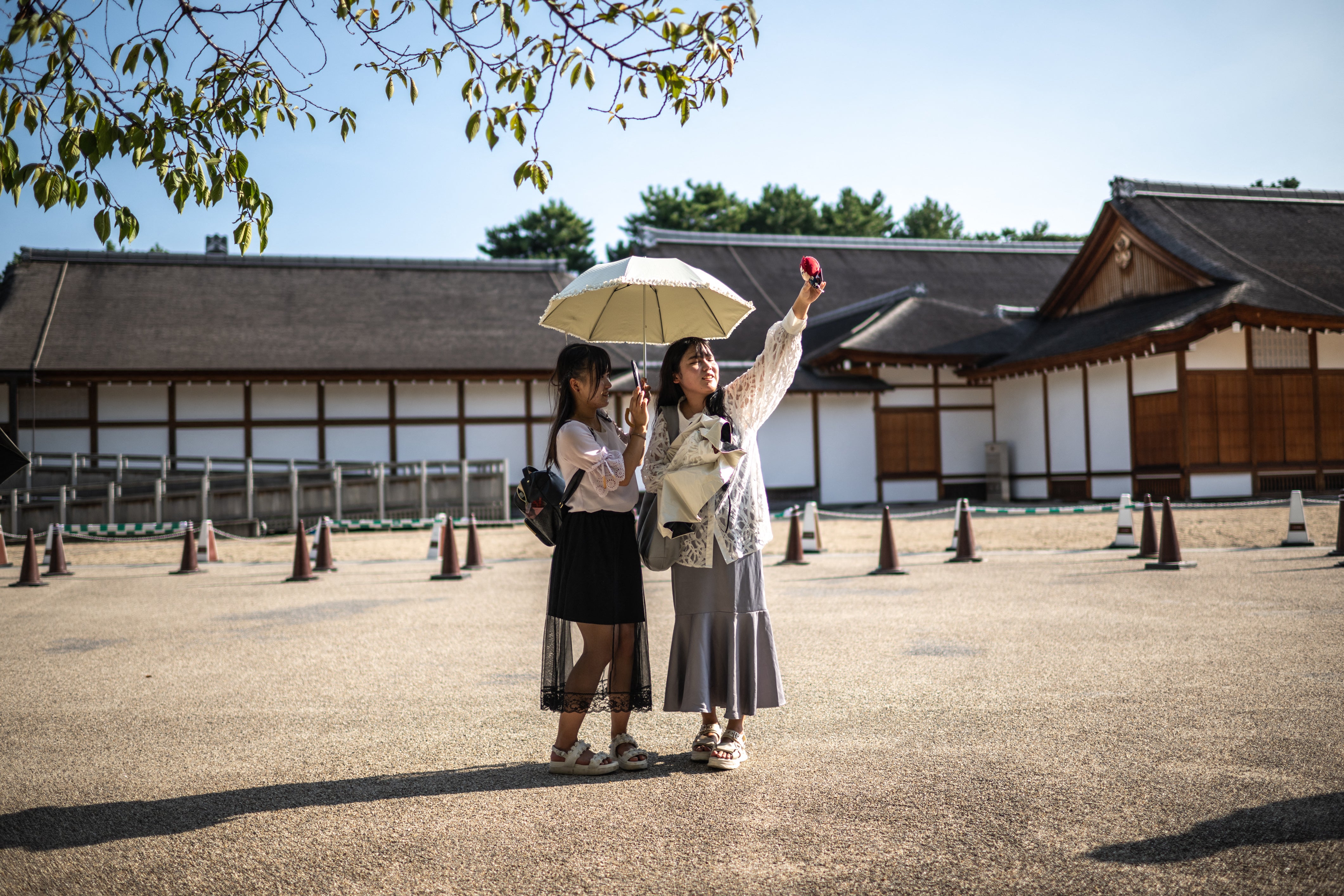
Japan’s warming is outpacing the global average. Over the past century, global temperatures have risen by around 0.73C, while temperatures in Japan have risen by 1.13C.
Scientists attribute much of this to the climate crisis, particularly the warming of waters around the Japanese archipelago which traps the country in an elevated heat well into autumn. Warmer oceans also fuel heavier rainfall and more intense typhoons, compounding the climate pressures the country faces.
The health consequences of extreme heat are severe. Heatstroke hospitalisations spike sharply during periods of above 35C and deaths among elderly residents are a persistent feature of the summers now.
During the July 2018 heatwave, when temperatures reached a then-record 41.1C in Kumagaya, Saitama, 96 Tokyo residents died from suspected heatstroke over a single month.
Another record-breaking summer is forecast for 2026. Experts project that the trend will continue. If the climate crisis marches on unabated, Japan risks losing its cherished four seasons, becoming a country with only two, a pattern seen across Asia. Researchers warn that spring and autumn are increasingly being squeezed out by an extended summer heat season.