






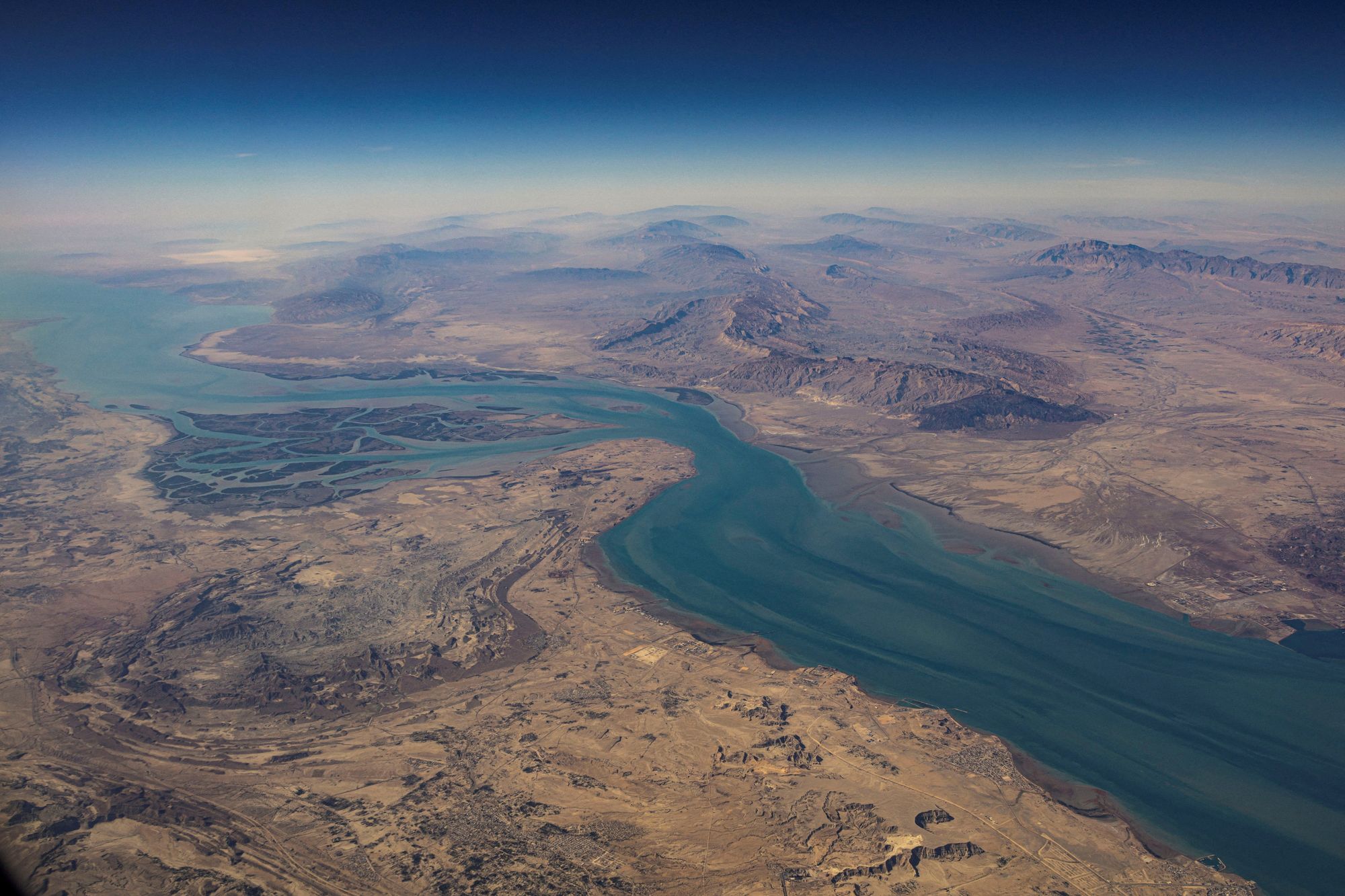
Iran has suggested it is willing to let Spanish ships transit through the Strait of Hormuz despite the Persian waterway remaining under strict control.
In a post on social media, the Iranian Embassy in Spain said that it would permit any shipping requests coming in from Madrid because it considered the country to be committed to international law.
The post read: “BREAKING NEWS: Iran considers Spain a country committed to international law, so it shows receptiveness to any request coming from Madrid. #EstrechoDeOrmuz”.

It comes a day after Spanish prime minister Pedro Sanchez called the war in Iran “illegal”.
“Every bomb that falls in the Middle East hits the wallets of our families,” he told lawmakers in a parliament session, laying out the reasons for his government’s steadfast opposition to the war.
Iran has remained in control of the Strait of Hormuz since the start of the war, sparking chaos in energy markets and an estimated shortage of 4.3 million barrels of oil per day, according to Kpler.
Around a fifth of the world’s oil and gas passes through the Strait of Hormuz and Iran’s tight grip over its navigation has caused crisis for import dependent countries in Asia.
The Philippines is the latest country to announce an energy crisis, with only 45 days worth of fuel supply as of 20 March; on Thursday the energy market regulator suspended the country’s wholesale electricity spot market across all three grids due to fuel supply risks.

But while Iran has maintained close control over the waterway, experts have said that ships are still getting through the strait.
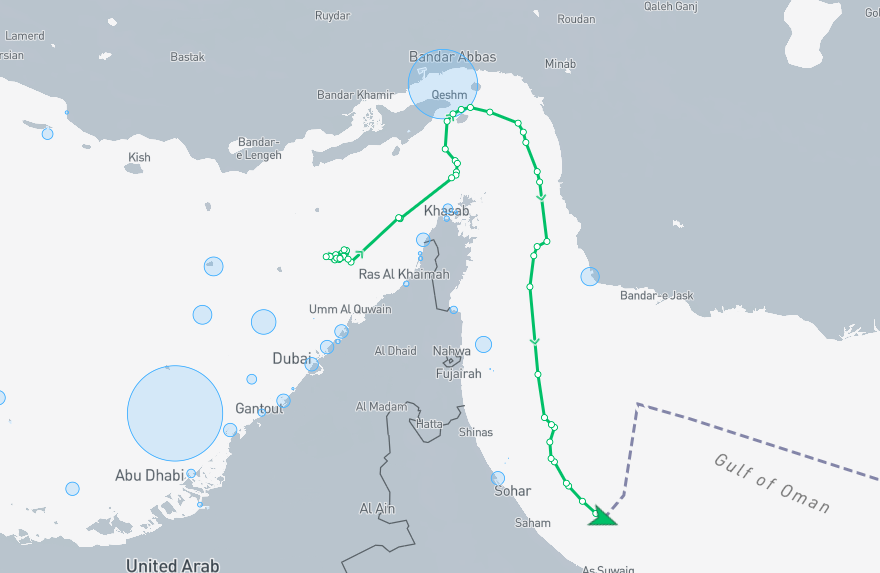
Analysis from Kpler shows that vessels linked to friendly countries were safely making the transit via an adjusted route, which suggested that Iran was steering certain vessels through a safe route around the Larak island.
A Thai oil tanker has safely passed through the strait following diplomatic coordination between Thailand and Iran, and Malaysia’s prime minister said on Thursday that Malaysian vessels were also being allowed to pass through, in a sign that restrictions were loosening for some countries following diplomatic negotiations.

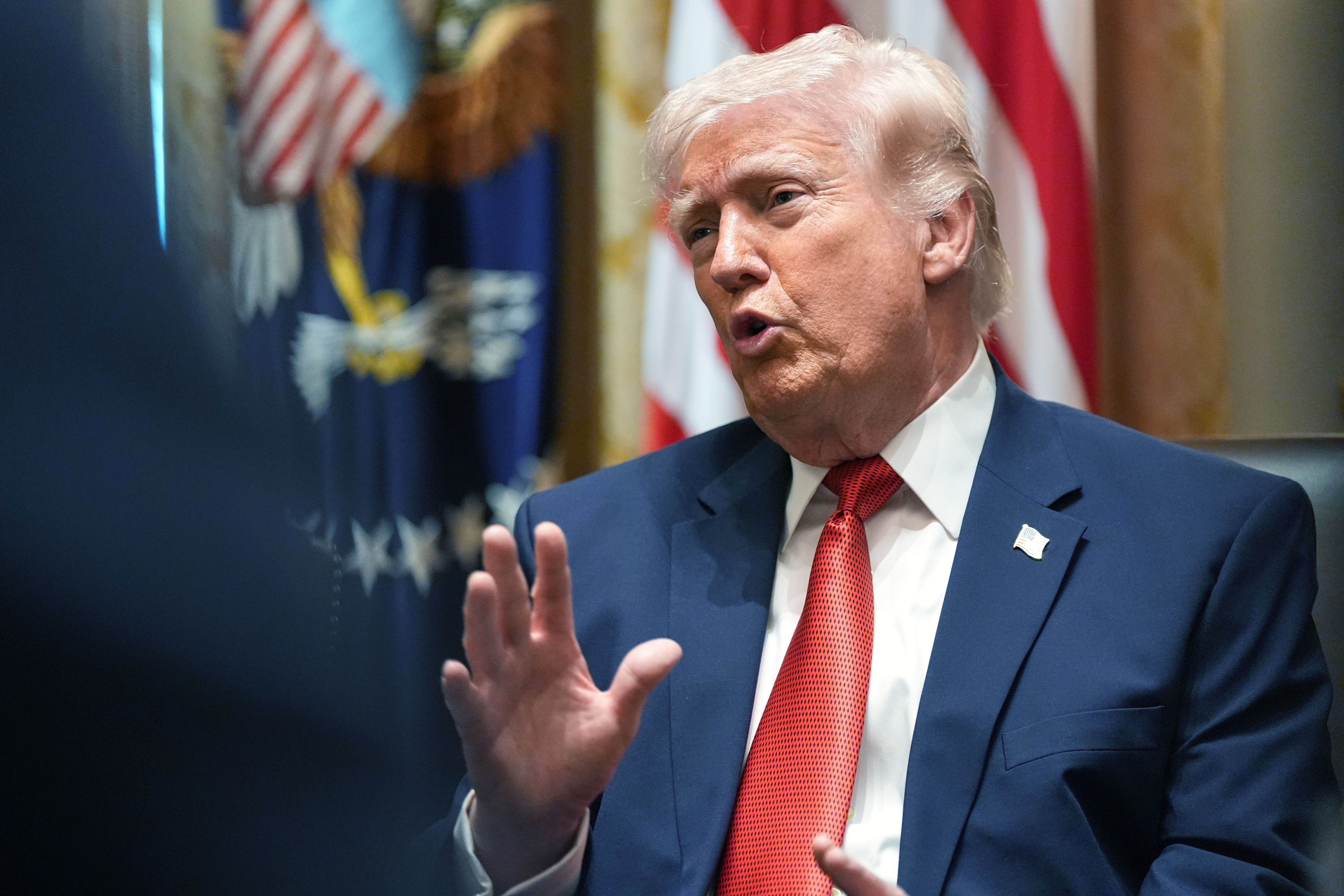
US president Donald Trump suggested on Thursday that Iran let ten oil tankers transit the strait as a goodwill gesture in negotiations, including some Pakistan-flagged vessels. The Independent could not verify this.
Spain has abstained from supporting the war in Iran and distanced itself from positions adopted by fellow western leaders in France, Germany, and the United Kingdom who have taken “defensive action” in response to Tehran’s attacks on Gulf countries and Cyprus.


Foreign minister José Manuel Albares said at the start of March that Spain was “very clear” in its position that Europe must work towards de-escalation and a return to the negotiation table.
“A logic of violence, as we are seeing, only leads to a spiral of violence, and unilateral military actions outside the United Nations Charter, outside any collective action, have no clear objective. Europe must defend international law, de-escalation, and negotiation,” he insisted, per El Pais.
Last year, the Spanish-flagged merchant shipping fleet reached its lowest level in two decades. At present, it is comprised of 91 vessels, of which six are oil tankers and 13 are gas carriers, according to the latest report published by the Spanish Shipowners Association as of June 2025.

