
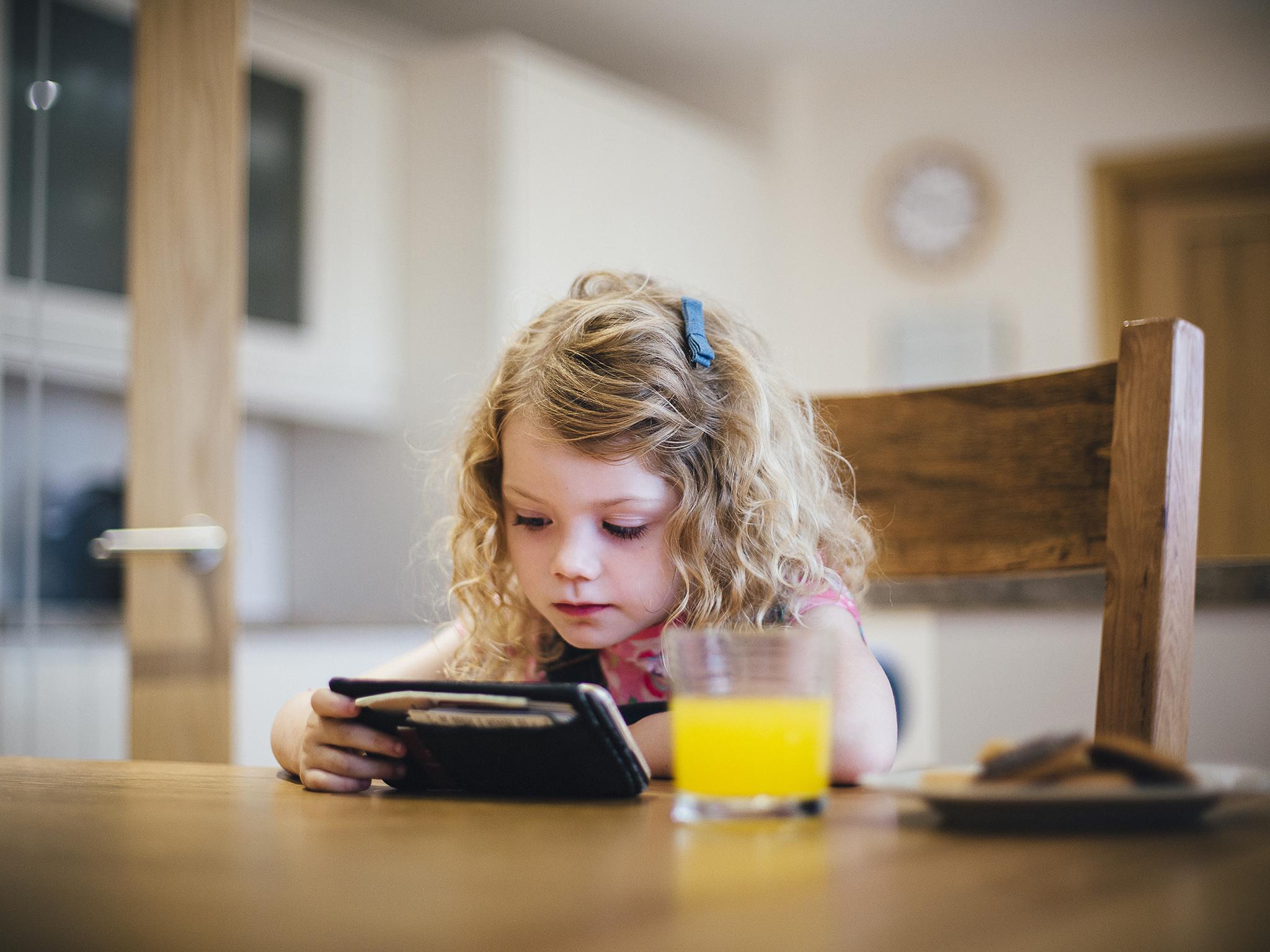
Parents should limit screen time for children under five to no more than one hour a day, according to new government advice.
Bedtime and mealtimes should also be free from screens, families will be advised, while they should be avoided entirely for under-twos other than for shared activities encouraging interaction.
The new guidance comes as ministers consider Australia-style measures to limit or ban social media for under-16s, amid growing concerns about the impact technology has on the wellbeing and development of children.

Sir Keir Starmer promised the new guidance would help families keep children safe and build healthy habits.
“Parenting in a digital world can feel relentless,” he said. “Screens are everywhere, and the advice is often conflicting. My government will not leave parents to face this battle alone.”
He also suggested that ministers were prepared to put up a fight on the issue in the months ahead. “There will be some who will oppose us doing this. But whether it’s navigating technology, tackling the cost of living or balancing the demands of family life, I will always stand on the side of parents doing their best for their children,” he said.
Between the ages of two and five, families will urged to try music, games, stories and colouring instead at bedtimes and mealtimes.
The guidance also advises watching screens with children and discussing the content with them.
Parents will also be warned away from fast-paced social media-style videos as well as toys or tools that use artificial intelligence.
When it comes to under-twos, screens should be avoided other than for shared activities encouraging interaction, which could include video-calling friends and family or looking through photos together.


Ministers have previously said that around 98 per cent of children watch screens daily by the age of two.
The guidance was developed by a panel led by children’s commissioner Dame Rachel de Souza and children’s health expert Professor Russell Viner.
The panel found long periods of time on screens can impact activities which are important for good development such as sleep, physical activity, creative play and interaction with parents.
Education secretary Bridget Phillipson said: “I know how hard it is to navigate parenting in a world full of screens.
“They’re unavoidable, but it often feels impossible to tell whether you’re getting the balance right.
“That’s why we’re giving parents the clear, trusted support they’ve asked for – so families can make informed choices, and children can have the childhood they deserve.”
Infants with the most screen time are significantly less likely to regularly be read to or go on trips outside, the Education Policy Institute has found.
The panel also recommended in its report that parents should think about their own screen use in the presence of their children, and consider screen-free periods of the day for the whole family.
James Bowen, assistant general secretary at school leaders’ union NAHT, said it welcomed the guidance.
“Navigating an increasingly digital world where screens are everywhere can be a real challenge for parents, and school leaders are increasingly concerned about the impact of excessive screen use by young children,” he said, warning it can cause “real issues”.