A few years ago, during a conversation with her former agent, Hayden Panettiere discovered the truth about a situation that had always nagged at her. In 2000, when she was an 11-year-old child actor and the family breadwinner, Panettiere was fired from David Fincher’s home invasion thriller Panic Room – she was collateral damage from the departure of its original star, Nicole Kidman, due to an injury.
Or so she was told. In fact, Fincher had wanted Panettiere to stay on with Jodie Foster, who was replacing Kidman. But he’d asked her mother – who looked after her earnings and helped shepherd her career at the time – if Panettiere could cut her hair into a bob, in order to better match Foster. Panettiere’s mother refused. Changing her daughter’s hair was out of the question.
“I was so out of the loop,” Panettiere, 36, recalls today. “And it was one of the harder things that I’ve experienced. I didn’t think it was fair. And I think a lot about what my life could have been like if I did that film. What parts could I have played? What person would I have been?” Coincidentally, she tells me, she met her Panic Room replacement Kristen Stewart only a few days ago, at a friend’s birthday party. “We talked about everything that happened, and she was so kind. I felt like, finally, I was able to get it off my chest and let it go.”
Panettiere had watched Stewart from afar, tracking their duelling fates. Panettiere’s star-making role arrived in 2006, when she played an indestructible cheerleader in the fantasy series Heroes. A part as a self-medicating country singer in the TV soap Nashville came later. Stewart, meanwhile, got the lead in Twilight, then made indie hits and played Princess Diana to an Oscar nomination.
Their paths diverged in other, bleaker ways, too. Panettiere’s personal life would become increasingly chaotic – she’d struggle with addiction, postpartum depression, and familial crisis. She lost custody of her daughter Kaya, now 11, to her ex-partner, boxer Wladimir Klitschko, while an abusive relationship with an estate agent played out in the pages of the Daily Mail and in violent videos published to TMZ.
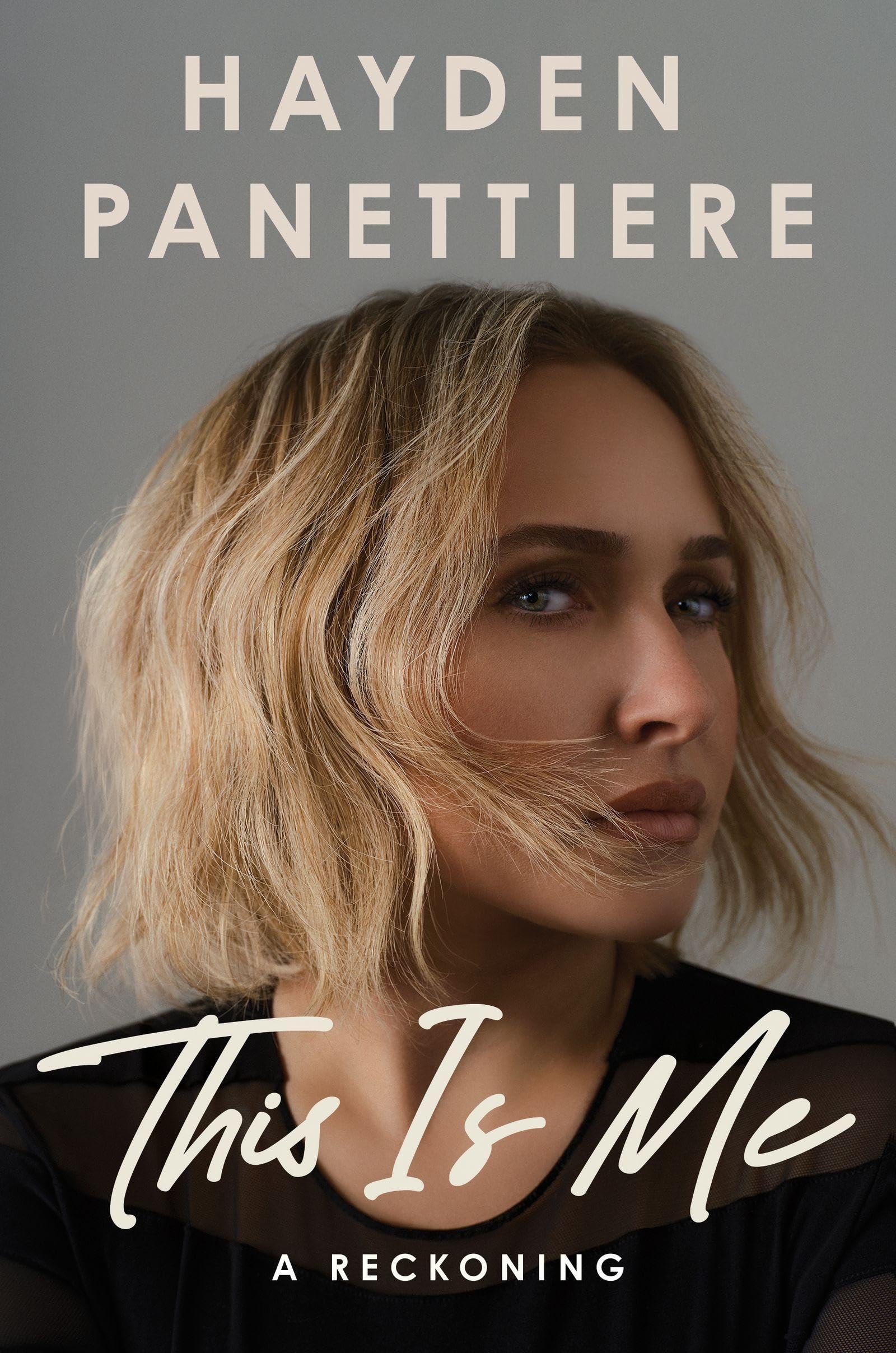
She has worked sparingly as an actor in recent years. But now she has written a book, titled This Is Me, with the aim of taking back control of the narrative. “I made the decision to be brutally honest about every aspect of my life, from childhood to now,” she says. “I had to learn not to be afraid of what people would think about it. Or if they would judge me.”
I first interviewed Panettiere in 2023, via video call. It was uniquely difficult – Panettiere’s little brother Jansen, who’d also struggled with drug addiction, had died at the age of 28 just two weeks earlier. Panettiere pressed on with her promotional commitments for the horror sequel Scream VI all the same. She seemed understandably dazed and fragile, her eyes wet and her speech lethargic. A decision was made not to publish footage of the interview.
The Panettiere I meet today is more present, but still fragile-seeming. She has opted to speak from her LA home without her camera on, and there is a weariness to her voice. Celebrity memoirs tend to be written in a post-crisis glow, scars from the past glazed over. It’s unusual to see one published while its writer is seemingly in the thick of things – taking each day of newfound sobriety at a time, sifting through raw family dysfunction, still grief-stricken.
Panettiere was four months old when she was signed up to acting and modelling agents by her mother, the former actor Lesley Vogel, who’d had minor success in soap operas in the Eighties. Work arrived fast – Panettiere was very good at delivering big emotions on camera. She was able to weep, cry and scream on cue. “Getting that kind of praise so young made me feel empowered and happy,” Panettiere tells me. “But it was also all wrapped up in pleasing my mom. Her opinions were the most important to me. I associated praise with love. So being praised felt like being loved.”
Vogel is a dominant figure in the book – someone who withheld affection, was often volatile and inappropriate, and was prone to wearing “risqué, cleavage-baring boho tops” to meetings with studios and producers. I tell Panettiere that she still writes about Vogel with a great deal of empathy – you can’t help but feel sorry for a woman so eager for acting success herself, who is speedily usurped by her own child, whom she comes to slightly resent, all before her other child dies in tragic circumstances.
“She’s a very complex person,” Panettiere says. “And I get a lot of that from her, genetically.” She is talking carefully. “I don’t want to offend anybody, or drag anybody, or hurt anyone’s feelings. But I knew that if I wasn’t honest about my relationship with her, I wouldn’t be being honest at all. She’s a huge part of the person I am today.”
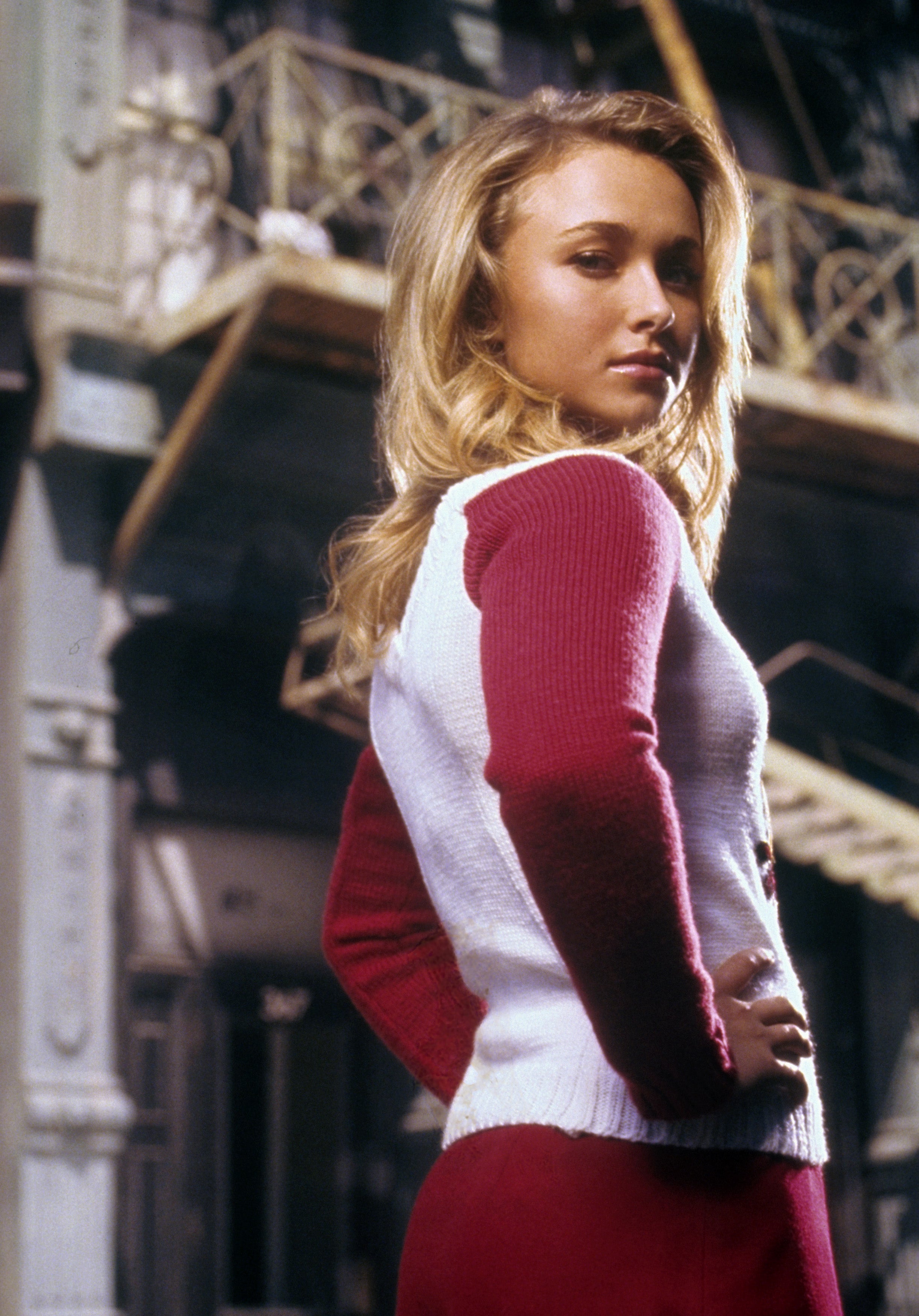
Panettiere cut professional ties with Vogel at the age of 19, while working on Heroes. She asked to meet her in her trailer, and begged her to just be her mother. “All I wanted was a dynamic that didn’t involve contracts, producers, boho tops, or drinking wine at industry parties,” she writes. Vogel, Panettiere claims, “picked up her purse, clenched her jaw, and looked straight at me. ‘You owe me,’ she answered. Then she turned around and walked out of my trailer … I knew I’d done the right thing, but I sensed something in me had died.”
“On one hand, I wasn’t surprised by her reaction,” Panettiere says today. “On the other hand, it was heartbreaking. Having a normal relationship [with me] wasn’t something that interested her. And it was also maybe something she wasn’t even capable of.” Panettiere admits that the pair are currently estranged, but expresses hope that they’ll one day reconcile.
Depressingly, a month after our interview, Vogel released a series of statements to tabloids in which she condemned Panettiere for inventing “drama … to sell books”, and described her as “entitled” and “unempathetic”. Vogel added: “After 20 years of trauma, I took the advice of professionals and chose the no-contact route.” (“I’ve always left that door cracked open [for reconciliation],” Panettiere said during a TV appearance this week. “Because who doesn’t want a relationship with their mother? But she slammed that door pretty hard in my face.”)
The way Panettiere tells it, her early fame was a mixed blessing. She was a wry 10-year-old football fanatic in the Denzel Washington vehicle Remember the Titans (2000), lent her voice to A Bug’s Life (1998) and Dinosaur (2000), and played Michelle Trachtenberg’s skating rival in Disney’s Ice Princess (2005). But she was also privately lonely, panicked about anyone discovering her bisexuality, and would watch enviously as Lindsay Lohan worked a room with outrageous confidence, something that only made her feel worse about herself in the process. “Lindsay was born to be in situations like this,” she writes. “I was not, and I feared rejection.”
Heroes, too, was a phenomenon, but only briefly. When I ask Panettiere about how it somewhat notoriously hit the skids in its second season, she laughs. “I mean, I would love to do a show that was good all the way through,” she says. “Heroes was incredible in the first season, but you’re signed up for six years – you never know what it’ll become.”
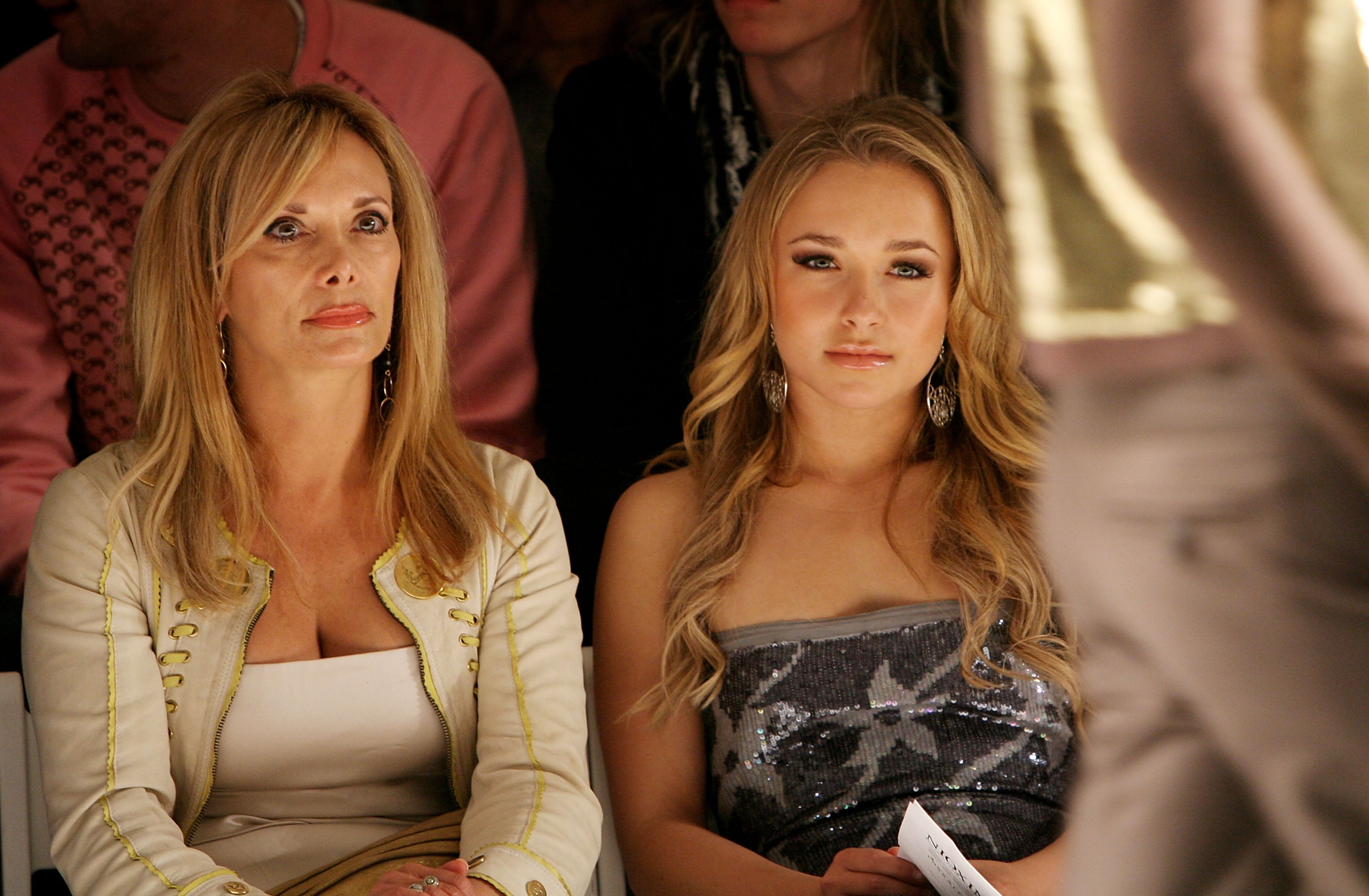
Darkness set in following her professional split from her mother, which coincided with her first big breakup – with her Heroes co-star Milo Ventimiglia – and her professional restlessness as Heroes came to a close. She found herself befriending older women – maternal figures, she says – like the wealthy philanthropist, socialite and Real Housewives star Diana Jenkins, and another woman, who invited her to strange parties with lascivious movie stars in attendance, and attempted to coerce her into sex work.
On a superyacht in France – “like the kind oligarchs dock in international waters to avoid paying taxes” – Panettiere was encouraged to jump into bed with a “famous thirtysomething British singer-songwriter”. “I knew I had to get off this boat, away from this horrible woman and whatever she was up to,” Panettiere writes. “She’d confided in me, pampered me, and treated me like her best friend – then turned around and treated me like a call girl.”
“I was looking for family at that moment in time, and a place to belong,” she says now. “There was very little that was consistent about my life back then, and it made me feel so lost.”
Nashville seemed like a fresh start in 2012, alongside her fledgling relationship with Wladimir Klitschko. But Panettiere experienced severe postpartum depression after the birth of their daughter Kaya in 2014, which she soothed with alcohol and pills. A legal battle ensued after Panettiere and Klitschko split, with Panettiere losing custody. Klitschko moved back to his native Ukraine with Kaya, while Panettiere plummeted deeper into addiction. Her subsequent relationship with estate agent Brian Hickerson became abusive. (In 2021, he pleaded no contest to two felony counts of injuring Panettiere, and was sentenced to 45 days in jail.)
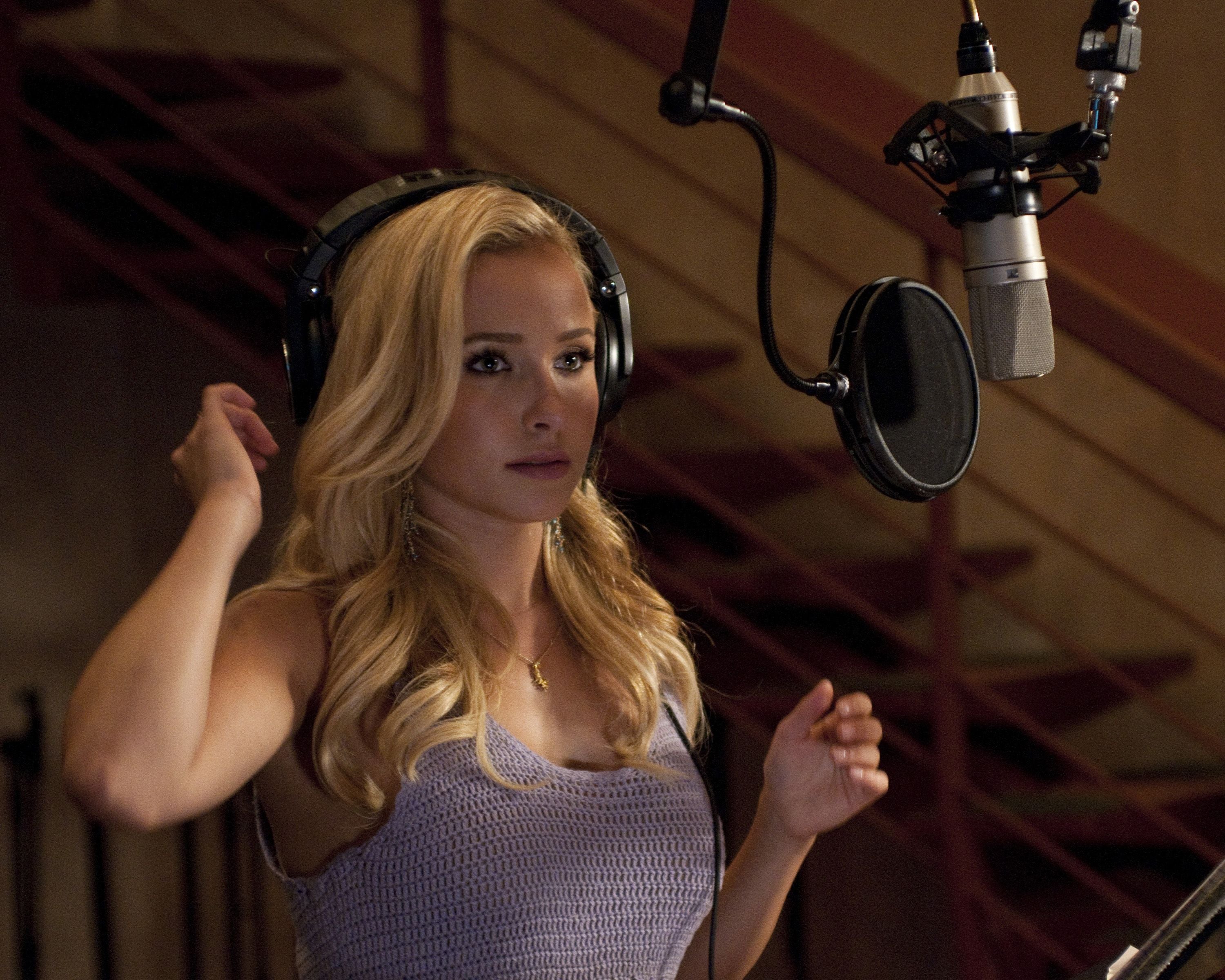
“I always put high expectations on myself, so everything that happened…” She trails off. “It’s not healthy to receive so much praise as a child. So when I got to an age where I became somebody the paparazzi were interested in, and the media wanted all the gory details… it broke my heart that people thought negatively about me.” One of her biggest goals with the book was to clear up the rumour that she had happily relinquished custody of Kaya. “It was definitely defamation of character. I didn’t recognise the person [the press] was talking about.” She and Klitschko, she says, are on good terms now. She speaks to Kaya almost daily on FaceTime.
Early in This Is Me, Panettiere recounts an incident between her parents in 2008, four years before they split, to which the police were called. She writes of the “inexcusable” nature of domestic violence. But she also writes that “violence within families and between intimate partners is a complex and personal issue”, and that her parents are “fiery Italians”: “Mom and Dad bickered about issues both big and small, and their fights were loud and intense. ‘F*** you’ was our family’s way of saying ‘I love you’.” She denies, to the best of her knowledge, that their arguments ever became physically violent.
Panettiere is single, but still in contact with Hickerson – they were photographed together in March, and Hickerson told TMZ last week that he still hopes to marry her someday. When I ask whether she’s thought about the possibility of receiving criticism for the way she writes about violence, or at least concern, she says she hasn’t. “First and foremost, I have a team of people around me, and friends who are incredibly supportive, and that makes me feel safe. I’m just going to avoid the negativity.”
She wants to write and produce, and release a jewellery line. She says she’s interested in the lifestyle space, and skincare. “I know that if I surround myself with positive people, I can accomplish whatever I set my mind to,” she adds. “I’ve made my share of mistakes, I’ve fallen on my face, but I’ve always stood up again and dusted myself off.” Despite everything she has gone through, she says it is creativity that has provided a lifeline, and given her purpose when she needs it the most. “I’ve got plenty of issues, but finding meaning in life isn’t one of them.”
Hayden Panettiere’s ‘This Is Me: A Reckoning’ is out now, via Headline