





.png?trim=0,0,0,0&width=1200&height=800&crop=1200:800)
A destructive, invasive giant rodent may have been deliberately reintroduced in California, posing a serious threat to the state’s fragile wetlands, wildlife officials said.
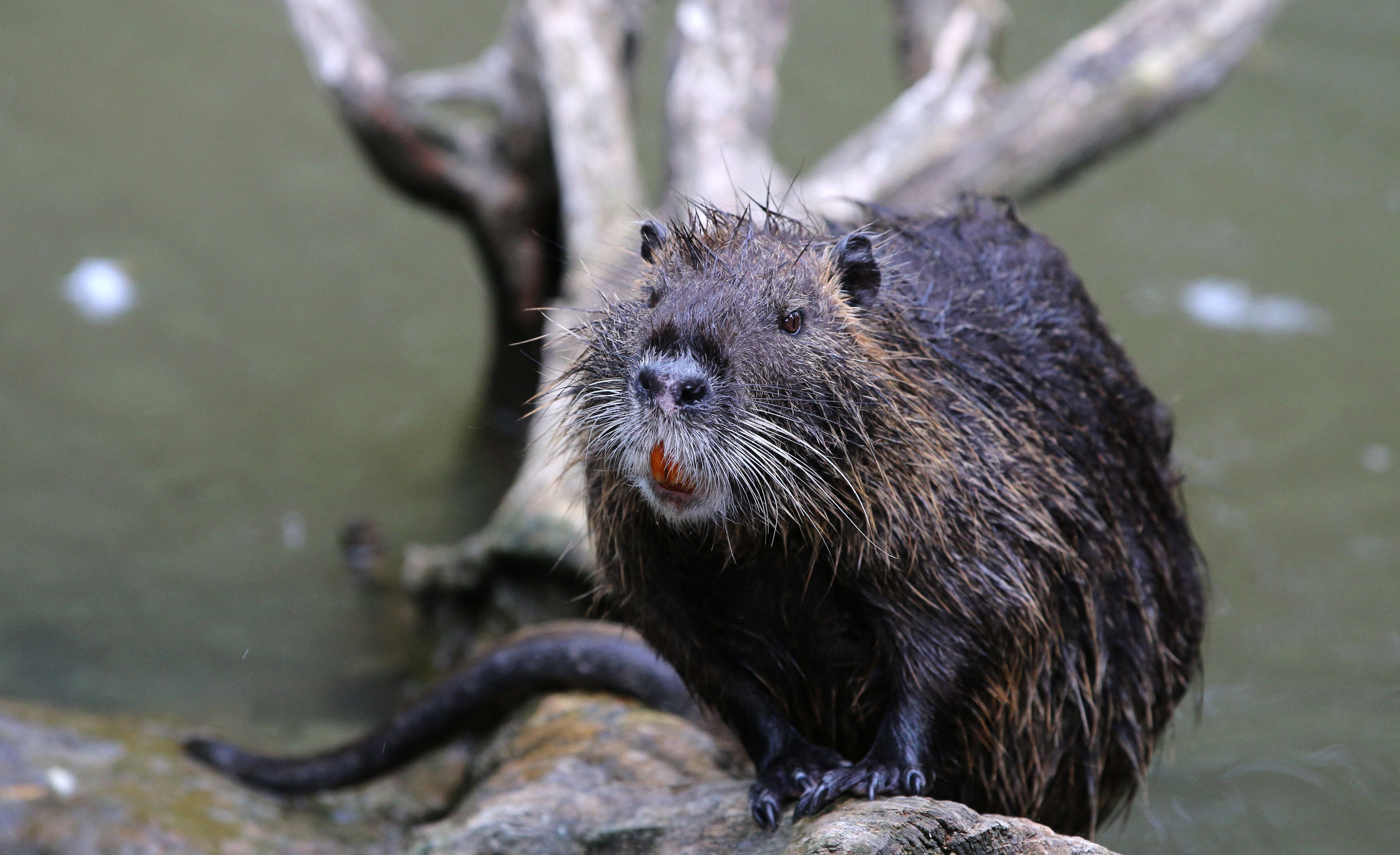
The species, known as nutria, is a large semi-aquatic rodent native to South America that can weigh up to 20 pounds and consume vast amounts of vegetation.
A first-of-its-kind genomic study found that nutria discovered in Merced County in 2017 are genetically linked to a population in central Oregon – which suggests the invasive rodents were illegally reintroduced to California by humans decades after being eradicated in the 1970s, the California Department of Fish and Wildlife said Tuesday.
“Given where nutria were rediscovered in California, it is nearly impossible that they could have migrated there on their own,” Michael Buchalski, Fish and Wildlife’s wildlife genetics research lead, told SFGate. “It’s too far of a distance and we don’t find any nutria in the areas in between. That makes human introduction the most likely scenario.”
The motive behind the suspected reintroduction remains unclear, officials say. Some believe the nutria may have been released as a misguided attempt at vegetation control, while others suspect possible environmental sabotage, SFGate reports.

.png)
“Someone may have thought they could be an effective natural way to manage aquatic vegetation on their private property,” Buchalski said. “Also, some people just really like nutria…Or it could have been malicious in hopes that they would cause environmental damage. It’s hard to know.”
Regardless of intent, the consequences could be severe. Nutria are known for aggressively feeding on aquatic plants, often consuming up to a quarter of their body weight daily, which can devastate marsh ecosystems and destroy habitats for native species. Their burrowing behavior also weakens levees and irrigation systems, increasing the risk of flooding and infrastructure failure.
Since 2017, the state has removed thousands of nutria and spends about $5 million each year to control the population, while also setting up inspection stations at key entry points as a “first line of defense” against further introductions.

Despite those efforts, officials warn that preventing additional human-assisted spread remains critical. The introduction and transport of nutria into California is illegal, and authorities stress that continued vigilance is necessary to protect the state’s ecosystems.
“The results of this study additionally will benefit future national and global genetic research on nutria,” Buchalski said in a statement.

