




U.S. inflation has soared due to the Trump administration’s ongoing war with Iran.
The March Consumer Price Index showed a 0.9 percentage-point increase from February, meaning prices are 3.3 percent higher year-over-year. It’s the largest annual increase since May 2024.
Economists had been bracing for a significant uptick in inflation as a result of the Middle East conflict, which began when the U.S. and Israel launched joint strikes on Iran February 28.
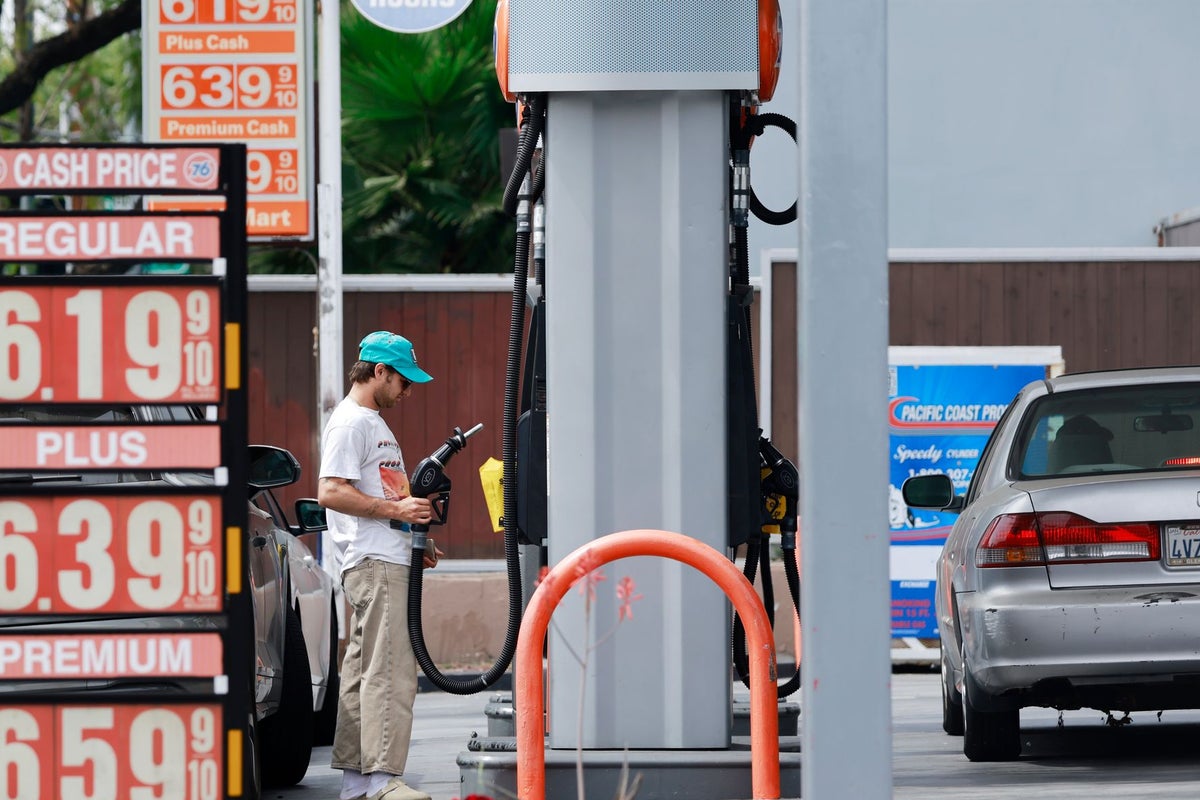
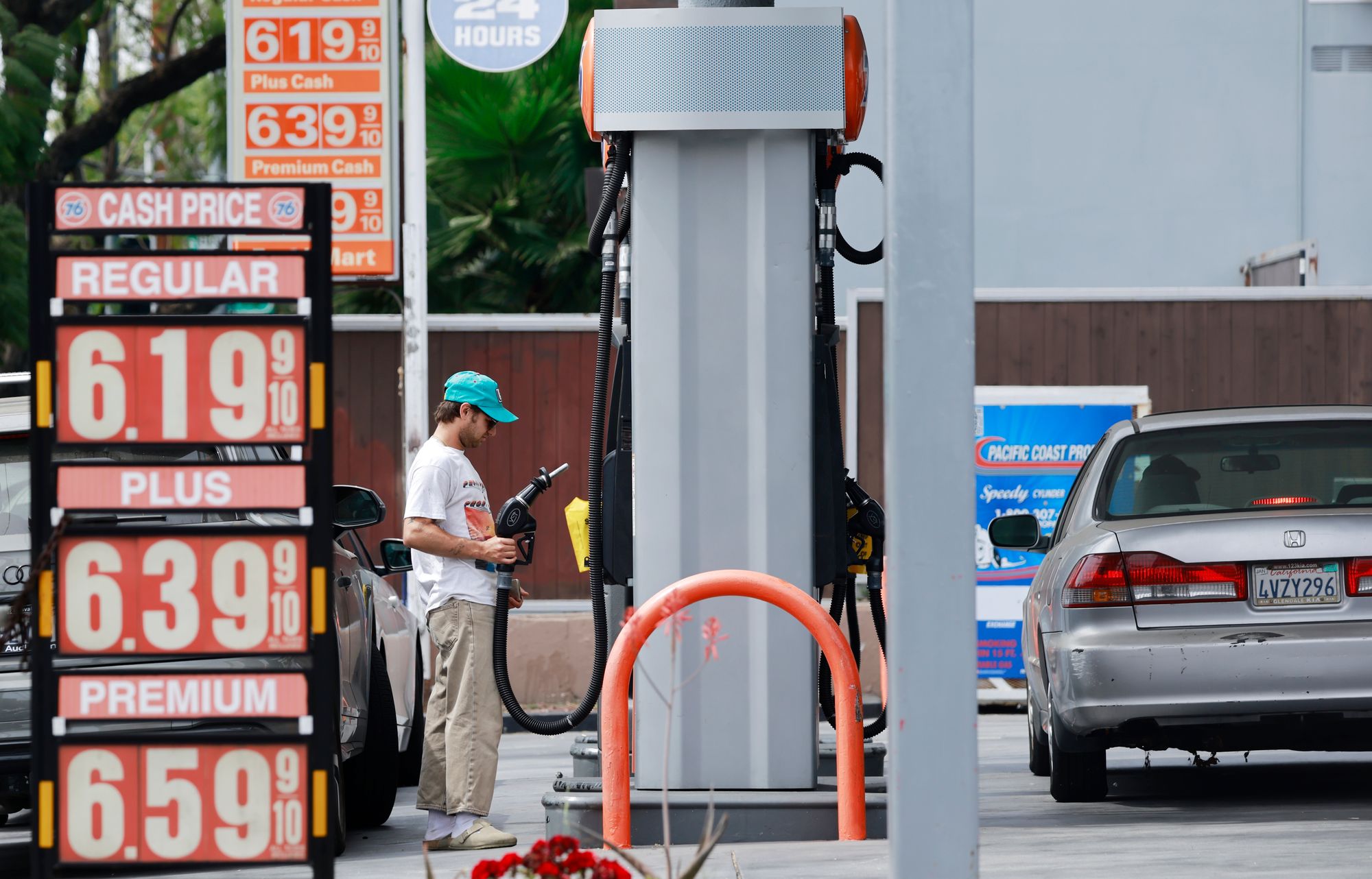
The Iran war has spiked global energy prices, with oil regularly surpassing the $100-a-barrel milestone in the past month. The average gas price in the U.S. has risen above $4 a gallon, up nearly $1 from one year ago. These prices have edged lower since the U.S. and Iran announced a ceasefire earlier this week, though they remain elevated.
The fuel price surges are largely attributed to Iran’s de facto blockade in the Strait of Hormuz, a vital trade artery through which 20 percent of the world’s oil flows. Even after the two-week armistice was unveiled, traffic through the waterway has scarcely changed.

Inflation rises across numerous sectors
The Bureau of Labor Statistics’ latest monthly report confirmed that inflation is indeed being driven by surging energy costs. Overall, energy prices have climbed 10.9 percent — while gasoline is an extraordinary 21.2 percent higher.
On Friday, the average price for a gallon of gasoline stood at $5.91 in California and $4.09 in Florida, according to AAA.
Core prices, excluding food and energy categories, were up 0.2 percent from February, and 2.6 percent from a year earlier. Items that saw increases included airline fares, apparel and new vehicles.

.jpeg)
Airfare rose by 2.7 percent amidst a dramatic surge in the cost of jet fuel, while electricity ticked up by 0.8 percent. Transportation services crept up by 0.6 percent.
Experts had previously warned that surging fuel prices would eventually ripple through the broader economy, pushing up the cost of everyday goods for Americans.
Some sectors saw modest improvements, though.
Grocery prices dipped slightly in March, falling 0.2 percent, though they remained 1.9 percent higher than a year ago. The cost of utility gas service decreased by 0.9 percent, but it is still up by 6.4 percent year-over-year. The price of medical care commodities fell by 1 percent.
White House reaction
Following the publication of the inflation figures, President Donald Trump wrote on Truth Social: “WORLD’S MOST POWERFUL RESET!!!”
Last month, he downplayed rising energy prices as insignificant in the broader context of global security.
“Short term oil prices, which will drop rapidly when the destruction of the Iran nuclear threat is over, is a very small price to pay for U.S.A., and World, Safety and Peace,” he wrote on Truth Social March 8. “ONLY FOOLS WOULD THINK DIFFERENTLY!”

On Friday morning, White House spokesperson Kush Desai wrote on X that Trump had “has always been clear about short-term disruptions” caused by the Iran war and that he is “diligently working to mitigate” them.
“Although gas and energy prices are seeing volatility, prices of eggs, beef, prescription drugs, dairy, and other household essentials are falling or remain stable thanks to President Trump’s policies,” he wrote.
Some corners of the administration appeared keen to focus on other things. The White House “Rapid Response” account on X posted a news clip of Brandon Arnold, vice president of the National Taxpayers Union, discussing “a lot of good news in the tax refund space.”
The administration has been ramping up its messaging on affordability ahead of November’s midterm elections. In December, Trump traveled to the battleground state of Pennsylvania to trumpet his economic agenda, where he was flanked by large banners reading “Lower Prices” and “Bigger Paychecks.”
“I have no higher priority than making America affordable again, that’s what we’re going to do,” Trump told a crowd of supporters. “They caused the high prices, and we’re bringing them down. It’s a simple message.”

