

A former inmate of the same prison camp which houses Ghislaine Maxwell was transferred to a higher-security facility and held in solitary confinement after publicly sharing her concerns about the convicted sex trafficker, she has claimed.
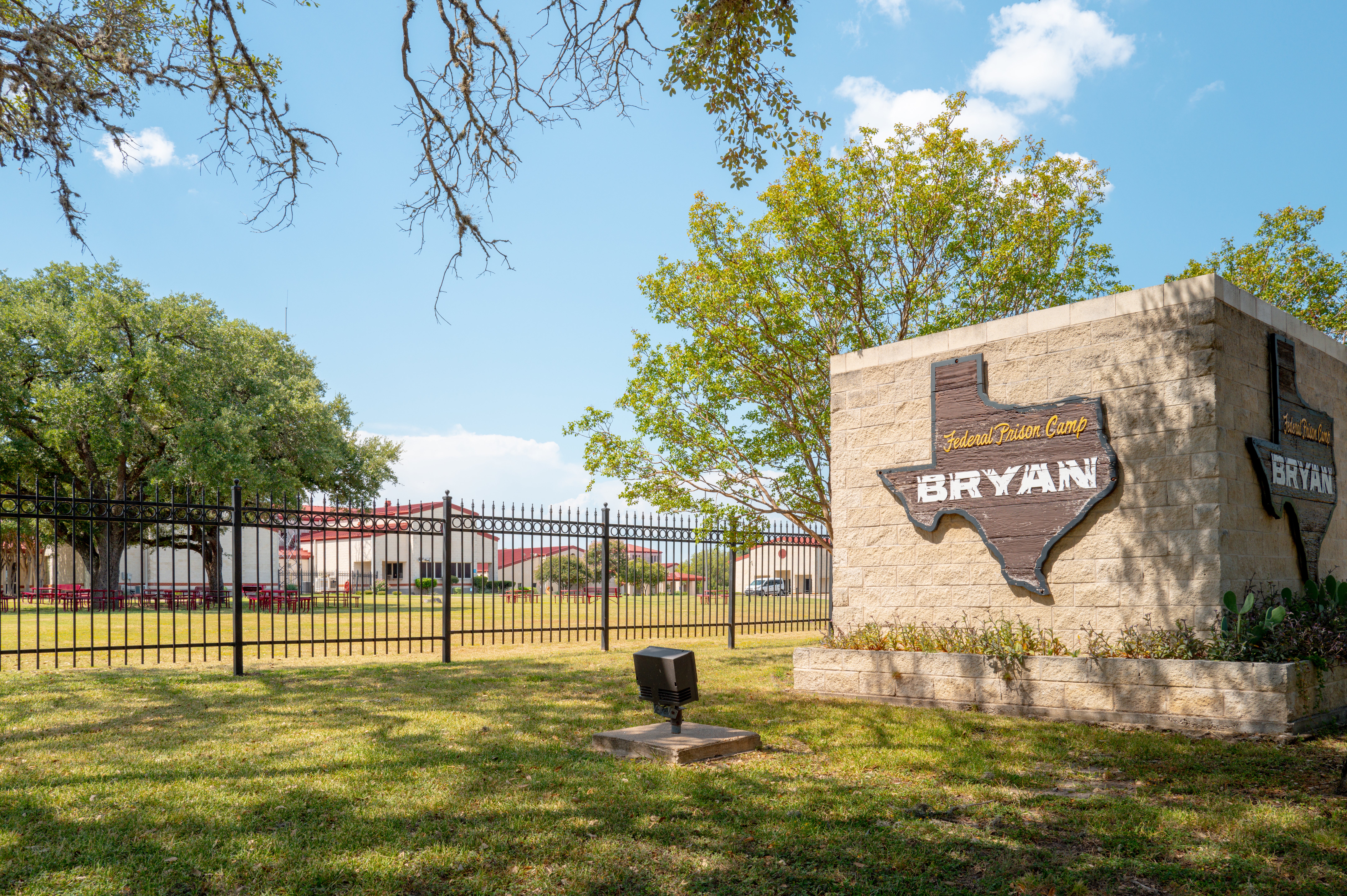
Julie Howell, who served a year for financial crimes, said she was moved from Federal Prison Camp Bryan in Texas to Federal Detention Center Houston in late July 2025. The transfer occurred shortly after Howell shared her worries about Maxwell with a reporter for The Telegraph.
Howell revealed the widespread resentment among prisoners at Camp Bryan following the arrival of Maxwell, Jeffrey Epstein’s former girlfriend. Howell claimed that inmates felt their limited freedoms were being curtailed to accommodate Maxwell, whose presence reportedly triggered lockdowns and heightened security measures.
Maxwell was convicted on sex trafficking, including of a minor, in 2021 and sentenced to 20 years in prison. She was being held at Federal Correctional Institution Tallahassee, Florida, but moved to the Bryan camp last summer. The transfer came after she gave two days of interviews to the Department of Justice regarding the Epstein files. Prison experts described the move as highly irregular given the nature of her crimes.
“Every inmate I’ve heard from is upset she’s here,” Howell told a Telegraph reporter, in an email later shared with CNN. “This facility is supposed to house non-violent offenders. Human trafficking is a violent crime.”
Other reports from the facility suggest Maxwell has received significant perks since her arrival, including private meal deliveries to her dormitory to avoid the communal cafeteria and custom-made food options. Whistleblowers have also alleged she was granted “VIP” access to the gym and showers after hours for privacy, as well as the companionship of a service-dog-in-training — a privilege not extended to other inmates.
Howell said soon after her comments were published in The Telegraph, she was summoned by Bryan’s Warden Tanisha Hall. According to Howell, the warden claimed the media attention had “ruined her weekend” and informed her it was “too late for apologies.”
Howell was then moved to the Houston detention center, where her attorney claimed she was placed in a windowless, solitary confinement cell in the Special Housing Unit. She remained at the facility for three months before being moved to a halfway house.
“There are some women in there who literally have no one,” Howell told CNN in her first interview since her release. “They don’t have family support. They don’t know what to advocate for. They make it so difficult, I think, so that you don’t put that work in.”
The Bureau of Prisons official incident report regarding Howell cited “disruptive conduct” and “contacting the public without authorization.” The report noted that her communications contained sensitive information regarding the facility’s security operations.
The Bureau of Prisons did not immediately respond to a request for comment from The Independent.
Under bureau regulations, inmates are permitted to communicate with the media, though officials state this typically requires prior approval from the warden. A spokesperson told CNN the bureau did not discuss specific inmates but remained committed to “integrity, impartiality and professionalism,” adding that staff are prohibited from providing “preferential treatment.”
Howell was not the only inmate to report such consequences. A second woman, who spoke to CNN on condition of anonymity, alleged she was also moved to the Houston detention center after speaking to a reporter.
“I was diverted to listen to the warden scream at me in front of the main cafeteria area,” this inmate said. “I told her I wasn’t sharing her business, I was speaking on my behalf. And she just basically berated me there and told me that I was jeopardizing the safety of her staff and interfering with an FBI investigation, of which I knew nothing about.”
Legal experts have questioned the decision to place Maxwell in a minimum-security camp.
“The most unusual case ever, period,” said Holli Coulman, a consultant with white-collar prisoners for Pink Lady Prison Consultants. “Never has happened before to any inmate going from an FCI (federal correctional institution) to a camp with the particular charges that she has. Period.”
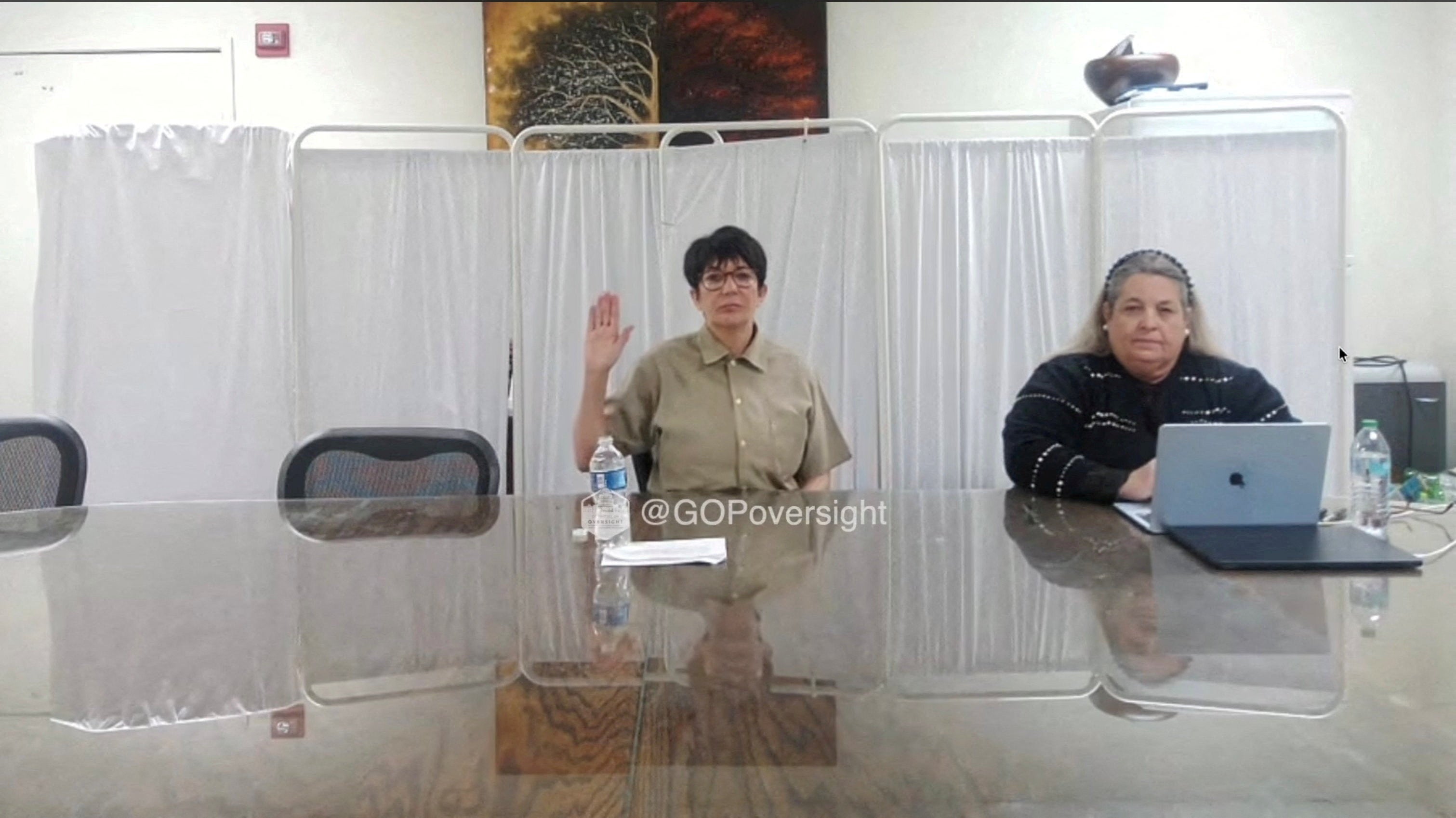
The transfer has also fueled speculation regarding Maxwell’s relationship with the government. During a closed-door deposition in February 2026, Maxwell spoke favorably of President Donald Trump, fueling questions from critics about whether her prison placement was linked to her cooperation or silence regarding high-profile figures.
Trump has not been accused of criminal wrongdoing, and one’s appearance in the Epstein files does not suggest otherwise. The president has repeatedly denied any wrongdoing in connection with Epstein and insists he cut ties with him years before he was under investigation.
Trump said last year that he hadn’t “thought about it” when asked about a potential pardon for Maxwell.