


When I met my boyfriend through Hinge two-and-a-half years ago, I had to make some adjustments. He was a lot quieter than the big personalities I’d gravitated towards dating in the past. At friends’ parties, I would do most of the talking while he patiently listened along. As our relationship deepened, there were no grand gestures on special occasions, and no effusive posts about me on his Instagram page. And yet, I felt strangely unbothered. There’s no fanfare around our relationship, but he’s the person who keeps me calm in stressful situations, who grounds me, who absorbs my chaotic rants without trying to compete with them. Only recently did I realize I’m dating what the internet has dubbed a “nonchalant boyfriend” — the latest supposed red flag women are being warned about on social media.
The term refers to a male partner who appears excessively laid-back, unexcitable and emotionally reserved. On social media, it has become the subject of fierce debate as heterosexual women are urged to leave their so-called nonchalant partners for someone more expressive and publicly romantic instead. In a viral TikTok sketch shared last year by @jakebenedicttt, the nonchalant boyfriend is played as almost comically unresponsive — indifferent to physical affection, emotionally impenetrable — until his exasperated girlfriend eventually breaks up with him.
Elsewhere online, a darker interpretation takes hold: that his detachment isn’t temperament but deceit. “Girl, he’s nonchalant because he doesn’t like you. He’s definitely ‘chalanting’ somewhere else,” reads one post on X. Another declares: “I’m too full of life to end up with a nonchalant man…”
However, others argue that the nonchalant man gets the girl because of his composure. His appeal, supporters argue, lies in his steadiness — his ability to remain calm in every storm. “Nonchalance is a form of silent leadership. She notices your steadiness before she even speaks,” one person posited on X. Another insists, “Confidence and calm often attract more than effort.” Others still have suggested that the nonchalant man is holding back after being hurt emotionally in the past.
The phrase has developed an unfair reputation, conjuring someone who’s disengaged, emotionally unavailable, and avoidant, according to Susan Trombetti, a professional matchmaker and CEO of Exclusive Matchmaking. “It could be somebody who is just tired of wearing his heart on his sleeve, so they’re holding back,” Trombetti tells me. “They’re not putting all their cards on the table to avoid getting friednzoned. If it’s an act, I definitely think it’s more intentional because they do wanna be in a relationship.”

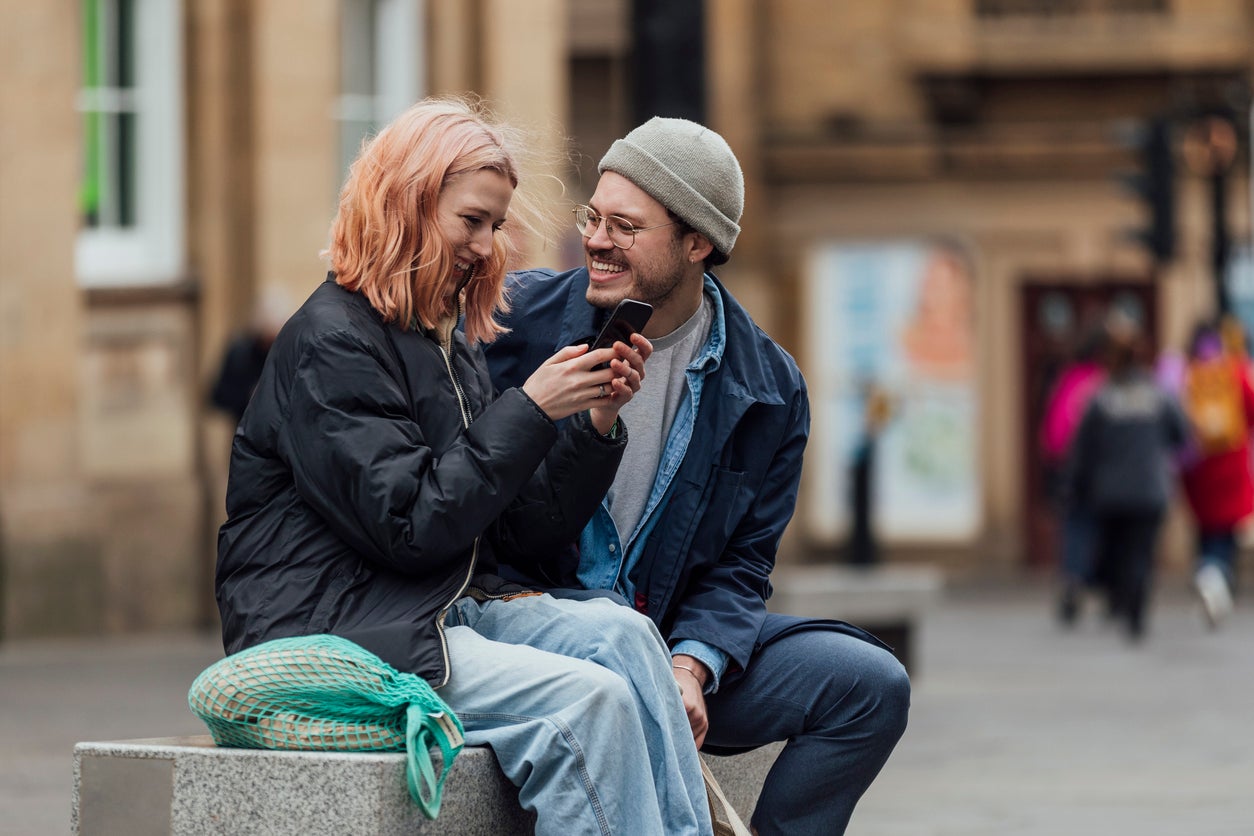
Young people, it seems, still want to find their person — they’re just struggling with how to get there. Hinge’s 2025 Gen Z D.A.T.E. Report found that 84 percent of its Gen Z users are looking for new ways to build emotional intimacy and deeper connections with their matches. However, it also found that 48 percent of Gen Z men avoid expressing emotional intimacy because they don’t want to be seen as “too much.” In other words, they’re searching for love but are afraid to show it.
A nonchalant man may come across as reserved on a first date — and perhaps even the second or third — but that doesn’t mean he isn’t serious about finding a partner. April Davis, relationship expert and founder of Luma Luxury Matchmaking, argues that these men are actually secure in themselves and the relationship they’re in. “There’s usually less drama, heated arguments, and jealousy. He’s not panicking when you miss his call or have to change plans,” she tells me. “He has his own life, and you feel like you’re part of it, just not the entire story. He can be stabilizing if you’re a more emotional person because he’s not one to overreact.”
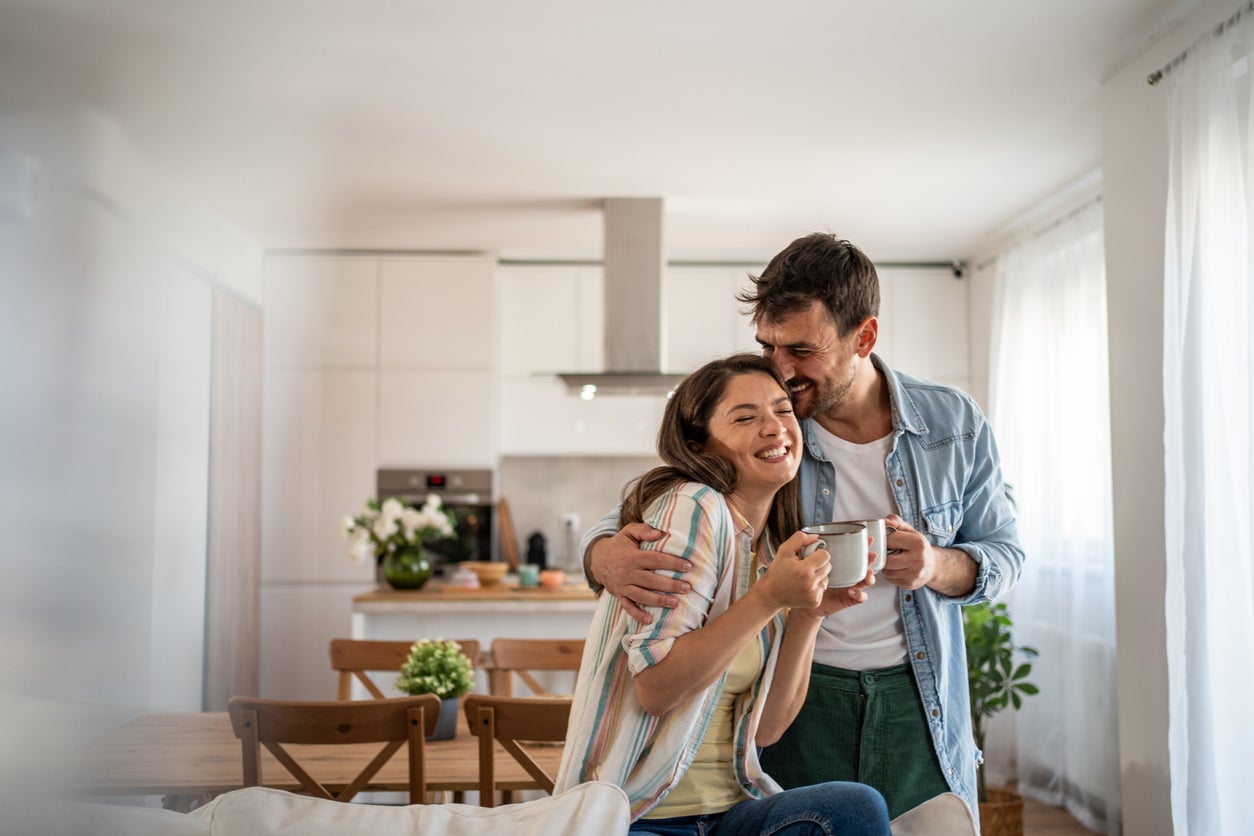
I know my boyfriend cares, even though he’s not posting declarations of love on Instagram, showing up with a boombox outside my house, or delivering a 50-stem bouquet on Valentine’s Day. He doesn’t shy away from romance; he just does it more subtly. Every holiday, anniversary, and birthday, he gives me a handwritten card, a private ritual that feels sacred, just for the two of us. He may not be flashy, but his thoughtfulness and consistency speak louder than any grand gesture.
Society tends to celebrate men most when they express love in very public ways. Last month, Marty Supreme star Timothée Chalamet was declared the ultimate “hype partner” when he praised his girlfriend, Kylie Jenner, onstage at the Critics’ Choice Awards. “Thank you to my partner of three years,” he told Jenner in the audience, while accepting the Best Actor award. “Thank you for our foundation. I love you, I couldn’t do this without you. Thank you, from the bottom of my heart.” Jenner mouthed back: “I love you, too.”

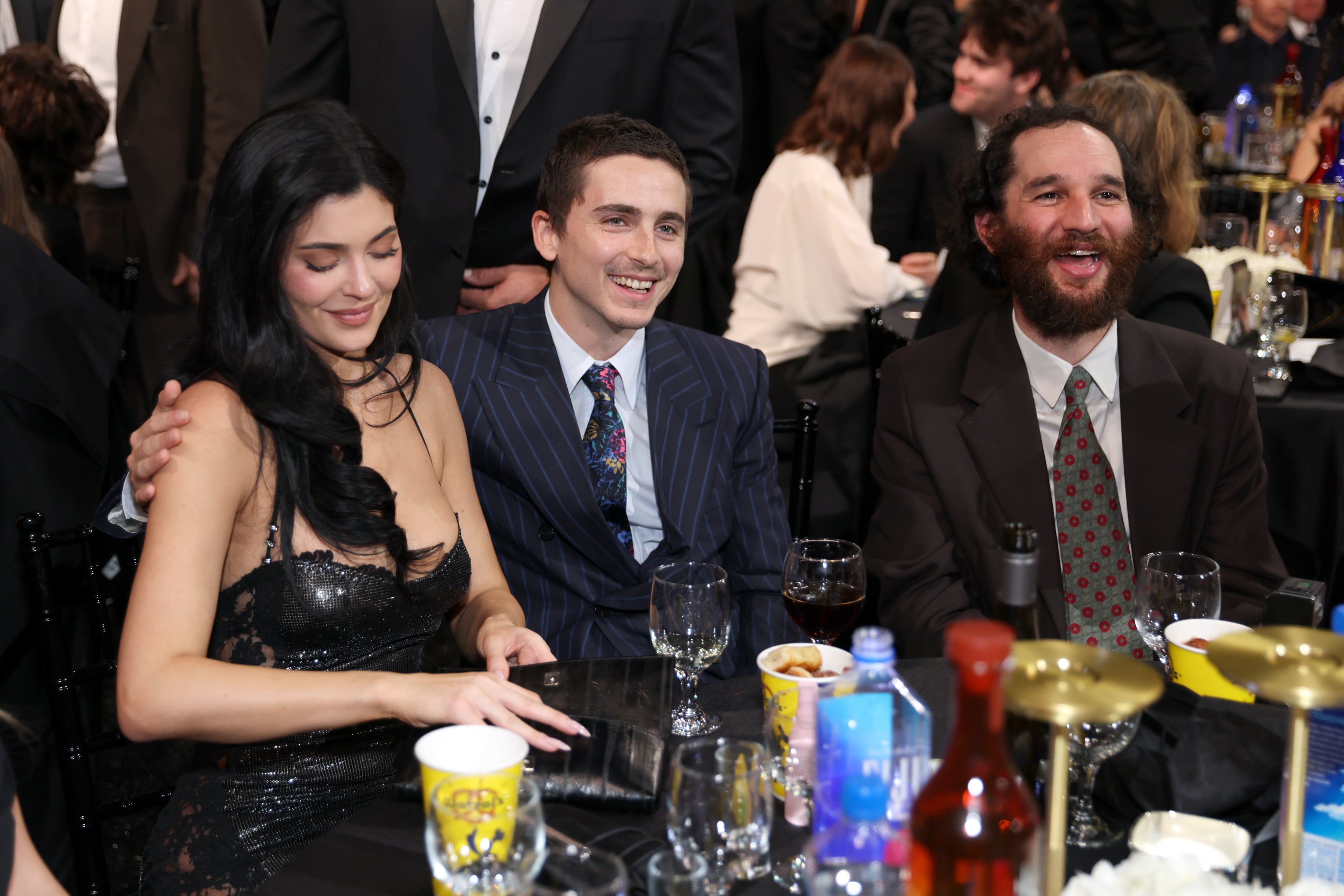
Many women were charmed, and Chalamet earned a huge round of applause online for his smooth move — a textbook example of what Trombetti calls “loud love.” Characterized by public declarations and grand gestures, loud love is the type of affection we see in the movies: think Heath Ledger’s Patrick serenading Julia Stiles’ Kat in 10 Things About You or Andrew Lincoln’s Mark confessing his feelings to Keira Knightley’s Juliet on her doorstep in Love Actually. But Trombetti believes this form of expression has been romanticized ever since we were teenagers, back when our classmates would come up with the most grandiose way to ask someone to the prom (also known as promposals). On social media, loud love is glorified and paraded for all to see — but it’s far from the only, or often realistic, way to show affection.
Public displays of affection aren’t always a green flag, either. Trombetti cautions that overly performative suitors may be searching for a “life raft” — someone to provide temporary emotional security. “A lot of times, from a more mature standpoint, grand gestures are a sign of a narcissist. Or somebody who’s just looking for a life raft and trying to sweep you off your feet.”


So, who’s the real winner: A nonchalant man or a man who loves loudly? I never went searching for one or the other when I joined Hinge. But I found someone who is relaxed and easy-going, and gives me all the love I need.
Davis says that there’s a sweet spot to be found between someone who’s supportive but isn’t overbearing. “Being overly detached doesn’t work, neither does being intense and clingy,” she explains. “The key is someone who cares, but isn’t desperate. Someone self-assured, emotionally available, and proactive instead of reactive.”
I feel like I’m in the safest and easiest relationship I’ve ever been in and that’s largely thanks to my partner’s calm temperament. While I sometimes envy his “whatever happens, happens” attitude, it’s precisely this steadiness that eases my worrywart tendencies.
Before my current relationship, I dated men who were emotional and anxious during high-pressure situations, while ignoring the fact that our extroverted personalities were clashing. My ex, who loved loudly, and I were pros at interrupting each other. We never came up with a solution to our months-long problems, and I felt ignored when I voiced my concerns. I didn’t know it then, but a nonchalant boyfriend was exactly what I needed.