


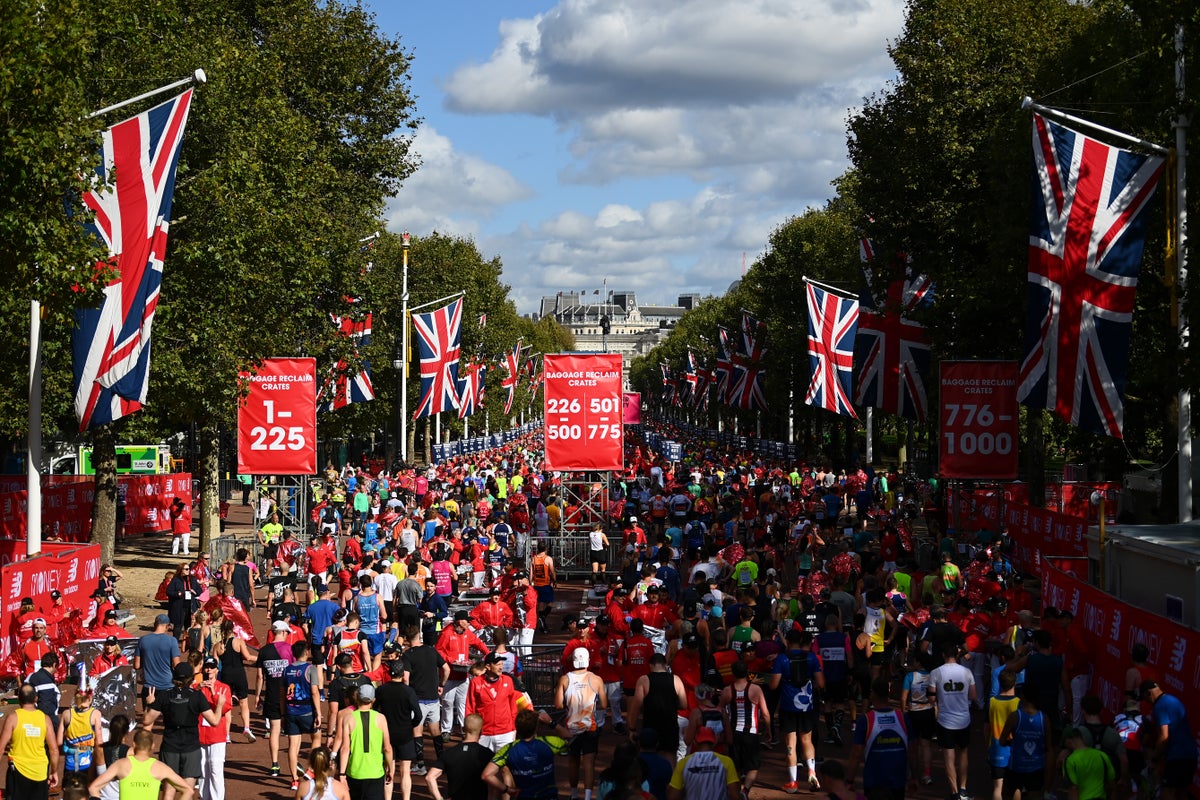
If you’re running the London Marathon this weekend, chances are you’ve been training for months to build up the fitness and resilience needed to see you through 26.2 miles. The last thing you need is something unexpected to undermine all your hard work at the last minute.
The problem is, there are a few pitfalls worth sidestepping as you approach the start line. Anthony Fletcher, founder of running community and coaching platform OneTrack Club, is here to help you do just that.
Below, he details the common mistakes he sees people make over the marathon weekend, as well as revealing how to avoid them. His tips can help you reach the finish line without any hiccups.
Stick with your prep plan on race day
“It’s a cliché, but we still see people do it every year: don’t do something new on race day,” Fletcher says.
If you’ve been preparing for a marathon months – building up your fitness, strengthening your body, practising your fuelling strategy – then throwing a spanner in the works is the last thing you want to do. But something in the human psyche is still tempted.
“It’s a stress response,” Fletcher tells me. “And that stress makes you make a bad decision.
“You should treat race day like any other long run you’ve done on any other weekend. Use the same kit you’ve been practising with; use the same gel you’ve been practising with; stick to the plan.”
Someone will inevitably thrust a new gel or product into your hand in the days before the race while promising it will deliver miracle benefits, he adds. But you’re best off ignoring it.
The same goes for shoes, kit, food and more. If it’s not one of your tried and trusted items, politely decline.
.png)
Know your route to the race
Fletcher has worked with plenty of runners and has repeatedly found they have a habit of cutting it fine when travelling to their races. This is unnecessary stress, and also runs the risk of you wasting energy on lugging a heavy kit bag around London beforehand. Or worse, missing the start time.
He recommends looking at your route in advance, checking for any possible disruption, and planning ahead to ensure your journey runs as smoothly as possible.
‘Do not get on the world record travelator’
There is a pang in Fletcher’s throat when he tells me this one – he’s worked with people who have been burned by the travelator before.
For reference, the travelator is an industrial-sized treadmill at the London Marathon expo set to replicate the speed of a world record marathon runner. People excitedly jump on for a few seconds, then inevitably end up being shot off the back.
At best, you might knacker yourself out before race day. At worst, you risk an injury – something Fletcher has seen happen several times before. For that reason, he advises steering clear.

Develop a hydration strategy
This year, the London Marathon has updated its approach to drinks stations as part of sustainability efforts. Bottled water will be available every three miles until mile 12, then every two miles after this. There are also opportunities to refill your bottles and hydration packs dotted around the course.
Fletcher recommends familiarising yourself with the new plans and creating a hydration strategy accordingly to ensure you are never parched. If you want to avoid queuing at every drinks station, it could be worth carrying a hydration vest, he adds.
Remember to focus on your run – and your planned paces
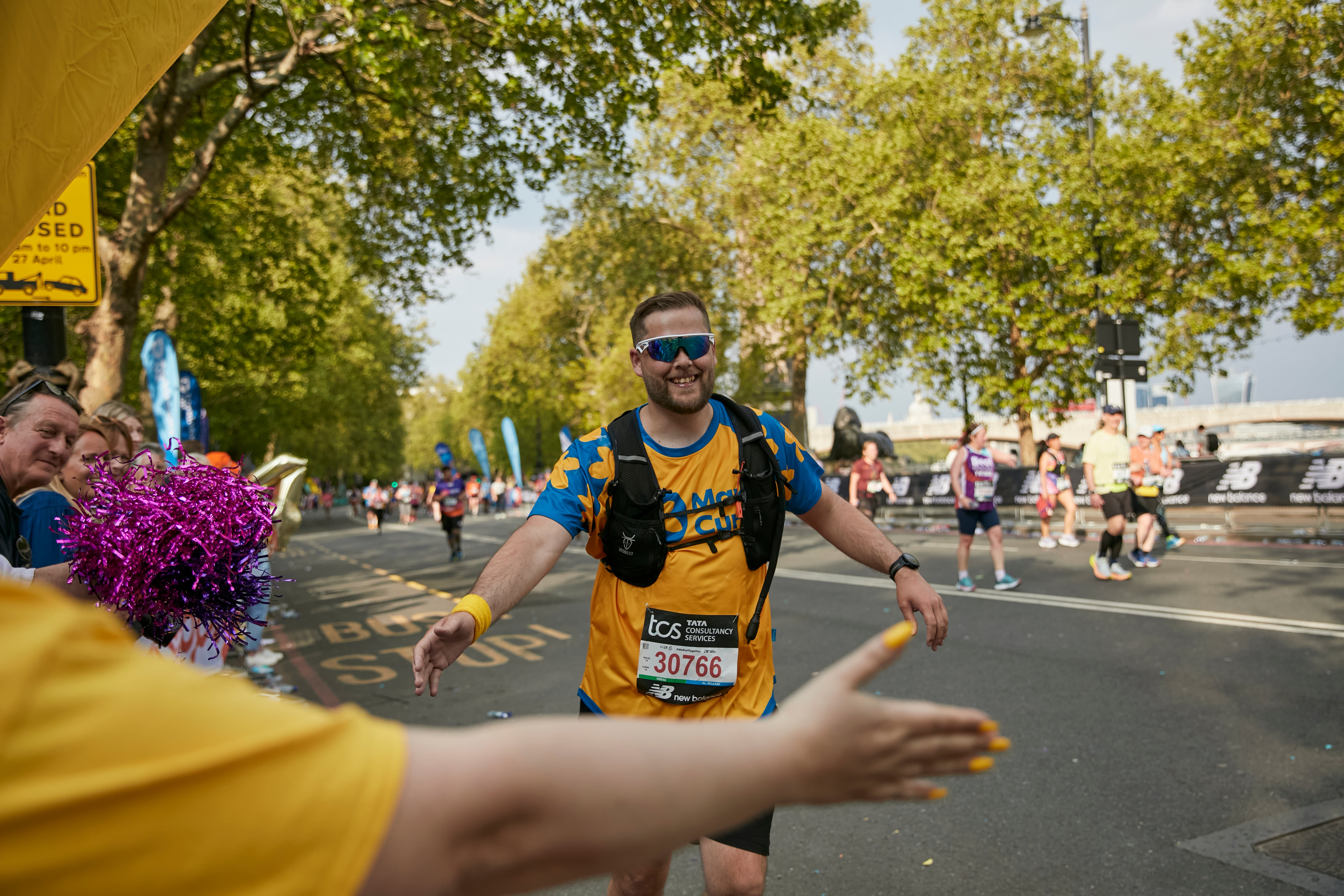
“Don’t get caught up in the hype of the start line,” Fletcher advises.
You should have a rough idea of the paces you want to run throughout the race, having trained at these speeds in the months leading up to the event. However, with the loud crowd and energetic atmosphere of the London Marathon, it’s easy for these to go out the window.
Fletcher’s advice is to enjoy the environment, but not let it derail your pacing plans. If you push the pace too early, you risk burning out before the finish line.
A final bonus tip
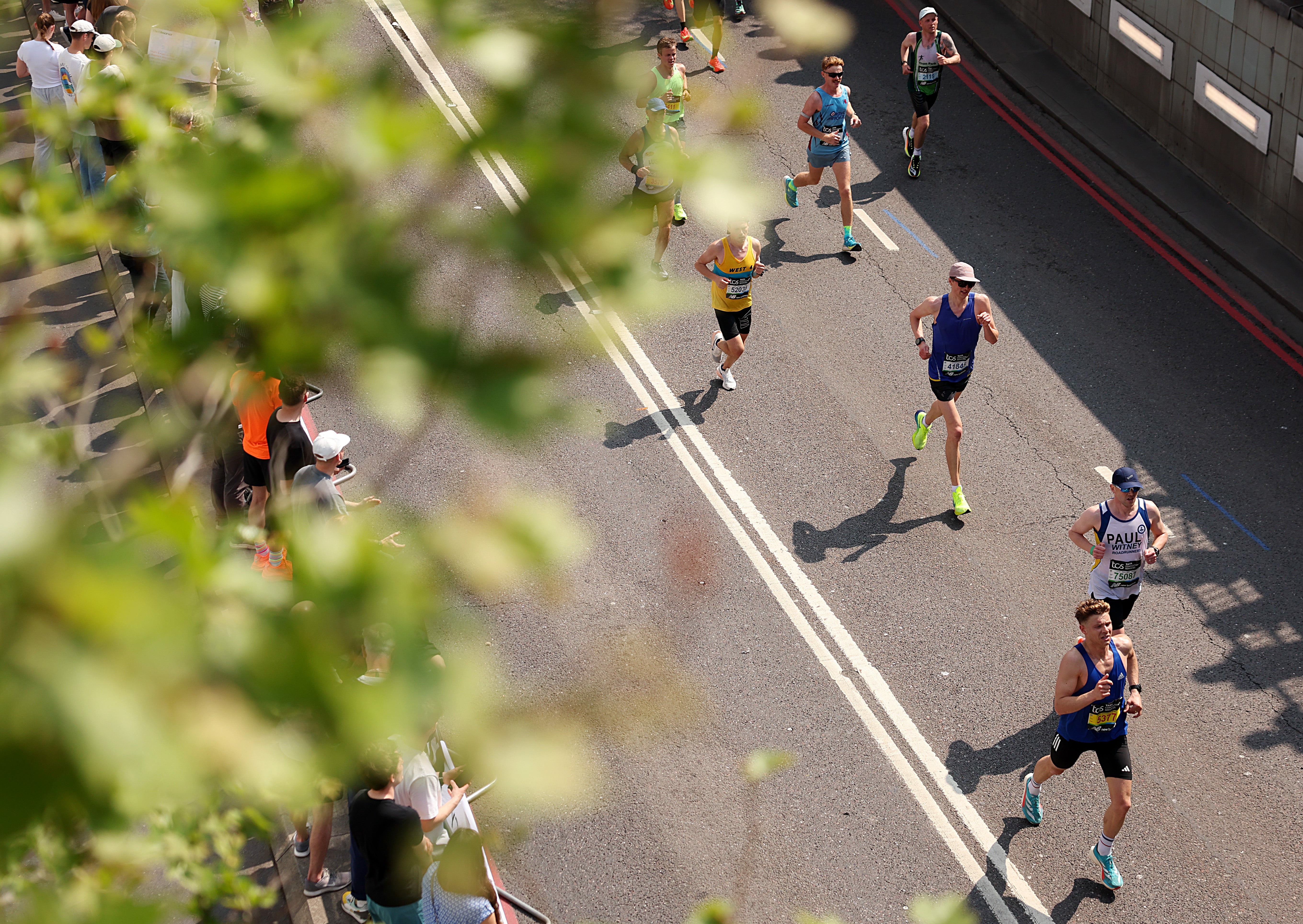
“On the day of the race, build yourself up,” Fletcher says. Confidence is key, and given all the work and training you’ve put in to reach the start line, you’ve earned the right to have a little pep in your step.
“Remember all the training runs you’ve done to get here,” he continues. “All of those runs that you chose to do that you could have not done. All the hard sessions that built your fitness up. They should give you a confidence boost.
“I think a lot of the time people start to think they didn’t do enough, or remember a training run they missed. But when you look back on your training, you realise how much you did do.”
Then, all that’s left to do is enjoy the race.

