The wreckage of the biggest U.S. Naval loss of World War I has been discovered by a team of British divers after 107 years.
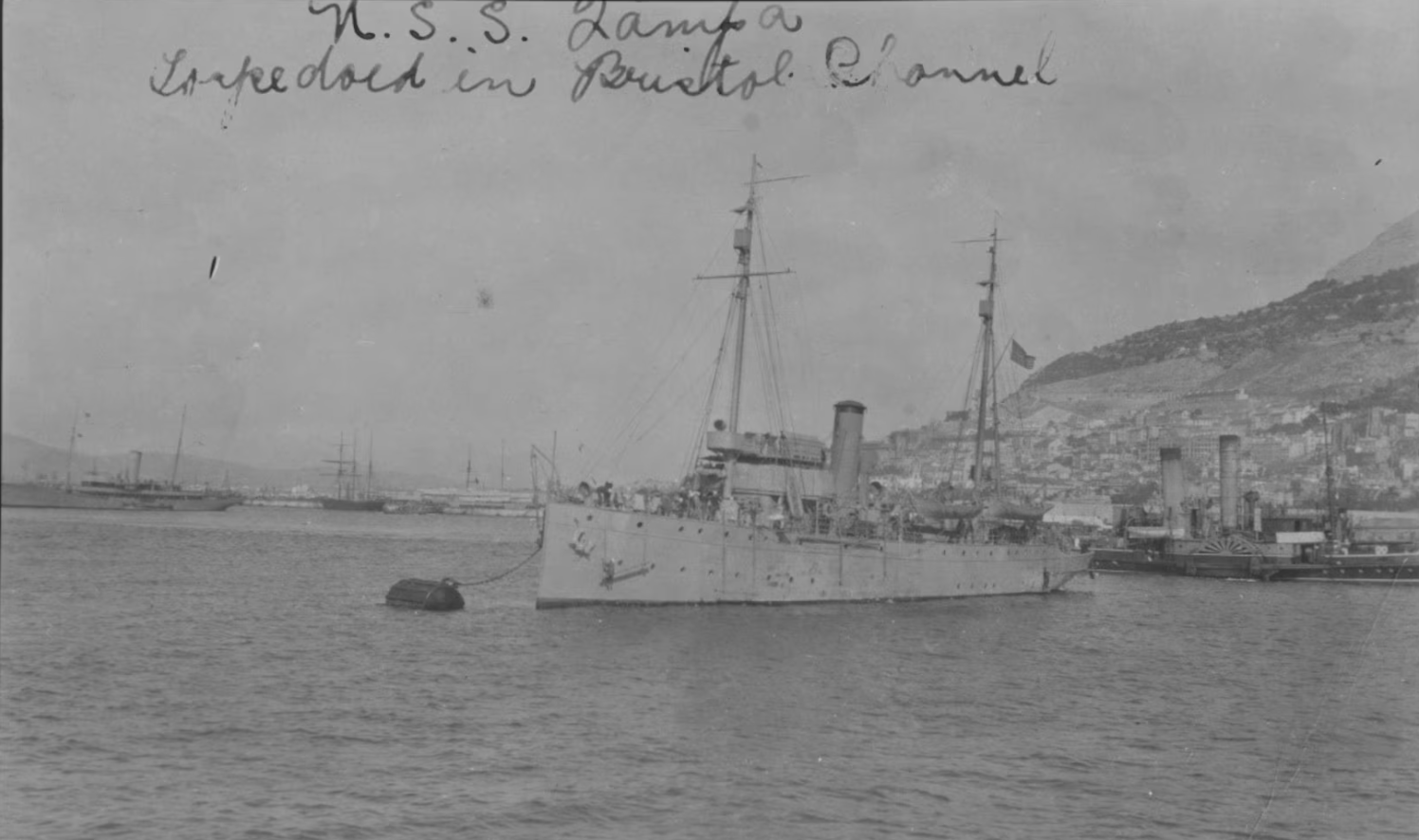
The U.S. Coast Guard Cutter Tampa was discovered around 50 miles off the coast of Newquay, a seaside town in south west England, after being lost in 1918.
All 131 people aboard the vessel were killed as it sank, with the tragedy representing the largest single American naval combat loss of life in WW1.
“When the Tampa was lost with all hands in 1918, it left an enduring grief in our service,” Admiral Kevin Lunday, commandant of the U.S. Coast Guard, said in a press release. “Locating the wreck connects us to their sacrifice and reminds us that devotion to duty endures.”
The discovery of the Tampa is the culmination of three years of collaboration between the Coast Guard Historian’s Office and a group of British divers named the Gasperados Dive Team.
The divers contacted the Coast Guard Historian’s Office in 2023, before carrying out an extensive search for the missing 1050-ton ship, according to the Coast Guard.
Eventually, that effort led the divers to wreckage lying over 300 feet below the surface of the Atlantic Ocean, which they believed could be the long-lost Tampa.
“We provided the dive team with historical records and technical data to assist in confirming the wreck site,” Dr William Thiesen, Coast Guard Atlantic Area Historian, said in the press release. “This included the archival images of the deck fittings, ship’s wheel, bell, weaponry, and archival images of the Tampa.”
Steve Mortimer, team leader in the search for the boat, confirmed the discovery on Monday on Facebook.
“TAMPA is of huge importance to the United States and the relatives of everyone who died that day,” Mortimer said. “Their final resting place is now known.”
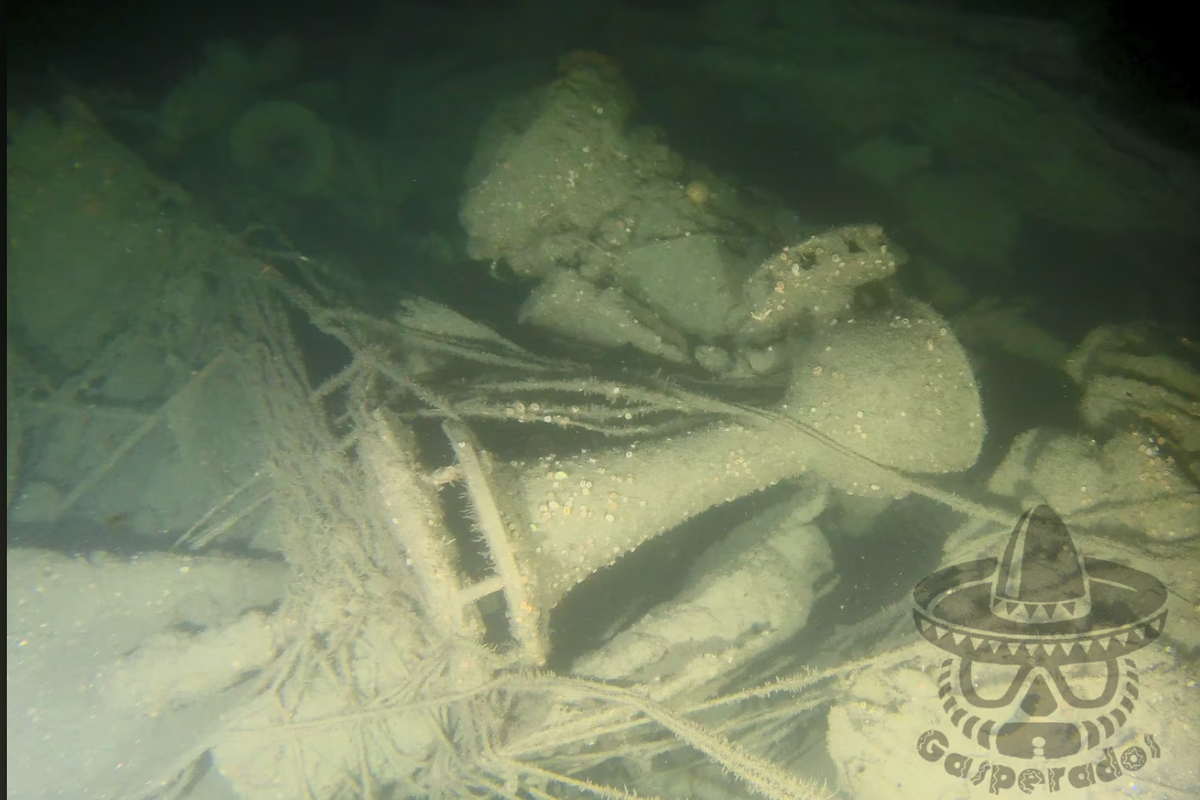
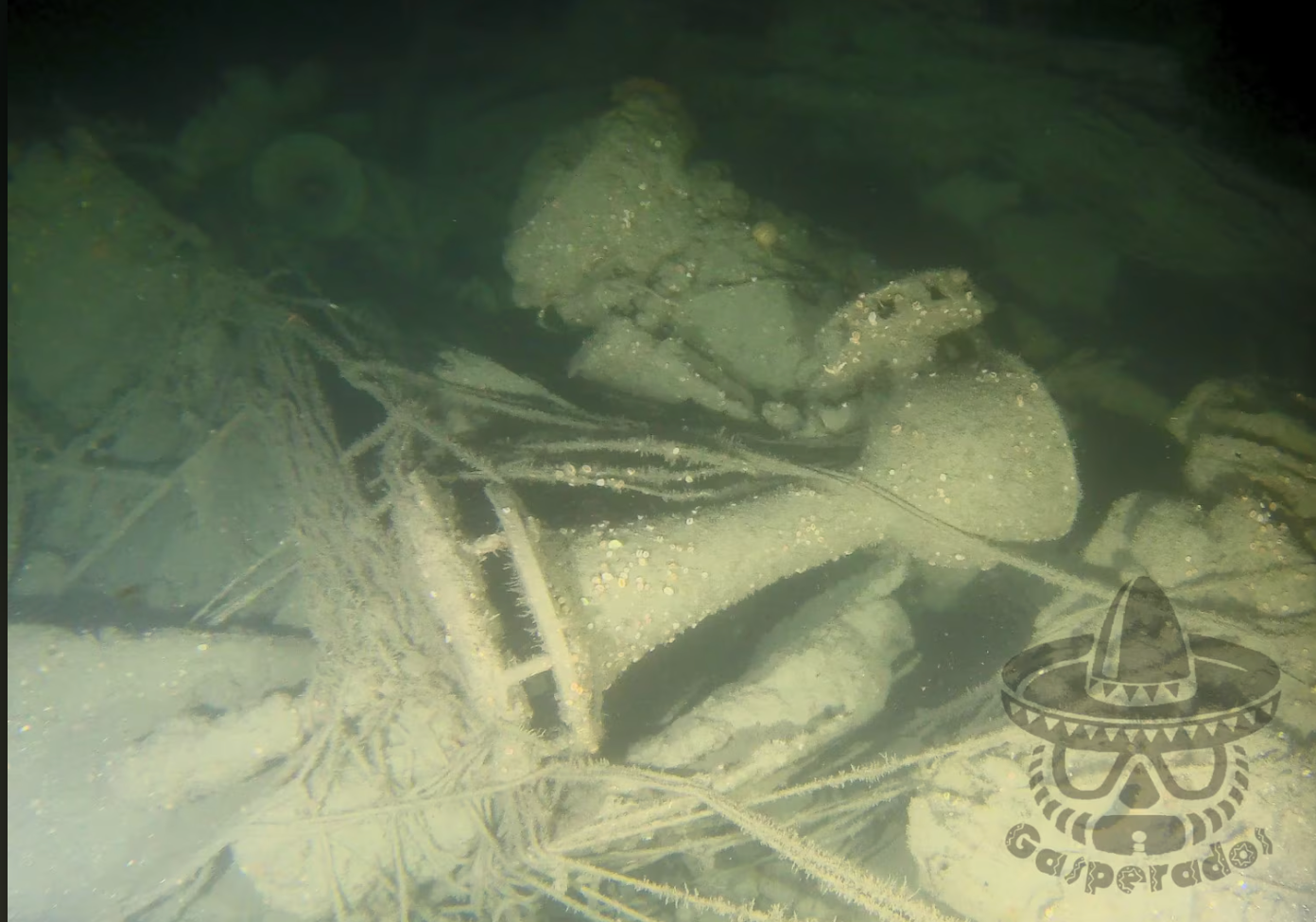
An image of the wreckage taken by Gasperados has been released by the Coast Guard, showing the sheared hull lying on the ocean floor. In the murky depths of the Atlantic, tiny growths can be seen on the surface of the boat’s remains.
The 190-foot-long vessel vanished on September 26, 1918, just 9 days after it began convoy duty in Atlantic waters.
According to a Coast Guard document commemorating the Tampa, the boat had requested permission to leave the convoy earlier that day since it was running dangerously low on fuel.
After that request was granted, the ship began head towards a port in Wales at around 4 p.m.
Hours later, at 8.15 pm, a German UB-41 submarine struck the vessel with a lone torpedo. A secondary explosion, caused by coal dust igniting or depth charges aboard the boat detonating, followed.
The Tampa sank in the Bristol Channel in just three minutes, according to the document.
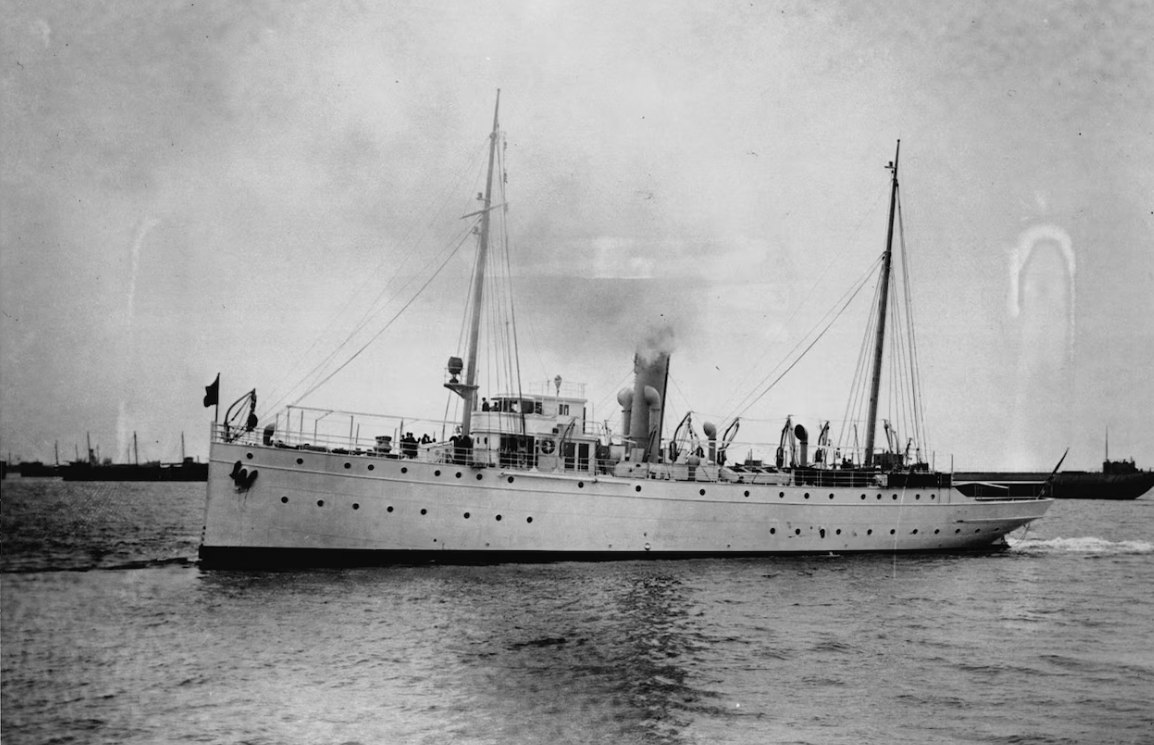
One-hundred and eleven Coast Guardsmen, 4 U.S. Navy personnel, 16 Royal Navy personnel and civilians died as the vessel disappeared below the waves.
Among those killed were the eleven Black crewmembers, who were the first minority Coast Guardsmen killed in combat.
The remains of Seaman Alexander Saldarini were discovered and reburied at sea two weeks after the boat vanished, the document reads.
Weeks later, two other bodies washed ashore in the Welsh town of Pembroke, with one being identified as Seaman James Fleury.
Both bodies, with the other remaining unidentified, were buried in the nearby Lamphey Churchyard.