

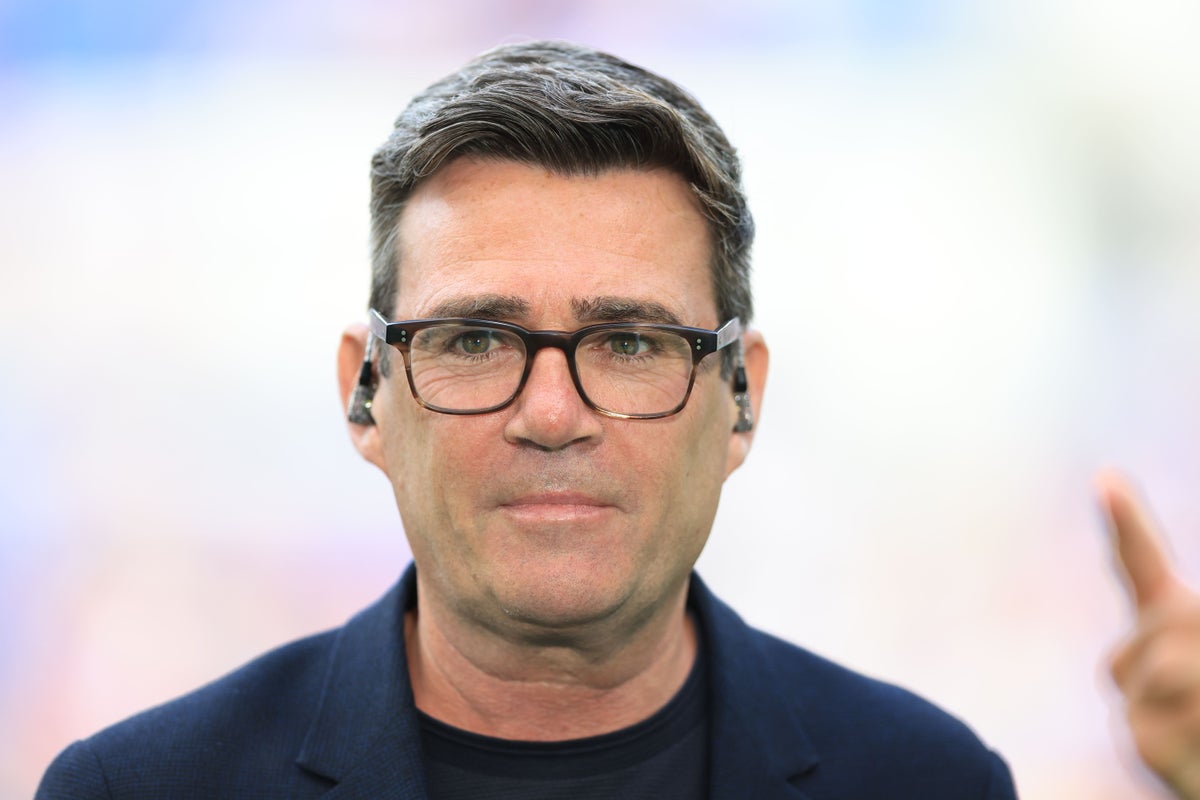
Andy Burnham has signalled a new era for Labour by signalling that he will have a tougher policy on Israel in support of Gaza.
The prime minister-in-waiting issued a video on social media dramatically apologising for Labour’s response on Gaza saying: “We were not good enough.”
The intervention is significant because Gaza and Israel have been touchstone issues in Labour and major causes of concern over Keir Starmer’s government.
It signals a new era under his leadership and a break from the Starmer government which insisted Israel “has a right to defend itself”.
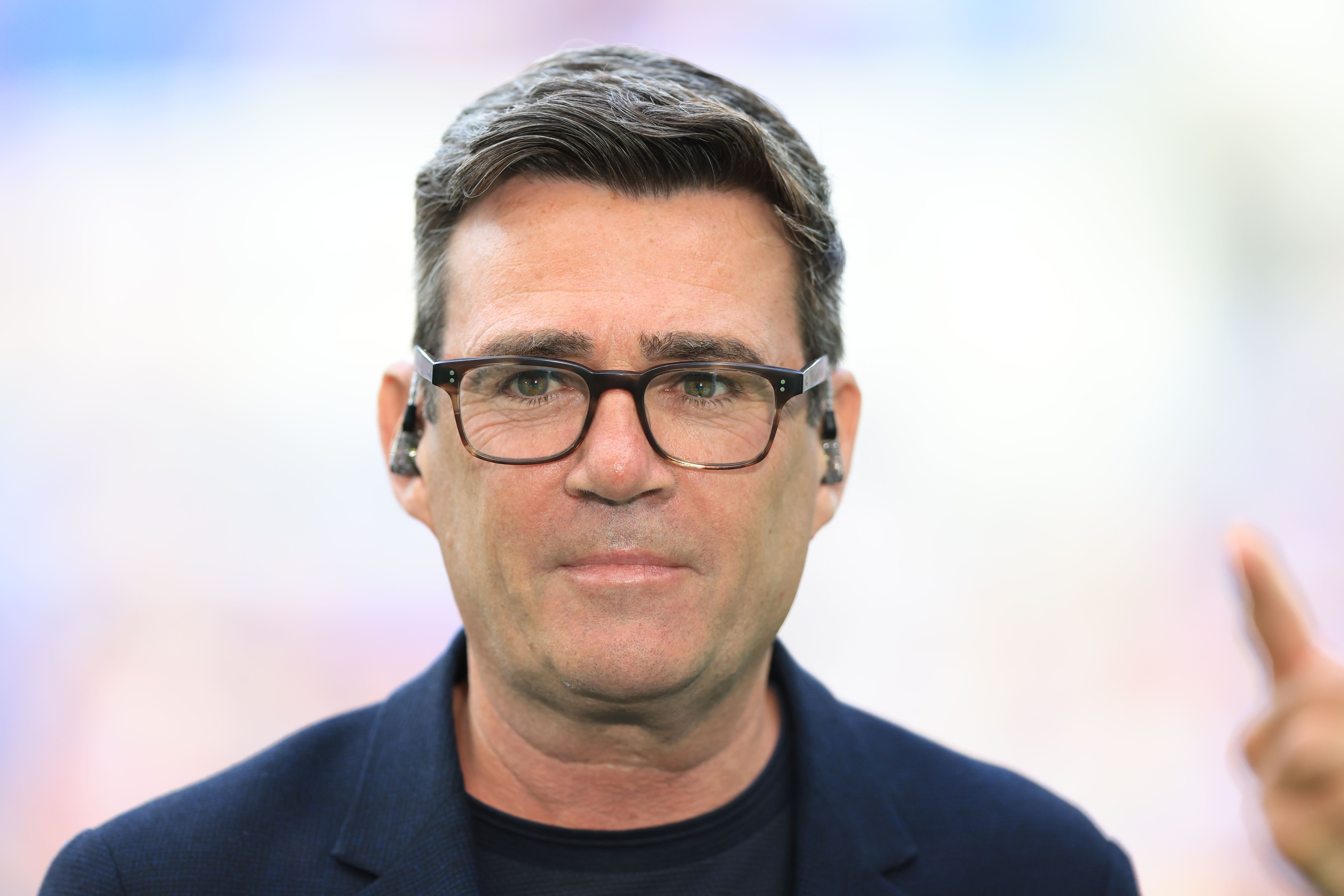
The move follows Mr Burnham writing to Labour MPs to make it clear he will “no longer use the whips system to stifle debate”. A number of MPs have been suspended during the last two years over disagreements on welfare, child benefit and jury trials.
The change of a major foreign policy plank in the new government could be accompanied by changes to defence and economic policy.
In his video Mr Burnham apologised for Labour’s initial response to Israel’s military action in Gaza, admitting the Labour Party “didn’t get it right”.
The move came as nominations opened on Thursday to replace Sir Keir as leader of the Labour Party with Mr Burnham the only candidate coming forward.
After Mr Burnham nominated himself a series of Labour MPs posted their nomination forms for him on X in a sign of solidarity.
However, the Makerfield MP and former Greater Manchester mayor has been left in no doubt by angry backbenchers that there needs to be change from Sir Keir’s government which saw the party reach record low support in the opinion polls.
Mr Burnham, who is expected to take over as prime minister next week, said the party needs to “do better” under his leadership and said he would put more pressure on the Israeli government through sanctions on both individuals and entities as he sought to win back voters who abandoned the party over its position on Gaza.
“I know many people feel that at the start of Israel’s military action in Gaza my party didn’t get it right and I am sorry about that. The response has too often not been good enough. We need to do better,” he said.
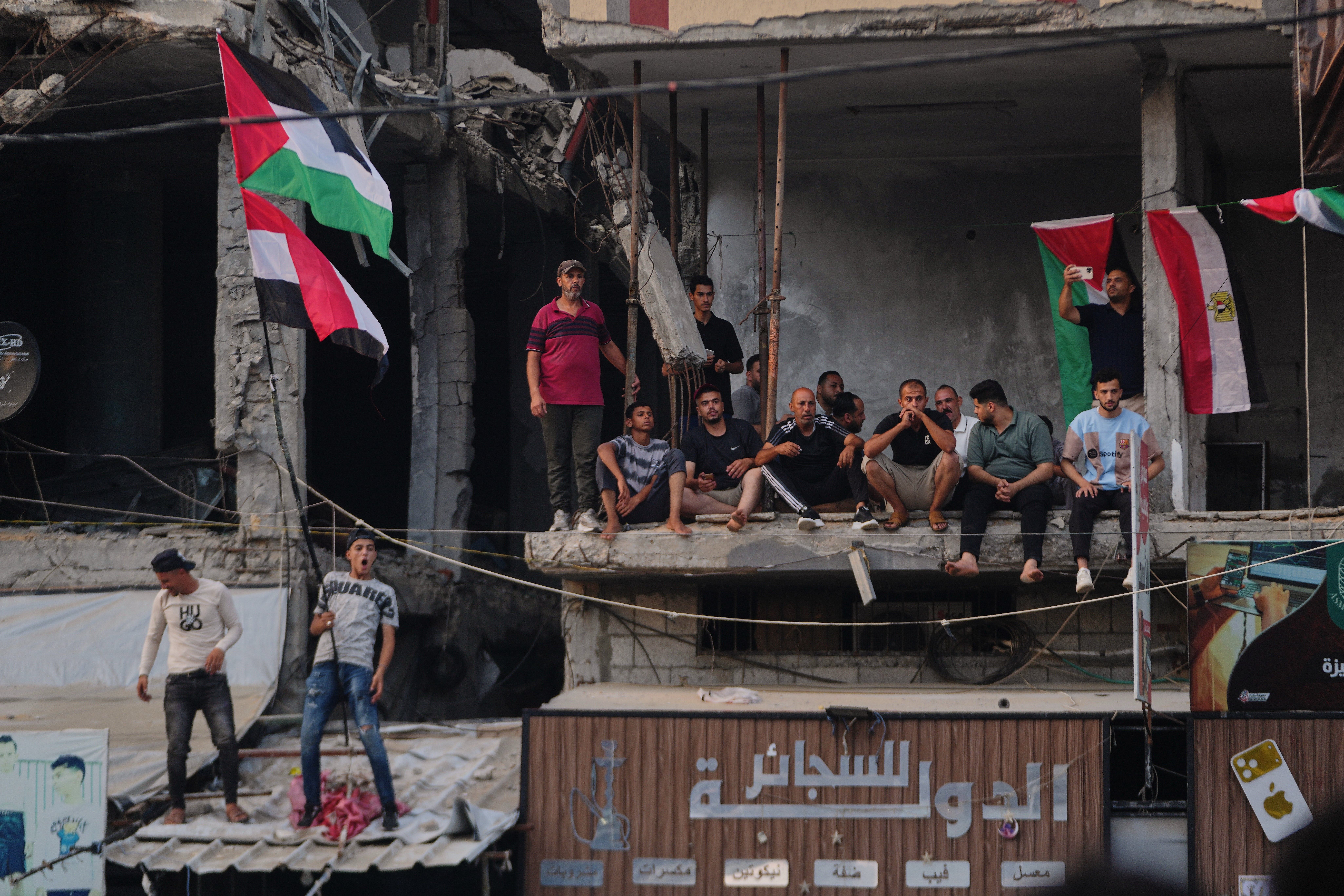
“We’ve got to do more to put pressure on the Israeli government … Yes, we have taken some important steps … But let’s be honest, the UK was too slow to call for a ceasefire. And we must now do more to strengthen our approach.”
His remarks come after swathes of Labour voters abandoned the party over its position on Israel and Palestine, particularly in areas with a high Muslim population. The Green Party in particular benefited from taking a much more pro-Gaza stance.
But he stopped short of demands to call the attacks on Gaza “a genocide”.
“I have been absolutely appalled by what I’ve seen and read about the destruction of Gaza. There’s increasing evidence that war crimes appear to have been committed,” he said.
“There must be accountability for the depth of the suffering the people of Gaza have experienced. Ultimately, however, it must be for the international courts to determine, rather than politicians.”
Mr Burnham did go out of his way though to praise some of the actions taken by Sir Keir’s government including recognising Palestine as a state and sanctioning Israeli ministers who supported extremist settlers.
But he has opened the door to banning more weapons sales to Israel in a move which could fracture the Labour Party again.
Sir Keir has said that dealing with the “scourge of antisemitism” in Labour under Jeremy Corbyn’s leadership is part of his legacy as he prepares to step down as Labour leader.
Mr Burnham also tried to signal that he would not accept antisemitism in the party and again strongly condemned the 7 October attacks on Israel as well as terrorist attacks on synagogues and Jews in Golders Green in London and Heaton Park in Manchester.
The intervention comes as the Middle East is still set to dominate foreign policy as Donald Trump’s war with Iran with the support of Israel is on the brink of flaring up again after attacks were exchanged from both sides.
Mr Burnham has suggested he will continue Sir Keir’s policy of not getting involved in the war apart from defensive operations if Iran attacks UK assets or allies.
But there is still speculation over his approach to President Trump and whether he will be tougher than Sir Keir.