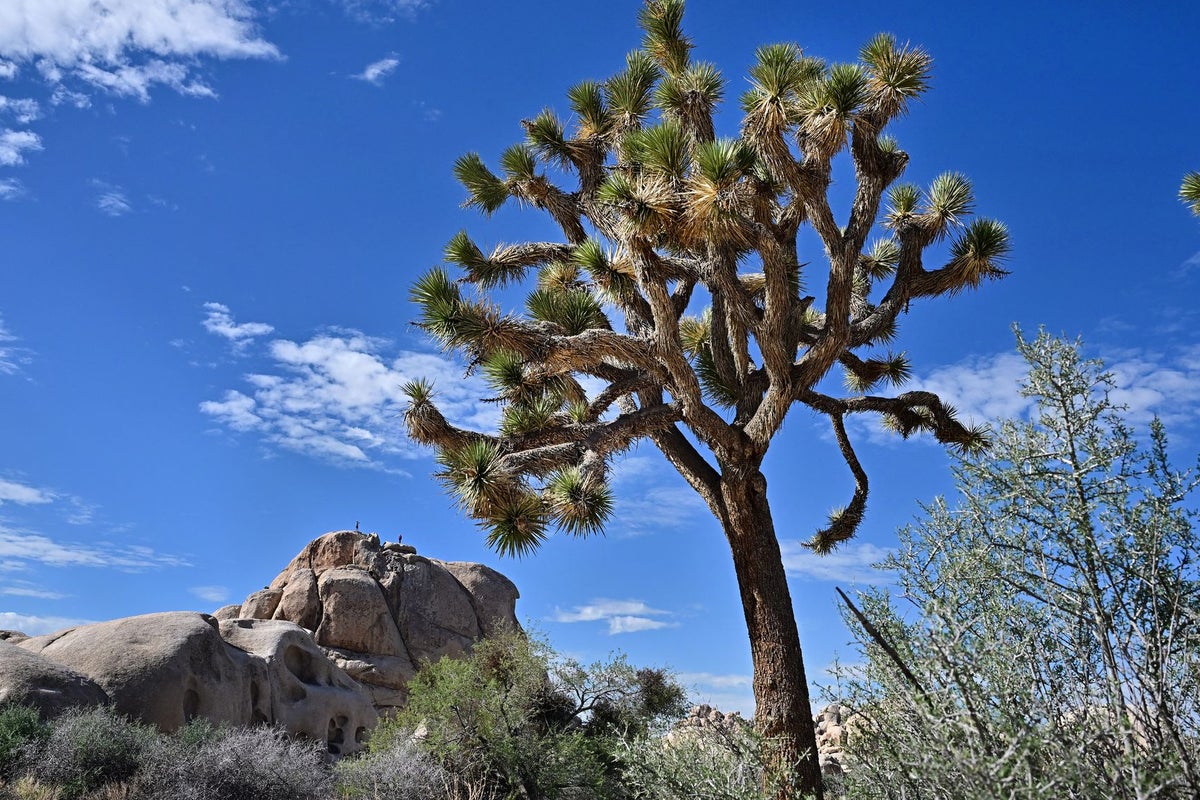
An Australian mining company has launched plans to dig for rare earth elements right next to California’s Joshua Tree National Park, alarming environmentalists who fear it will damage the local ecosystem.
Just outside the boundary of the 32-year-old nature reserve, in the Pinto mountains south of State Route 62, Dateline Resources Ltd has staked out mining claims to around 32 square miles of rugged desert land where executives hope to uncover precious metals.
Heavy rare earth elements, known as HREEs, are crucial to the modern high-tech economy, used to manufacture everything from smartphones through electric vehicle motors to missile guidance systems.
Currently China controls the vast majority of the world’s HREE mining and processing, giving it a powerful bargaining chip in the ongoing U.S.-China trade war and spurring bipartisan U.S. efforts to develop a domestic supply chain.
But local conservationists told The Los Angeles Times that the Joshua Tree project — which is still in the exploration phase — threatened to damage “one of the most iconic landscapes in America” and imperil the Mojave desert tortoise, which is endangered in California.

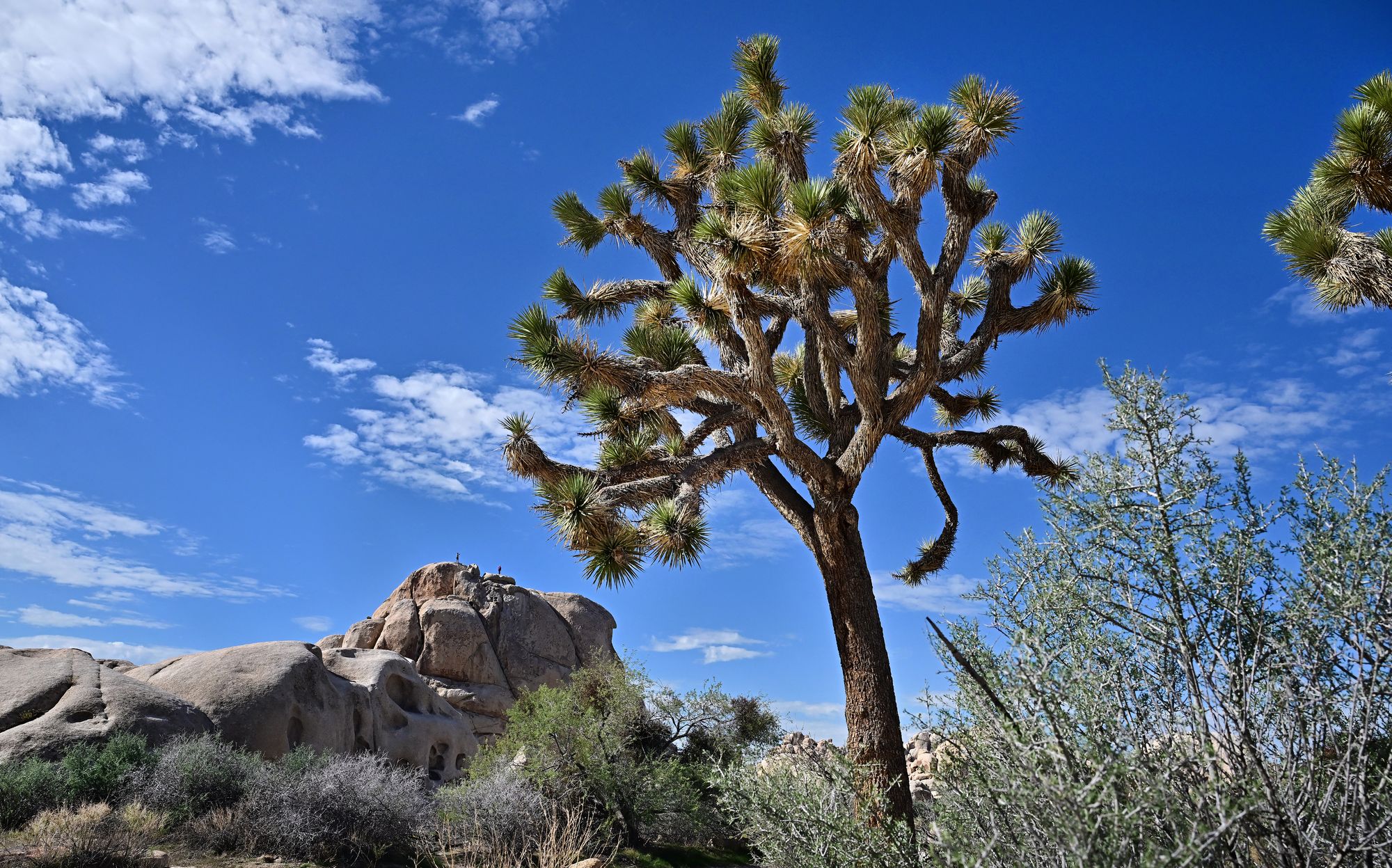
“It’s hard to think of a worse place for a massive industrial project than sensitive desert tortoise habitat on the very edge of Joshua Tree National Park,” said Brendan Cummings of the Center for Biological Diversity.
He said that if the claims were to expand, and mining were to begin in earnest, it could end public access to the area, harm springs and groundwater reservoirs, and permanently alter the landscape.
U.S. representative Jared Huffman, the ranking Democrat on the House natural resources committee, also told the L.A. Times that the project “has red flags waving in every way”, citing Dateline’s previous behavior on another mining project in the Mojave National Preserve.
“They don’t respect public lands, national parks, or the law, so there’s every reason to be deeply concerned about this proposal,” Huffman said.
“We do need domestic and critical minerals sourced from friendly countries and responsible actors, but it doesn’t mean we need them everywhere or at any cost.”


Dateline’s project at Music Valley is still speculative and may not result in large-scale mining. Early samples have shown promising concentrations of yttrium, lanthanum, cerium, neodymium, and other HREEs, according to the company, but more studies need to be done.
Around three million people visit Joshua Tree National Park every year. The L.A. Times reports the area that Dateline is proposing to mine is a critical habitat for the desert tortoise.
“Music Valley gives Dateline direct exposure to heavy rare earth mineralization in California with historically reported high-grade [test] results and strong heavy rare earth enrichment,” the company said.
“This transaction enhances Dateline’s exposure to gold, uranium, light and heavy rare earths within the United States, at a time when domestic supply chains are increasingly strategic.”
Rare earths expert Daniel O’Connor told the L.A. Times that Dateline had not yet released a technical report on the areas’ HREE concentrations, which is standard procedure on such projects.
Dateline did not immediately respond to a request for comment from The Independent.