


Ben Stokes spoke about going to the well. For him, that was finding the unquantifiable and indescribable energy to carry English cricket on his shoulders time and time again.
Whether that is through long bowling spells on flat pitches, heroic deeds with the bat or four years of audacious captaincy, Stokes’s well has run dry and so too might have England’s.
Stokes’s decision to retire from international cricket during the third Test against New Zealand came as shock. The 35-year-old admitted that the disastrous tour of Australia in the Ashes took its toll on him and since returning home, he’d been fighting – or going back to the well – just to muster up the spirit to begin the job of rebuilding England’s Test team.
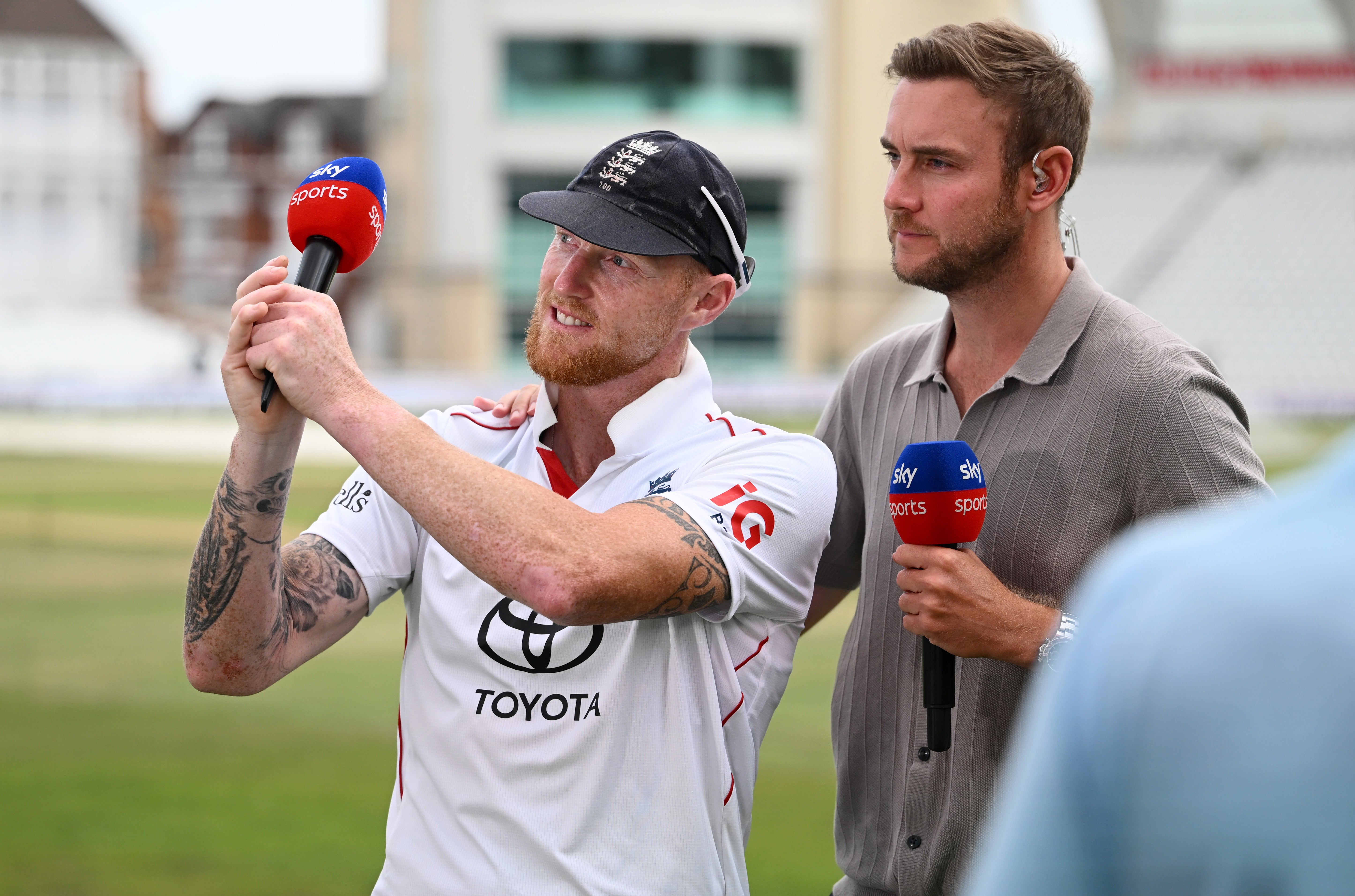
“Over the last five or six weeks was it felt like another thing I had to try and overcome,” Stokes told Sky Sports after the close of play on day four at Trent Bridge.
“I felt like I’ve been pretty good throughout my career of overcoming on-field disappointment, off-field disappointment and the emotional side of this since Australia… the way I said it to my wife was ‘actually I don’t think I have any fight left in me’.”
And that was it. Stokes is gone. The era of Bazball is over. Now it’s time to look forward.
But how can the England and Wales Cricket Board (ECB) do that when the future of the Test team looks so uncertain? There is no obvious successor to Stokes.
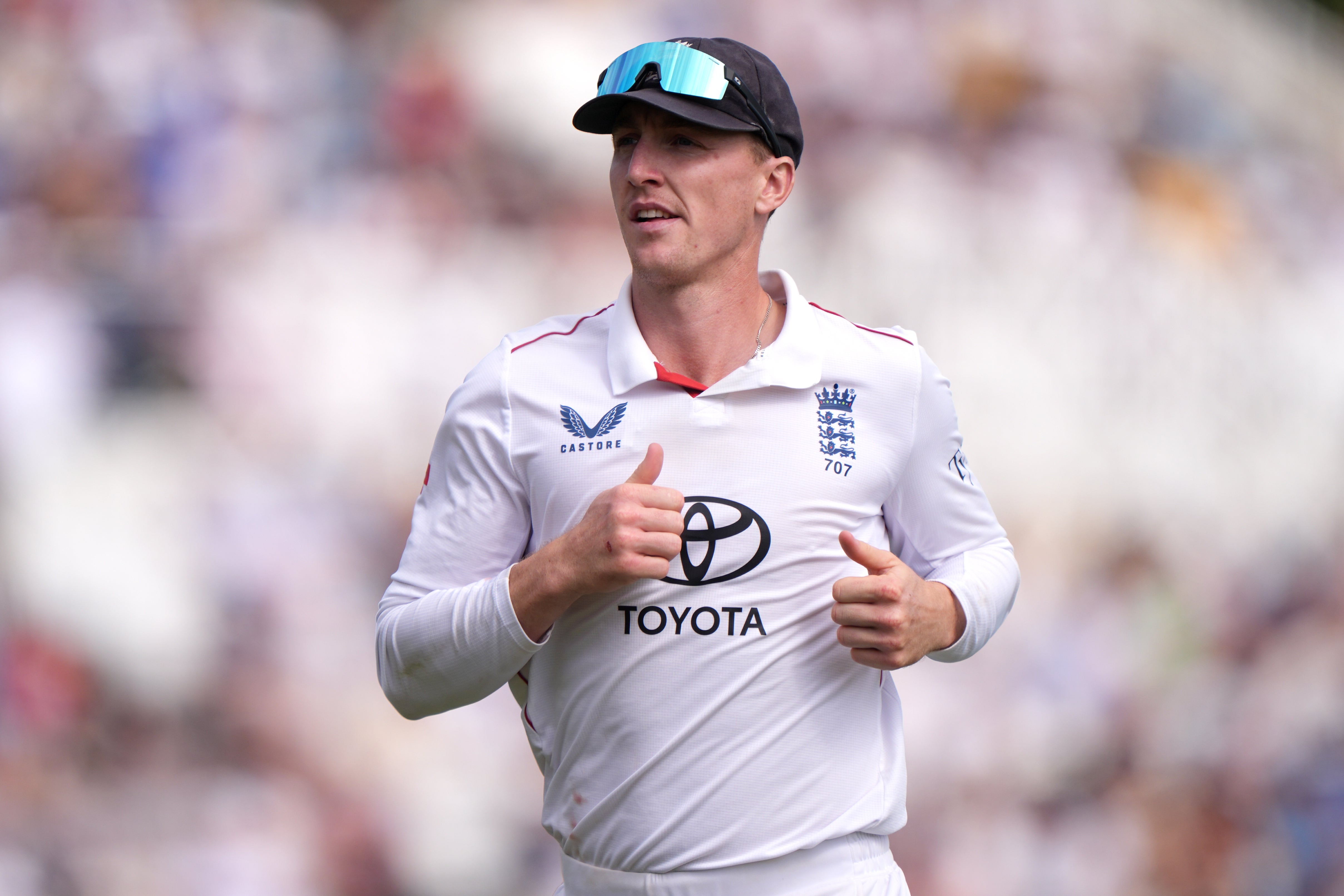
The best placed candidate is Harry Brook. He is the current vice-captain of the Test team and the captain of the one-day teams. Yet, the fracas with a New Zealand bouncer last November still hangs over his head and the international cricket calendar is so packed that asking him to perform all three roles would make it a monumental task for him to be successful.
So, if Brook is out who else can England turn to?
One of the players who can justify his spot on form is Ben Duckett, but his past is chequered as well, and he doesn’t seem a natural leader in the set-up. Could Jacob Bethell be handed the responsibility and the backing to perform over the long term despite a poor series against New Zealand? Maybe, but that’s a risk.
And here we get to the end of the list.
None of the bowling unit have nailed down their spots and Jamie Smith’s poor form has raised questions over his ability to be England’s No 1 wicketkeeper.
The only option left for the ECB is for them to return to the well in a different sense. And that means Joe Root.
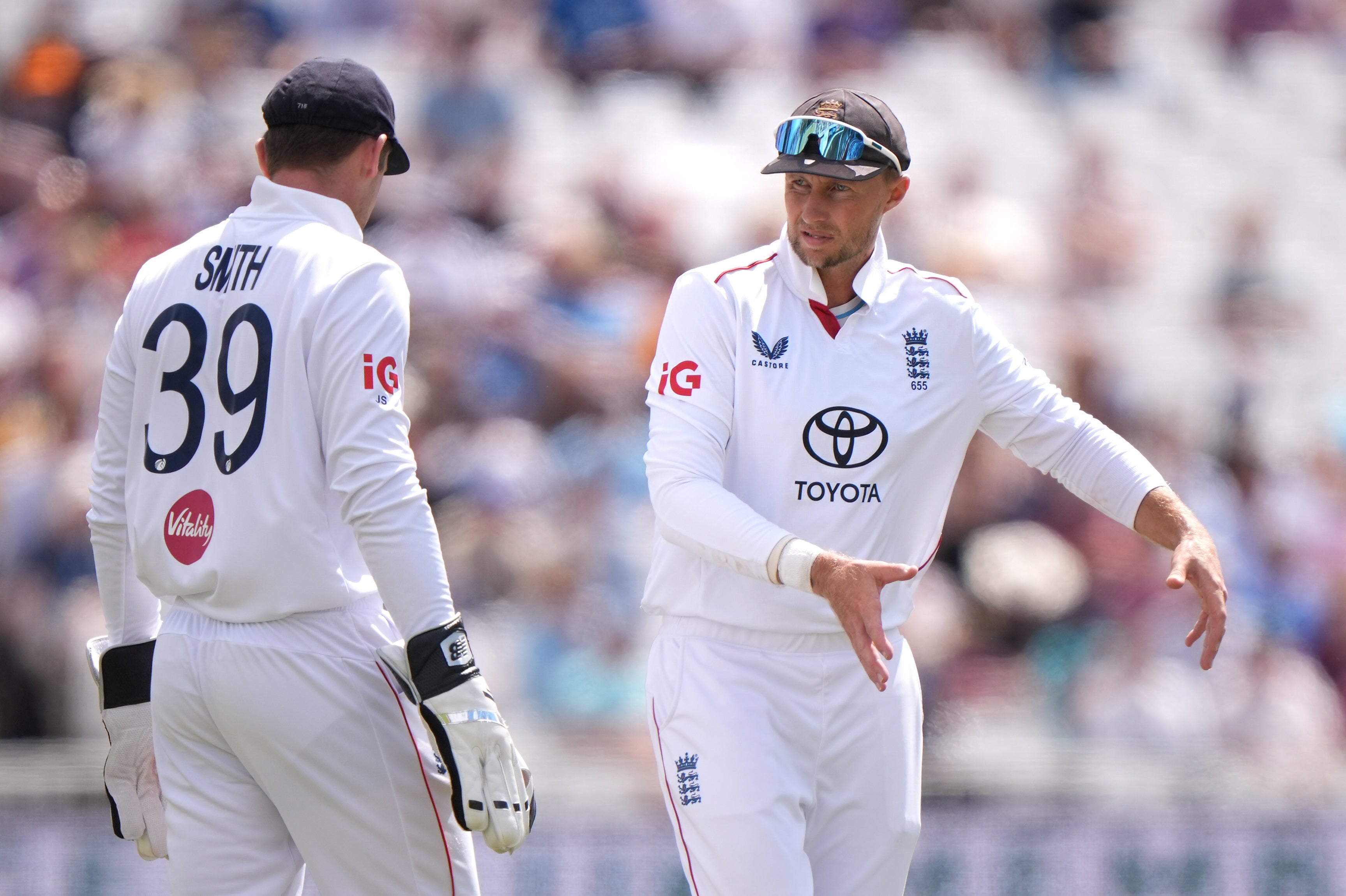
Root has captained England before. He took over from Sir Alastair Cook in February 2017 and led the team over 64 Tests, winning a record 27. But after five years in the role his tenure ended with just one victory from the last 17 matches and led to the drastic revamp under Stokes and coach Brendon McCullum.
For the first half of Stokes’ reign that reinvention of England was incredible. Bazball ushered in a thrilling way to play the game with aggressive batting and an attitude to always try to win.
But it didn’t have longevity and England are left in need another overhaul. One that looks even more difficult to accomplish.
Stokes inherited an England side full of skill and experience with Root, James Anderson and Stuart Broad all world class talents. The next England captain doesn’t have that luxury.
This will be a job of building a new team. Of bedding in players with potential, such as Emilio Gay who made his debut this summer, of providing leadership and experience to young players, of winning games and taking on the duty and responsibility of restoring England’s off-field reputation.
Root is the only man in the current set up with the skills, experience, personality and history to pull it off. But if he takes up the role it will be the end of his England career.
After his first stint as captain, Root admitted that the job took its toll on him and had a negative impact on his life off the field. If he is to take up the reins again it will be reluctantly and it will eventually have the same effect. Being the captain of England is difficult at the best of times, near impossible at the worst of them.
And England look set for a period of turmoil as they seek to bring through the next generation. That will mean as many losses as wins, scrutiny from the media and the fans as well as an immense spotlight on the captain. Whoever leads England next will have the cards stacked against him, and that is why it must be Root.
Root’s legacy as England’s greatest player is already secured. He has nothing left to prove and the next period of English cricket will not define his career in the way it could do for anyone else who takes the role.
Root also understands the importance of English cricket to the nation, and he has always put its needs ahead of his own – just see how he agreed to captain England during the second Test of this series when Stokes was sidelined and Brook was overlooked.
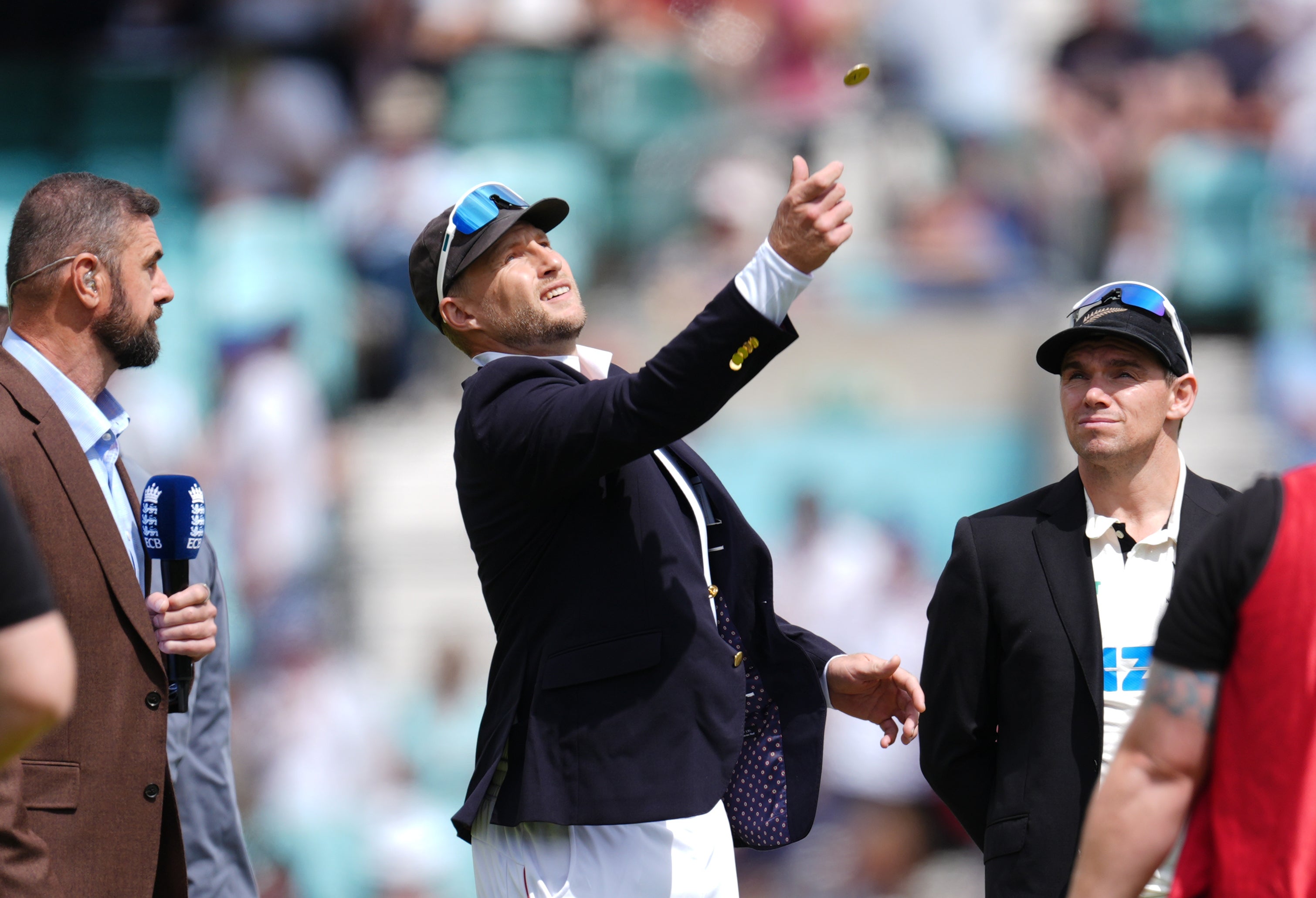
Re-appointing him also comes with risks. It is a move that, in certain places, will be seen as England regressing and reverting back to a different era that ended unsuccessfully. And as such, if he is asked to replace Stokes no-one would begrudge him if he turned it down.
But make no mistake, England need Joe Root more than he needs them. The future of England’s Test team will be on his shoulders and the reward for saving English cricket will be minimal. From a personal perspective it would be foolhardy for him to say yes.
And yet, if he is asked I think that would be his answer. Short of better options he would take up the mantle and the responsibility. He would steady the team during an upcoming period of instability.
England is calling once again, it’s time for Root to go back to the well.