


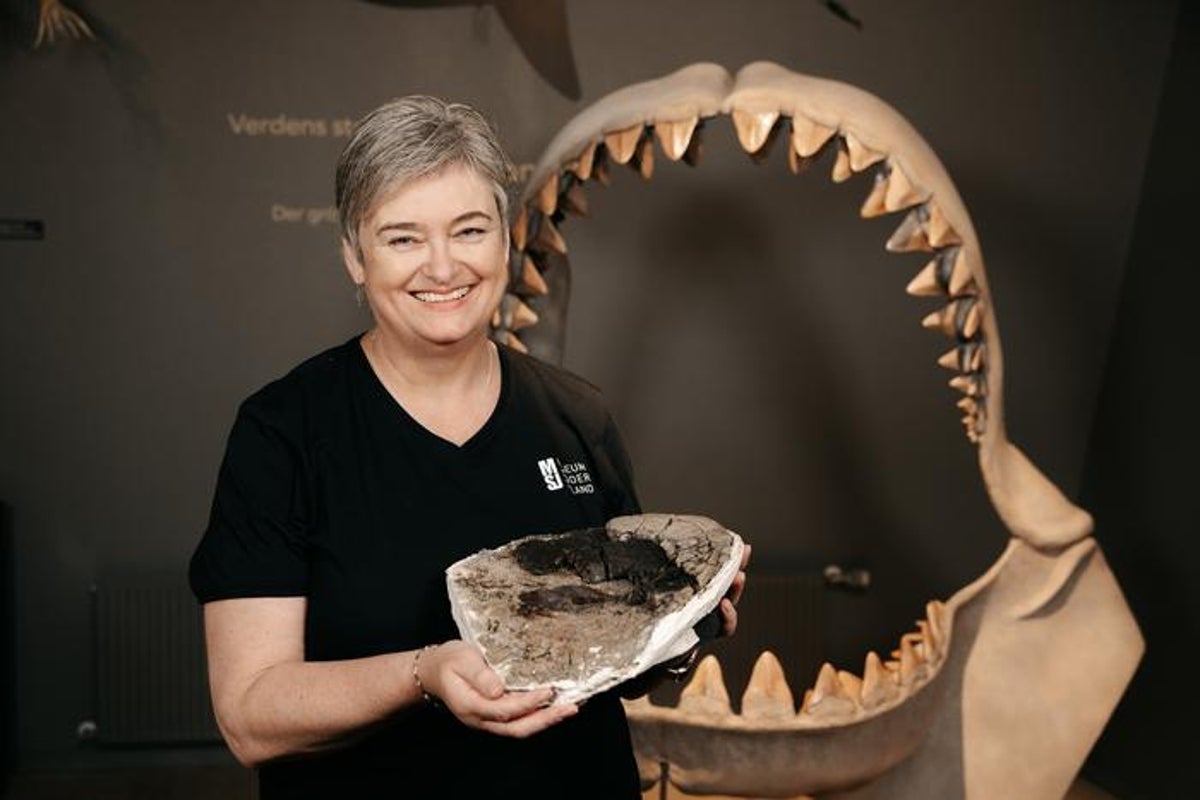
The rediscovery of a giant megalodon fossil, long-lost since the 1980s, has led to new information about the giant shark’s lifestyle, including that they reached up to 80ft in length.
Researchers assessed a once-lost vertebral specimen of Otodus megalodon, the fossil shark that lived worldwide about 15 to 3.6 million years ago.
The particular specimen was a vertebral bone from a megalodon that lived 10.8 million years ago, unearthed from a commercially-dug clay pit in Gram, Denmark, in the late 1970s.
It was initially housed in the Geological Museum of Copenhagen, but became misplaced when the specimen was moved out of the original research laboratory, leaving behind only photographic evidence behind.
Then, in the late 2010s, an observant museum staff member encountered some mysterious fossil-filled boxes that were found to contain the missing megalodon vertebrae.
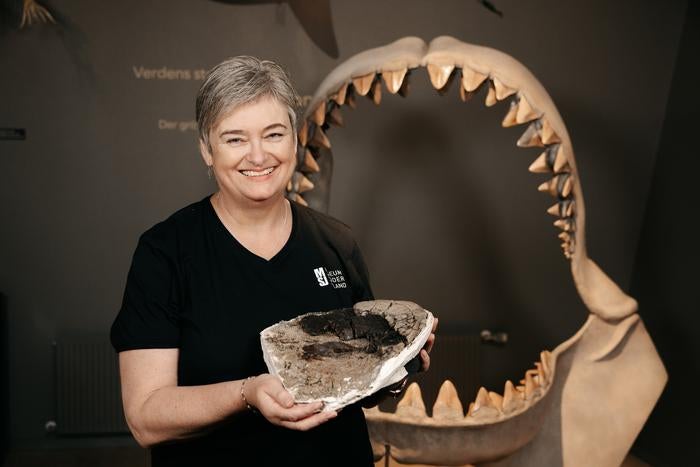
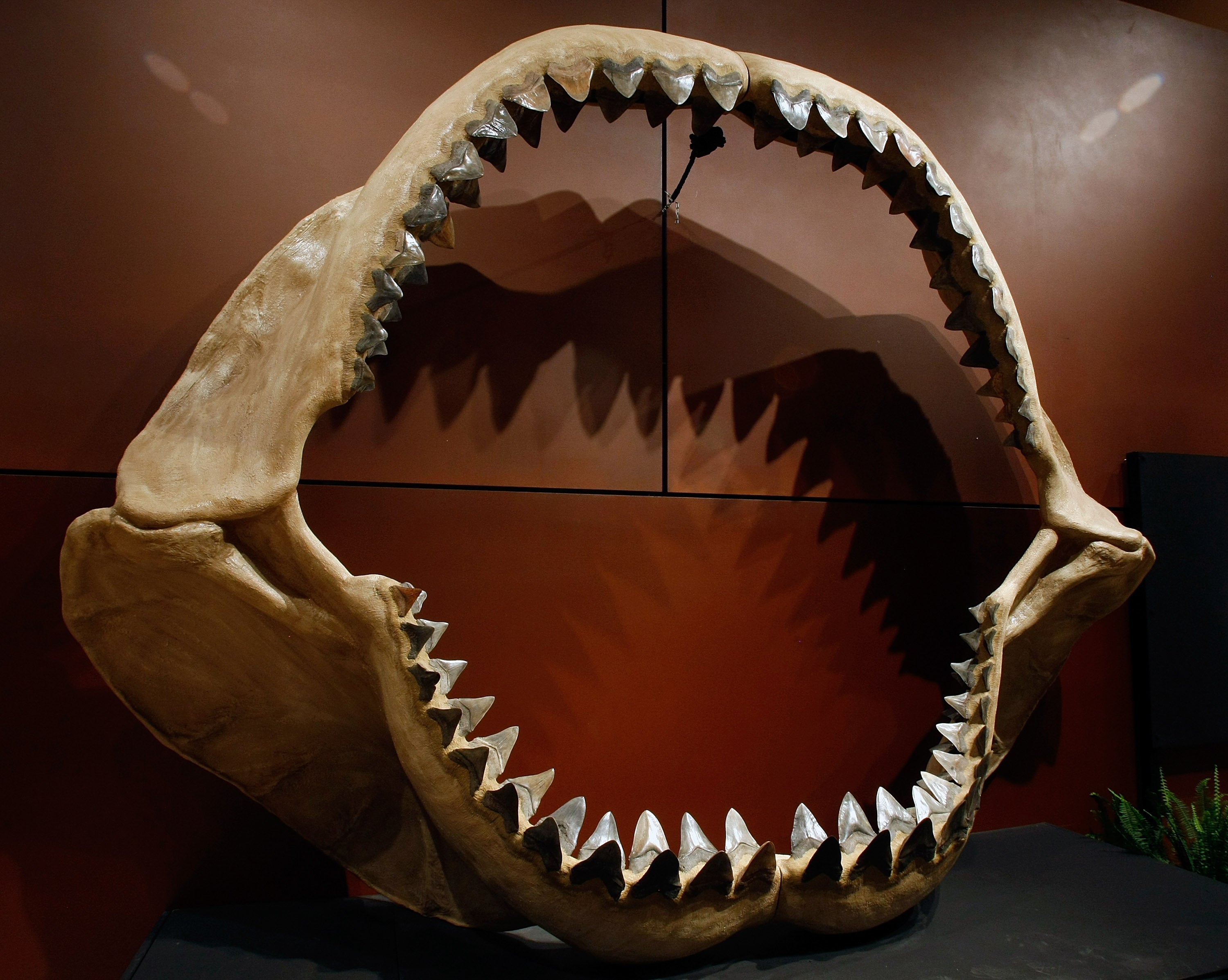
A new analysis of the vertebrae has confirmed the maximum length of the megalodons to be 24.3m, or about 79ft, with the sharks likely to have reached weights of about 94 tonnes.
“The rediscovery of the vertebrae was a true delight because they empirically confirm the maximum vertebral diameter of 23cm reported in the literature,” said study lead author Kenshu Shimada from DePaul University in Chicago.
“The specimen not only represents the largest shark vertebrae known to date but also the largest fish vertebrae ever recorded to our knowledge,” said Dr Shimadu, an author of a new study on the rediscovery published in the journal Palaeontologia Electronica.
So far, no complete skeletons of megalodons exist.
“The sharks’ cartilaginous skeletons make their preservation potential generally very low except for their highly mineralized teeth,” explained Trine Sørensen, another author of the study.
The latest 24.3m estimate comes from its vertebral diameter, compared to the shape of other largest bones available in fossil records.
“Although our growth model suggests that megalodon could have theoretically grown even slightly larger, the length of 24.3m is currently the largest possible scientifically justifiable estimate for O. megalodon,” said Dr Shimada.
In the study, scientists analysed incremental growth bands formed annually in the megalodon vertebrae, similar to tree rings.
CT X-ray scans revealed that this megalodon individual was at least 64 years old when it died.
“The giant megalodon vertebrae are of great importance because size matters when it comes to understanding the biology, ecological impact, and geographic distribution pattern of this extinct giant predator,” said Mette Elstrup, a co-author of the study.
Scientists also found many fragmentary gill-associated structures and tiny scales of another substantially large shark, the basking shark, at the same megalodon fossil site.
“This led us to interpret the basking shark elements to represent the stomach contents of the megalodon, which is the first documentation for the megalodon fossil record,” said study co-author Mikael Siversson.