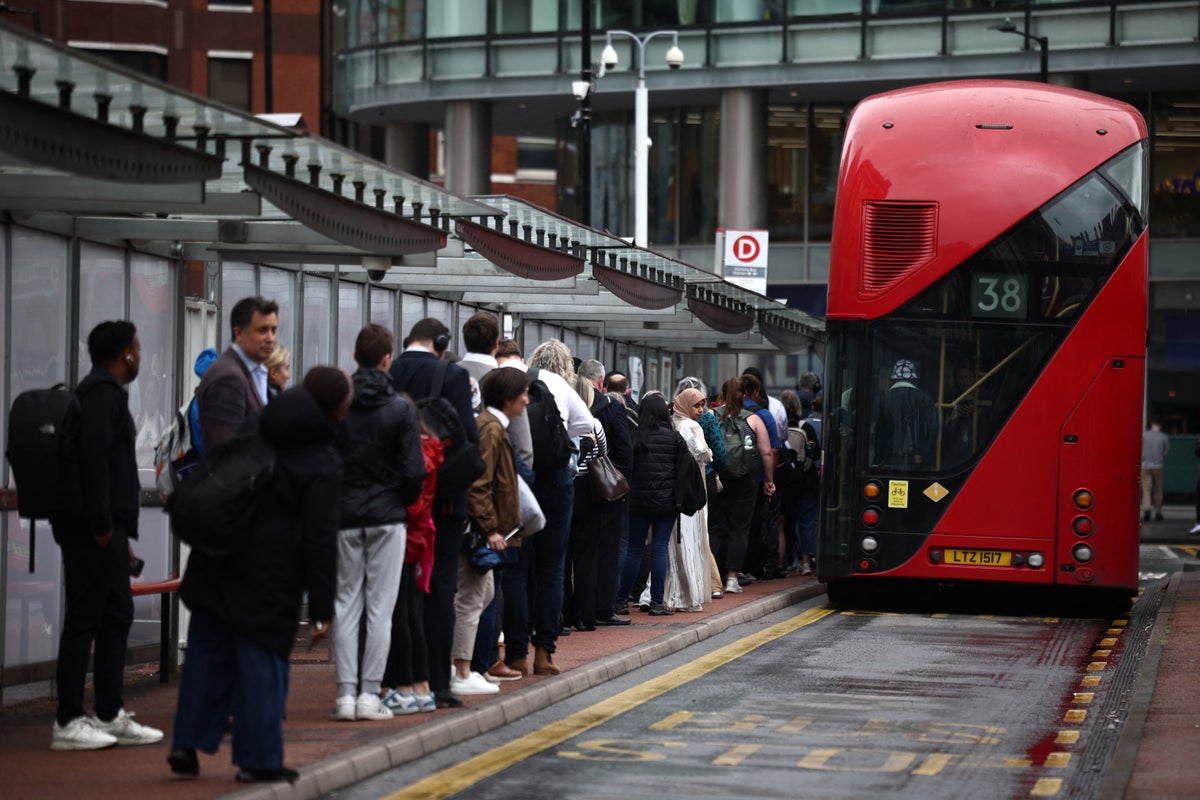


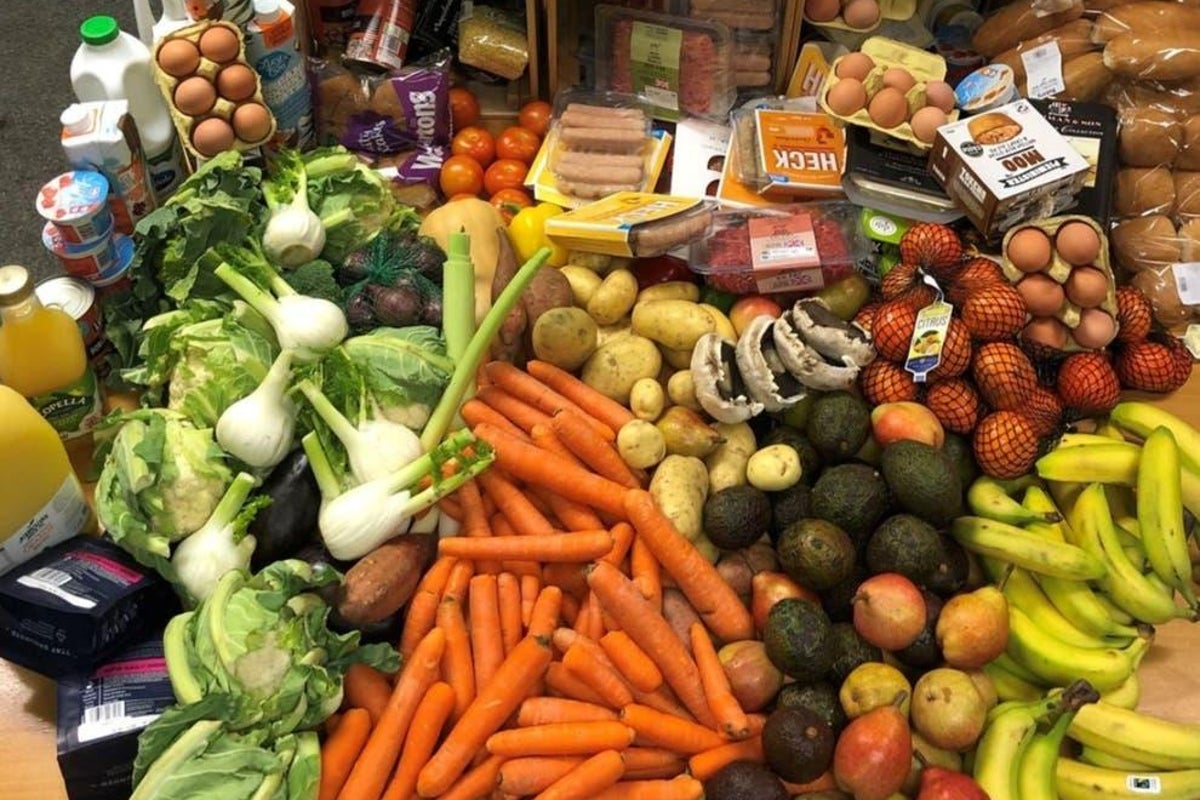
Demand for food banks has shot up dramatically since the beginning of the war in Iran, with charities struggling to cope, a leading charity has warned.
Providers are reporting soaring costs and fall in donations since the US and Israel launched strikes in February, in what has been described as a “perfect storm” for services.
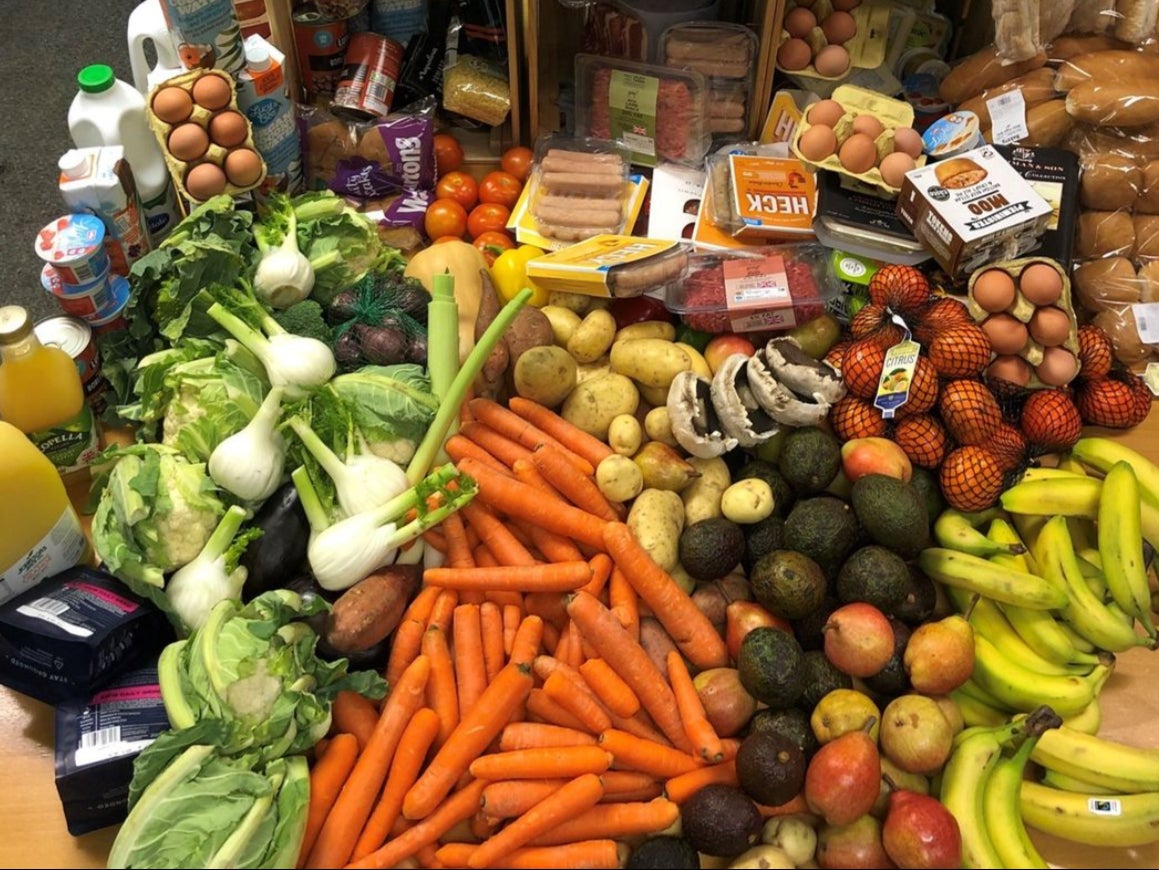
Felix, the UK’s largest food rescue charity which redistributes surplus food from supermarkets and restaurants and gives it to those most in need, surveyed more than 2,700 providers it works with on how they are managing in the face of increasing demands.
It found more that 80 per cent of the organisations it supplies could be at risk were it not for the redistributed surplus food they receive.
The survey revealed 32 per cent of charities Felix works with told them they would be forced to close their food service without the help from the project, and 13 per cent had seen their demand more than double over the last 12 months.
The charity gets food to 1.5 million people a year, working with more than 8,200 organisations across the UK.
It comes as the charity officially launches under the name Felix following the merger of FareShare and London-based The Felix Project earlier this year. Named after 14-year-old Felix Byam Shaw, who died tragically of meningitis in 2014, the project’s merge with FareShare means it will now work with businesses and charities nationwide to help food that would have gone to waste get to those who need it.
Charlotte Hill, CEO of Felix, said: “The current situation is a perfect storm. Food inflation means more people simply can’t afford to feed themselves and their families and have no choice but to turn to a charity.
“At the same time the charity sector is seeing higher costs and reduced donations. That’s why The Felix Project and FareShare have come together to form a bigger more ambitious organisation, Felix.”
Lat month, Sir Keir Starmer announced the government would work alongside the food industry, the voluntary sector and funders to build a plan to treble food redistribution in the UK.
“Through this vital work we’re turning the environmental problem of surplus food, that would otherwise go to waste, into a social opportunity,” Ms Hill said. “By sharing that food with more than 8,000 charities across the UK, we are helping them support more people and strengthen local communities.”
Felix runs seven depots across London, Liverpool, Ipswich and Southampton, and works with 16 independent network partners with a further 28 depots across the UK. Of these, 76 per cent said they have been able to feed more people in the last 12 months as a result of receiving that surplus food.