In the end, there was order amidst the disorder. As Thomas Ramos draped ball over tee and strode back ready to strike, there was a strange hum around the Stade de France, a wish to be silent to mark the moment but the energy of the evening producing an involuntarily babble. It felt entirely fitting a finale, this greatest of Six Nations championships settled with the last kick. Could Ramos keep his head? Across five disorienting, delightful weekends, he was about the only one who did.
Most might have foreseen a final tableau of French hands hoisting the trophy but little of that which came prior to the last image could have been forecast. As a five-act stage play, each subsection stood strongly on its own merits but comprised a greater glory in its totality – it would be fair to argue that this was the finest edition yet, although that is a conversation that seems to surface every year. France’s defence coach Shaun Edwards perhaps summed it up most precisely after tasting a seventh tournament success: “Rugby at the moment, particularly the Six Nations, is just phenomenal.”

When assessing the relative merits of each campaign, one must consider both ceiling and floor. Though worthy winners, France probably did not hit the heights of some past winners as grand slam glory eluded them but the relative competitiveness across the unions has seldom been higher. The rise of Italy has been overdue but they are now just as crucial a cog in the competition as any other; to see Wales and Cardiff stir in such a way to down the Azzurri for a long-awaited win was heartening.

As part of a broader picture, this Six Nations also revealed plenty about the future. It was instructive to speak to World Rugby during the fallow week about their plans to make the sport both simpler and quicker; if the former quality was probably lacking in a tournament of twists and turns, a helter-skelter pace was maintained almost from start to finish. Indeed, it could be said that those who preferred to plod were left behind – not just England, but a timid Scotland and Ireland in their openers.
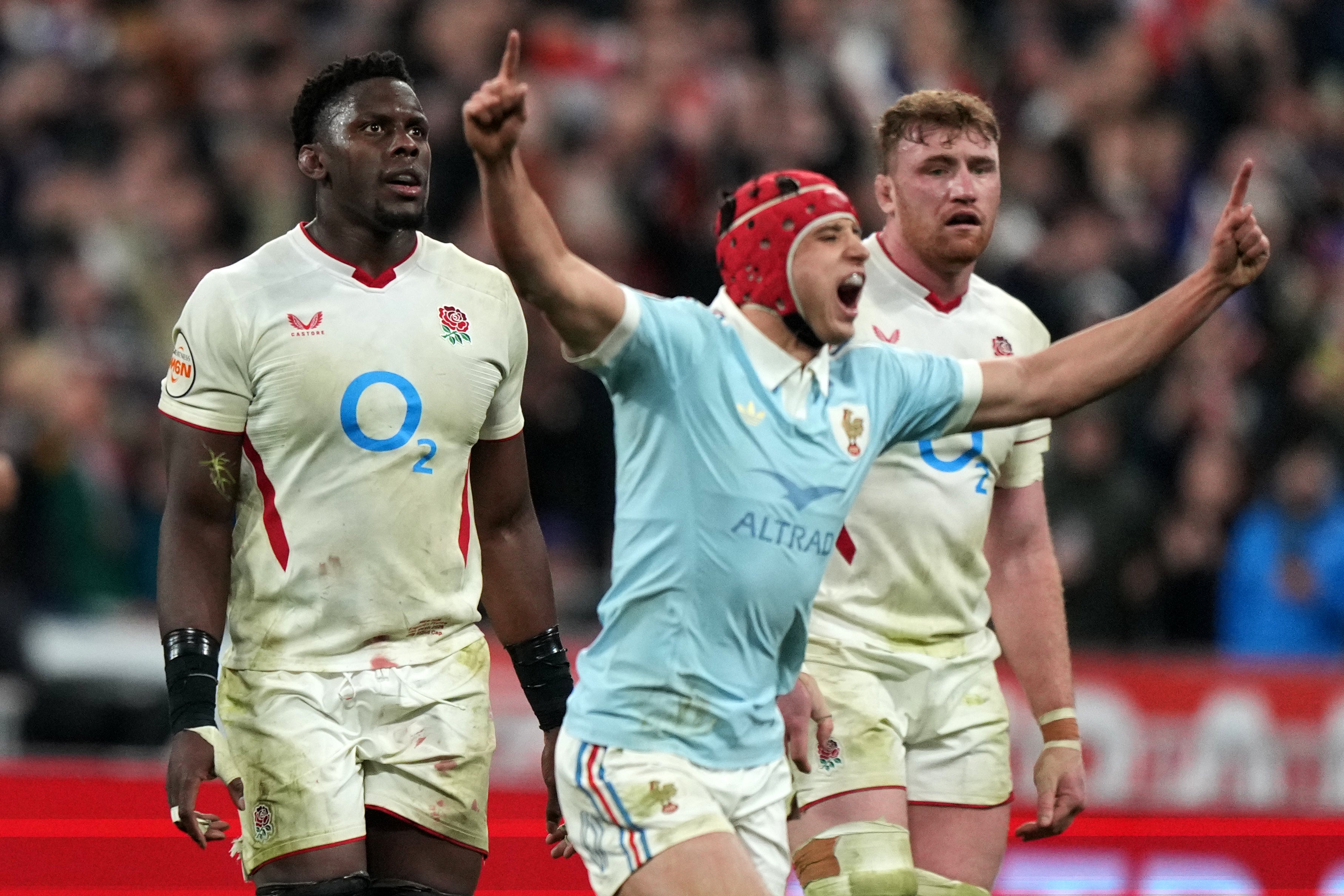
The champions embody that need for speed better than anyone. Rugby is a game of depth and detail but so much of what made France champions came off the cuff, a zeal and zest in the way they zipped this way and that. From Louis Bielle-Biarrey on the left to loosehead Jean-Baptiste Gros, Fabien Galthie has a team full of athleticism and invention; that they used six starting centres across the campaign illustrated again the depth at their disposal. They are a flawed genius, of course, but to tally 30 tries in five games when each match means so much displays their mentality.
There is a sense that Edwards has been sidelined somewhat on their staff but the Wigan-born coach was cock-a-hoop at the end, flashing seven fingers to mark those titles won with Wales and France. That came despite the defence he drills conceding 96 points in two games – enough to make him self-combust before, but now met with something of a Gallic shrug.
“If it was just your team defending and conceding so many points, you’d be worried,” Edwards said to ITV. “England have an excellent defence coach and defensive system and they’ve conceded more than us. Obviously it’s a bit frustrating at times, but that’s the way the game is going.”

Increasingly, that feels clear. If France are at the vanguard in the Six Nations, one can also look to the current global leaders of men’s Test rugby to see how South Africa are also evolving their game to stay ahead. Since securing back-to-back World Cup crowns in 2023, the Springboks have sought to expand their horizons significantly and look set to build further around Sacha Feinberg-Mngomezulu at fly half. Their traditional strengths, clearly, still remain, but they now contain multitudes. In a game of grey, the ability to paint different pictures in glorious technicolour is necessary.
England, for example, had the best scrum in the competition, the sort of building block that would normally underpin success; their inability to consistently build off the back of it meant it did not. Much has been made of the contestable kicking contest but data from Opta ahead of the final round showed every side at a success rate between 48 per cent and 52 per cent. It has been a game of luck – and fortune generally favours the bold.
It will be fascinating to see how the European rivals handle their further-flung foes when the new Nations Championship kicks off in July; it will be disappointing that France will field a second-string as the one rugby country where club is king. It is hoped that the inaugural competition adds greater context and consequence to the summer and autumn fare – one would question whether that is necessary, but the fact that it will all be shown on ITV in the United Kingdom is a boon for a sport that can lack cultural cut-through.
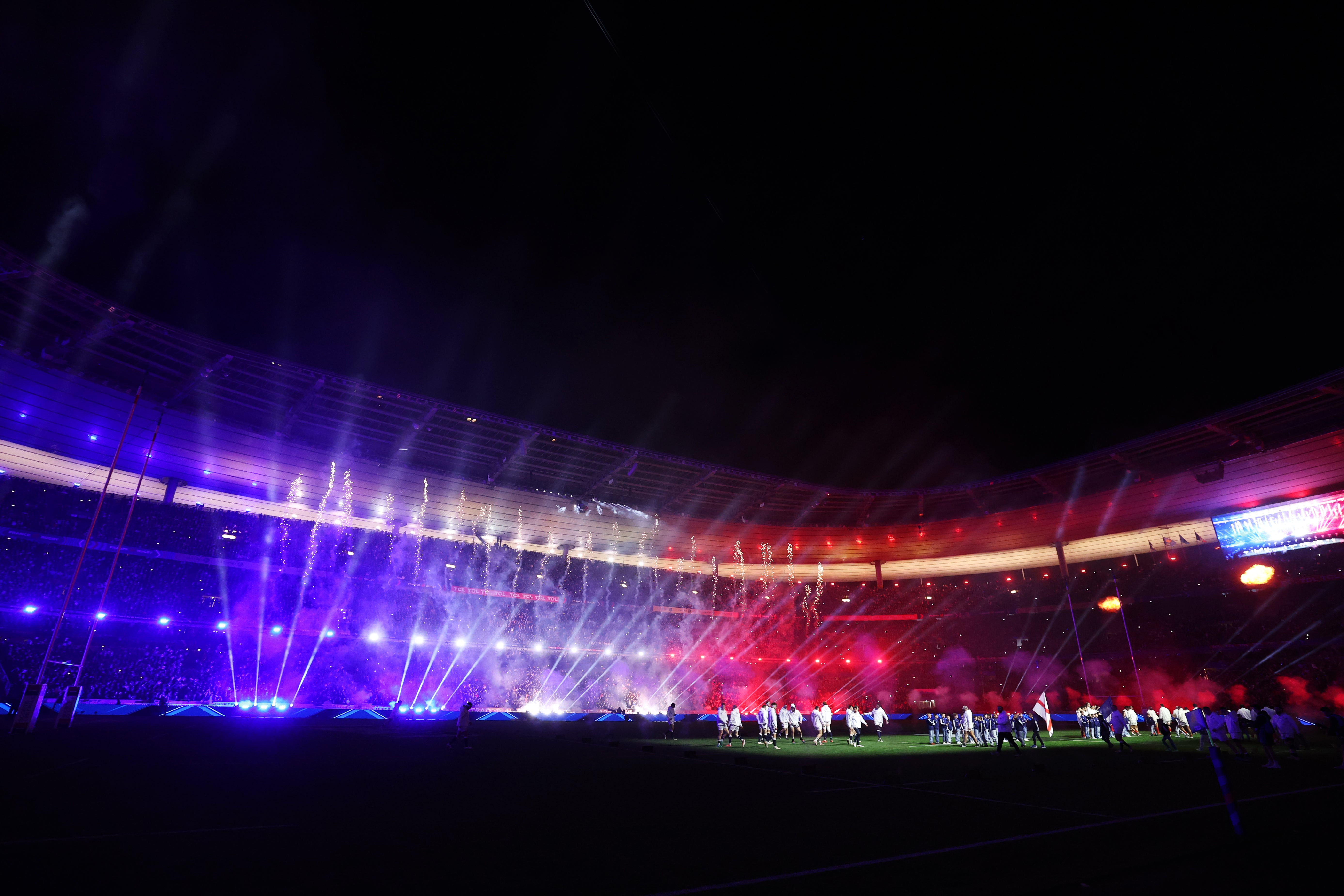
That is, it must be said, aside from at this time of year. This grand old championship remains appointment viewing, short enough to hold the attention and yet with a depth and density beyond certain other sporting events. Rugby can wring its hands and gnash its teeth over how to sell itself to the world but the Six Nations remains just about the perfect product.