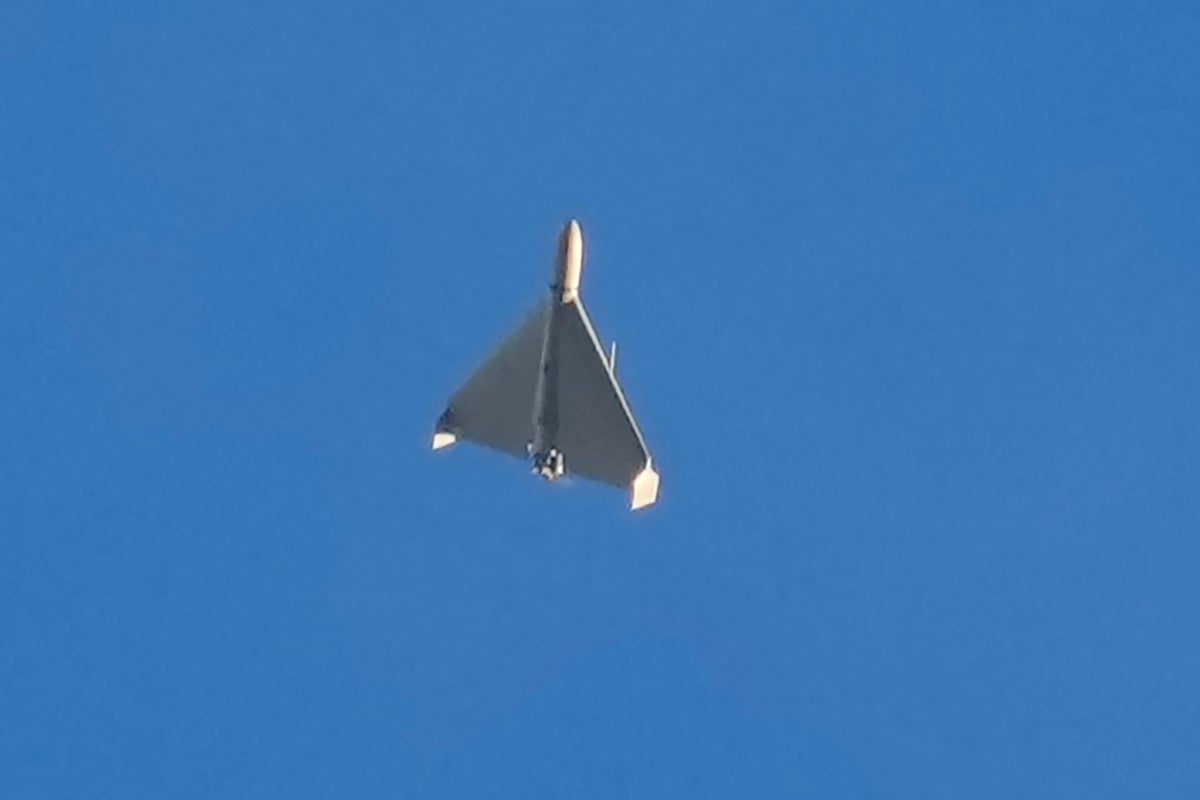
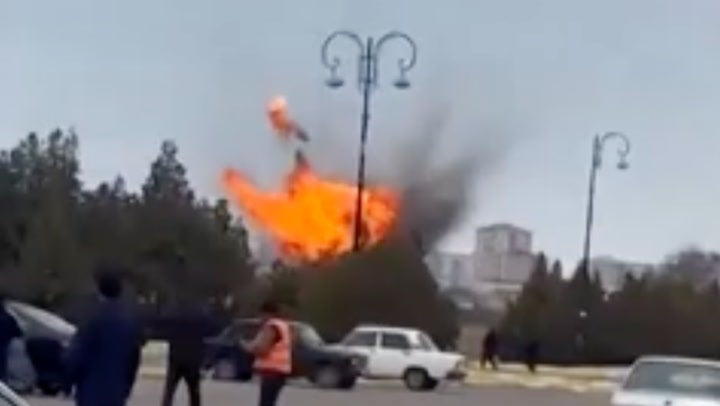
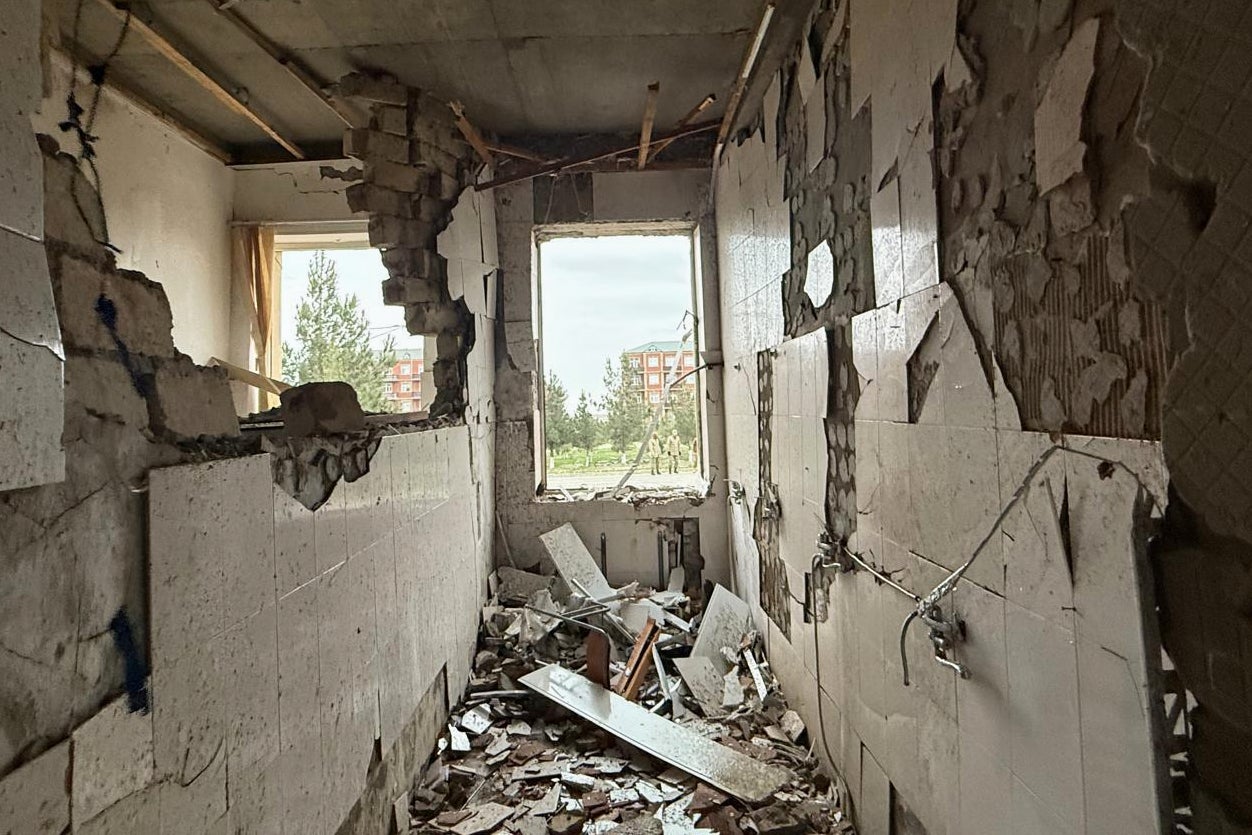
As Iran launches Shahed suicide drones across the Middle East in retaliation to ongoing US-Israeli attacks, countries in the region are spending millions of dollars intercepting each drone.
The UAE, Kuwait, Bahrain and Qatar are among countries in the region that spend a fortune on sophisticated US-made air defences to intercept the relatively cheaply-made, mass-produced drones fired by Iran.
With the conflict now in its seventh day, the US has turned to Ukraine, a country which shoots down Shahed-type drones fired by Russia every night, for assistance in defending its assets in the Middle East.
President Volodymyr Zelensky has offered Kyiv’s air defence specialists and their cheap drone interceptors, which cost roughly $2,000-$5,000 dollars – and suggested Ukraine would accept missiles for Patriot systems in exchange.

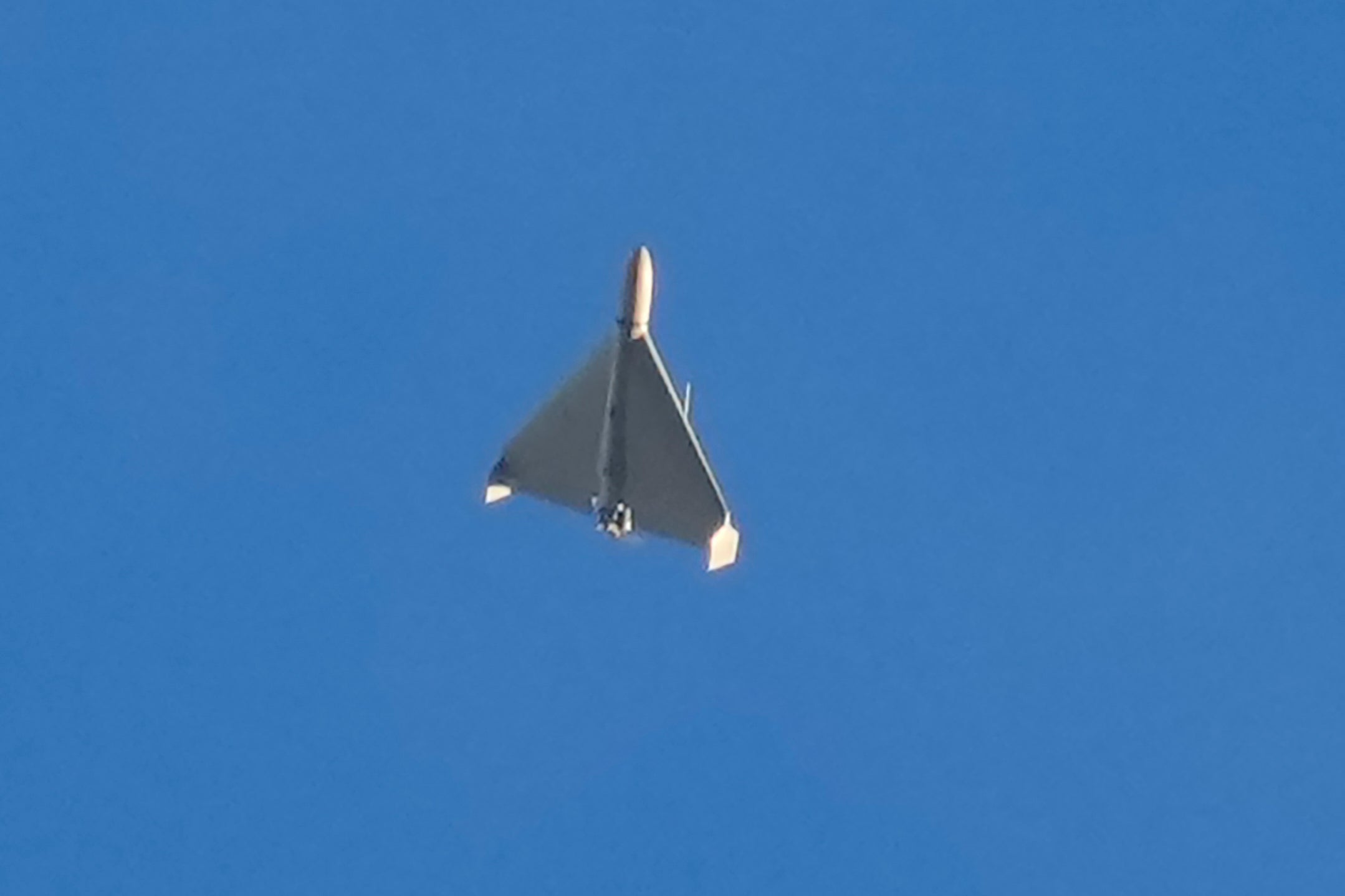
The use of Ukrainian interceptors would save huge sums of money for countries in the region that are currently using $4 million missiles for the US Patriot defence system to destroy Iranian Shahed drones costing just $30,000.
“We received a request from the United States for specific support in protection against ‘shaheds’ in the Middle East region,” Mr Zelensky announced on X on Thursday, adding that he gave instructions to “provide the necessary means and ensure the presence of Ukrainian specialists” to guarantee security in the region.
With the increasing deployment of drone warfare in Russia and now by Iran, cheaply-made interceptor drones are now viewed as the most effective and cost-efficient way to defend the hotels, embassies and army bases across the Middle East.
“There is a surge in interest in the Ukrainian drone interceptors, which can intercept the Shahed for a very low cost,” a Ukrainian official told the Financial Times.

The home-grown Ukrainian munitions have transformed Kyiv’s air defence as it faces hundreds of Shahed-type drones launched by Russia every night.
The drones, which come in both winged and copter forms, are piloted by humans who steer them towards their targets. They are equipped with advanced communications systems allowing them to reach a high altitude, and can reach a speed of around 330 kilometres per hour before striking their target, officials say.
“It needs to be faster than Shahed, which flies 200 kilometers per hour, and this drone has to find, catch, and destroy it,” Serhii Beskrestnov, a consultant to the Ukrainian military, told Politico last August.
Mr Zelensky has been in contact with emir of Qatar Sheikh Tamim bin Hamad al-Thani and UAE president Mohammed bin Zayed al-Nahyan about use of Ukraine’s anti-drone technology.

But there would need to be an incentive for Ukraine to give up its interceptors, Mr Zelensky said. “Any such co-operation aimed at protecting our partners can only proceed without diminishing our own defence capabilities.”
The Ukrainian president acknowledged that Ukraine is facing a shortage of PAC-2 and PAC-3 interceptor missiles used by the Patriot systems, and proposed cooperation on drones could be part of an exchange of military technology.
“Regarding weapons: We ourselves are at war. We have a shortage of PAC-2 and PAC-3 missiles,” he said.
“We would like to quietly work with countries – both those we can name and those we cannot – to obtain for ourselves some of the deficit missiles for Patriot systems and transfer the appropriate number of [drone] interceptors.”