

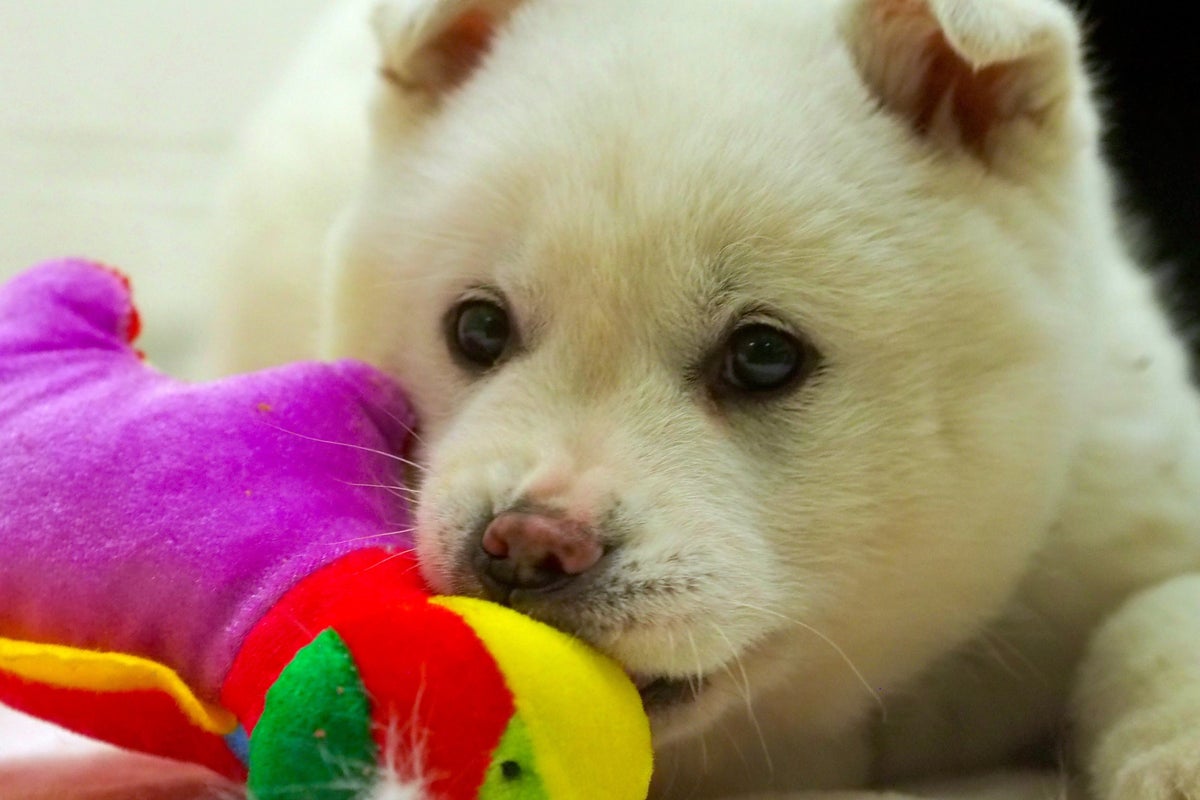
Dogs can sometimes become so intensely motivated by toys that they may begin showing addiction-like behaviour, a new study reveals.
Dogs may show different levels of motivation to play with toys like balls or tug ropes, depending on their breed type and the nature of the objects.
Playful interactions between pups and their owners using toys can enrich the bond between them.
It is known from previous research that play, especially using toy objects, can boost brain signals such as dopamine, opioids, and norepinephrine in both pups and their human companions.
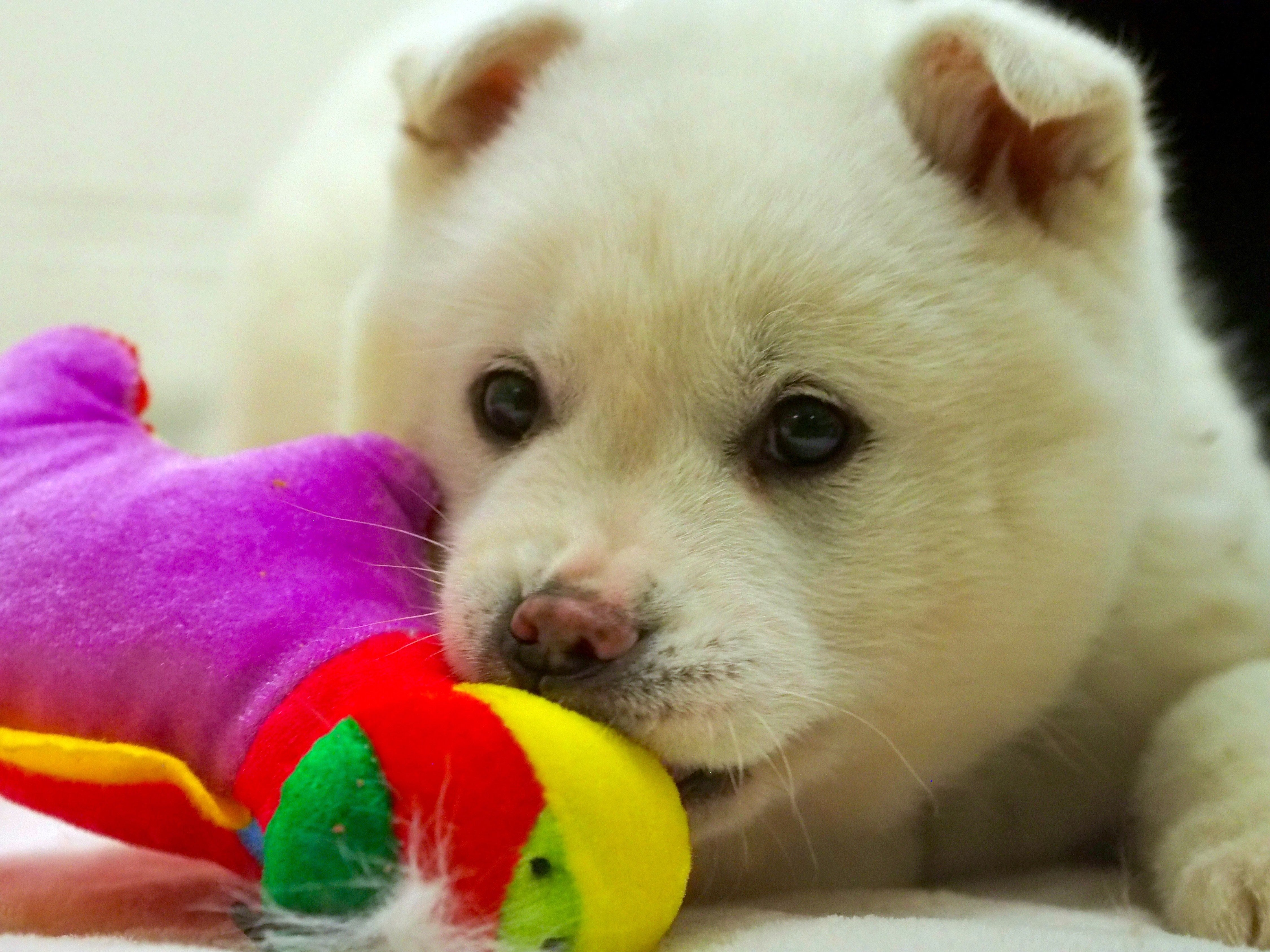
Some of these objects may trigger addictive behaviours including persistent focus, difficulty disengaging, and high arousal, scientists claim in the study published in the journal The Royal Society Open Science.
The exact benefits of puppy play are still debated, though it is thought to generally help prepare for species-specific behaviours such as hunting, mating, and competition.
Among dogs, there are distinct interaction patterns during play such as repetitive object retrieval, tugging, and object manipulation.
In some breeds, the motivation for play may become excessive, with some parallels with behavioural addictions, including craving when the toy is unavailable, high levels of arousal, frustration and loss of self-control.
To study this, scientists analysed data from over 1,600 dogs using a behavioural questionnaire.
They found that very high attachment to toys was associated with traits such as being easy to motivate, difficulty calming down, and reduced daytime sleep among the pups.
Some dogs showed persistent attempts to access an unavailable toy, and difficulty relaxing for a prolonged time when the toys were no longer present.
While such strong motivation can be beneficial, extreme levels can affect welfare, researchers warn.
When their toy was inaccessible, some dogs focused heavily on trying to access it, even prioritising its retrieval over consuming food or interacting with their humans.
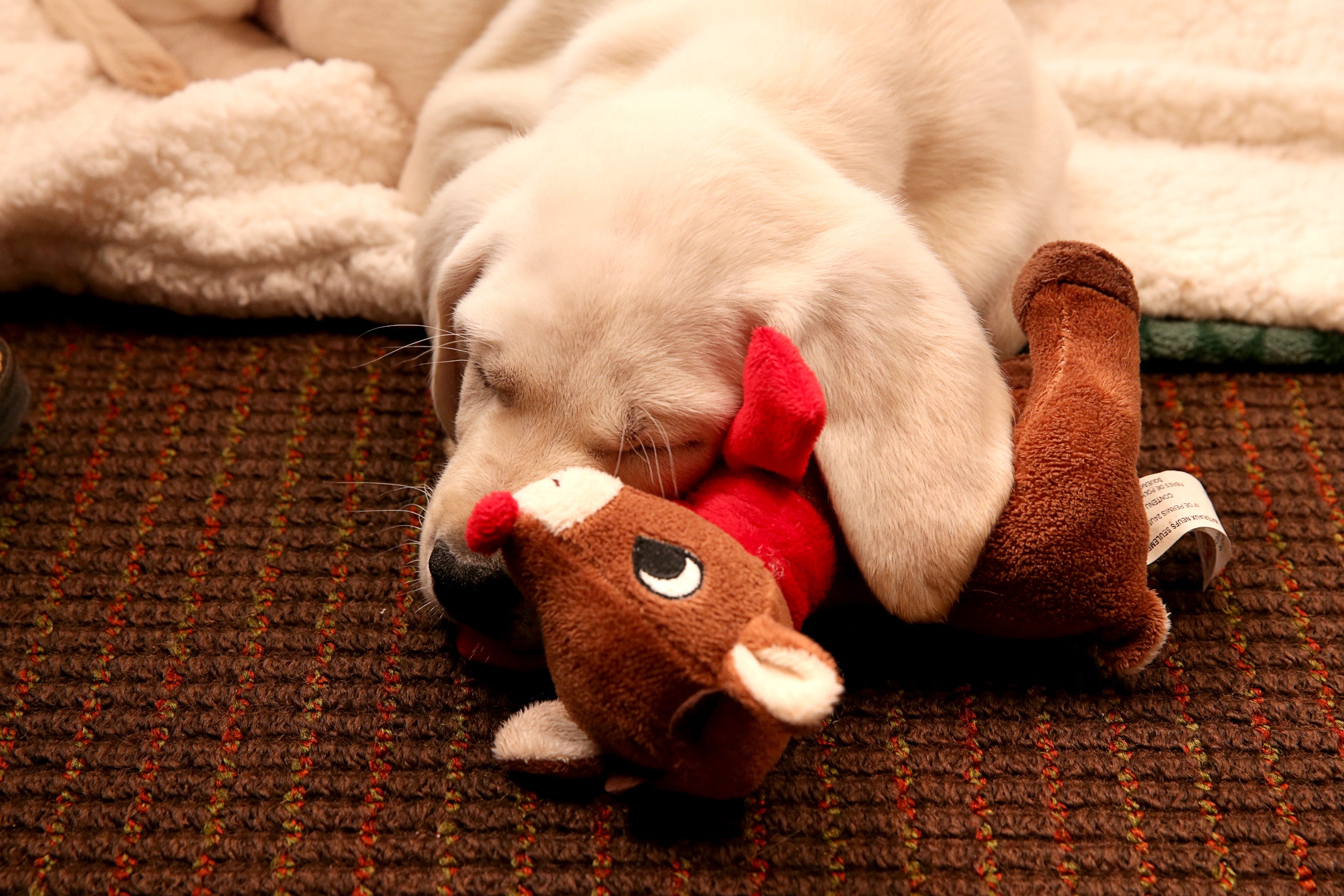
Breed groups used for sport or work seemed to more commonly show these tendencies, according to the study.
Shepherd-type breeds showed particularly high levels of such toy addiction, scientists say.
Alternatively, some breed groups seemed to be less enthusiastic about playing with toys, researchers say.
“Shepherds scored the highest on average, followed by terriers and retrievers,” they wrote.
The findings also indicate that some traits in dogs that might seem undesirable in pets, such as extreme persistence, may actually improve performance in specific working roles.
“Several associated traits were already apparent in puppyhood, implying an early developmental origin,” researchers wrote.