


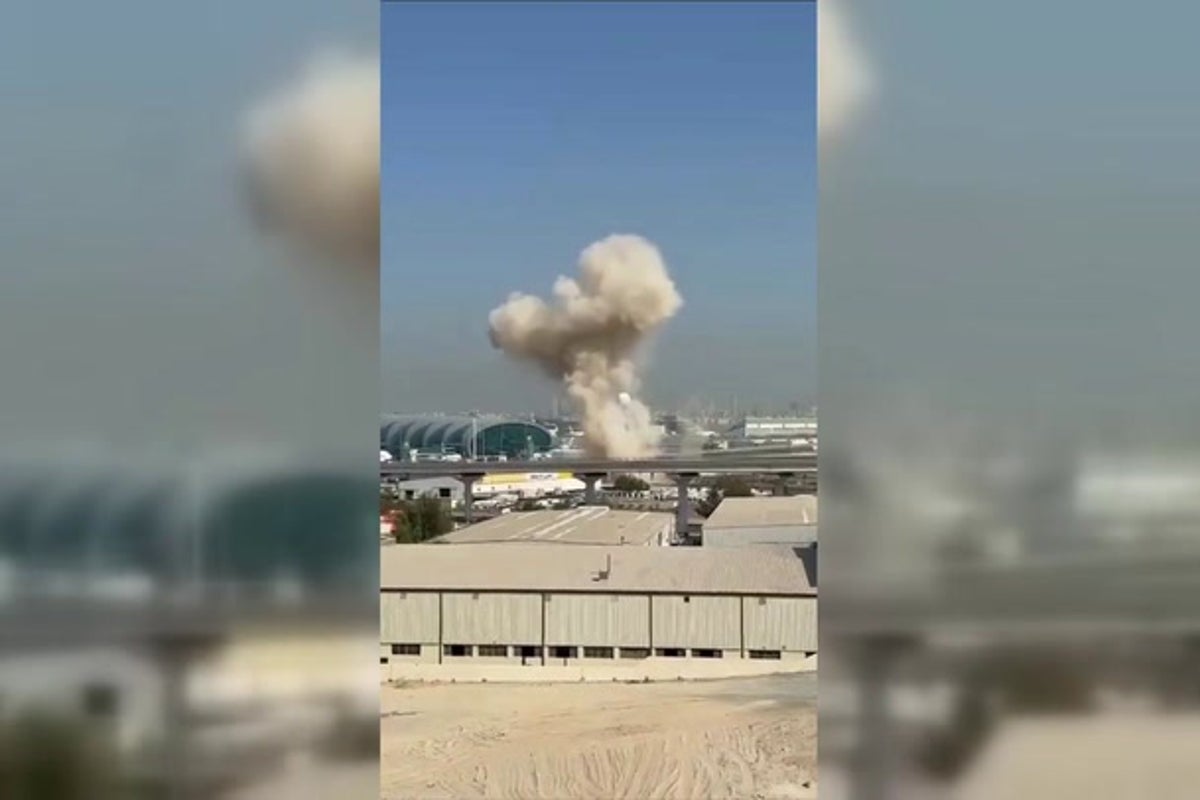
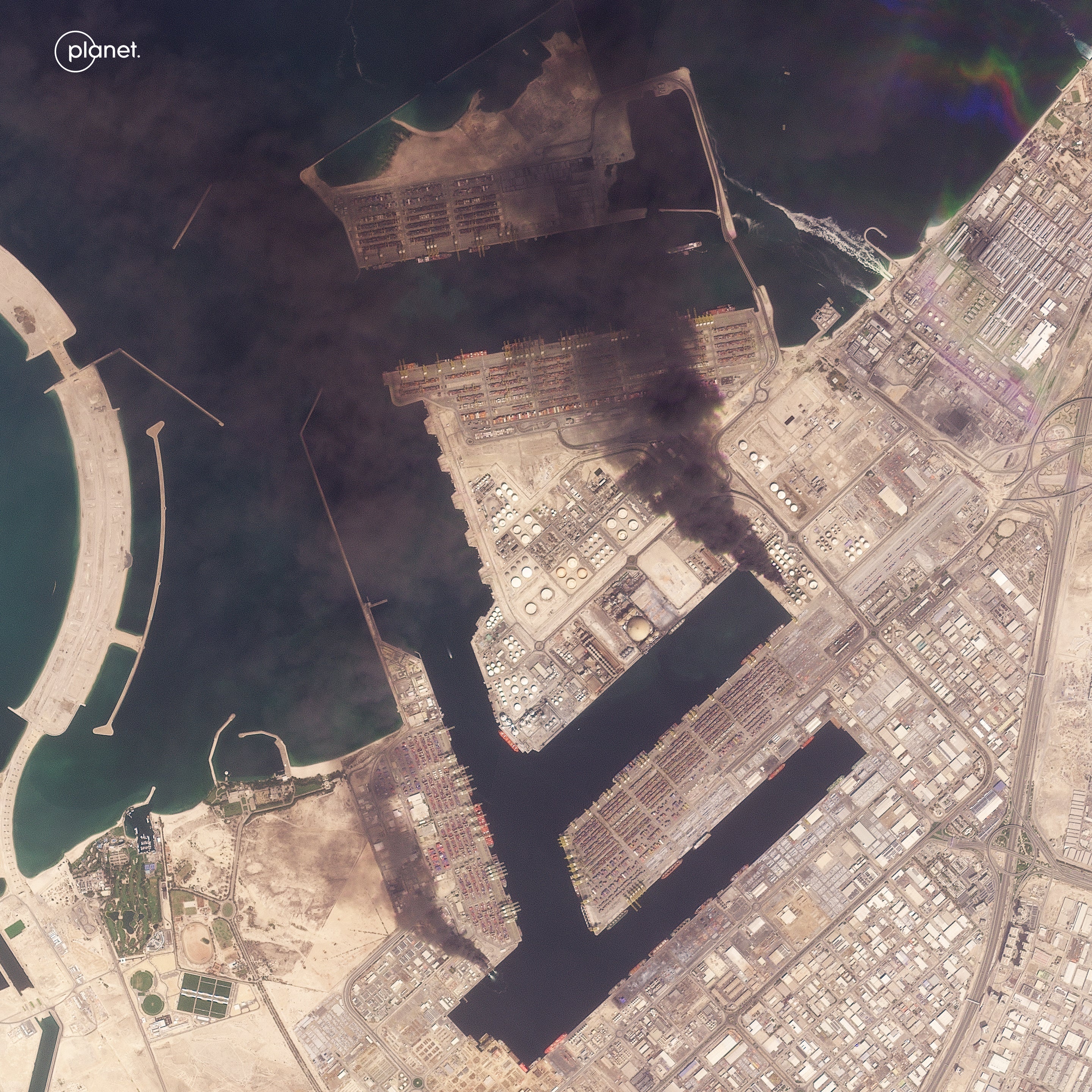
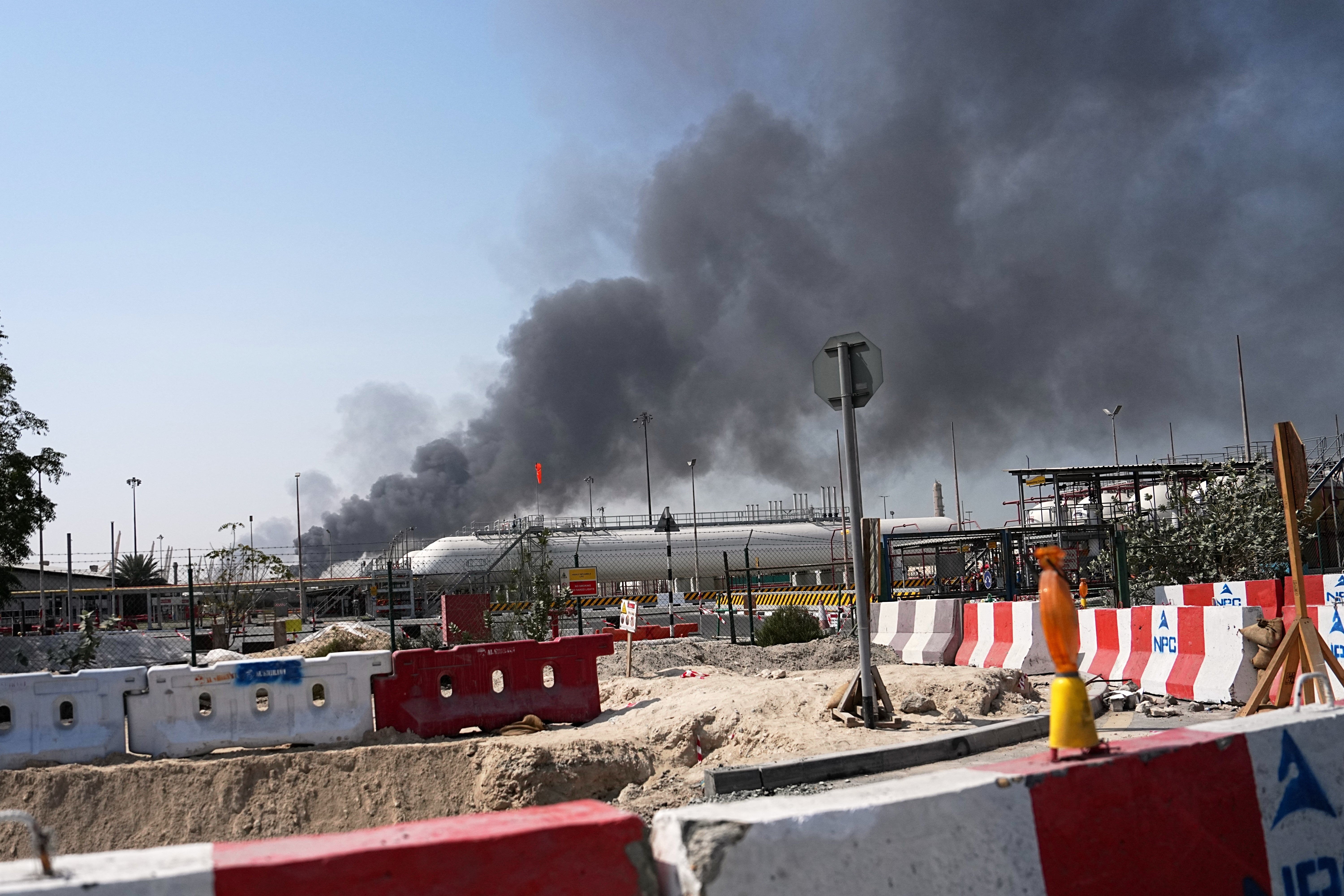
Drones have crashed near Dubai airport, its harbour and the financial district. Flights have been cancelled, daily alerts warn residents to stay away from windows and tourists are being arrested on suspicion of filming missiles.
But two weeks after the US-Iran war began, some corners of social media would have you believe it’s still business as usual in the emirate.
As the conflict has widened across the Middle East and beyond, Dubai’s air defences have faced down more than 260 ballistic missiles, 15 cruise missiles and 1,514 drones, according to the Ministry of Defence.
As of 10 March, the UAE’s defence system had intercepted more than 90 per cent of all projectiles, but some have nonetheless gone on to strike targets in the country’s most populous city.

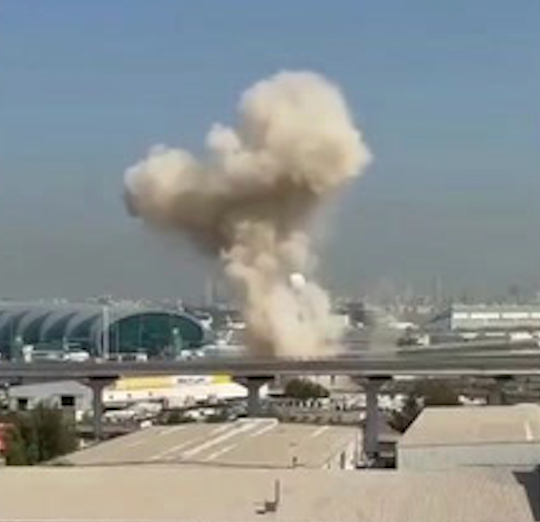
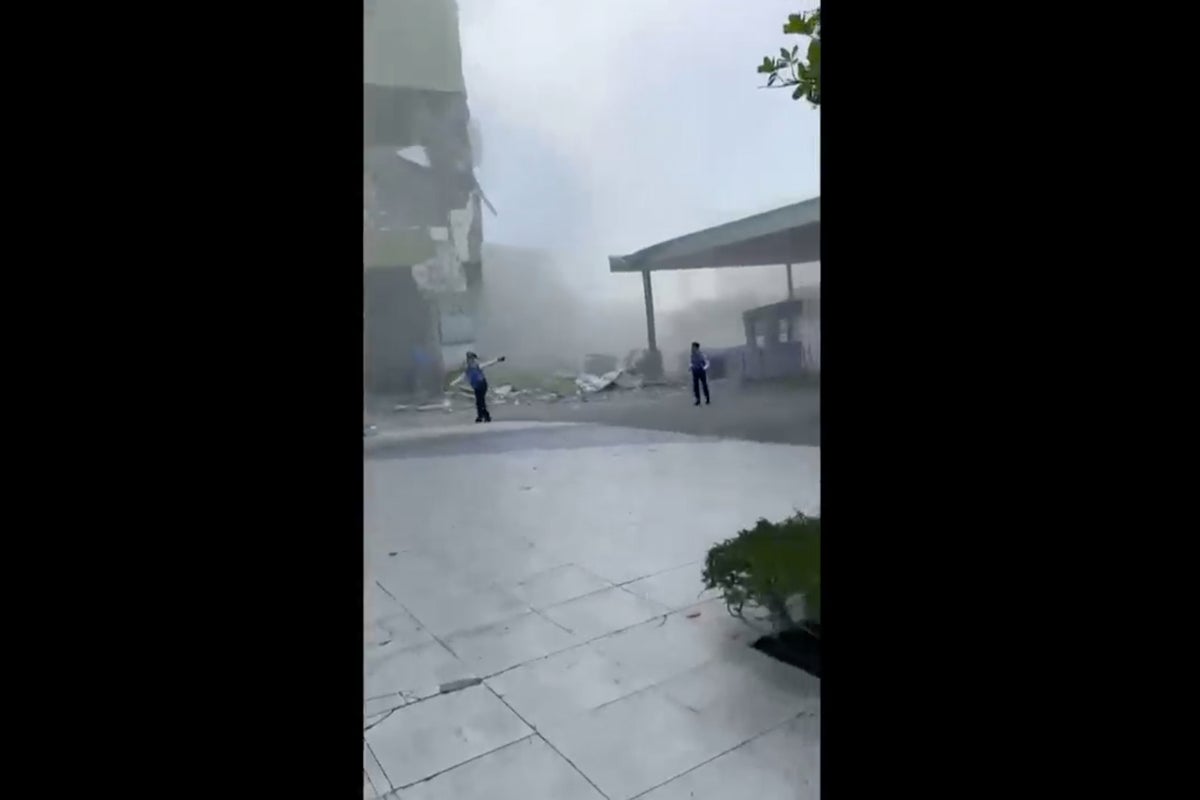
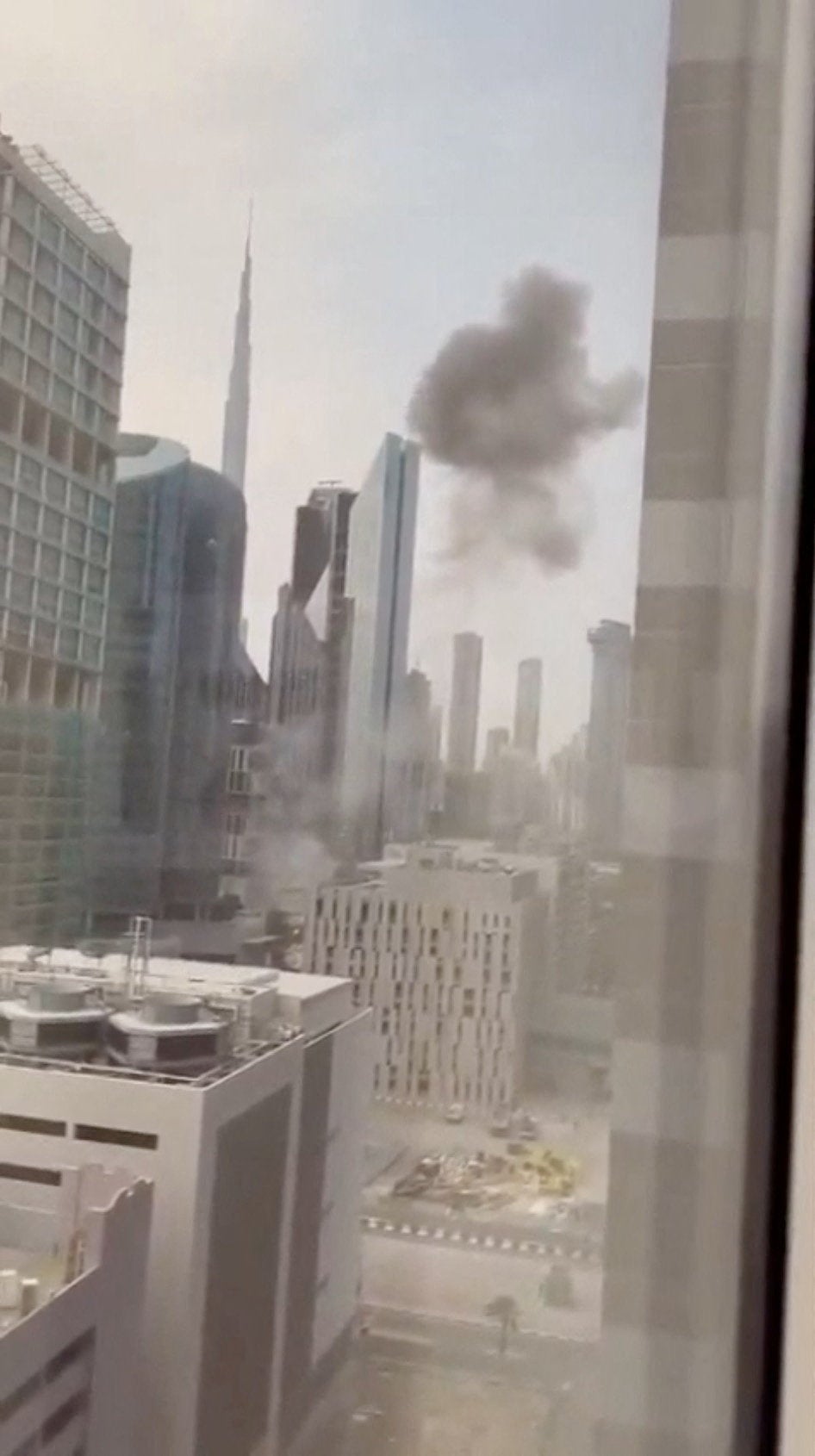
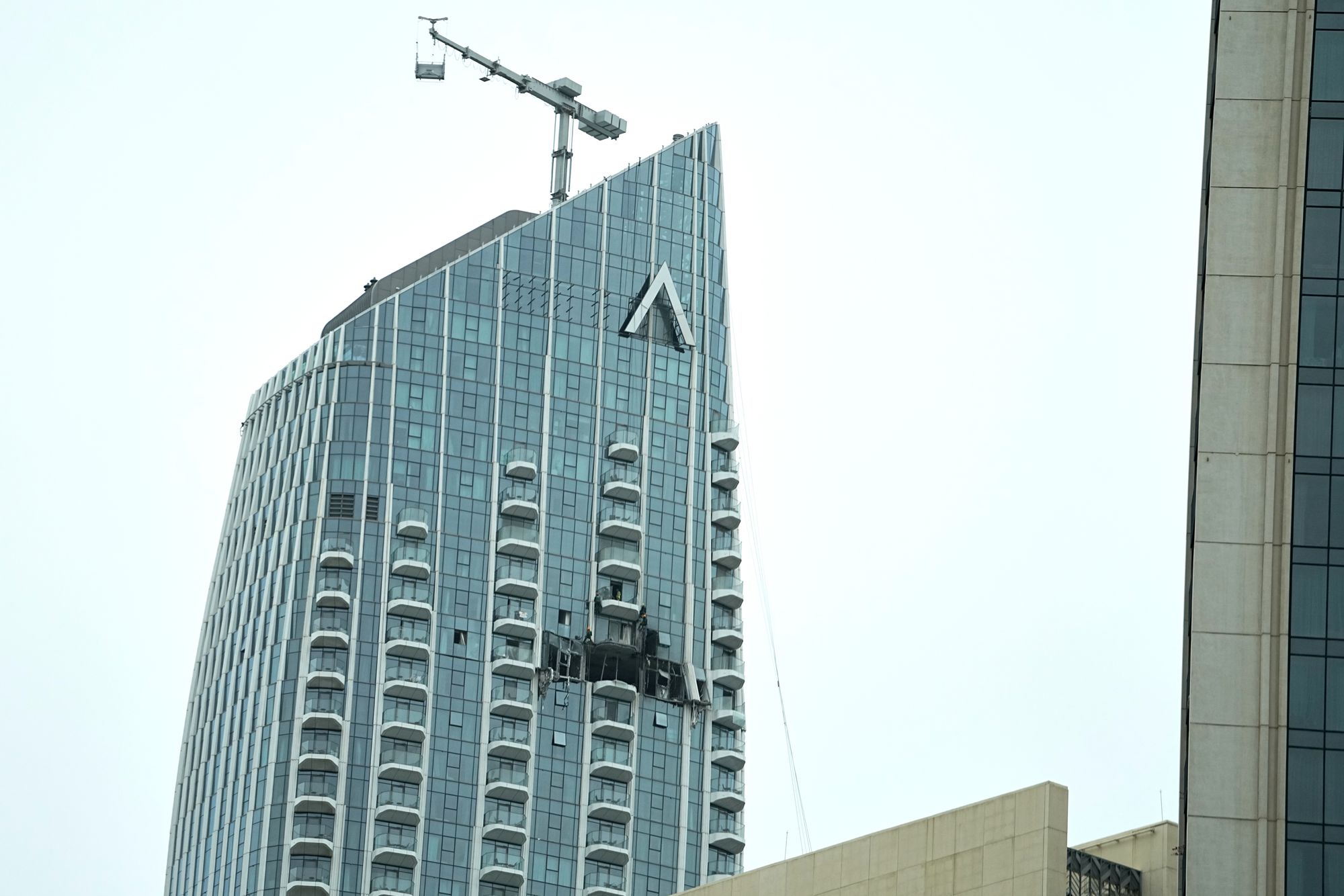
On Friday, clouds of black smoke were seen billowing from Dubai’s International Finance Centre after debris from an intercepted drone damaged a building.
Another drone hit a building in the vicinity of Dubai’s Creek Harbour in the early hours of Thursday morning, with a further strike reported in the Al Bada’a area of the city. No one was injured in either incident, according to authorities.
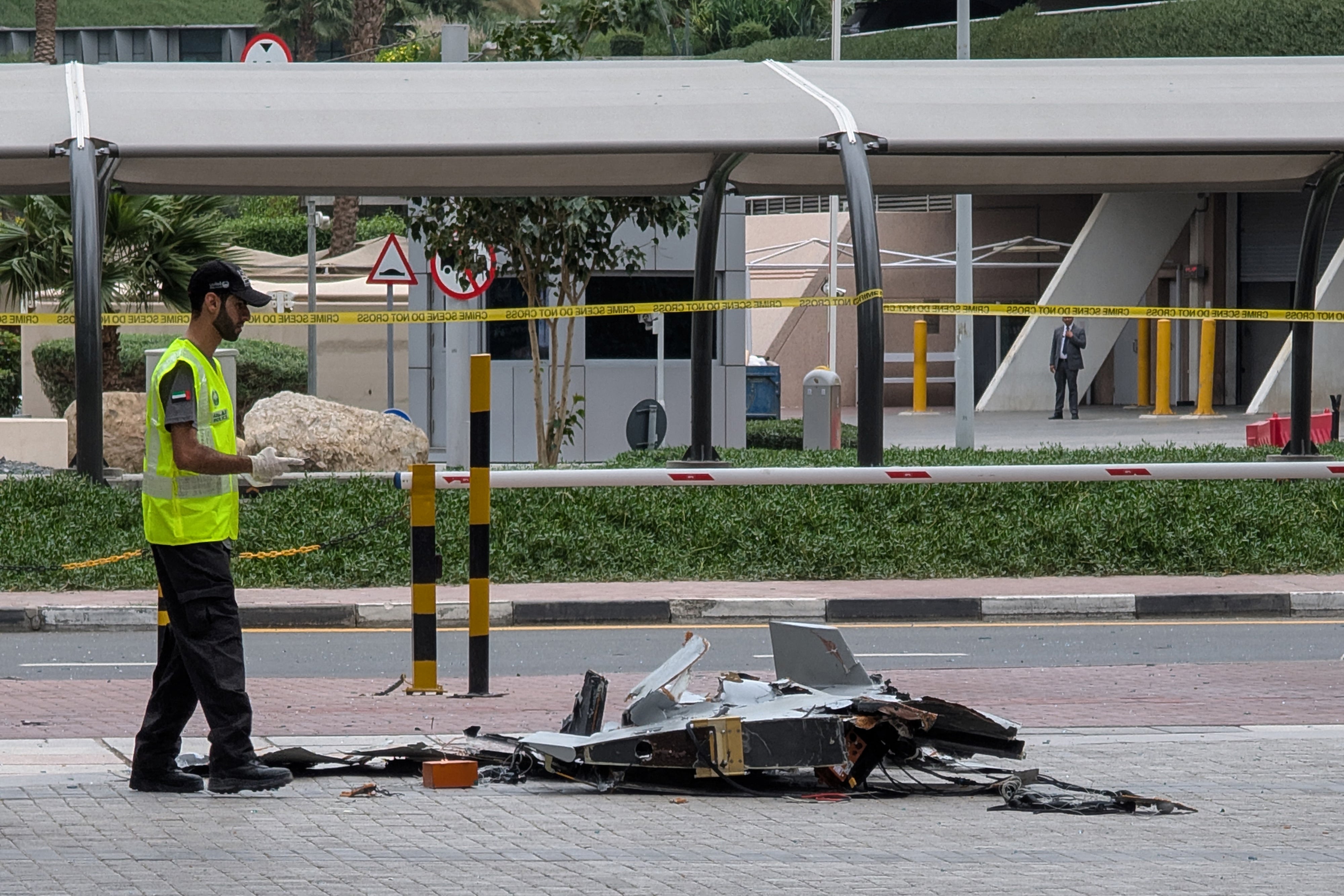
However, four people were injured after two drones fell in the vicinity of Dubai International Airport on Wednesday. Two Ghanaian nationals and a Bangladeshi national suffered minor injuries, while one Indian national was moderately injured, the city’s authorities reported.
Dubai has long sold itself as a safe destination in a troubled region, but the war’s impact is already being felt by its tourism industry.
Middle East Travel Alliance, which oversees logistics for around 20,000 tourists a year from the US and UK, told The Telegraph that they had seen a 100 per cent cancellation of all future bookings to the region since the conflict started.
A growing number of airlines including British Airways, Aegean Airlines and Air Canada have all cancelled flights.

Multiple high profile businesses have begun to remove staff from the international hub, after Iran’s joint military command announced it would start targeting financial institutions across the region.
This week Bloomberg told employees based in the Gulf, including its Dubai regional headquarters, they can temporarily relocate and work from outside the region.
U.S. lender Citigroup, British bank Standard Chartered and the London Stock Exchange Group have also told employees in Dubai to work remotely.
According to Barbara Leaf, former US ambassador to the UAE, Dubai’s prominent economic role in the Gulf is exactly why it’s become a particular target for Iran.
“Dubai is this great emblem of the alternative economic present and future for the region, the alternative certainly to Iran,” she told The Telegraph.
“It’s the shiny symbol of everything that is bright and modern and dynamic in the region. So it’s exactly the place they want to hit and damage the most.”

But anyone who searches ‘Dubai’ on social media will see a very different narrative presented.
Multiple videos posted on Instagram pose the questions “You live in Dubai, aren’t you scared? or “Do you feel safe in Dubai?” before going on to explain why there is absolutely nothing to worry about.
Some of the clips cut to a montage of the city’s leader Sheikh Mohammed bin Rashid Al Maktoum, accompanied by the words: “I know who protects us.”
This contrast between the life presented online and footage of multiple drone incidents appears increasingly jarring, the longer the regional conflict goes on.
The same day that four people were injured by drones, one influencer with 40,000 followers on TikTok shared a video of herself walking through the Dubai Hills Mall talking about the vanilla matcha she just purchased.

“I’ve lived in Dubai for three and a half years, and it’s almost like you’re in a new relationship,” she said, while acknowledging that some will be sceptical.
“You know, when you’re dating a new guy, you’re not quite sure about him. You’re trying to see if you can trust him, and then over time, as the relationship develops, then you slowly learn like, ‘No, this is the guy that I can rely on. I know he’s always gonna have my back.’”
The message that citizens are being ‘kept safe’ is a frequent refrain in such posts, often using similar wording.
Influencers in Dubai must operate under a Commercial Trade License and an E-Media Influencer Permit from the UAE Media Council. Authorities have framed the new legislation as a way to protect the public from ‘misleading content’ and ensure the UAE’s national interests, according to Gulf media outlets.
The Dubai Media Office issued a warning on the first day of the US strikes, a crackdown on what they called “outdated” and “misleading” videos and images of past fire incidents in the city.

“The public and media are urged to rely solely on official sources for accurate information and refrain from sharing unverified material. Legal action will be taken against those who publish or republish such content in violation of UAE law,” the statement said.
Two weeks later, 21 people have been charged under the UAE’s cybercrime laws, including a British tourist arrested for allegedly recording footage of a missile over Dubai.
Detained in Dubai human rights advocate Radha Sterling reported that the man said he deleted the video immediately when asked and meant no harm, but is still among those facing charges.
Ms Stirling said the government’s warning that people could face jail for posting videos, images, or even sharing the wrong news article about the attacks was a reminder that the United Arab Emirates is not the free society some visitors believe it to be.

“In a single moment, the narrative of Dubai as a carefree, cosmopolitan safe haven collided with the reality of strict cybercrime laws that can send people to prison simply for sharing information that authorities consider negative or misleading,” she said.
But it appears the efforts to reassure the public may not have been quite as effective as hoped.
Celebrities like Lindsay Lohan, who has long championed Dubai for its safety, have been spotted back in the US having left the UAE after the war began.
A British property investor even went so far as chartering a £150,000 private jet to leave the region with his family – though he insisted that was for a meeting rather than safety fears.
Nevertheless, estate agents in the UK told The Independent this week they had seen an uptick in demand for London property from those wanting to return from the Gulf.
“The conflict has not surprisingly been a very abrupt reality check for many who have been lured to Dubai predominantly due to the tax-free regime, climate and perceived lifestyle,” Mark Pollack, co-founding director of Aston Chase said.