Could this be one travel trauma too many? This weekend, hundreds of the “time-rich, cash-rich” cohort who bankroll much of the UK travel industry are converging on Sri Lanka for a midnight plane to Stansted on Sunday night.
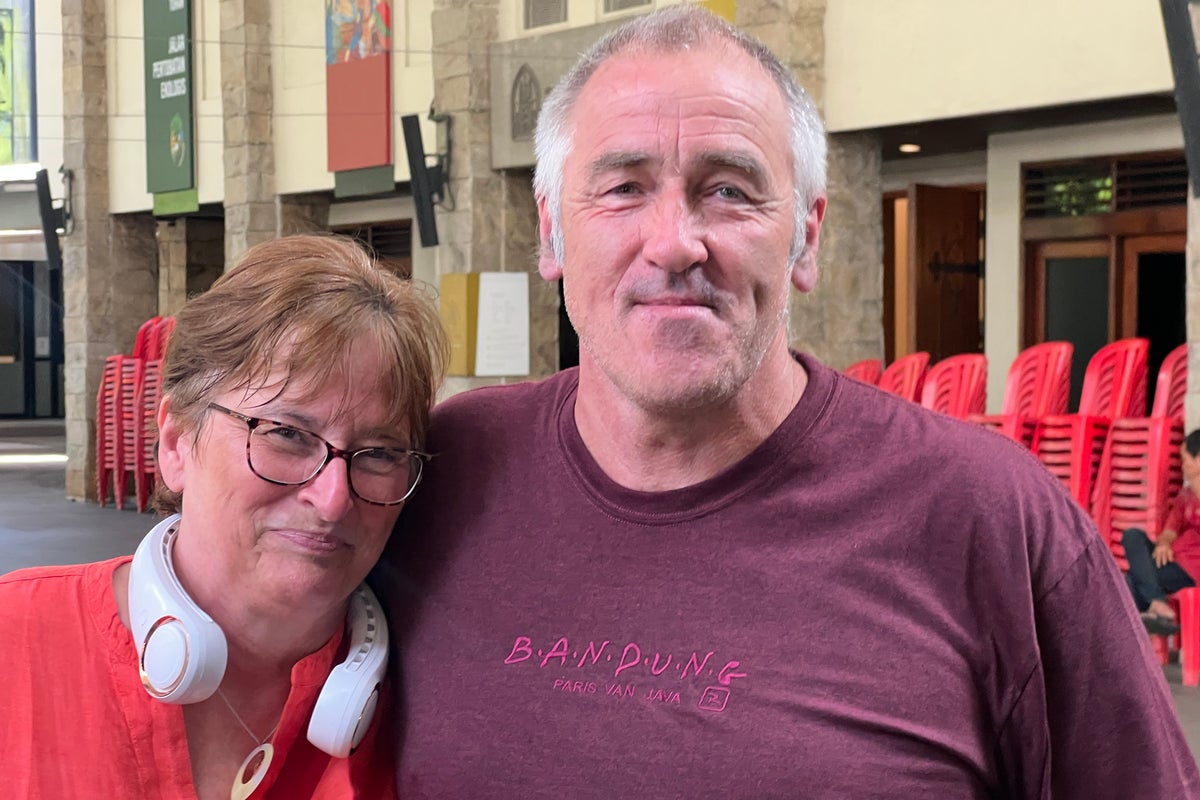
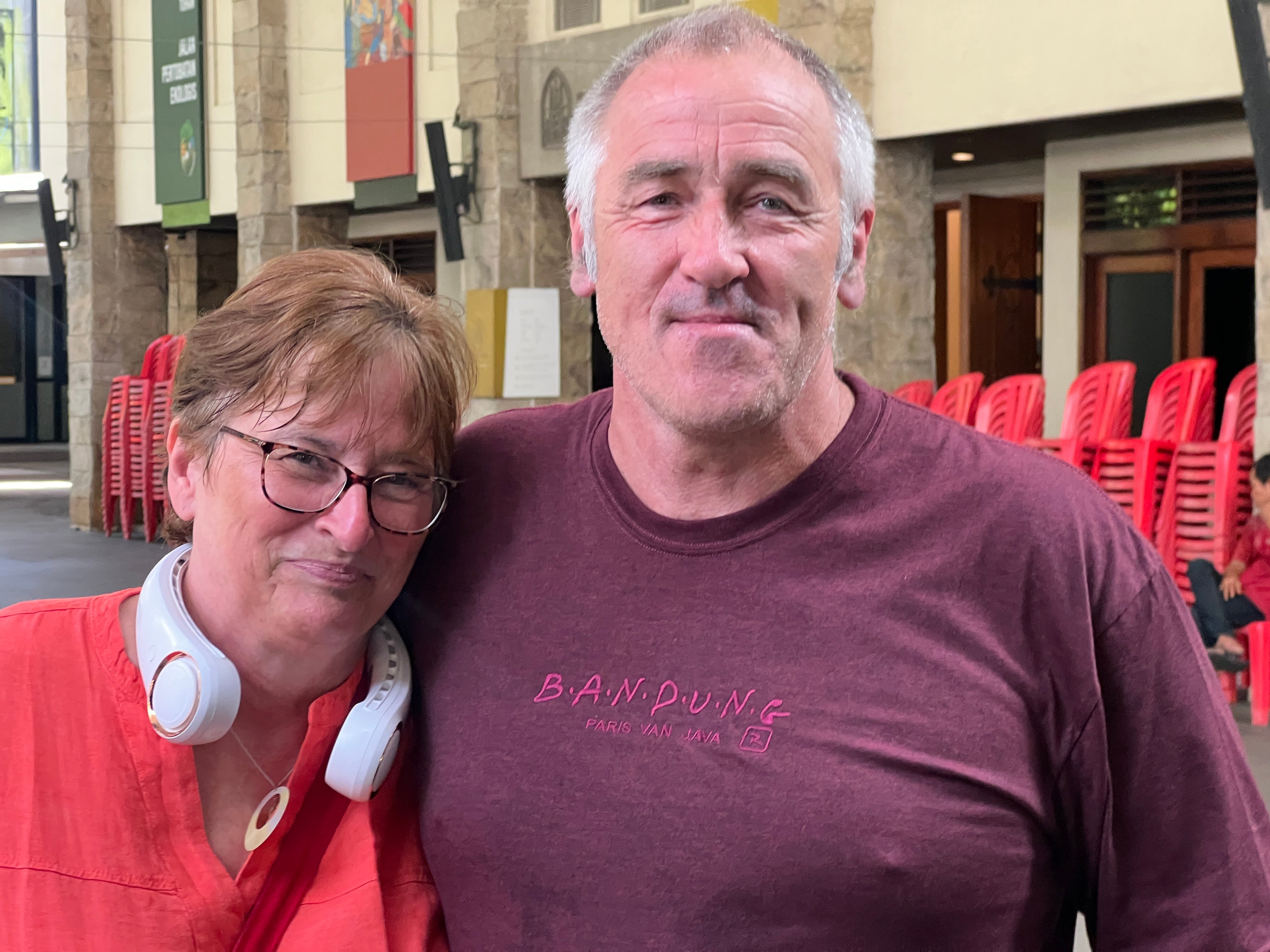
One couple, Jeff and Wendy Spencer from Surrey, will have overstayed their planned trip by 12 days by the time they step onto the chartered Spanish aircraft for the 10-hour flight to Essex.
They will get back sooner than John and Sian Parker from North Wales, who are locked in limbo in the Indonesian capital, Jakarta. “We’ve just been left to our own devices,” says Ms Parker.
Their airline, Etihad, hopes to fly them back on Tuesday after more than a week of on-and-off communications. But the couple acknowledge they are in a relatively good situation. “We keep telling ourselves: thank God we’re not in Abu Dhabi or Dubai,” Ms Parker says.
The first casualty of war is tourism.
Within hours of the first US-Israeli attack on Iran on 28 February, Tehran was dispatching missiles – and drones laden with 90kg of explosives – to try to hit key economic infrastructure in the UAE and elsewhere.

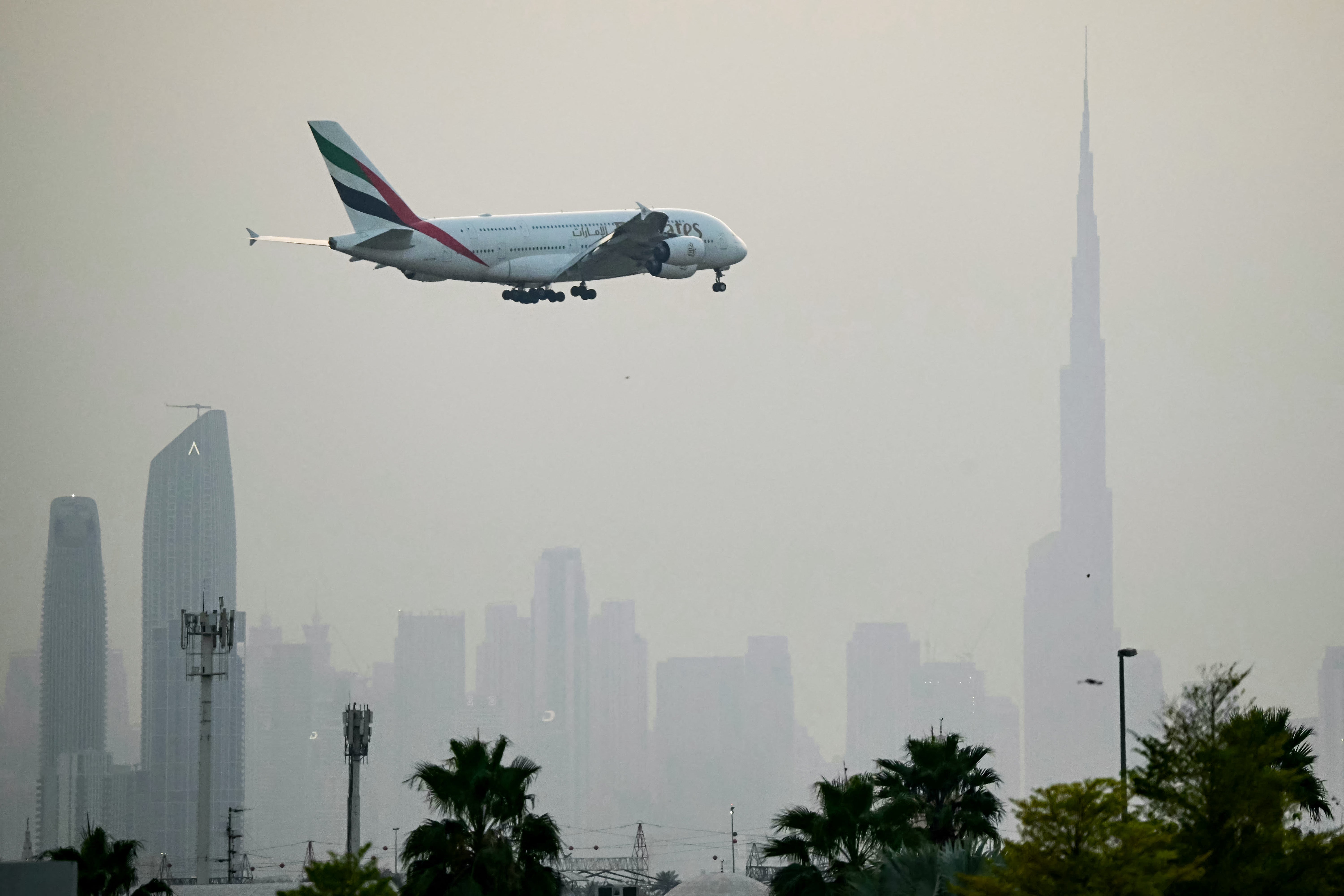
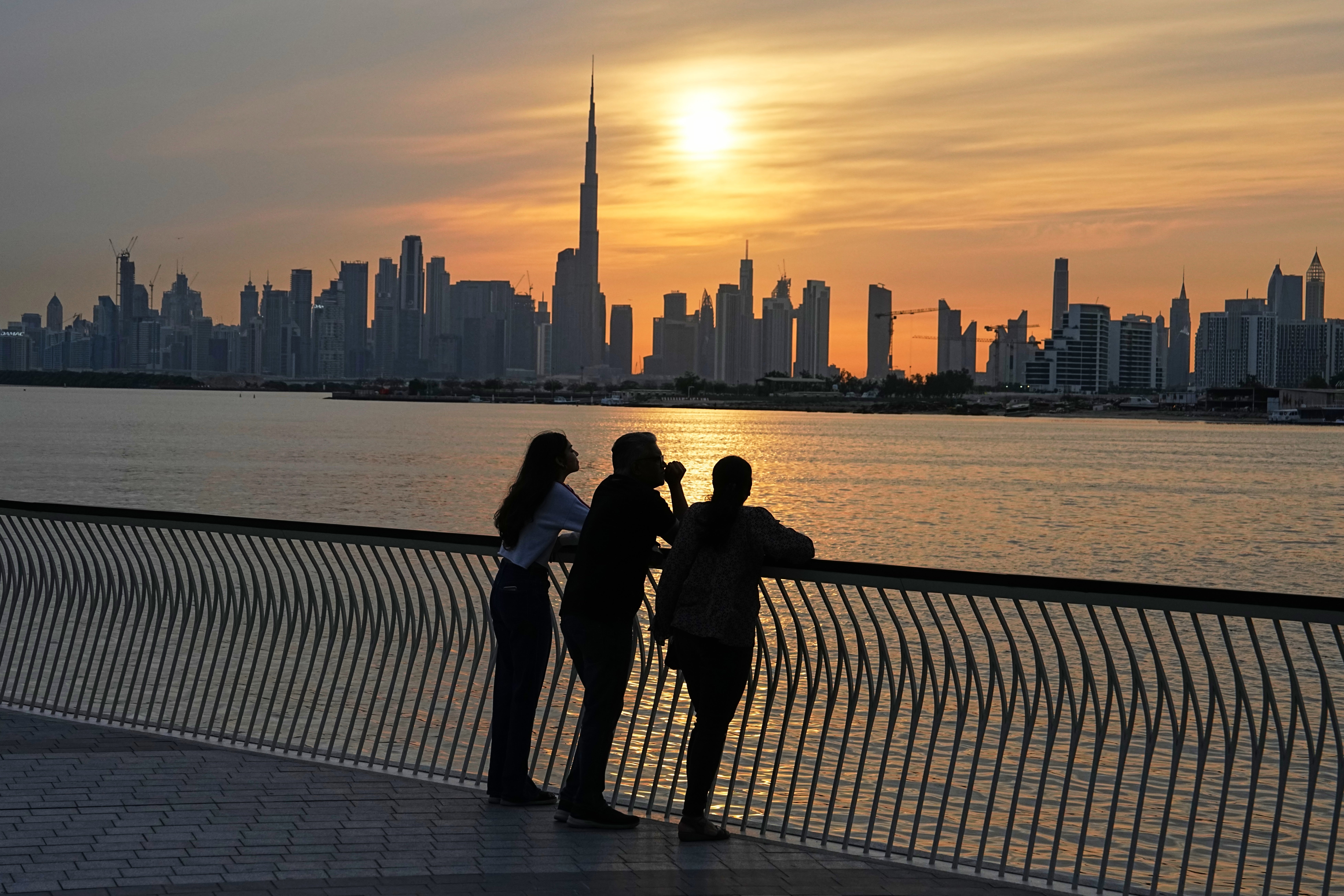
Dubai, seen for decades as a safe and serene haven offering guaranteed sunshine and indulgence, now find itself on the Foreign Office no-go list, along with Abu Dhabi, just down the road in the UAE, and Doha in Qatar.
In a normal fortnight, seven million passengers would fly to, through or from the key Middle East hubs. Emirates, Etihad and Qatar Airways have long offered an aviation superhighway to British holidaymakers: connecting cities across the UK with destinations in Asia, Australasia and Africa.
That role has come to a sudden halt, with attention now on getting stranded travellers where they need to be. Emirates and Etihad are selling commercial tickets, which is one reason the UK government and British Airways are no longer putting on evacuation flights from Muscat in Oman.
But the market reveals a “safety premium” of around 200 per cent. Flights from Australia and Asia to the UK that do not involve a stop in the UAE or Qatar are typically selling for three times the fare with a Gulf connection. Passengers are prepared to pay dearly to avoid the apprehension of a change of planes in a location that the FCO warns against visiting. From Melbourne to London next weekend, for example, Etihad has a one-way fare as low as £462. Shenzhen Airlines – not everybody’s top choice for so long a journey – is just over three times as much.
Carriers including British Airways, Lufthansa of Germany and Singapore Airlines have added flights from East Asia specifically to cash in on the strong demand from fearful and distressed passengers. These companies will naturally say they are providing a sought-after service for people who want to bypass the Middle East.

That reality will not have gone unnoticed by the aviation and tourism industries in the Gulf. They are faced with seeking to rebuild a previously well-tuned and highly profitable travel industry in a location that the world now realises is close to a temperamental and unpredictable state.
The World Travel and Tourism Council estimates the conflict has cut international visitor spending across the Middle East by at least US$600m (£450m) per day – mostly lost air fares and hotel bookings, but also dining and shopping, which normally employ a vast number of people.
Restoring confidence among British travellers matters hugely for Dubai, which was, until the end of February, the world’s largest international aviation hub.
The UK is the third-biggest market, after Saudi Arabia and India, for “DXB”. Rapid reinstatement of flying is also crucial for Britain. Those A380 superjumbos bring in tourists and business travellers to the UK, and crucially connect to the world to regional cities including Birmingham, Newcastle and Glasgow.
When Tunisia and Egypt were put on the no-go list because of terrorist attacks, the ban on organised tourism lasted for years and caused immense social and economic harm. But travel insiders expect the warning for the Gulf states is likely to be lifted in days after a ceasefire.
Meanwhile, the damage is spreading according to Julia Lo Bue-Said, chief executive of the Advantage Travel Partnership – a consortium of more than 700 UK agents.

“Our travel agency partners are seeing a slowdown in demand for parts of the Eastern Mediterranean over the Easter window, particularly Cyprus, Turkey and Egypt.”
But, she says, the appetite for holidays is undimmed: “People are continuing to plan and book travel for Easter. Mainland Spain, the Canary Islands, Portugal, France, Greece and Italy are all proving popular, and cruising is emerging as a strong alternative.”
During and after past crises, a significant number of British tourists have demonstrated that they have no qualms about visiting parts of the world recently in the firing line – as long as the price is right.
Steve Heapy, chief executive of the UK’s leading tour operator, Jet2, told travel agents: “We’re speaking to hotels and trying to get special offers for Cyprus and Turkey. It might not make much difference now, but as soon as the war is over, we’ll see a sharp spike in bookings.” The airline part of his operation is insulated from the oil price surge due to judicious “hedging”.
UK travellers seeking longhaul destinations, though, will need to adjust to higher fares. Carriers face longer routings due to airspace closures. Capacity is likely to shrink, even when the Gulf airlines return to full strength. And airlines will be able to extract a premium for both non-stop flights and connecting trips that do not involve the Middle East.
“People will think, ‘maybe I’ll fly Singapore Airlines next time’,” says Lonely Planet co-founder Tony Wheeler. He believes the tourism industry in the Gulf could be hit for the next one to five years because of the Iranian action: “There you are in your five-star hotel in Dubai, and suddenly the reception desk downstairs is taken out by an errant drone.”
Julia Lo Bue-Said says winners already beginning to emerge: “The Caribbean is seeing a notable spike in bookings from travellers who might otherwise have headed to the Middle East.”
Back in Jakarta, John and Sian Parker are preparing for a journey that will see them spend a couple of hours in Abu Dhabi on route to Manchester. “I’d like to have got home to get back to normal life and get on with work,” said Mr Parker. “But things are what they are and we hopefully we’ll go on Tuesday.”
His wife, Sian, is not looking forward to the stopover. “I must admit I’m a bit apprehensive, but it’s something you’ve just got to get on with.”
History suggests British travellers will do just that.