

England’s hopes of World Cup glory may rest on set pieces under Thomas Tuchel — and Britain’s corner shops could emerge as some of the tournament’s biggest winners.
New analysis suggests a successful run for England at the 2026 Fifa World Cup could trigger hundreds of millions of pounds in extra spending at convenience stores, while pubs, restaurants and transport operators are also expected to enjoy a major financial windfall.
Research by consultancy Baringa found that later evening kick-offs across England’s group-stage matches in Mexico, Canada and the United States are likely to drive a surge in last-minute shopping trips for snacks, drinks and match-night essentials.
Drawing on retail patterns from the 2014 World Cup in Brazil — which featured similarly timed fixtures for UK audiences — analysts forecast that convenience stores could see spending rise by as much as 8.5 per cent during England matches. Across the tournament, that could amount to as much as £400m in additional sales.
The findings come as economists predict the World Cup could provide a broader £7.6bn boost to the UK economy between May and July, offering a rare uplift for consumer-facing industries amid sluggish growth and fragile business confidence.

Hospitality firms are expected to be among the biggest beneficiaries. Food and drink businesses could see revenues rise by £4.2bn over the summer, according to analysis by money.co.uk, representing a 9.3 per cent increase compared with a normal year.
Accommodation providers are forecast to enjoy an even sharper rise, with spending expected to jump by more than 25 per cent — equivalent to an extra £3.5bn in revenue — as supporters travel to major cities, fan zones and screening events. Rail and transport operators could also receive a £1.8bn uplift as fans make journeys to pubs, gatherings and public screenings.
The prospect of a spending boom will be welcomed by ministers and business leaders after official figures showed the UK economy contracted by 0.1 per cent in April. Rising energy prices and continuing geopolitical tensions in the Middle East have also weighed heavily on consumer confidence.
For smaller retailers, the timing of matches could prove especially significant.
Paddy Winters, partner in consumer products and retail at Baringa, said: “England games are likely to be when we see the biggest spike in night-time spending. As football fans settle into a rhythm, that momentum will only build. During the working week members of the public will be relying on shops round the corner to fuel match nights. For convenience store owners, it’s a real chance to score higher sales.”
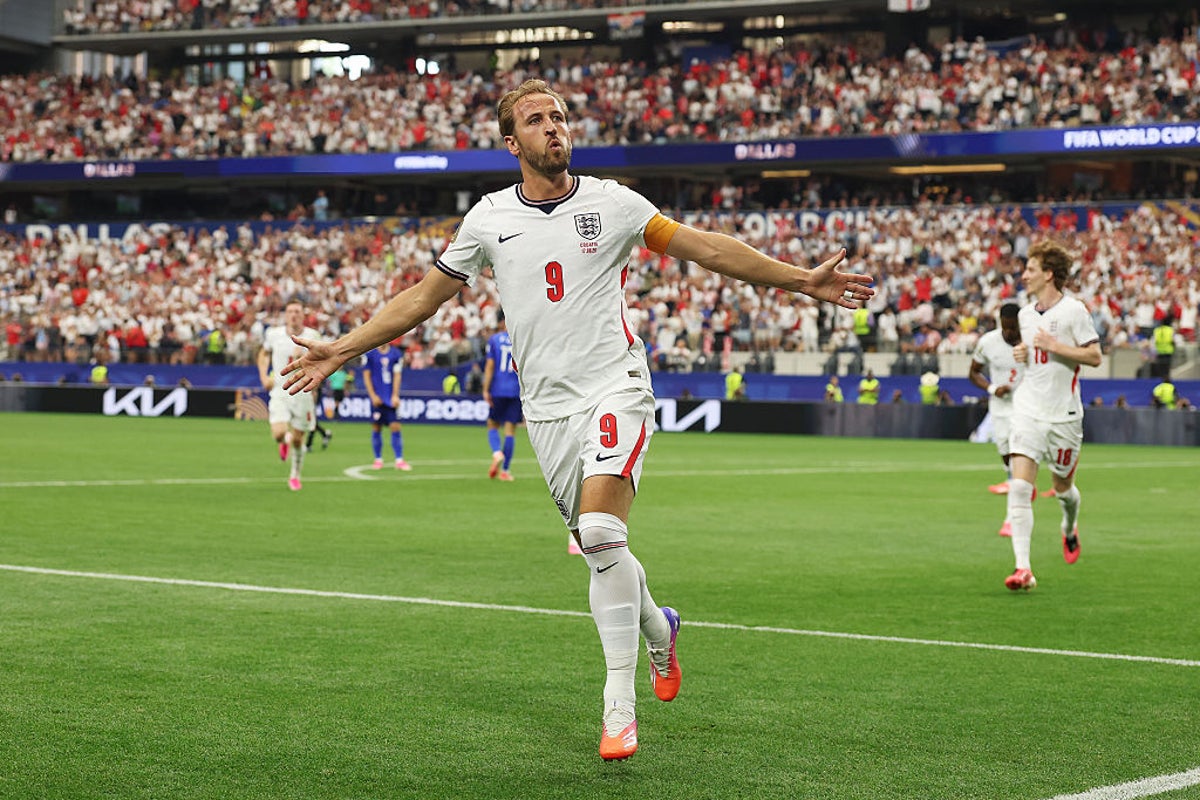
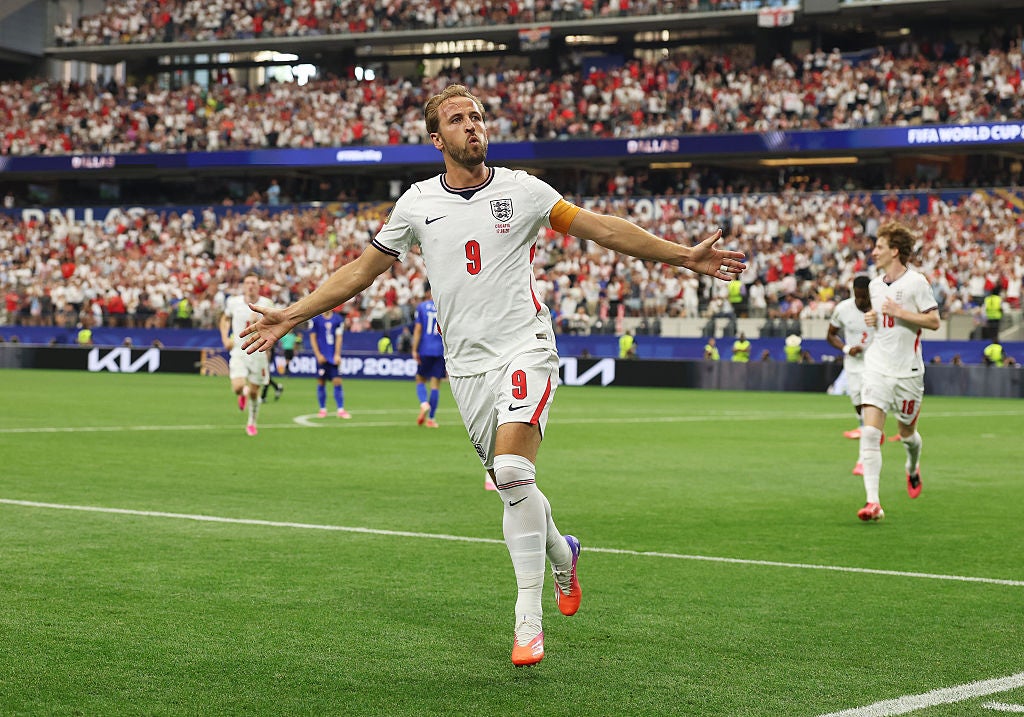
England’s opening match against Croatia — which saw Harry Kane score from a corner — is expected to have already have provided an early indication of how football viewing habits could reshape consumer spending this summer, with many supporters choosing home viewing and quick local shopping trips over evenings in pubs.
However, economists warned that the World Cup’s economic impact may not be entirely positive.
Separate research by brewing company Allsopp’s suggests millions of workers are planning to prioritise football over work commitments during the tournament.
Its survey found that one in five Britons intends to call in sick after at least one World Cup match, equivalent to almost 6.9 million workers nationwide. Analysts estimate the resulting fall in productivity could cost the economy around £2.4bn.
If England progress to the latter stages of the competition, the financial impact on employers could grow substantially. Researchers estimate repeated absences linked to England matches could cost businesses as much as £7.3bn during the group stages and up to £16.9bn should the Three Lions reach the final.
The figures underline the World Cup’s unusual double effect on the British economy: a tournament capable of delivering a substantial consumer spending boom while simultaneously threatening billions in lost workplace productivity.